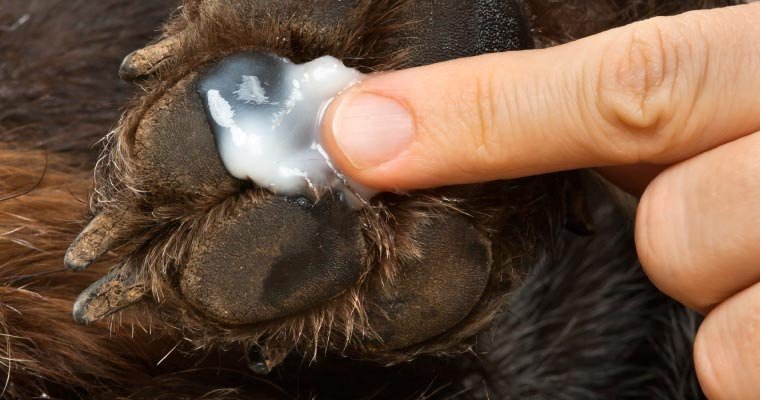
Your dog’s paws may be peeling because the paw pads have been irritated or damaged by heat, cold, rough surfaces, chemicals, allergies, infection, excessive licking, or a condition that causes abnormal thickening of the skin. Mild peeling after environmental exposure can improve with protection and rest, but painful, persistent, cracked, bleeding, swollen, or infected-looking paws should be examined by a veterinarian.
For dog owners in the United States, peeling paw pads are worth taking seriously because dogs encounter many different paw hazards throughout the year, including hot asphalt during summer, ice and de-icing chemicals during winter, rough pavement, lawn products, and household irritants. The appearance of peeling alone does not identify the cause. Veterinary sources describe burns, trauma, allergens, irritants, infections, and disorders of keratinization among the possible reasons a dog’s paw skin can become inflamed, scaled, cracked, or shed.
The most useful first step is to look at the pattern and the condition of the paws. Peeling on one paw after a walk can point toward localized trauma or a foreign object, while repeated problems involving several paws, itching, redness, odor, or licking can make allergies or infection more likely. Thick, excessively hard pads that repeatedly crack can also occur with hyperkeratosis. Because several conditions can look similar, persistent or severe peeling needs a veterinary examination rather than repeated home treatment.
Source: oodlelife.com
What Does Peeling on a Dog’s Paw Mean?
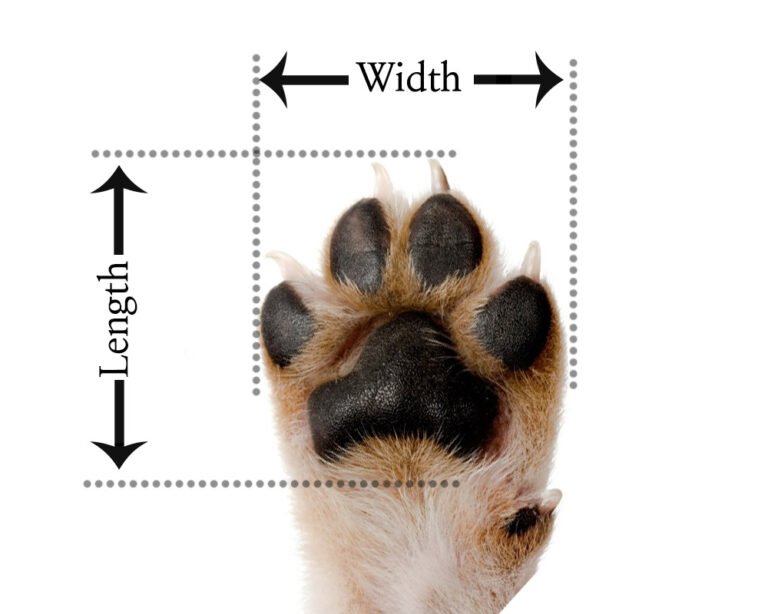
A dog’s paw pad is a specialized, thickened area of skin designed to protect the foot and help absorb mechanical stress. When the outer layer is damaged, inflamed, excessively dry, or affected by abnormal keratin production, it may become flaky, cracked, or peel away.
Peeling is a physical sign rather than a diagnosis. Veterinary dermatology references describe skin inflammation as having many possible causes, including external irritants, burns, allergens, trauma, and bacterial, fungal, viral, or parasitic infections. Skin can also shed when inflammation extends into deeper layers.
The pattern matters. A small area of peeling on one paw after an unusual walk is different from thick, cracked pads on all four feet. Likewise, peeling accompanied by intense licking, redness, odor, or discharge raises different concerns than mild surface flaking with no discomfort.
Source: cdn-prd.content.metamorphosis.com
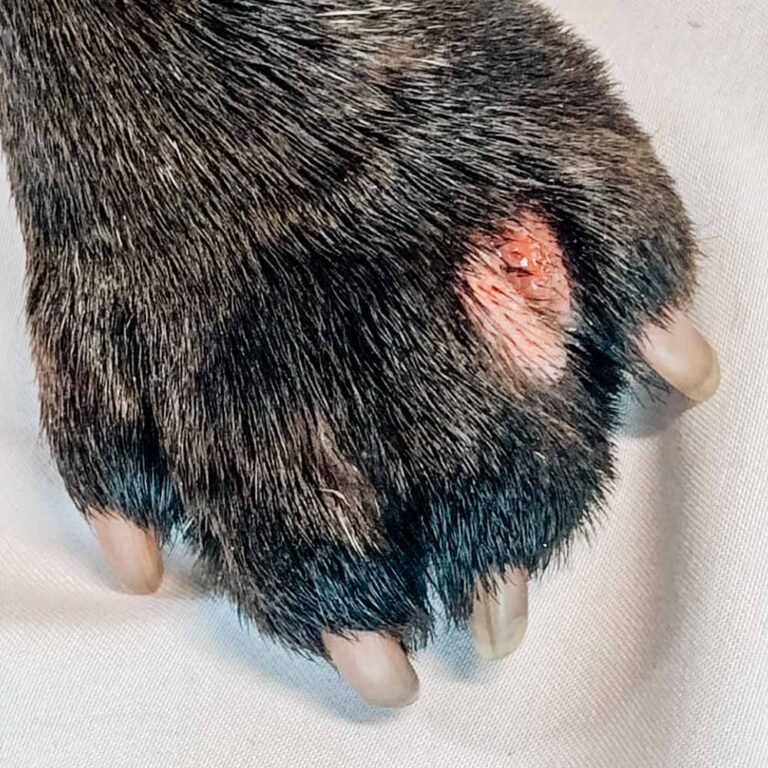
Surface peeling
A thin outer layer may flake or shed after mild irritation, dryness, friction, or environmental exposure.
Cracking and fissures
Deep cracks can develop when pads become excessively dry, thickened, injured, or affected by a keratinization disorder.
Sloughing or loose tissue
Larger areas of skin coming away can occur after burns, significant inflammation, or more substantial injury and deserve prompt assessment.
Peeling Versus Normal Paw Pad Wear
Paw pads naturally experience friction and pressure, so minor surface wear can occur. However, obvious peeling, new cracks, redness, tenderness, or changes in the way a dog walks should not automatically be considered normal wear. A change that is persistent or worsening deserves closer attention.
Usually less concerning
Minor surface dryness without pain, redness, swelling, odor, bleeding, or changes in walking may be monitored while environmental irritation is removed.
More concerning
Pain, limping, bleeding, blisters, open areas, swelling, discharge, foul odor, or repeated licking suggests that veterinary evaluation may be needed.
Why Are My Dog’s Paws Peeling?
The most common explanation is irritation or physical damage to the outer paw-pad surface, but the complete list of possibilities is broader. The surrounding symptoms and recent activities help narrow the possibilities.
A useful troubleshooting approach is to first consider what the paws have contacted recently, then look for signs of inflammation or infection, and finally consider recurring skin disease or a keratinization disorder if the problem does not resolve.
Source: petpawful.com
Hot pavement or other hot surfaces
Hot asphalt, concrete, or sand can injure paw pads. Peeling, loose flaps of skin, redness, blisters, or painful walking after outdoor exposure can be consistent with a thermal injury.
Cold weather and de-icing chemicals
Cold conditions can contribute to chapping and cracking, while rock salt and other de-icers can irritate paw tissue. Dogs may also lick residue from their feet after walks.
Rough or abrasive surfaces
Long walks, running, hiking, or sudden increases in exercise can cause friction and chafing, especially when a dog’s paws are not accustomed to the surface or activity.
Chemical or environmental irritation
Lawn products, cleaning chemicals, solvents, and other irritants can inflame paw skin. The risk depends on the substance and the amount of exposure.
Allergies
Environmental or food-related allergies can cause itchy skin and repeated licking or chewing of the feet. Chronic licking can damage the skin barrier and contribute to secondary infection.
Bacterial or fungal infection
Infections may occur after the skin barrier has been damaged or alongside an underlying allergy or other skin disorder. Redness, odor, scaling, discharge, hair loss, and persistent licking can occur.
Excessive licking or chewing
Licking may begin because of irritation, allergy, pain, or another skin problem. Repeated moisture and mechanical trauma can then worsen the condition.
Paw pad hyperkeratosis
Hyperkeratosis causes excessive thickening of the outer skin layer. Pads may become unusually hard, rough, dry, cracked, or hornlike and can become painful when fissures or secondary infections develop.
Foreign material or localized trauma
A splinter, grass awn, sharp debris, or another foreign object can injure a paw and cause localized inflammation. A problem limited to one paw is particularly worth checking for a specific injury.
Less common systemic or immune-mediated disease
Some metabolic, hereditary, immune-mediated, or other systemic disorders can affect paw pads. These are less common but become more relevant when multiple paws are persistently abnormal or other body-wide symptoms are present.
How the Pattern Can Help Narrow the Cause
The pattern cannot provide a diagnosis by itself, but it can help you give your veterinarian useful information. One affected paw after a specific outdoor event is more suggestive of localized trauma or exposure. Several affected paws with itching and recurrent licking can fit a broader skin disorder such as allergy. Thick, hard pads affecting multiple feet from a young age can raise concern for a keratinization disorder.
Look at when the peeling began, whether all four paws are involved, whether the dog is licking them, and whether there was a recent change in exercise, weather, walking surfaces, cleaning products, or outdoor chemicals. These details can help distinguish an isolated injury from a recurring skin problem.
One paw
Think first about cuts, burns, foreign objects, localized trauma, or a particular substance the paw contacted.
Several paws
Consider environmental exposure, allergies, infection, chronic licking, or a disorder affecting the skin or paw pads more generally.
Repeated episodes
Recurring peeling suggests that an underlying trigger may still be present and should be investigated.
What Should I Do If My Dog’s Paws Are Peeling?
Start by protecting the paws from further irritation and checking for obvious injury. If the peeling is mild and your dog is comfortable, reducing exposure to the suspected trigger and keeping the paws clean and dry may help. If there is significant pain, an open wound, a burn, or another serious abnormality, home care should not replace veterinary treatment.
Do not peel or cut away attached paw-pad tissue yourself. The tissue may still be protecting deeper layers of the foot, and manipulating damaged skin can cause additional trauma or introduce infection.
Source: insiderpaper.com
Inspect the paw gently
Look between the toes and around each pad for cuts, foreign material, swelling, redness, blisters, discharge, or a strong odor. Stop if your dog appears painful or frightened.
Rinse after possible chemical exposure
If the paws contacted salt, de-icers, dirt, or another irritating substance, gently rinse them with clean water and dry them thoroughly. Prevent your dog from licking potentially harmful residue.
Reduce outdoor irritation
Avoid hot pavement, abrasive terrain, and known chemical irritants until the paws have recovered. Keep walks shorter if walking appears uncomfortable.
Prevent repeated licking
Persistent licking can further damage irritated skin. Ask a veterinarian about an appropriate method to prevent self-trauma if your dog cannot leave the paws alone.
Contact your veterinarian when needed
Seek veterinary care for significant pain, limping, bleeding, deep cracks, swelling, blisters, discharge, foul odor, extensive peeling, or symptoms that persist or recur.
What Not to Put on Peeling Paw Pads
Avoid experimenting with human creams, pain medicines, essential oils, or harsh disinfectants unless a veterinarian has specifically advised their use for your dog. Some human products can irritate damaged skin, and some substances can be harmful if a dog licks them.
A veterinarian may recommend a specific paw-care product or medicated treatment after determining the cause. The appropriate treatment differs substantially between a simple environmental irritation, a burn, an allergy, an infection, and hyperkeratosis.
Do not use human pain medication without veterinary direction
Some human medicines are unsafe for dogs, and the correct treatment depends on the injury and the dog’s health.
Do not aggressively scrub the paw
Scrubbing damaged tissue can increase irritation and delay healing.
Do not assume every peeling paw needs an antibiotic
Antibiotics treat appropriate bacterial infections, not every cause of peeling. A veterinarian should determine whether an infection is present and what treatment is appropriate.
When Is Peeling a Sign of a Paw Burn or Serious Injury?
Sudden peeling after outdoor exposure can be a sign of paw-pad injury, especially if your dog was walking on very hot pavement or another extreme surface. The ASPCA warns that hot pavement and sand can burn paw pads and recommends avoiding these surfaces during periods of high heat.
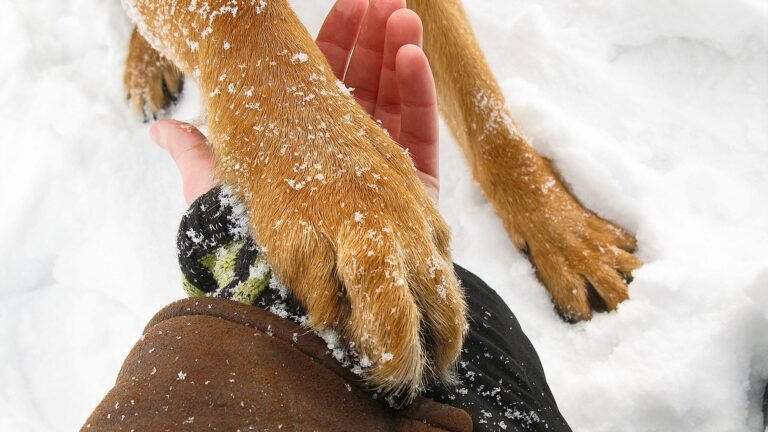
Winter creates a different set of hazards. Rock salt and chemical ice melters can irritate paw tissue, while cold conditions can contribute to chapping and cracking. Dogs can also ingest residues when they lick their feet, so rinsing paws after exposure is a useful precaution.
Serious injuries can worsen quickly because dogs continue to walk on their feet. A dog with significant pain, extensive tissue loss, blisters, deep cracks, bleeding, or difficulty walking should be evaluated promptly rather than managed solely at home.
Source: i.ytimg.com
Possible burn signs
Pain after a hot-surface walk, redness, blisters, loose flaps of skin, peeling, or reluctance to walk can indicate a paw-pad burn.
Possible chemical irritation
Peeling or soreness after walking where de-icers or other chemicals are present can indicate contact irritation.
Urgent warning signs
Severe pain, inability to bear weight, extensive peeling, significant bleeding, deep wounds, rapidly increasing swelling, or signs of infection warrant prompt veterinary attention.
Why Hot Pavement and Winter Salt Deserve Special Attention
Dogs’ paws are exposed directly to the walking surface, so seasonal hazards can affect them even when the rest of the body appears normal. In summer, choose cooler walking times and surfaces when pavement is excessively hot. In winter, avoid heavily treated surfaces when possible and rinse the paws after walks when exposure occurs.
These precautions reduce additional exposure but do not diagnose an existing paw problem. If peeling has already developed and your dog is uncomfortable, veterinary assessment is more appropriate than relying on prevention alone.
Summer
Avoid very hot asphalt, concrete, and sand, especially during the hottest part of the day.
Winter
Limit exposure to rock salt and chemical de-icers and rinse the paws after walks when exposure is possible.
After unusual exercise
Increase activity gradually because sudden increases in walking, running, or hiking can contribute to chafing and paw sensitivity.
Could Allergies or an Infection Cause My Dog’s Paws to Peel?
Yes. Allergies and infections can contribute to peeling, particularly when the paws are itchy and the dog repeatedly licks or chews them. Veterinary references identify allergies, including environmental and food-related allergies, among common causes of itching in dogs.
Bacterial and fungal infections can produce itching, scaling, redness, odor, hair loss, and discharge. Infection may be the primary problem in some cases, but it can also develop secondarily after allergies, trauma, parasites, or another condition damages the skin barrier.
This is why treating only the visible peeling may not solve a recurring problem. If the paw continues to itch or becomes infected, the underlying trigger needs to be identified and addressed.
Source: yourvetfriend.com
Allergy clues
Repeated licking or chewing, recurrent paw irritation, seasonal patterns, or itching in other areas can make an allergic skin condition more likely.
Infection clues
Strong odor, discharge, marked redness, moist lesions, scaling, swelling, or worsening irritation can occur with infection.
Why recurrence matters
If the same paw problem repeatedly returns after temporary improvement, ask your veterinarian to investigate the underlying trigger rather than repeatedly treating the surface signs.
What a Veterinarian May Check
A veterinarian will generally start with the history and physical examination, including the distribution of the lesions and possible exposures. Depending on the findings, diagnostic testing may be used to look for infection, parasites, allergy-related disease, or other causes.
The exact workup depends on the dog’s age, breed, medical history, number of affected paws, appearance of the lesions, and whether other skin or systemic signs are present. Persistent or recurrent disease may require more than one diagnostic step.
History
Recent walks, surfaces, chemicals, weather, exercise changes, diet, itching, licking, and previous episodes can provide important clues.
Physical examination
The veterinarian can assess pads, interdigital skin, nails, surrounding hair, and other areas of the body for related signs.
Additional testing
Depending on the findings, tests may be used to evaluate infection, parasites, allergies, or less common skin disorders.
What If My Dog’s Paw Pads Are Thick, Hard, and Peeling?
Thick, hard, rough, or hornlike paw pads can be associated with hyperkeratosis, a condition in which the outer layer of skin becomes excessively thick. When severe, the abnormal tissue can develop fissures and secondary infections that cause pain or lameness.
Some forms of footpad hyperkeratosis are associated with inherited disorders, while other cases can occur as part of broader skin or systemic disease. Familial footpad hyperkeratosis has been reported in certain breeds, including Irish Terriers and Dogues de Bordeaux.
Because excessive keratin buildup can resemble other paw disorders, a veterinarian should determine the cause before aggressive trimming or treatment. Management may include veterinary-directed soaking, softening or keratolytic products, and treatment of secondary infection when present.
Source: iheartdogs.com
Thickened pads
The pads may feel unusually hard or develop excessive layers of dry, rough tissue.
Fissures
Deep cracks can form in severely thickened pads and may become painful or infected.
Lameness
Difficulty walking or obvious discomfort suggests that the condition is affecting function and should be assessed by a veterinarian.
Why You Should Not Cut Thick Paw Tissue Yourself
It can be difficult to tell where abnormal outer tissue ends and healthy, protective tissue begins. Cutting too deeply can create an open wound and increase pain or infection risk. Veterinary treatment can determine whether the thickening is hyperkeratosis, a response to another disease, or part of a different paw condition.
Safer approach
Have persistent thickening examined before attempting aggressive removal of the tissue.
Treat the cause
If an underlying disorder or infection is responsible, addressing that problem is more useful than repeatedly removing surface tissue.
How to Prevent Peeling Dog Paws
Prevention focuses on reducing avoidable exposure and catching paw problems before they become painful. The most effective routine is simple: inspect the feet regularly, avoid extreme walking surfaces, clean paws after exposure to irritating substances, and increase exercise gradually.
Seasonal precautions are especially useful in the United States, where dogs may encounter extreme summer pavement and winter de-icing products depending on the region. Prevention cannot eliminate medical causes such as allergies or inherited disorders, but it can reduce environmental trauma.
Source: preview.redd.it
Inspect paws regularly
Check the pads and spaces between the toes for cracks, redness, swelling, foreign material, or unusual thickening.
Choose safer walking surfaces
Avoid extremely hot pavement and abrasive terrain when your dog’s paws are vulnerable or already irritated.
Rinse after chemical exposure
Wash away salt, de-icers, and other irritating residues after walks when exposure is possible.
Increase exercise gradually
Sudden increases in running, hiking, or other high-friction activity can contribute to paw chafing and sensitivity.
Address recurring licking
Persistent paw licking is a symptom that deserves attention because allergies, infection, pain, and other conditions can drive the behavior.
A Simple Paw Check After Walks
After walks, especially during extreme weather, briefly examine each paw. Look for visible debris, redness, new cracks, loose tissue, swelling, or signs that your dog is uncomfortable. If the paws were exposed to salt or chemicals, rinse them and dry them carefully.
Keeping a record of when peeling appears can also help. Note the date, weather, walking surface, exercise duration, and whether your dog was licking the paws. A recurring pattern can give your veterinarian useful information.
Before the walk
Check that the pads are intact and your dog is not already showing signs of pain or irritation.
During the walk
Watch for sudden limping, repeated paw lifting, reluctance to continue, or unusual licking.
After the walk
Inspect, rinse when needed, dry the feet, and monitor for new redness, peeling, or discomfort.
When Should I Take My Dog to the Vet for Peeling Paws?
Arrange a veterinary examination when peeling is persistent, recurrent, extensive, painful, or accompanied by other abnormal signs. Prompt evaluation is especially appropriate when your dog is limping, cannot comfortably bear weight, has deep cracks or open wounds, or develops swelling, discharge, bleeding, or a strong odor.
Veterinary care is also appropriate when multiple paws are affected without an obvious environmental explanation, when the pads are unusually thick or hard, or when your dog repeatedly licks and chews the feet. These patterns can indicate an underlying skin disorder that requires diagnosis rather than simple paw protection.
Source: lh3.googleusercontent.com
Seek prompt care for severe injury
Extensive peeling, significant burns, deep wounds, heavy bleeding, severe pain, or inability to walk normally should not be managed as a minor paw problem.
Book an appointment for recurring problems
Repeated episodes can indicate allergies, infection, hyperkeratosis, or another underlying condition.
Ask about infection
Odor, discharge, swelling, marked redness, or worsening pain can indicate infection and may require veterinary treatment.
Mention other symptoms
Tell the veterinarian about itching elsewhere, changes in appetite or energy, skin lesions, gastrointestinal signs, or other new symptoms.
What Information to Bring to the Appointment
A short timeline can make the examination more useful. Record when the peeling started, which paws are affected, recent walks or hikes, unusual weather exposure, possible chemical contact, changes in food or medications, and how often your dog licks or chews the feet.
Photos taken as the paw changes can also help document progression, particularly if the appearance varies from day to day. Do not delay care for the sake of collecting a long history if your dog appears significantly injured or painful.
Recent exposures
Include hot pavement, ice, salt, de-icers, rough trails, lawn products, cleaning products, or other unusual surfaces.
Symptoms
Note licking, chewing, limping, pain, odor, discharge, swelling, bleeding, or changes affecting other areas of the body.
Previous episodes
Tell the veterinarian whether the peeling has happened before and whether it improved or returned after previous treatment.
Frequently Asked Questions
Q
Is it normal for a dog’s paw pads to peel?
Minor surface wear can occur, but obvious peeling is not something to automatically consider normal. Environmental irritation, burns, trauma, allergies, infection, excessive licking, and hyperkeratosis can all cause paw-pad changes. The dog’s comfort and the severity, persistence, and pattern of the peeling help determine how concerning it is.
Q
Can hot pavement make a dog’s paws peel?
Yes. Very hot pavement and other hot surfaces can injure paw pads and may lead to redness, blisters, loose skin, peeling, and pain. Avoid extremely hot walking surfaces and seek veterinary care for significant burns or painful injuries.
Q
Can allergies cause peeling paws in dogs?
Allergies can contribute to paw irritation and peeling, particularly when they cause itching and repeated licking or chewing. Environmental and food-related allergies are among recognized causes of canine itching. A veterinarian can help determine whether allergy is contributing to a recurring paw problem.
Q
Should I remove peeling skin from my dog’s paw?
Do not pull or cut away attached paw-pad tissue yourself. Loose-looking tissue may still be protecting sensitive layers underneath, and aggressive removal can cause additional injury. If there is extensive or thickened tissue, ask a veterinarian how it should be managed.
Q
How long does it take for a dog’s peeling paw to heal?
There is no single healing time because it depends on the cause and severity. Mild irritation may improve after the trigger is removed, while burns, infections, allergies, hyperkeratosis, and deeper injuries can require veterinary treatment and longer recovery. Persistent or worsening peeling should be evaluated rather than waiting indefinitely.
Q
Why are my dog’s paws peeling on all four feet?
Peeling on all four feet makes a widespread exposure or skin disorder more relevant than a single localized injury. Possible explanations include environmental irritation, allergies, infection, excessive licking, or disorders affecting keratinization. A veterinarian can assess the full pattern and determine whether diagnostic testing is needed.
✦ Wrapping Up
Conclusion
If you are wondering why are my dogs paws peeling, the answer is usually found by looking at the dog’s recent exposures, the appearance of the pads, and whether other symptoms are present. Heat, cold, salt and chemicals, rough surfaces, allergies, infection, licking, trauma, and hyperkeratosis can all produce peeling or related paw-pad changes.
For mild peeling without pain or other concerning signs, protect the paws from further irritation, keep them clean, and monitor the changes closely. Do not pull away attached tissue or use human medications without veterinary guidance. If the peeling is severe, painful, recurrent, infected-looking, or associated with limping or deep cracks, schedule a veterinary examination so the underlying cause can be identified and treated.
💡 Key Takeaway
Inspect all four paws, identify and remove recent environmental irritants, prevent further trauma, and contact your veterinarian promptly if the peeling is painful, extensive, recurrent, or accompanied by redness, swelling, odor, discharge, bleeding, or difficulty walking.
Learn how to treat an interdigital cyst on a dog paw, recognize interdigital furunculosis, provide safe home care, and know when veterinary treatment is needed.
Learn how to moisturize dog paws safely with paw balms, natural moisturizers, and daily care tips. Discover how to prevent dry, cracked paw pads and keep your dog’s feet healthy.
Learn how to treat sore dog paws between toes with safe home care, cleaning steps, paw protection tips, and guidance on when veterinary treatment is needed.
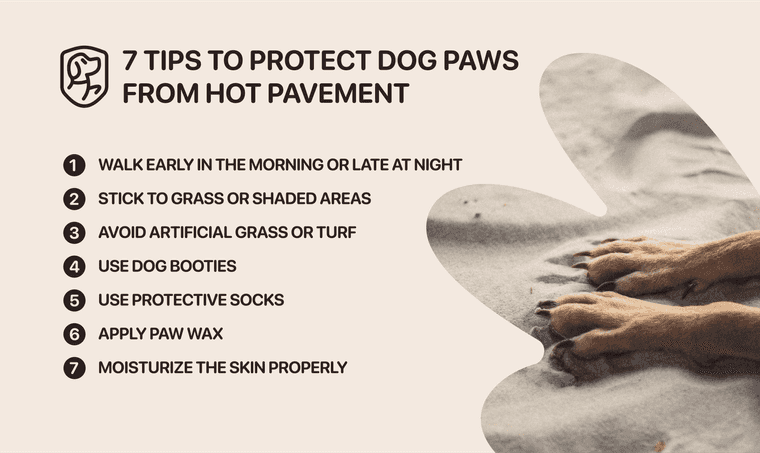
Learn how to protect dog paws from hot pavement with practical safety tips, temperature checks, dog boots, walking schedules, and paw care advice for summer walks.