Is Cat Panting Normal: Essential Answers and Practical Guidance
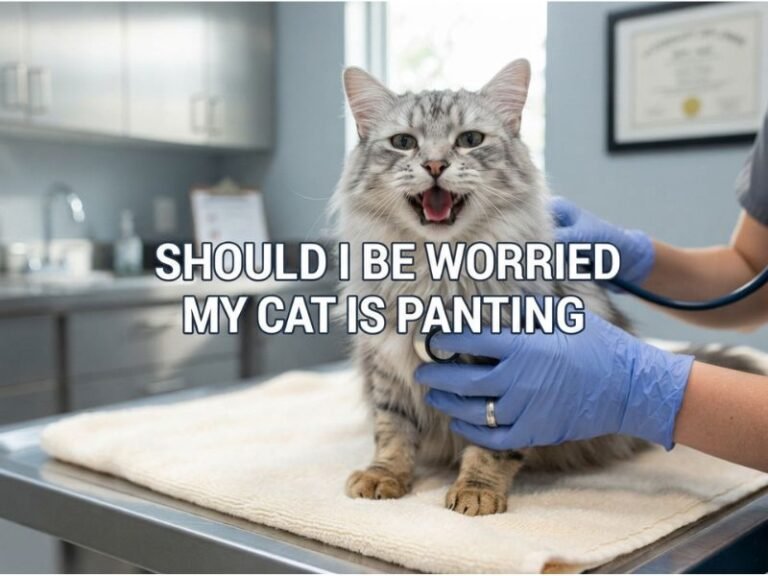
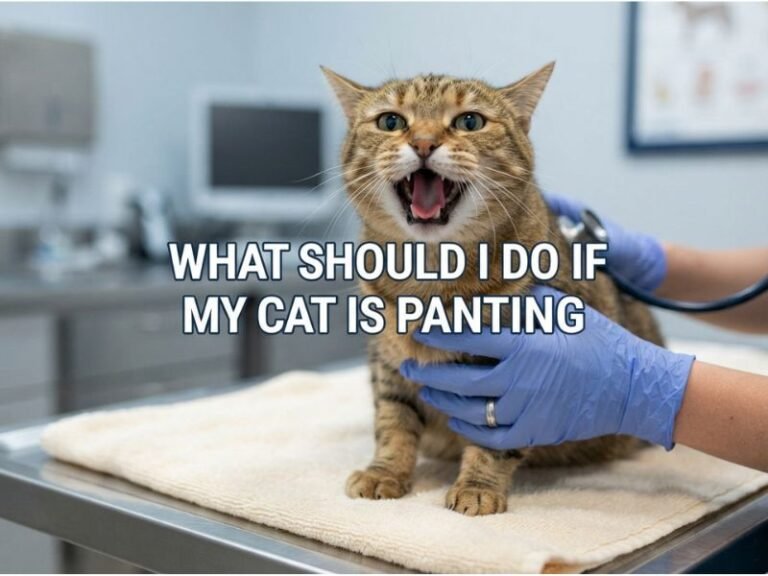
A cat running hard across the house may briefly breathe faster, and a nervous cat may pant during a stressful car ride. That does not automatically mean something is seriously wrong. However, cats usually breathe through their noses, so panting deserves more attention in a cat than it often receives in a dog.
If you are asking, “is cat panting normal,” the most useful answer is: sometimes, but only in limited situations and for a short time. I’ll explain what normal recovery looks like, which signs indicate a breathing emergency, what conditions can cause panting, and what you should do while arranging veterinary care.
The details matter more than panting alone. I look at what the cat was doing, how long the panting lasted, whether the mouth stayed open, and whether other signs—such as weakness, coughing, blue or pale gums, or abdominal effort—appeared at the same time.
Is cat panting normal?
Brief panting can be normal after intense activity, overheating, fear, or acute excitement. A cat may open its mouth and take quick breaths after chasing a toy, struggling during a bath, or traveling in a carrier. The breathing should gradually return to normal once the trigger ends and the cat has a calm, cool place to rest.
Panting is not considered normal if it happens while a cat is resting, sleeping, or sitting quietly without an obvious short-term trigger. It is also concerning when it continues, repeatedly returns, becomes more intense, or occurs with changes in posture, gum color, behavior, or appetite.
Cats can hide illness exceptionally well. A cat that appears only mildly uncomfortable may still have a significant problem affecting the lungs, heart, airway, blood, or body temperature. For that reason, persistent or unexplained panting warrants a call to a veterinarian, even if the cat is not crying or acting dramatically ill.
What normal panting looks like
Normal exertion-related panting has a recognizable pattern. The cat has a clear reason to be breathing hard, the mouth may be open briefly, and the breathing improves with quiet rest. The cat should remain alert and able to stand and move normally.
For example, a healthy cat might pant for a short period after vigorous play on a warm day. Once the cat stops playing, moves to a cooler area, and settles down, the breathing should become slower and quieter. The tongue and gums should remain their usual healthy pink color, and the cat should not appear distressed.
Stress-related panting can occur during veterinary visits, car rides, loud construction, fireworks, or restraint. This type usually resolves after the stressor is removed. Even so, a cat that pants every time it travels or becomes anxious may benefit from a veterinary discussion about safer handling, carrier training, or anxiety treatment.
How quickly should panting stop?
There is no single safe number of seconds for every cat because heat, age, fitness, activity, and health status vary. I would expect obvious panting to begin easing after the cat rests in a comfortable environment. It should not remain intense after the cat has had time to calm down.
If the breathing does not improve, if the cat becomes less responsive, or if panting began without exercise or stress, treat the situation as abnormal. A short video can help a veterinarian judge the breathing pattern, but recording should never delay emergency care.
When panting is an emergency
Open-mouth breathing can indicate respiratory distress, particularly when it occurs at rest. Call an emergency veterinary hospital immediately if your cat has any of the following signs:
- Persistent panting or open-mouth breathing while resting
- Breathing that is rapidly worsening or visibly difficult
- The chest and abdomen working hard with every breath
- Neck stretched forward, elbows held away from the body, or an inability to lie comfortably
- Blue, gray, purple, or very pale gums or tongue
- Collapse, severe weakness, confusion, or unresponsiveness
- Repeated coughing, choking, gagging, or suspected airway blockage
- Sudden facial swelling, hives, or other signs of a serious allergic reaction
- Possible poisoning, heatstroke, trauma, or electrical-cord injury
A cat does not need to have every warning sign before it needs urgent help. Breathing difficulty can deteriorate quickly, and cats may compensate until they suddenly cannot. If your cat is panting at rest, I would call an emergency clinic while preparing to leave rather than waiting to see whether it resolves overnight.
What to do on the way to care
Keep the cat as calm and still as possible. Place the cat in a well-ventilated carrier, remove the carrier door if needed, and avoid forcing the cat through a small opening. Keep the car cool but do not aim an intense stream of cold air directly at the face.
Call the veterinary hospital before arrival so staff can prepare for a breathing emergency. Do not give human medication, sedatives, food, or water unless a veterinary professional specifically instructs you to do so. Do not wrap a struggling cat tightly in a towel, and do not spend time trying home remedies if breathing is difficult.
If heat exposure is involved, move the cat into shade or air conditioning and gently cool the body with cool—not ice-cold—moist towels while traveling. Avoid an ice bath. A cat showing weakness, confusion, vomiting, collapse, or breathing trouble after heat exposure needs emergency treatment.
Why cats may pant
Panting is a sign rather than a diagnosis. It can arise from a temporary response to exertion or stress, but it can also reflect a problem with oxygen delivery, airflow, circulation, or temperature regulation.
Heat and overheating
Cats can overheat in hot rooms, poorly ventilated spaces, parked vehicles, garages, or outdoor areas without shade. Flat-faced breeds and cats with obesity, heart disease, or respiratory disease may be more vulnerable. Heatstroke can cause panting, drooling, vomiting, diarrhea, weakness, confusion, seizures, and collapse.
Heatstroke is an emergency even if the cat appears to improve after being moved indoors. Internal injury can continue after the body begins to cool, so prompt veterinary assessment is important.
Exercise and excitement
Intense play, chasing, or a sudden burst of activity can temporarily increase breathing. This is more likely in a cat that is out of shape, overweight, very young, or playing in a warm environment. Panting should stop as the cat rests.
Exercise-related panting that happens after minimal activity, becomes more frequent, or takes a long time to resolve should not be dismissed as poor fitness. A veterinarian may need to check for heart, lung, airway, or metabolic disease.
Fear, anxiety, and restraint
Stress can trigger panting, rapid breathing, dilated pupils, hiding, vocalizing, drooling, or attempts to escape. The cause may be a carrier, unfamiliar people, another animal, loud noise, or physical restraint.
Stress is a reasonable explanation only when the timing fits and the breathing settles after the cat calms. If a cat pants at home while relaxed, anxiety should not be used as a substitute for a medical evaluation.
Asthma and other airway disease
Feline asthma can narrow the airways and make breathing difficult. Some cats cough or wheeze; others crouch low, extend the neck, breathe rapidly, or show increased effort. Irritants such as smoke, aerosol sprays, dusty litter, fragrances, and household chemicals may worsen airway symptoms, but removing an irritant does not replace treatment.
Other airway problems include infection, inflammation, foreign material, tumors, and upper-airway obstruction. A cat with noisy breathing, repeated episodes, or a change in voice needs veterinary evaluation.
Heart disease and fluid around the lungs
Heart disease can cause fast or labored breathing, weakness, reduced activity, fainting, or collapse. Fluid may build up in or around the lungs, making it difficult for the cat to exchange oxygen. Some cats with heart disease do not cough, so the absence of coughing does not rule it out.
A relaxed sleeping respiratory rate can provide useful information. Many healthy cats breathe roughly 15 to 30 times per minute while asleep, although individual variation exists. A consistently elevated rate, especially above 30, deserves a call to the veterinarian; a markedly high rate or any effortful breathing is more urgent. Count chest rises for 30 seconds and multiply by two, but do not delay care to obtain a perfect count.
Pain, fever, anemia, and other illness
Pain can cause rapid breathing or panting, especially after injury, surgery, or a painful medical condition. Fever, anemia, low blood oxygen, and some metabolic disorders can also increase breathing effort. A cat may pant while hiding, refusing food, trembling, or sitting unusually still.
These causes cannot be reliably distinguished at home. A physical examination and, depending on the findings, blood tests, chest imaging, heart evaluation, or airway testing may be necessary.
How to assess your cat’s breathing
Start by observing without disturbing the cat. Look at the mouth, tongue, chest, abdomen, posture, and level of alertness. A relaxed cat should not need to stretch its neck, hold its elbows away from the chest, or repeatedly change position to breathe.
Watch for these specific features:
- Breathing rate: Count breaths while the cat is asleep or quietly resting, not immediately after play or handling.
- Breathing effort: Notice whether the abdomen moves forcefully or the nostrils flare with each breath.
- Breathing sounds: Wheezing, crackling, snoring-like noise, choking sounds, or harsh upper-airway noise can be important.
- Mouth position: Open-mouth breathing at rest is more concerning than a brief open mouth after exertion.
- Gum color: Pink is generally reassuring; blue, gray, purple, or very pale gums are emergency signs.
- Overall behavior: Weakness, hiding, collapse, agitation, confusion, or inability to settle increases concern.
Do not pry open the mouth of a frightened or struggling cat. A distressed cat may bite, and unnecessary handling can make breathing worse. If the cat is stable enough, record a short video from a distance and note what happened immediately before the panting began.
Questions a veterinarian will ask
Useful observations can speed up triage. I would write down the approximate start time, the activity or event before the episode, how long it lasted, and whether it stopped completely.
The veterinarian may also ask:
- Has the cat panted before, or is this the first episode?
- Did panting occur at rest, during sleep, after play, or during travel?
- Was the cat exposed to heat, smoke, chemicals, medication, or a possible toxin?
- Has there been coughing, sneezing, vomiting, diarrhea, drooling, weakness, or collapse?
- Has appetite, thirst, urination, activity, or weight changed?
- Does the cat have known heart, lung, kidney, or thyroid disease?
- Is the cat taking medication, and could a dose have been missed or accidentally doubled?
Bring medication containers or photographs of labels if poisoning or a dosing error is possible. Do not induce vomiting unless a veterinarian or animal poison professional tells you to do so.
What a veterinary examination may involve
A veterinarian will first assess the cat’s breathing, gum color, temperature, heart rate, oxygenation, and level of distress. If the cat is struggling to breathe, the team may provide oxygen and minimize handling before completing a full diagnostic workup.
Testing depends on the history and examination. Possible tests include bloodwork, chest X-rays, ultrasound, heart imaging, viral testing, airway evaluation, or an electrocardiogram. The goal is to determine whether the problem involves the lungs, heart, airway, blood, temperature regulation, pain, or another body system.
Because some breathing tests require handling, a highly distressed cat may need stabilization first. A normal-looking examination after a brief stress episode does not necessarily explain recurrent episodes, so a clear home video and an accurate timeline can be valuable.
Common mistakes to avoid
One common mistake is assuming that a cat is simply “hot” because panting is visible. Heat may be the cause, but overheating can become dangerous and may be difficult to judge by touch alone. Move the cat to a cool environment and assess the other signs rather than relying on the ears or paws to decide whether the cat is safe.
Another mistake is waiting for coughing. Cats with serious heart or lung problems may not cough. Breathing effort, posture, gum color, and behavior are just as important.
Do not force a cat to drink during panting. Water aspiration is possible if the cat is struggling, nauseated, or unable to swallow normally. Offer normal access to water only when the cat is calm and breathing comfortably.
Do not give leftover inhalers, pain relievers, allergy medicine, or calming medication without veterinary direction. Human drugs can be toxic to cats, and the wrong medication may hide an important symptom or worsen breathing.
Finally, do not repeatedly chase, pick up, or restrain a cat to “check” the breathing. Stress increases oxygen needs and may worsen a genuine respiratory problem. Observe quietly and seek help based on the full pattern.
FAQ: Is cat panting normal?
Is it normal for a cat to pant after playing?
Brief panting after intense play can be normal if the cat quickly settles, breathes quietly, and returns to normal behavior. Stop the activity and provide a cool, calm area. If panting lasts, recurs after mild activity, or comes with weakness or breathing effort, contact a veterinarian.
Is cat panting normal during a car ride?
Stress and motion sickness can cause panting during travel. It should improve after the cat is safely calm and out of the stressful situation. Panting that continues at rest, becomes severe, or occurs with drooling, vomiting, collapse, or labored breathing requires urgent veterinary advice.
Is open-mouth breathing normal in a resting cat?
Usually, no. Open-mouth breathing in a resting cat can indicate respiratory distress, overheating, heart disease, airway disease, or another serious problem. Keep the cat calm, call a veterinary hospital, and follow its instructions immediately.
Can anxiety cause a cat to pant?
Yes. Fear, restraint, loud noises, travel, and unfamiliar surroundings can cause temporary panting. Anxiety is more likely when the episode begins during a clear stressor and ends as the cat relaxes. Panting at home while the cat is calm should be evaluated for medical causes.
Should I count my cat’s breaths at home?
Yes, if the cat is calm or asleep and breathing comfortably. Count chest rises for 30 seconds and multiply by two. A consistently elevated resting rate, especially above about 30 breaths per minute, should prompt a veterinary call. Any labored breathing, open-mouth breathing, or abnormal gum color is more urgent than the number alone.
Can a cat pant because it is too hot?
Yes, but overheating can progress to heatstroke. Move the cat to a cool, ventilated area and contact a veterinarian if panting is persistent or accompanied by drooling, vomiting, weakness, confusion, seizures, or collapse. Never leave a cat in a parked car, even for a short time.
Is panting after anesthesia or surgery expected?
Some cats may breathe differently after anesthesia, pain medication, or a stressful procedure, but persistent panting is not something to ignore. Follow the discharge instructions and call the veterinary practice or emergency hospital if breathing is difficult, the gums look abnormal, the cat is unusually weak, or the breathing does not settle.
When should I call a veterinarian about occasional panting?
Call your veterinarian if episodes are unexplained, happen repeatedly, occur after mild activity, last longer than expected, or are accompanied by coughing, reduced appetite, weight loss, weakness, or behavior changes. Seek emergency care for panting at rest with visible breathing effort, abnormal gum color, collapse, or severe distress.
Conclusion
So, is cat panting normal? It can be a brief response to strenuous activity, heat, or stress, but a calm cat should not pant persistently or breathe through an open mouth. I would treat unexplained panting, panting at rest, or any sign of breathing difficulty as a reason to contact a veterinarian promptly, and I would seek emergency care when the cat appears distressed, weak, overheated, or unable to breathe comfortably.