Pavement can become dangerous for dog paws when surface temperatures exceed about 125°F, causing burns within minutes.
Across the United States, summer temperatures can make sidewalks, asphalt roads, parking lots, and artificial turf much hotter than the air temperature shown in the weather forecast. Many dog owners are surprised to learn that pavement exposed to direct sunlight can reach temperatures capable of causing painful paw injuries.
Understanding how hot is too hot for dog paws helps prevent burns, blisters, and long-term damage. The safest approach is to check the walking surface before every outing, choose cooler times of day, and watch for signs that your dog is uncomfortable.
Source: i.pinimg.com
How Hot Is Too Hot for Dog Paws?
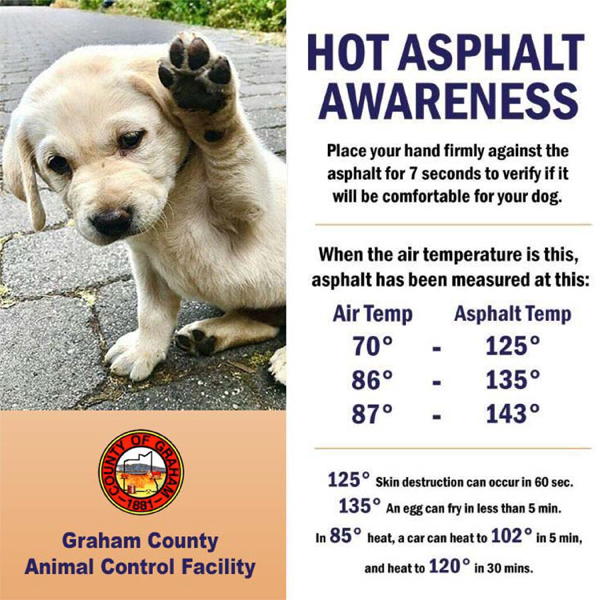
For most dogs, pavement becomes potentially dangerous when surface temperatures reach approximately 125°F or higher. At these temperatures, paw pads can suffer burns after relatively short exposure.
The challenge is that pavement temperatures often rise far above air temperatures. For example, an 85°F summer day can produce asphalt temperatures well over 130°F in direct sunlight.
Source: newbedfordguide.com
Safe range
Cool or moderately warm surfaces that feel comfortable to touch for several seconds.
Caution range
Surfaces that feel hot but not painful may still be uncomfortable during longer walks.
Danger range
Surfaces around 125°F or higher can cause burns and require immediate avoidance.
Why Pavement Gets Hotter Than Air
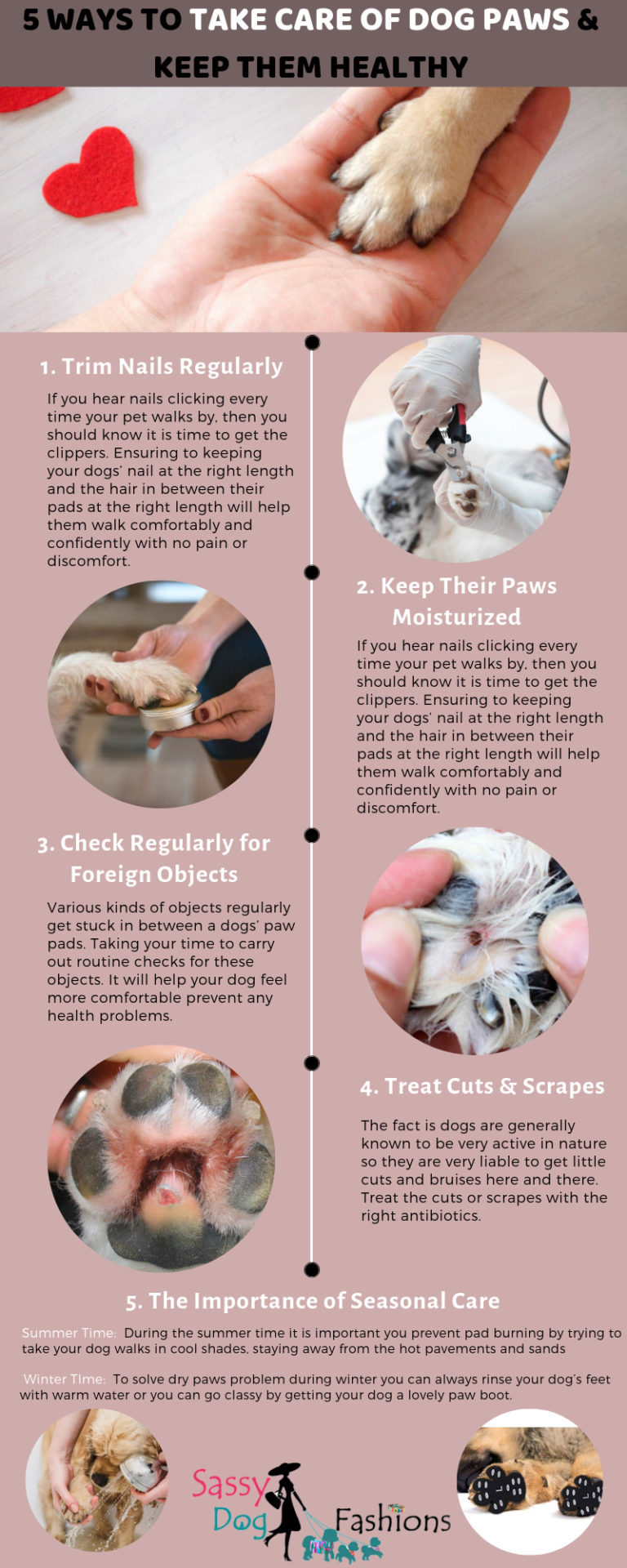
Dark surfaces absorb solar radiation throughout the day. Asphalt, concrete, and artificial turf retain heat and may remain hot even after air temperatures begin to drop.
Asphalt
Typically becomes hotter than concrete under direct sunlight.
Artificial turf
Can become extremely hot because it absorbs and traps heat.
Air Temperature Versus Pavement Temperature
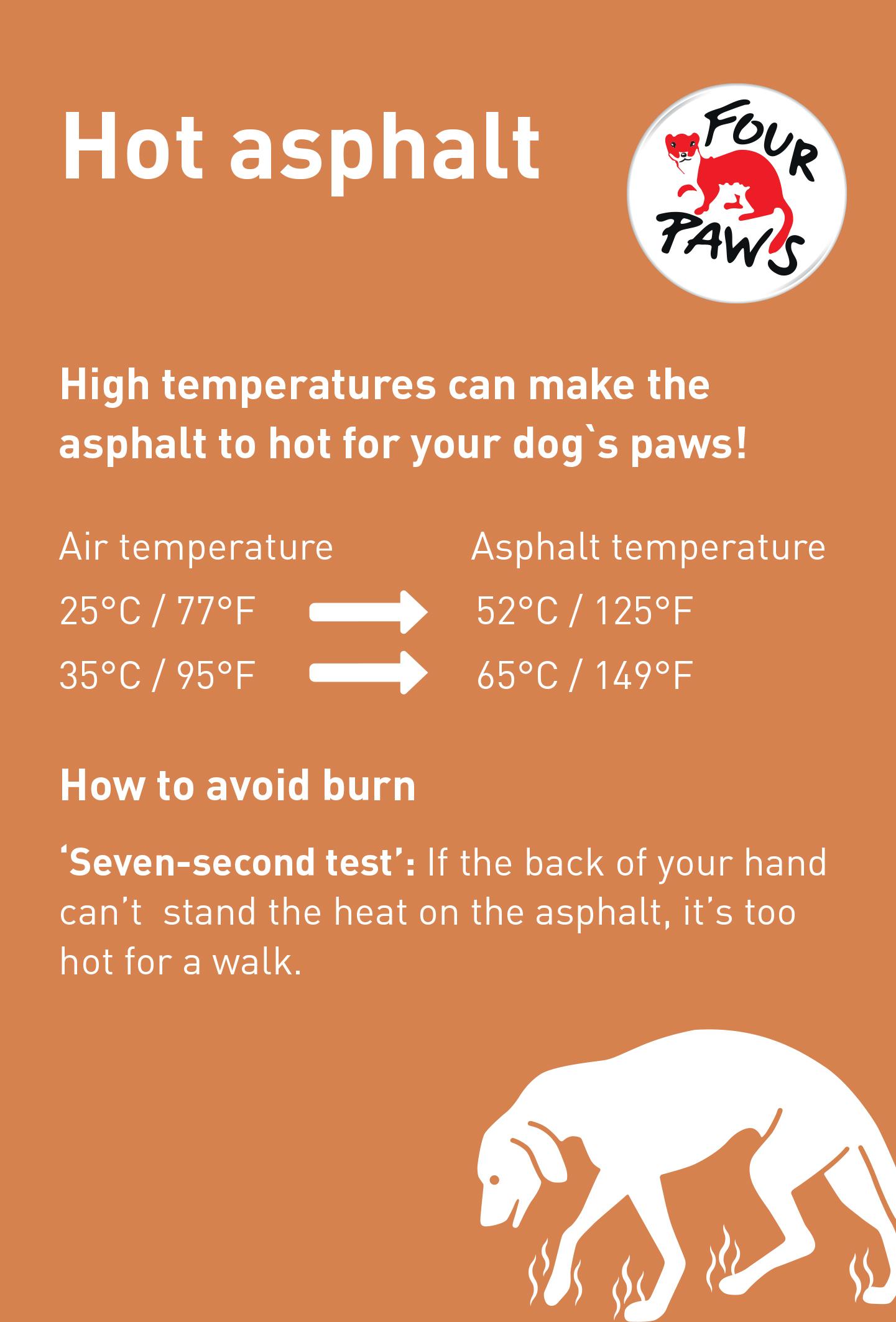
Many owners focus on air temperature, but the surface under a dog’s feet is the more important measurement. Pavement exposed to direct sunlight may be dozens of degrees hotter than the surrounding air.
Humidity, cloud cover, wind, surface color, and the amount of sunlight all influence how hot a walking surface becomes.
Source: media.4-paws.org
Sunny days
Direct sunlight significantly increases pavement temperature.
Dark surfaces
Absorb more heat and become hotter than lighter-colored materials.
Limited shade
Raises the risk of paw burns during daytime walks.
Typical Summer Risk Conditions
The greatest risk occurs during mid-afternoon when both air temperature and solar exposure are near their daily peak.
Peak danger
Late morning through late afternoon on sunny days.
How to Check Whether Pavement Is Safe
The easiest field test is the seven-second hand test. Place the back of your hand on the pavement. If you cannot comfortably keep it there for seven seconds, the surface is likely too hot for your dog.
An infrared thermometer provides a more accurate reading and is useful during periods of extreme heat.
Source: iloveveterinary.com
Seven-second test
Quick and practical before every walk.
Infrared thermometer
Measures actual surface temperature.
Observe your dog
Reluctance to walk may indicate surface discomfort.
Signs the Surface Is Too Hot
Dogs often react immediately when pavement becomes painful. Behavioral changes can provide an early warning.
Lifting paws
Frequently shifting weight between feet.
Seeking shade
Moving toward grass or cooler surfaces.
Signs of Burned or Injured Dog Paw Pads
Heat injuries can range from mild irritation to serious burns. Early recognition improves comfort and may prevent complications.
Dogs with burned paws often limp, lick their feet excessively, or refuse to continue walking.
Source: dogtipper.com
Redness
One of the earliest signs of heat damage.
Blisters
Indicate more severe injury requiring veterinary attention.
Peeling pads
May occur after significant heat exposure.
When to Contact a Veterinarian
Seek veterinary care if you notice open wounds, bleeding, severe limping, swelling, or signs of infection.
Emergency signs
Deep burns, severe pain, or inability to walk normally.
How to Protect Your Dog During Hot Weather Walks
The safest strategy is prevention. Adjusting walking times and routes can dramatically reduce the risk of paw injuries.
Many dogs can enjoy summer exercise safely when owners plan around heat conditions and choose cooler surfaces.
Source: equinechronicle.com
Walk early
Morning temperatures are usually much lower.
Choose grass
Grass often remains cooler than asphalt and concrete.
Use dog boots
Protect paw pads from hot surfaces.
Stay hydrated
Bring water during warm-weather activities.
Best Summer Walking Times
Early morning and evening walks generally offer the safest conditions because pavement has had time to cool.
Morning walks
Usually provide the coolest pavement temperatures.
Evening walks
Can be safer after the surface has released stored heat.
Common Mistakes Dog Owners Make
A common mistake is assuming that comfortable air temperatures automatically mean safe walking conditions. Surface temperature can tell a very different story.
Another mistake is waiting until a dog shows signs of pain. By that point, paw damage may already have occurred.
Source: images.squarespace-cdn.com
Ignoring surface temperature
Air temperature alone is not a reliable safety measure.
Walking at midday
Often exposes dogs to the hottest pavement conditions.
Skipping paw checks
Can delay detection of injuries.
Safer Alternatives
Indoor exercise, shaded trails, and grassy parks can provide activity without exposing paws to excessive heat.
Indoor play
Useful during extreme heat advisories.
Frequently Asked Questions
Q
Can dogs walk on pavement when it is 85°F outside?
Possibly, but caution is needed. Pavement temperatures can exceed 130°F on sunny 85°F days, making surface checks essential before walking.
Q
Do dog paw pads naturally protect against heat?
Dog paw pads provide some protection, but they are not immune to burns. Excessive heat can still damage the skin and underlying tissues.
Q
Are sidewalks safer than asphalt roads?
Concrete sidewalks are often slightly cooler than asphalt, but both can become dangerously hot during summer afternoons.
Q
Should puppies avoid hot pavement?
Yes. Puppies may have more sensitive paws and less experience avoiding hot surfaces, making them especially vulnerable to burns.
Q
What should I do if my dog’s paws get burned?
Move your dog to a cool area immediately, rinse paws with cool water, avoid ice, and contact a veterinarian if there are blisters, peeling skin, severe pain, or limping.
✦ Wrapping Up
Conclusion
Knowing how hot is too hot for dog paws can prevent painful injuries and make summer walks safer. Pavement temperature matters more than air temperature, and even moderately warm days can create hazardous walking surfaces.
Check the ground before every walk, choose cooler times of day, and watch your dog’s behavior closely. Small precautions can make a significant difference in paw health and comfort.
💡 Key Takeaway
Before every warm-weather walk, perform the seven-second hand test and choose shaded or grassy routes whenever possible.
Learn how to protect a dog’s injured paw with safe home care, bandaging guidance, activity limits, warning signs, and tips for keeping the injury clean and protected.
Learn how to keep dog’s paws from getting muddy with proven strategies, paw protection methods, grooming tips, and easy cleanup routines for cleaner homes and healthier paws.
Learn how to remove a bandage from a dog paw safely, including preparation, step-by-step removal, wound checks, stuck bandages, and signs that require veterinary care.
Learn how to clean muddy dog paws safely and effectively. Follow simple steps, prevent muddy messes, protect paw health, and keep your home cleaner after walks.