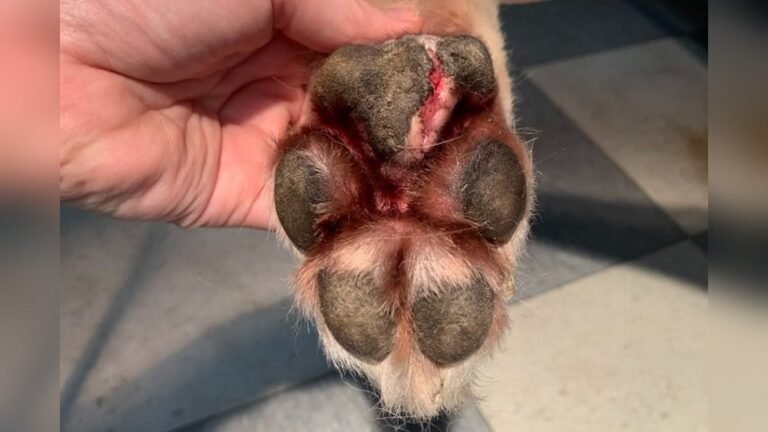
Yes, Aquaphor can be used on dogs paws in many cases, but it should be applied sparingly and only to healthy or mildly irritated skin.
Across the United States, dogs regularly walk on hot pavement, rough sidewalks, salted winter roads, and dry outdoor surfaces that can leave paw pads cracked or irritated. Many pet owners wonder whether a common household skin protectant such as Aquaphor can help soothe and protect those paws.
In most situations, Aquaphor can be applied to mildly dry or cracked paw pads because it forms a protective barrier that helps retain moisture. However, it is not a cure for infections, deep wounds, severe burns, or ongoing skin conditions. Dogs that repeatedly lick treated paws may also remove the product before it can provide much benefit.
Source: media.beehiiv.com
What Is Aquaphor and Why Is It Used on Dog Paws?
Aquaphor is a skin protectant ointment that contains ingredients designed to lock moisture into the skin. It is commonly used by people for dry, cracked, or irritated skin.
When applied to a dog’s paw pads, Aquaphor creates a protective barrier that can reduce moisture loss and help support the skin’s natural healing process. This makes it useful for minor dryness and superficial cracking.
Source: healthy-happy-dogs.com
Moisture retention
Helps reduce water loss from dry paw pads.
Protective barrier
Creates a temporary shield against environmental irritation.
Supportive care
May help comfort mildly rough or cracked paw pads.
What Aquaphor Does Not Do
Aquaphor is not an antibiotic, antifungal medication, or pain treatment. It should not replace veterinary care when a dog has an infection, deep wound, severe swelling, or persistent paw problems.
Not a medication
It protects skin but does not treat underlying disease.
When Aquaphor Can Help a Dog’s Paw Pads
Aquaphor is most useful when paw pads are dry, rough, or mildly cracked. Environmental exposure often contributes to these issues, especially during winter and summer.
Dogs that spend time on abrasive surfaces may develop thickened or dry paw pads. A thin layer of Aquaphor can help improve comfort while supporting skin hydration.
Source: servedogs.com
Winter dryness
Cold weather and road salt can dry out paw pads.
Hot weather
Heat and dry surfaces may contribute to cracking.
Minor irritation
Can provide a protective layer for mildly irritated skin.
Signs It May Be Appropriate
Mild flaking, rough texture, and superficial cracks are common reasons owners use Aquaphor on paw pads.
Surface dryness
Paw pads look dry but are not bleeding or infected.
How to Apply Aquaphor to Dog Paws Safely
Start by cleaning the paws with lukewarm water and gently drying them. Dirt and debris can interfere with the ointment’s protective effect.
Apply a thin layer of Aquaphor to the affected paw pads. Using too much can make paws slippery and increase licking.
Source: thelabradorsite.com
Clean first
Remove dirt, salt, and debris before application.
Use a thin layer
A small amount is usually sufficient.
Allow absorption
Keep the dog calm for several minutes after application.
Reducing Licking
Many owners apply Aquaphor before bedtime or use dog socks for a short period to allow the product time to absorb.
Supervision
Monitor your dog after application when possible.
When You Should Not Use Aquaphor on Dog Paws
Aquaphor is not appropriate for every paw problem. Deep cuts, severe burns, infected wounds, and significant swelling require professional evaluation.
If a dog is limping, bleeding, or showing signs of pain, a veterinarian should determine the cause rather than relying on a moisturizing ointment.
Source: dogster.com
Deep wounds
Require proper veterinary treatment.
Infections
Need diagnosis and targeted therapy.
Severe burns
Can worsen without prompt care.
Warning Signs
Persistent redness, discharge, foul odor, excessive licking, and worsening pain should not be ignored.
Seek veterinary advice
If symptoms continue or worsen.
Aquaphor Versus Other Paw Care Options
Aquaphor is a skin protectant rather than a specialized pet paw product. Some dog-specific paw balms are designed to resist licking and provide longer-lasting protection.
The best option depends on the severity of the problem, your dog’s activity level, and whether the issue is simple dryness or a medical condition.
Source: cdn.sanity.io
Aquaphor
Useful for moisture retention and minor dryness.
Paw balms
Often formulated specifically for canine paw care.
Veterinary treatment
Necessary for injuries, infections, or chronic issues.
Choosing the Right Approach
If the problem is mild dryness, Aquaphor may be sufficient. More serious symptoms should be evaluated by a veterinarian.
Match treatment to severity
Minor dryness and major injuries require different solutions.
Frequently Asked Questions
Q
Can dogs lick Aquaphor off their paws?
Small amounts are generally unlikely to cause serious problems, but excessive licking can lead to digestive upset and reduce the product’s effectiveness. Preventing repeated licking is recommended.
Q
How often can I put Aquaphor on my dog’s paws?
Many owners apply a thin layer once or twice daily for mild dryness. The exact frequency depends on the condition of the paw pads and veterinary guidance.
Q
Can Aquaphor heal cracked dog paws?
Aquaphor can help protect and moisturize mild cracks, but it does not directly heal underlying injuries or infections. Severe cracks may require veterinary treatment.
Q
Is Aquaphor safe for puppies?
Aquaphor is often used on minor skin dryness in dogs, including puppies, but young dogs are more likely to lick products off their paws. Consult a veterinarian if you are unsure.
Q
What should I do if my dog’s paws stay dry despite treatment?
Persistent dryness may indicate allergies, infections, environmental irritation, or another medical issue. Schedule a veterinary examination if symptoms continue.
✦ Wrapping Up
Conclusion
The answer to can you put aquaphor on dogs paws is generally yes when the goal is to moisturize and protect mildly dry or cracked paw pads. Used correctly, it can help support skin hydration and comfort.
Aquaphor should not replace veterinary care for infections, deep wounds, burns, or persistent paw problems. Monitoring your dog’s paws regularly remains one of the best ways to prevent more serious issues.
💡 Key Takeaway
Clean your dog’s paws, apply a thin layer of Aquaphor to mildly dry paw pads, and consult a veterinarian if symptoms are severe, painful, or do not improve.
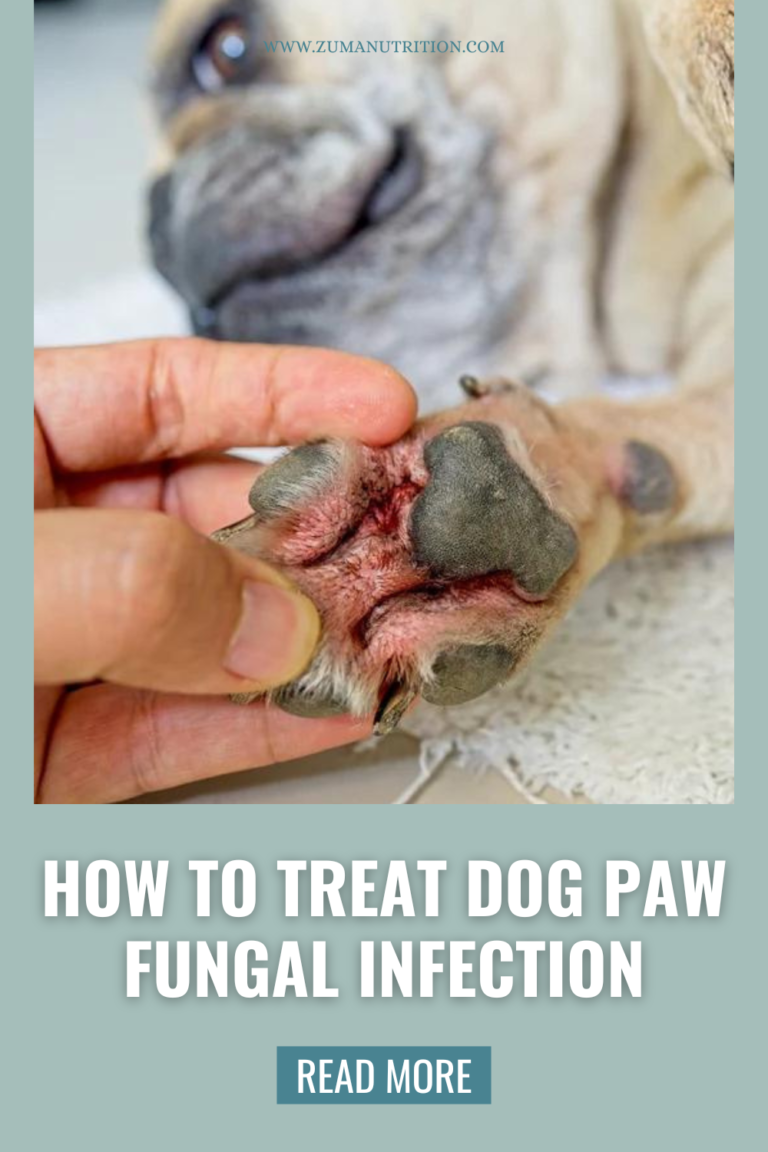
Learn how to treat dog paw fungus, recognize yeast and fungal infection signs, understand veterinary treatment, and prevent recurring paw problems safely.
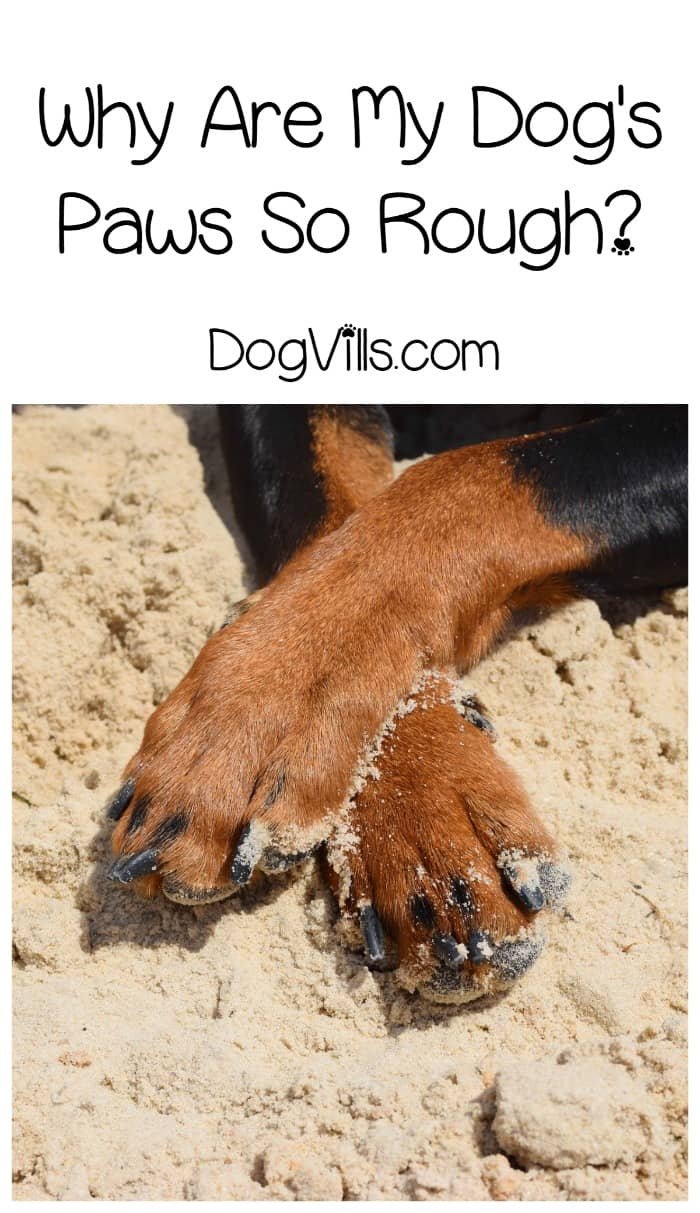
Learn why your dog’s paws may be rough, dry, or cracked, from normal paw-pad wear to allergies, irritation, injury, and hyperkeratosis, plus safe care tips.
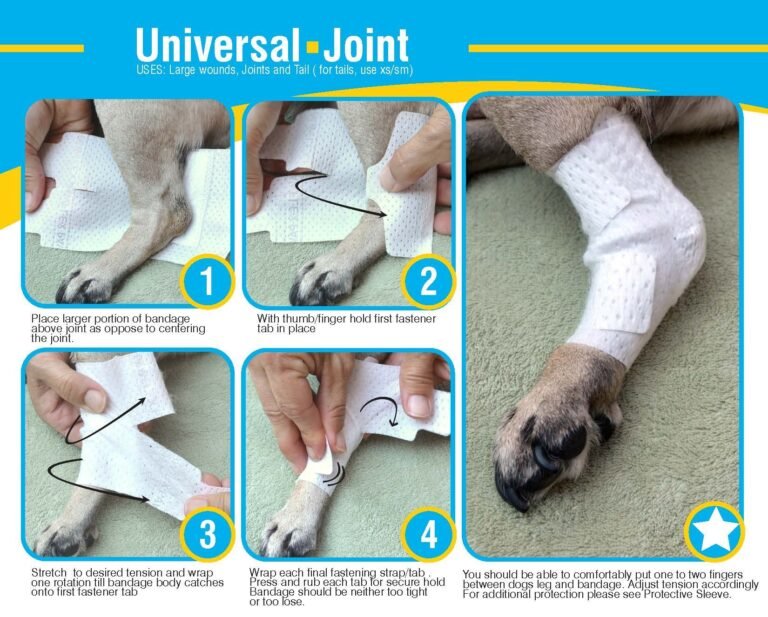
Learn what to do when a dog’s paw swells under a bandage, how to recognize circulation problems, when to contact a veterinarian, and how to prevent a bandage from becoming too tight.