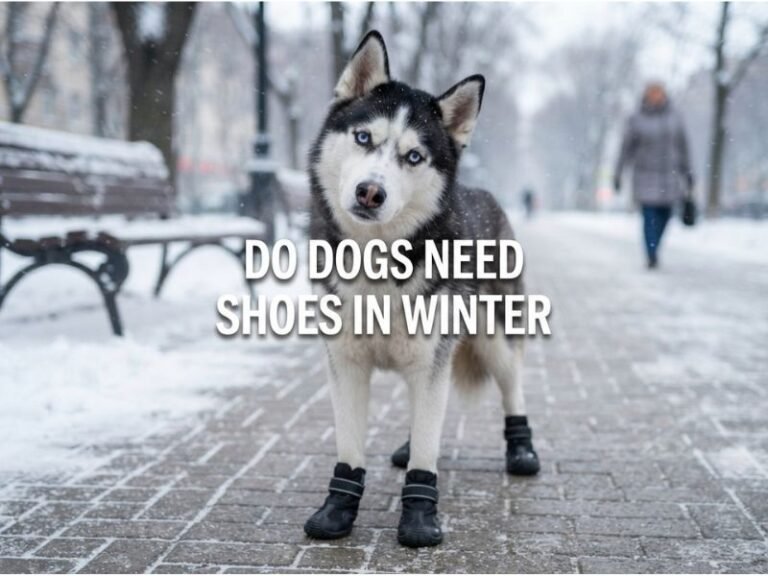
Do Dogs Need Boots for Snow: What to Know and Why It Matters
Many people assume every dog needs boots as soon as snow appears. In reality, some dogs handle short walks on clean, powdery snow with bare paws, while others quickly develop painful ice balls, cracked pads, or irritation from road salt.
Do dogs need boots for snow depends on more than the temperature. I look at the dog’s coat, paw condition, activity level, exposure time, snow and ice conditions, and whether sidewalks have been treated with chemicals.
This guide explains when boots are useful, how to choose and fit them, how to introduce them safely, and what to do if a dog refuses to wear them. It also covers signs of cold injury and practical alternatives for dogs that cannot tolerate footwear.
Do Dogs Need Boots for Snow?
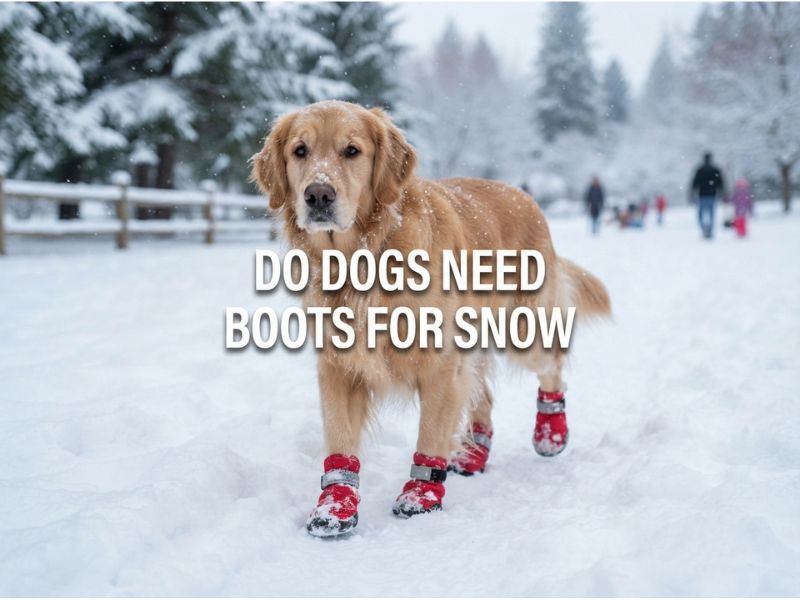
Dogs do not automatically need boots for every snowy walk A healthy dog with durable paw pads may be comfortable during a brief outing on fresh dry snow.
Boots create a physical barrier between the paw and the environment They can help prevent snow from packing between the toes reduce contact with ice-melting chemicals protect paw.
My practical answer is simple boots are optional protection for some winter outings but they are an important safety tool for many dogs I would not use the.
Why Snow and Ice Can Hurt a Dog’s Paws
A dog’s paw pads are tough, but toughness does not make them immune to cold, moisture, abrasion, or chemicals. Winter problems usually come from several hazards acting together rather than from snow alone.
Snow and ice buildup
Wet snow can collect in the hair between a dog’s toes and harden into compact ice balls. These clumps pull on the skin, press against the paw, and make walking painful. Dogs with long hair around their feet are especially prone to this problem.
Deep snow can also force a dog to lift the paws repeatedly and place extra stress on the legs. A dog may appear excited at first, then begin walking stiffly or stopping as the snow becomes heavier and wetter.
Frozen and uneven surfaces
Hard-packed snow and rough ice can scrape or split paw pads. Sharp edges hidden beneath soft snow may cause small cuts that are difficult to notice until the dog starts licking a foot or limping.
Frozen ground also removes much of the cushioning that dogs get from softer surfaces. A fast-moving dog can bruise a pad or strain a toe while running across uneven ice.
Road salt and de-icing chemicals
Rock salt and other de-icers can irritate the skin between the toes A dog may also lick residue from the paws after a walk The risk depends on.
Some ice-melting products are labeled pet-friendly, but that label does not mean they are harmless when eaten in large amounts. I still wipe or rinse paws after walking on treated sidewalks.
Cold injury
Dogs can develop frostbite when tissue freezes, particularly on exposed areas such as paw pads, ear tips, and tails. The risk rises with very low temperatures, wind, wet fur, restricted circulation, and prolonged exposure.
Hypothermia is another concern. Small dogs, puppies, senior dogs, underweight dogs, and dogs with short or thin coats may lose body heat faster than a large, well-insulated dog. Boots protect paws, but they do not replace a coat, a shorter outing, or indoor shelter when conditions are dangerous.
Which Dogs Benefit Most From Snow Boots?
Individual tolerance varies considerably Breed stereotypes can provide a rough starting point but they should never override what a specific dog is showing A thick-coated northern breed may.
Dogs with sensitive or vulnerable paws
Boots may help dogs with naturally thin pads, recurring cracks, allergies, or skin irritation between the toes. They can also protect a paw that is recovering from a minor injury, provided the boot is appropriate and a veterinarian has approved outdoor activity.
Dogs with arthritis or other mobility problems may benefit from boots with a secure, non-slip sole. Better traction can reduce slipping on ice, but an uncomfortable or poorly fitted boot can make movement worse.
Small, short-haired, and senior dogs
Small dogs often stand closer to the cold ground and may lose body heat quickly. Short-haired dogs have less insulation around the legs and feet. Senior dogs may have reduced circulation, slower movement, or health conditions that make cold exposure more difficult.
These dogs may need boots sooner than a larger, active dog, but clothing and limited exposure may be just as important. If a dog is shivering, lifting multiple paws, or trying to return home, I would end the walk rather than trying to solve the problem with boots alone.
Dogs spending extended time outdoors
Boots are particularly useful for winter hiking, snowshoeing, sledding activities, search work, or long outdoor play. The longer the exposure, the more likely that moisture, friction, ice, and chemicals will cause trouble.
For extended outings, I recommend carrying a spare pair. A boot can become wet, lost, or packed with snow, and continuing with one unprotected paw can create an uneven gait.
Dogs walking on treated sidewalks
Urban dogs often face more salt and de-icer than dogs walking through a clean backyard or wooded trail. Boots reduce direct contact with these substances and make cleanup easier. They are not a substitute for checking the paws, because grit can still enter around the boot opening.
When Boots May Not Be Necessary
A dog may manage a short walk without boots when the snow is clean the surface is not sharp or icy the air is not dangerously cold and.
That does not mean a dog s paws need no care After the walk I check between the toes and around the pads remove ice or debris and.
Boots may be unnecessary for a quick bathroom break in a familiar yard particularly if the ground is free of chemicals and the dog returns indoors promptly I would be more cautious with puppies senior dogs dogs.
How to Tell if a Dog Is Too Cold
There is no single temperature that is safe for every dog. Wind, humidity, wet fur, activity, body size, age, health, and acclimation all affect cold tolerance. A dog that is comfortable at one temperature may struggle in a wet, windy storm.
Watch for these behavioral and physical warning signs:
- Repeatedly lifting one or more paws
- Refusing to walk, lagging behind, or trying to turn home
- Whining, trembling, shivering, or appearing unusually anxious
- Hunched posture, tucked tail, or stiff movement
- Excessive paw licking or chewing during the walk
- Redness, swelling, cracks, bleeding, or pale-looking paw tissue
- Weakness, confusion, extreme sleepiness, or difficulty walking
Repeated paw lifting can mean cold ice buildup a cut or chemical irritation It is not a behavior to ignore I would bring the dog inside inspect the.
Signs such as weakness, confusion, collapse, severe pain, blistering, dark or gray tissue, or persistent shivering require prompt veterinary attention. Frostbite may not look severe immediately, so a professional should evaluate suspicious changes.
How to Choose Dog Boots for Snow
The best boot is not necessarily the thickest or most expensive model. It should fit securely, keep moisture out, provide useful traction, and allow natural movement without rubbing.
Look for a secure fit
A boot that slips off is frustrating and can create a trip hazard. A boot that is too tight can restrict circulation and cause pressure sores. Measure the paw according to the manufacturer’s instructions, usually while the dog is standing with weight on the foot.
Check the width and length rather than relying only on breed or weight. Front and back paws may differ in size, and some brands sell boots individually or in different size combinations.
The closure should stay fastened without pressing into the leg. After putting the boot on, confirm that the toes can spread naturally and that the top edge does not pinch the skin or trap hair.
Choose weather-appropriate materials
For snow, I look for water-resistant or waterproof construction, insulation suited to the activity, and a flexible sole. A rigid boot may provide protection but can interfere with a dog’s gait. A very thin boot may be comfortable but offer limited defense against sharp ice or rough terrain.
A taller shaft can help keep snow out, especially for dogs with long leg hair. However, the shaft must not rub the ankle or limit normal joint movement.
Prioritize traction
A textured rubber or similar non-slip sole can help on packed snow and ice. Traction is useful, but no boot makes an icy surface completely safe. Dogs can still slide, particularly when running or changing direction quickly.
For senior dogs or dogs with balance problems, slower movement and a cleared walking route remain essential even with good boots.
Consider visibility and maintenance
Reflective details can make a dog easier to see during dark winter evenings. A boot that is easy to clean and dry is also more practical because wet interiors can cause rubbing and skin irritation.
Inspect boots regularly for worn soles, loose stitching, damaged closures, and trapped grit. Replace any boot that has become uneven or no longer stays in place.
How to Get a Dog Used to Wearing Boots
Most dogs do not naturally understand footwear. A dog may walk stiffly, lift the legs high, or freeze the first time boots are applied. That reaction is common and does not necessarily mean boots will never work, but forcing the process can create fear.
- Introduce one boot indoors. Let the dog sniff it, then reward calm interest with a small treat or praise.
- Touch the paw gently. Briefly place the boot against the paw without fastening it, then reward relaxation.
- Fasten one boot for a few seconds. Remove it before the dog becomes distressed.
- Increase the time gradually. Add another boot only after the dog is comfortable with the previous step.
- Practice short indoor walks. Use treats and calm encouragement while watching for rubbing or slipping.
- Move outdoors briefly. Start with a few minutes on a familiar, clean surface before attempting a longer snowy walk.
Many dogs adapt faster when the first sessions are positive and short. I would not wait until a severe storm to begin training. A dog that has learned to wear boots during mild weather is more likely to accept them when winter protection is genuinely needed.
After every early session, remove the boots and inspect the paws. Look for red marks, damp fur, hair caught in the closure, or sensitivity when touching the feet. Any of these signs can indicate a fit or design problem.
What to Do if a Dog Refuses Boots
Some dogs never become comfortable with boots. If the dog repeatedly panics, bites at the footwear, falls, or cannot walk normally, I would stop and reassess rather than holding the boots on longer.
Start by checking the size and shape. The boot may be too narrow, too heavy, too stiff, or positioned incorrectly. Another style may work better, particularly one with a flexible sole, a wider opening, or a different closure.
If boots still fail, combine other forms of protection:
- Keep winter walks shorter and choose clean, low-traffic routes.
- Use a dog-safe paw balm before exposure if the product is appropriate for the dog.
- Trim excess hair between the pads, but avoid cutting the skin or removing too much protective hair.
- Rinse and dry the paws after walks.
- Remove visible ice clumps with lukewarm water rather than pulling them off.
- Use a coat for dogs that need help retaining body heat.
- Provide indoor exercise when wind, ice, or extreme cold makes outdoor activity unsafe.
Paw balm can reduce dryness and create a limited moisture barrier, but it will not fully block salt, sharp ice, or freezing temperatures. A balm should also be labeled for dogs because some human products contain ingredients that are unsafe when licked.
Common Mistakes to Avoid
Putting boots on only when the dog is already uncomfortable
A dog with cold, wet, or irritated paws may resist boots more strongly. Training before winter conditions arrive gives the dog time to learn without the pressure of an urgent outing.
Ignoring the fit after the first few minutes
A boot may seem fine indoors and then twist during movement. Watch the dog walk, check whether the closure stays in place, and inspect the skin after the outing. A limp or altered gait is a reason to remove the boots and investigate.
Leaving boots on too long
Boots are for supervised outdoor protection, not indefinite wear. Moisture and heat can build up inside, particularly if the dog returns indoors and the boots remain on. Remove them inside, dry the paws, and let the feet rest.
Assuming boots solve every winter risk
Boots protect the feet but do not prevent hypothermia, muscle strain, slipping, or exposure to toxic substances that a dog may lick elsewhere. Cold-weather planning still includes a suitable route, supervision, water, rest, and a prompt return indoors.
Using human socks or shoes as a substitute
Human footwear is usually shaped differently from a dog’s paw and may not stay secure. Loose fabric can become wet, gather snow, or create friction. If temporary protection is needed, a purpose-designed dog boot is generally more suitable.
Winter Paw Care After a Snowy Walk
A quick post-walk inspection can identify problems before they become painful. I check the top and bottom of each paw, spread the toes gently, and look between the pads for ice, salt, gravel, redness, or small cuts.
Rinse the paws with lukewarm water if the dog has walked on treated surfaces. Dry carefully, especially between the toes. Moisture trapped in the fur can contribute to irritation and may make ice formation more likely on the next outing.
Do not pull firmly on frozen clumps. Let lukewarm water soften them, then remove them gently. If a dog has a cut, persistent limp, swelling, or repeated licking, limit activity and contact a veterinarian for advice.
Regular nail trims can also improve winter footing. Overgrown nails change how the paw contacts the ground and may make a dog less stable on slippery surfaces. Hair between the pads can be trimmed carefully when it collects snow, but aggressive clipping can expose sensitive skin.
Boots, Paw Balm, or No Footwear?
| Option | Best use | Limitations |
|---|---|---|
| Dog boots | Salt, sharp ice, long outings, snow buildup, and vulnerable paws | Require fitting and training; some dogs will not tolerate them |
| Paw balm | Dry or mildly rough pads and limited exposure | Does not fully block chemicals, ice, or extreme cold |
| No footwear | Brief walks on clean, mild, non-abrasive snow | Requires close monitoring and post-walk cleaning |
These choices are not mutually exclusive. A dog may use balm for a short backyard break and boots for a long walk on salted sidewalks. The right option depends on the conditions and the dog’s response.
I would choose boots when the main concern is physical contact with the ground. I would choose shorter outings, warmth, and indoor rest when the main concern is overall cold exposure. If the dog has a paw disorder or a healing injury, veterinary guidance should come before selecting a product.
Frequently Asked Questions
Do dogs need boots for snow if they have thick fur?
Not always. Thick fur can provide insulation, but it does not prevent salt irritation, sharp ice injuries, or snow packing between the toes. A thick-coated dog may tolerate cold better while still benefiting from boots on treated sidewalks or long outings.
How cold is too cold for a dog’s paws?
There is no universal cutoff that applies to every dog. Paw risk depends on temperature, wind, moisture, surface conditions, exposure time, age, health, and coat type. Repeated paw lifting, limping, shivering, or refusal to walk means the outing should end regardless of the thermometer reading.
Can dogs wear boots on ice?
Yes, boots with flexible, non-slip soles can protect paws and improve traction on some icy surfaces. They cannot eliminate the risk of falling. Keep the dog on a controlled route, avoid running, and supervise closely.
Should a dog wear boots on salted sidewalks?
Boots are often helpful because they reduce direct contact with salt and de-icing chemicals. Choose a secure fit, remove the boots indoors, and rinse the paws if residue may have entered around the opening.
How long can a dog wear snow boots?
A dog can generally wear properly fitted boots for the duration of a supervised outdoor activity, but the paws should be checked afterward. Remove the boots indoors and take them off sooner if the dog limps, chews at them, develops red marks, or seems distressed.
What if my dog keeps taking the boots off?
Check the size, closure, and boot shape first. Practice indoors in short sessions with rewards, then try a different model if necessary. If the dog remains fearful or cannot walk safely, use shorter routes, paw cleaning, and other cold-weather precautions instead of forcing the boots.
Can puppies wear boots in the snow?
Yes, but puppies need gradual training and close supervision. Their paws and temperature regulation may be less prepared for harsh conditions, so short outings are safer. Boots should never be used to justify prolonged exposure to cold.
When should a veterinarian examine a dog’s winter-damaged paw?
Seek veterinary advice for bleeding that does not stop, deep cracks, significant swelling, severe pain, persistent limping, blistering, pale or dark tissue, or symptoms that continue after the paws are warmed and cleaned. Suspected frostbite or chemical ingestion also warrants prompt professional guidance.
Conclusion
So do dogs need boots for snow Some do and some do not Clean shallow snow and a brief walk may be comfortable for a healthy cold-tolerant dog.