Do Dogs Need Shoes for Snow: Key Facts and Helpful Explanations
Many people assume a dog’s fur and tough paw pads make winter protection unnecessary. That is sometimes true for a brief walk in mild, fresh snow—but cold, ice, salt, and hidden hazards can change the answer quickly.
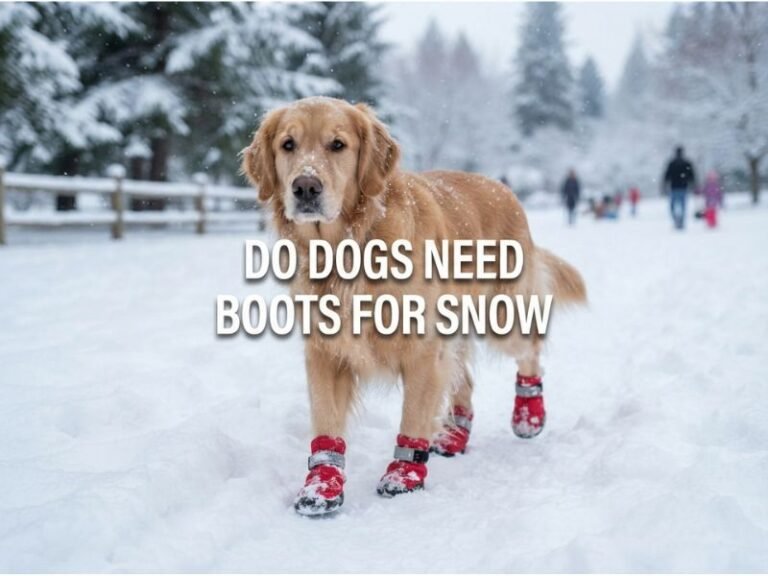
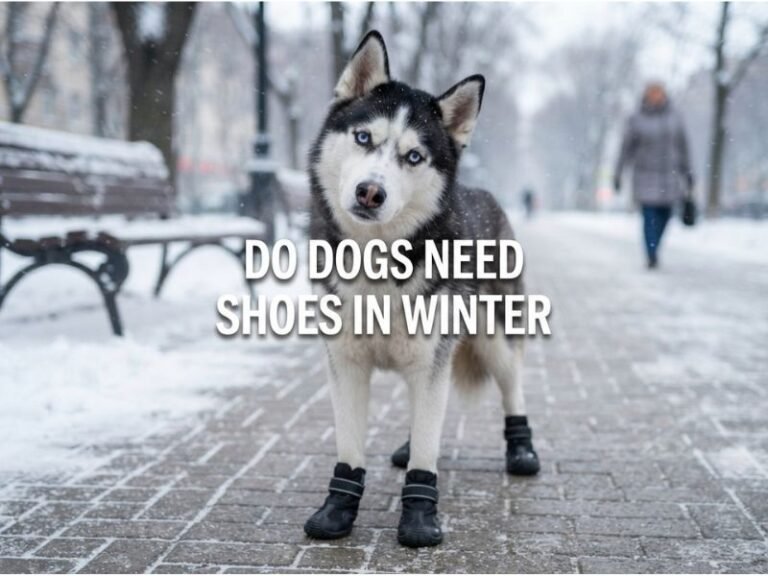
So, do dogs need shoes for snow? Some do, some do not, and many benefit from them only during specific outings. I’ll explain how snow affects paws, which dogs are most vulnerable, how to choose and introduce boots, and when indoor warming or a shorter walk is the safer option.
The goal is not to put winter gear on every dog automatically. It is to recognize discomfort early and match protection to the weather, terrain, activity, and individual dog.
Do Dogs Need Shoes for Snow?
Dogs do not universally need shoes for snow. A healthy dog with tough, well-conditioned paw pads may handle a short walk on clean, soft snow without boots. However, snow is only one part of the winter environment. Ice, packed snow, deicing chemicals, sharp crusts, and freezing temperatures can all injure paws.
In practical terms, shoes are most useful when they protect a dog from a specific problem:
- Ice balls forming between the toes or paw pads
- Road salt and chemical deicers irritating or burning the skin
- Sharp ice cutting paw pads
- Repeated exposure to freezing ground
- Loss of traction on icy sidewalks or trails
- Existing paw cracks, wounds, or post-surgical injuries
A dog that constantly lifts a paw, stops walking, licks the feet, limps, or tries to rub off snow may need protection immediately. Those behaviors are more useful than a general rule based only on breed or temperature.
How Snow and Winter Surfaces Affect Dog Paws
Dog paw pads are durable, but they are not invulnerable. Paw pads contain thick skin designed for contact with the ground, yet prolonged cold and abrasive surfaces can still cause pain and injury. Moisture also matters because wet fur between the toes can freeze and hold ice against the skin.
Cold exposure
Cold ground can reduce sensation in the paws. A dog may continue walking even while the feet are becoming painfully cold, particularly when excitement or exercise masks discomfort. Longer exposure can contribute to frostbite, especially in small dogs, thin-coated dogs, puppies, seniors, and dogs with health conditions that affect circulation.
Frostbite may cause pale, gray, bluish, hard, or unusually cold skin at first. Later, the area may swell, become painful, blister, or turn dark. A suspected case requires prompt veterinary advice. I would not massage a frozen paw or apply direct heat, because aggressive warming can worsen tissue damage.
Ice and frozen snow
Fresh powder is usually softer than old, compacted snow. As snow melts and refreezes, it can become rough and sharp. Crusty snow may cut the paw pad or scrape the skin between the toes. Hard-packed snow can also create pressure points during a long walk.
Some dogs develop snowballs—small, hard clumps of frozen snow that gather in the hair between the toes. Snowballs can pull at the skin, spread the toes uncomfortably, and make every step painful. Long-haired paws and heavily feathered legs are particularly prone to this problem.
Salt and deicing products
Deicers used on roads and sidewalks can dry and irritate paw pads. A dog may also ingest salt or chemicals by licking the feet after a walk. The risk depends on the product and amount, but vomiting, diarrhea, excessive thirst, weakness, or unusual behavior after exposure deserves immediate veterinary guidance.
Boots create a barrier between the paw and treated pavement. If boots are not practical, I recommend avoiding visibly salted routes, rinsing paws with lukewarm water after the walk, and drying carefully between the toes.
Which Dogs Benefit Most From Snow Boots?
The individual dog matters more than a simple breed list. Still, certain dogs are more likely to benefit from winter footwear.
- Small dogs: Their bodies and paws can lose heat quickly, and their bellies may drag through deep snow.
- Short-haired or thin-coated dogs: These dogs often have less insulation around the legs and feet.
- Toy breeds: Small paws may have difficulty crossing deep snow, icy sidewalks, and packed trails.
- Senior dogs: Arthritis, reduced circulation, and slower movement can make cold surfaces harder to tolerate.
- Puppies: Young dogs may have less cold tolerance and may not communicate discomfort clearly.
- Dogs with allergies or sensitive skin: Snow, salt, and wet conditions can worsen inflammation.
- Dogs with paw injuries: Protective footwear can help keep a healing paw clean, but only if a veterinarian approves the design and use.
- Working and athletic dogs: Long outings increase exposure to cold, ice, and abrasion even when a dog seems eager to continue.
Cold-tolerant breeds may manage snow well, but no breed is automatically protected from salt burns, ice cuts, or frostbite. A thick coat also does not guarantee that the paws, ears, or tail are safe.
Signs Your Dog May Need Paw Protection
Dogs often show discomfort through movement and behavior before a paw looks visibly injured. I pay close attention to changes that appear during the walk, not only after returning home.
- Lifting one or more paws repeatedly
- Stopping, refusing to continue, or trying to turn home
- Walking stiffly or with a shortened stride
- Licking, chewing, or biting the feet
- Shaking the legs or repeatedly looking down
- Whining, limping, or avoiding icy ground
- Visible cracks, bleeding, redness, swelling, or discoloration
- Snow or ice clumps trapped between the toes
A dog that suddenly refuses a familiar route may not be stubborn. The pavement may be colder, more heavily salted, or more icy than it was earlier. If symptoms continue indoors, inspect the paws under good light and contact a veterinarian for persistent limping, bleeding, significant pain, swelling, or suspected frostbite.
Dog Boots Versus Paw Balm
Boots and paw balm solve different problems. Boots provide a physical barrier and can improve traction, while balm supports the skin but does not fully block sharp ice or chemical deicers.
When boots are the better choice
Choose boots for long walks, icy trails, heavily salted sidewalks, deep snow, or dogs that repeatedly develop snowballs. Boots are also useful for dogs with paw injuries when a veterinarian has recommended external protection.
A boot must stay secure without squeezing the paw. A loose boot can fall off or twist, while an overly tight boot can restrict circulation and cause rubbing. Waterproof or water-resistant materials are helpful, but breathability still matters because trapped moisture can irritate the skin.
When balm may be enough
A dog accustomed to cold weather may do well with a veterinarian-approved paw balm for a brief walk on clean snow. Balm can reduce dryness and friction, but it should not be treated as a substitute for boots in harsh conditions.
Only use a product labeled for dogs or specifically cleared by a veterinarian. Some human creams, essential oils, fragrances, and medicated products can be unsafe if swallowed. Apply a thin layer rather than coating the paw heavily, because excess product can make the surface slippery.
Using both
For a long winter outing, a thin protective balm under properly fitted boots may help reduce dryness and friction. The feet must be clean and dry before application, and boots should be removed periodically during extended activity so the paws can be checked.
How to Choose Safe Snow Boots for a Dog
The best boot is not necessarily the thickest or most expensive one. Fit, flexibility, traction, and the dog’s willingness to use it are more important.
Measure carefully
Follow the manufacturer’s directions, because sizing systems differ. In many cases, the paw should be measured while the dog is standing and bearing weight. Measure the widest part of the paw and compare the result with the brand’s chart.
Check the front and rear paws separately if the manufacturer provides different sizing guidance. A boot that fits the front feet may not fit the rear feet properly. The boot should cover the paw without forcing the toes together, and the closure should sit above the wrist or ankle joint without cutting into the leg.
Look for useful features
- Flexible soles that allow natural movement
- Textured tread for traction
- Secure, adjustable closures
- Reflective details for dark winter walks
- Water-resistant construction for wet snow
- Soft interior surfaces that reduce rubbing
- A shape that does not interfere with the dewclaw
Very rigid boots can make a dog walk awkwardly. Very thin fabric boots may work for light snow but provide limited protection from sharp ice. Match the construction to the actual route rather than buying based on appearance alone.
How to Get a Dog Used to Wearing Boots
Most dogs dislike boots at first because the sensation is unfamiliar. Trying to put all four boots on immediately before a walk often creates a struggle and teaches the dog to fear the equipment.
- Start indoors. Let the dog sniff the boots, and reward calm interest without putting them on.
- Touch one paw at a time. Briefly handle the paw, then offer praise or a treat.
- Put on one boot. Leave it on for only a few seconds, remove it, and reward relaxed behavior.
- Increase the time gradually. Add another boot only when the dog is comfortable with the previous step.
- Practice short indoor walks. Use treats and a calm voice rather than forcing the dog forward.
- Move outdoors briefly. Start on a clean, familiar surface before attempting snow or ice.
Some dogs lift their feet dramatically or walk stiffly for the first few minutes. That can be normal, but panic, persistent freezing, frantic chewing, or obvious pain means the process is moving too quickly or the fit is wrong. I would remove the boots, check the paws, and try again later with a shorter session.
Before every winter walk, inspect the closures and soles. During the walk, watch for a boot twisting, slipping, collecting snow, or causing an unusual gait. Afterward, remove each boot and examine the skin for redness, dampness, hair matting, or pressure marks.
Winter Paw-Care Routine
Boots are only one part of cold-weather care. A simple routine before and after each outing can prevent many minor problems.
Before going outside
- Trim excess hair between the paw pads if it traps snow, but avoid cutting the skin or trimming too aggressively.
- Check for existing cracks, cuts, sores, or redness.
- Apply a suitable paw balm if recommended and appropriate for the conditions.
- Choose a route with less salt and fewer sharp ice patches.
- Bring a towel for wet paws and a backup boot if the walk will be long.
After returning inside
- Remove boots promptly and inspect all four paws.
- Rinse away salt and chemicals with lukewarm water when necessary.
- Dry between the toes and around the pads.
- Remove any packed snow or ice gently.
- Check for limping, cracks, bleeding, swelling, or unusual licking.
Never pull a firmly attached ice clump aggressively. Warm water can help loosen it. Avoid using a hair dryer on a hot setting, a heating pad, or another direct heat source on cold paws. Gentle warming and veterinary advice are safer if the feet appear numb or damaged.
How Long Can a Dog Walk in Snow?
There is no universal safe time because tolerance depends on temperature, wind, moisture, snow depth, surface type, coat, body size, age, health, and activity level. A short potty break is very different from an hour-long hike.
I recommend starting with a shorter outing than usual when conditions change. Watch the dog continuously rather than assuming a boot makes the walk unlimited. Boots protect the feet, but they do not prevent hypothermia or cold exposure elsewhere on the body.
End the walk if the dog shivers persistently, becomes weak, seems confused, moves unusually slowly, or seeks shelter. Pale or cold gums, collapse, or severe lethargy require urgent veterinary attention. Small dogs, puppies, seniors, and dogs with medical conditions may need frequent indoor breaks even when they appear enthusiastic.
Deep snow creates another limitation. A dog may work much harder to move through it, especially if the snow reaches the chest or belly. That effort can cause fatigue and body heat loss. Choose a cleared route or shorten the outing rather than relying only on paw protection.
Common Mistakes to Avoid
Assuming a dog’s breed determines everything
A cold-weather breed may tolerate snow better than a short-haired breed, but breed is not a guarantee. Age, health, conditioning, wind, moisture, and pavement treatment can change the risk on any given day.
Putting boots on without checking the fit
Boots that look secure may still rub the dewclaw, squeeze the toes, or twist under the paw. A dog’s unusual gait is a reason to stop and inspect, not a behavior to ignore.
Testing new boots on a long hike
Even a well-fitted boot may cause rubbing during the first few uses. Begin with short sessions and bring an alternative plan. A gradual introduction is safer than discovering a fit problem miles from home.
Using human products without checking ingredients
Dogs lick their paws, so any topical product can be swallowed. Avoid unapproved pain creams, products containing potentially toxic ingredients, and strongly fragranced treatments. Ask a veterinarian before using medicated products on cracked or inflamed skin.
Ignoring the ground after the snow melts
Wet pavement, salt residue, slush, and hidden gravel can remain irritating even when the snow looks harmless. Paw care still matters during thawing conditions.
Assuming boots replace supervision
A dog can still become too cold, overexerted, or injured while wearing boots. Check the feet during longer outings and pay attention to behavior from start to finish.
When to Call a Veterinarian
Minor dryness may improve with protection and routine care, but certain signs should not be managed at home indefinitely. Contact a veterinarian if a dog has:
- Persistent limping or refusal to bear weight
- Bleeding that does not stop with gentle pressure
- Deep cracks, open wounds, blisters, or exposed tissue
- Marked swelling, darkening, pale skin, or loss of sensation
- Repeated licking that causes further damage
- Possible frostbite or chemical exposure
- Vomiting, diarrhea, weakness, or excessive thirst after licking deicer
Veterinary advice is especially important for a dog with diabetes, circulation problems, immune disease, severe allergies, or a recent paw procedure. Those conditions can alter healing and cold tolerance.
FAQ: Dogs, Shoes, and Snow
Do all dogs need boots in the snow?
No. A healthy, acclimated dog may be comfortable on a short walk through clean, soft snow without boots. Boots become more valuable when snow is icy, the route is salted, the walk is long, or the dog shows signs of paw discomfort.
Can dogs walk on snow without shoes?
Many can, especially for brief periods and in moderate conditions. Monitor for paw lifting, licking, snowballs, limping, or a sudden desire to go home. Those signs indicate that the dog needs a break, paw protection, a different route, or a shorter outing.
Are dog boots necessary for salt-covered sidewalks?
They are not the only option, but boots offer strong protection from salt and deicing chemicals. If a dog will not tolerate boots, avoid treated sidewalks when possible, rinse the paws after the walk, dry between the toes, and prevent licking until the feet are clean.
Do dogs need shoes for ice?
Ice increases the value of protective footwear because it can be sharp, abrasive, cold, and slippery. Boots with flexible, textured soles may reduce cuts and improve traction, although they cannot eliminate the risk of slipping on smooth ice.
How can I tell if dog boots fit correctly?
The dog should be able to stand and walk without persistent stiffness, rubbing, or toe compression. The boot should stay in place without twisting, the closure should not leave marks, and the paw should remain warm and dry without excessive moisture. Check the skin after each early use.
Can puppies wear snow boots?
Yes, but puppies should be introduced to boots gradually and supervised closely. Their paws and bodies may be more sensitive to cold, and their behavior may not reliably show discomfort. Keep early winter outings short.
What should I do if ice gets stuck between my dog’s toes?
Move indoors and gently loosen the ice with lukewarm water. Do not yank it out or use high heat. Dry the paw carefully and look for cuts or redness. If the dog remains painful or will not bear weight, contact a veterinarian.
Are socks a substitute for dog boots in snow?
Ordinary socks usually provide limited protection because they become wet, slip, and offer little traction. Specialized dog socks may help indoors or under boots, but they should fit properly and be checked often for bunching and dampness.
Conclusion
So, do dogs need shoes for snow? Not every dog needs them for every winter walk, but boots can be an important safeguard against ice, salt, snowballs, sharp surfaces, and prolonged cold. I would base the decision on the dog’s behavior, paw condition, route, weather, and planned activity. Start with a proper fit, introduce boots slowly, inspect the paws afterward, and shorten the outing whenever the dog shows discomfort or cold stress.