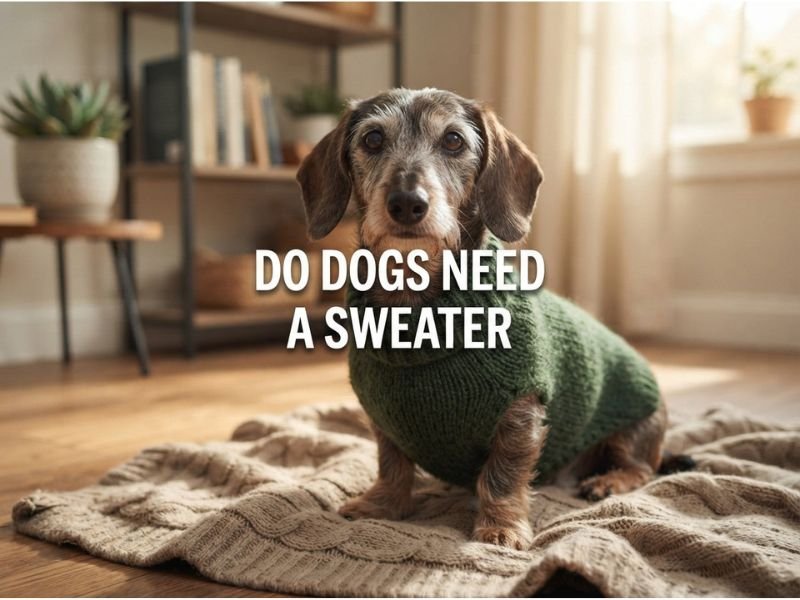
Do Dogs Need a Sweater: Essential Answers and Practical Guidance
Cold weather affects dogs differently, and a sweater can be helpful for one dog while being unnecessary, uncomfortable, or even unsafe for another. Coat type, body size, age, health, wind, moisture, and activity all matter more than the calendar alone.
If you have wondered do dogs need a sweater the most useful answer is conditional some dogs benefit from extra insulation but no dog should be dressed automatically.
The goal is not to make a dog tolerate clothing for appearance. It is to keep a dog comfortable, dry, mobile, and safe during cold-weather activities while respecting the protection provided by the dog’s own coat.
Do dogs need a sweater in cold weather?
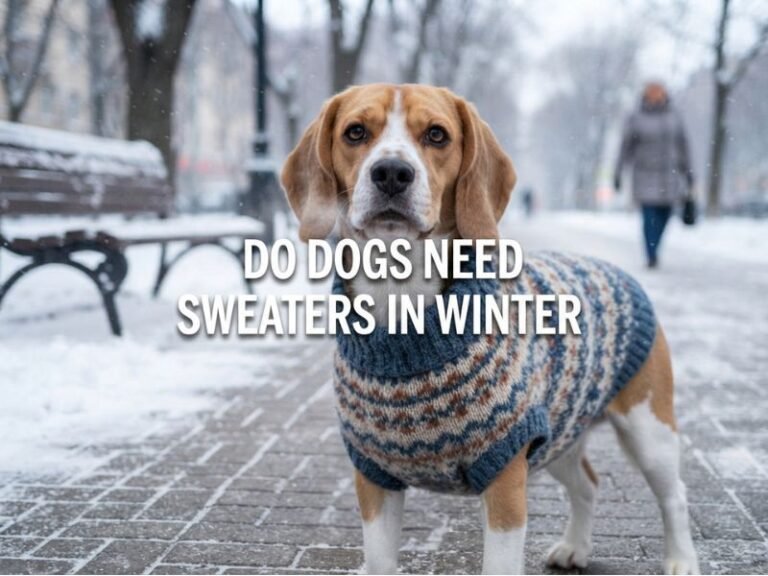
Dogs do not universally need sweaters. A healthy, active dog with a thick double coat may stay comfortable in temperatures that make a short-haired or very small dog shiver. Conversely, even a heavily coated dog may need protection during prolonged exposure to freezing rain, strong wind, wet snow, or cold water.
I recommend using the dog’s behavior and physical condition as the starting point rather than relying on a single temperature threshold. A sweater is most useful when a dog is losing body heat faster than the dog can comfortably produce it. That can happen during a brief walk, while resting outdoors, or after getting wet.
A sweater provides an insulating layer over the torso. It does not warm every vulnerable area, and it cannot eliminate risks from ice, frostbite, hypothermia, salt, or freezing water. A dog may still need shorter outings, a waterproof coat, paw protection, or an indoor break.
Signs a dog may be cold
- Shivering or trembling
- Hesitating, stopping, or trying to turn back during a walk
- Whining, anxiety, or repeatedly seeking shelter
- Lifting paws or refusing to walk on cold ground
- A hunched posture, tucked tail, or unusual stiffness
- Cold ears, paws, or body skin combined with discomfort
- Slowed movement, weakness, confusion, or unusual sleepiness
Shivering is an important warning, but its absence does not guarantee comfort. A dog may become quiet or weak as cold stress worsens. Severe lethargy, difficulty walking, pale or bluish gums, shallow breathing, collapse, or poor responsiveness requires immediate warming and veterinary attention.
Which dogs benefit most from sweaters?
Some physical and medical characteristics make dogs more vulnerable to cold. I pay particular attention to dogs with little body insulation, reduced ability to regulate body temperature, or limited mobility.
Small and toy breeds
Small dogs generally lose body heat more quickly relative to their body size Toy breeds also have less distance between their body and the cold ground especially during.
Short-haired and thin-coated dogs
Breeds and individual dogs with short, sparse, or very fine hair have less natural insulation. Greyhounds, Whippets, Chihuahuas, Miniature Pinschers, and many mixed-breed dogs with thin coats may appreciate a sweater in cold conditions. Hair length alone is not the only factor; a dense short coat can provide more insulation than a long but sparse coat.
Lean dogs and dogs with little body fat
Very lean dogs may feel cold sooner because they have less insulation This can include some athletic breeds dogs recovering from illness and dogs whose weight has recently decreased A sweater should not be used to conceal unexplained weight loss If a dog is losing weight eating poorly or tiring easily.
Puppies and senior dogs
Puppies may have more difficulty regulating body temperature, especially when they are very young, small, or not acclimated to cold weather. Senior dogs may also feel cold more readily because of reduced muscle mass, arthritis, illness, or less efficient temperature regulation.
Older dogs with arthritis can become stiffer in cold conditions. A properly fitted sweater may help them feel more comfortable, but it should never restrict movement or make it difficult to lie down, stand, or use the bathroom. A senior dog that suddenly seems unusually cold may need a health assessment rather than clothing alone.
Hairless dogs and recently groomed dogs
Hairless breeds have minimal natural insulation and often need clothing for outdoor comfort. Dogs that have been shaved or clipped short may also temporarily need extra protection. The coat may grow back, but the timing and density vary by dog and breed.
Dogs with certain health concerns
Dogs with illness, low body weight, hormonal disorders, or reduced circulation may be more sensitive to cold. Veterinary advice is especially important if a dog has heart disease, diabetes, a serious chronic condition, or a history of difficulty maintaining body temperature.
A sweater can support comfort, but it does not treat the underlying problem. I would follow the veterinarian’s instructions if a dog has recently had surgery or is wearing a medical device, because regular clothing may interfere with a wound, bandage, or monitoring equipment.
Which dogs may not need a sweater?
Many healthy adult dogs with thick, insulating coats remain comfortable without sweaters during ordinary cold-weather walks. Examples can include Siberian Huskies, Alaskan Malamutes, Newfoundlands, Bernese Mountain Dogs, and other dogs developed for cold climates. However, breed reputation is not a guarantee. Individual dogs vary in coat density, age, fitness, acclimation, and health.
A thick-coated dog may actually become too warm in a sweater, particularly during exercise or in mild weather. Overheating can lead to heavy panting, restlessness, excessive thirst, drooling, weakness, or collapse. Clothing should be removed promptly if a dog appears hot or uncomfortable.
Indoor dogs that spend only a few minutes outside for bathroom breaks may not need a sweater if they show no signs of discomfort. The same dog could need one for a long, slow walk, a cold camping trip, or time spent waiting outdoors.
How temperature and weather change the decision
Air temperature is useful context but it does not provide a universal answer Wind can make conditions feel colder and increase heat loss Rain sleet and wet snow.
Acclimation matters too. A dog that lives in a warm home may react differently to the first cold snap than a dog that gradually spends time outdoors in a cooler climate. Sudden changes deserve extra caution.
Activity level also changes the calculation. A dog running and playing may generate substantial body heat, while a dog standing still, riding in an open vehicle, or sitting on a cold surface may become chilled more quickly. I consider duration as carefully as temperature: a short bathroom trip is not the same as an hour-long walk.
| Condition | What to consider |
|---|---|
| Cool and dry | A sweater may help small, thin-coated, senior, or visibly uncomfortable dogs. |
| Cold with wind | Limit exposure and consider a well-fitting insulating layer. |
| Rain, sleet, or wet snow | Choose water-resistant protection and dry the dog promptly. |
| Freezing conditions | Use shorter outings, monitor closely, and protect paws as needed. |
| Very cold or severe weather | Keep vulnerable dogs indoors and follow local safety guidance. |
Wind chill charts designed for people should not be treated as precise safety rules for dogs. Coat, size, behavior, health, and exposure time still determine the individual risk.
Sweater versus coat: choosing the right layer
A sweater is usually a soft, insulating garment made from materials such as fleece, knit fabric, or synthetic fabric. It is often appropriate for dry, cool conditions. A coat may provide more coverage, insulation, or water resistance, depending on its design.
Choose a sweater for dry, cool weather
A sweater can work well for a short-haired dog during a dry walk or for indoor comfort in a chilly home. Fleece and other lightweight insulating materials are often practical because they provide warmth without excessive bulk. A breathable fabric is preferable to a heavy material that traps moisture or causes overheating.
Choose a waterproof layer for wet weather
A knit sweater can absorb rain and snow, becoming cold and heavy. In wet conditions, a water-resistant or waterproof coat is generally more useful. Some dogs can wear an insulating layer underneath a shell, but extra layers increase the need to check fit and temperature.
Consider coverage and mobility
Good cold-weather clothing covers the torso without interfering with the neck, shoulders, legs, tail, or bathroom area. A coat that covers more of the chest and belly may provide better protection for some dogs, but too much fabric can collect snow, drag on the ground, or restrict movement.
For dogs that spend time outdoors in freezing conditions, a coat is only one part of protection. Access to a dry shelter, unfrozen water, appropriate bedding, and the ability to come indoors is essential.
How to choose a safe dog sweater
Fit matters more than style. I would measure the dog according to the manufacturer’s instructions, usually around the chest and neck and along the back. Weight-based sizing is less reliable because dogs with the same weight can have very different proportions.
Check the fit
- The sweater should lie smoothly without squeezing the chest or neck.
- You should be able to slide fingers comfortably beneath the openings.
- The dog should walk, sit, lie down, turn, and climb normally.
- The garment should not rub the armpits, groin, or neck.
- The dog should be able to urinate and defecate without soiling the fabric.
- Closures should stay secure without pinching skin or catching fur.
Inspect the sweater after the first few minutes and again after a longer outing. Redness, damp fur, matted hair, chafing, or repeated scratching indicates that the garment needs adjustment or replacement.
Look for practical materials and construction
Soft, breathable, washable materials are usually easiest to manage. Avoid loose threads, dangling decorations, detachable pieces, and long straps that could become chewing or entanglement hazards. Reflective details can improve visibility during darker walks, although they do not replace a leash, identification, or a light.
Some dogs react badly to wool, synthetic fibers, or fragrances from detergents. If skin irritation appears, remove the garment and inspect the skin. Washing a sweater with a fragrance-free detergent may help, but persistent itching or a rash deserves veterinary advice.
How to introduce a dog to a sweater
Many dogs dislike a sweater because it feels unfamiliar, not because they cannot tolerate warmth. I introduce clothing gradually and calmly rather than putting it on just before an exciting or stressful outing.
- Let the dog sniff the sweater while it rests nearby.
- Pair brief investigation with praise or a favorite treat.
- Touch the sweater lightly to the shoulders and chest, then remove it.
- Place it on for a few seconds indoors and reward relaxed behavior.
- Increase the wearing time gradually if the dog remains comfortable.
- Take a short indoor walk before trying an outdoor outing.
Do not force a dog into clothing punish resistance or leave the sweater on while the dog is unsupervised during the learning stage A dog that freezes hides.
When a sweater can be unsafe
Clothing becomes risky when it creates overheating, restricts movement, interferes with communication, or remains on without supervision. A dog should not wear a sweater inside a warm home for long periods simply because it looks comfortable. Check body temperature through behavior, breathing, and the warmth of the skin under the garment.
Remove the sweater for sleep unless a veterinarian has specifically advised otherwise. Unsupervised clothing can catch on furniture, become chewed, or cover a developing skin problem. It can also become damp from drool, rain, urine, or snow and then chill the dog instead of warming the dog.
A sweater should not replace a harness or be used as the only attachment point unless the garment is specifically designed and safety-tested for that purpose. Pulling on weak fabric or a decorative loop can cause escape or injury.
Use extra caution with puppies and dogs that chew fabric. Loose threads and swallowed material can cause serious digestive problems. Inspect every garment regularly and discard it if it is damaged.
Cold-weather risks a sweater cannot solve
Hypothermia
Hypothermia occurs when a dog’s body temperature drops dangerously low. Early signs may include shivering, weakness, slowed movement, and unusual behavior. More severe signs can include confusion, shallow breathing, collapse, or unresponsiveness.
Move a chilled dog indoors, remove wet clothing, dry the coat, and wrap the dog in warm—not hot—blankets. Avoid heating pads, hair dryers set to high heat, hot water, or direct intense heat, because cold skin can burn easily. Contact a veterinarian promptly, especially if symptoms are severe, persistent, or progressing.
Frostbite
Frostbite can affect exposed extremities such as the ears, tail, paws, and toes. Skin may look pale, gray, bluish, swollen, or unusually firm. Pain may be followed by numbness, so a dog’s lack of reaction does not prove that the area is safe.
Bring the dog indoors and contact a veterinarian. Do not rub frozen tissue or apply very hot water. Sweaters protect the torso but do little for paws and other exposed areas.
Paw injuries and chemical exposure
Ice, sharp snow, rock salt, and ice-melting chemicals can crack or irritate paw pads. Dogs may lick residue from their feet after a walk. Wipe and dry the paws after outdoor time, check between the toes, and consider properly fitted boots if the dog accepts them. A sweater does not protect the feet.
Cold water accidents
A sweater is not a substitute for a canine life jacket or close supervision near ponds, lakes, rivers, or coastal water. Wet fur can accelerate heat loss, and a dog may become exhausted or unable to climb out. Keep dogs away from unsafe ice and use a life jacket for appropriate water activities.
Common sweater mistakes
- Using breed alone to decide: Individual coat density, health, age, and behavior matter.
- Leaving a wet sweater on: Remove it, dry the dog, and replace it only with a dry garment if appropriate.
- Ignoring the dog’s signals: Shivering, freezing, scratching, or trying to escape should be taken seriously.
- Choosing appearance over fit: Decorative hoods, buttons, and excess fabric can create hazards.
- Assuming warmth solves every risk: Dogs still need paw care, shorter outings, shelter, and supervision.
- Overdressing during exercise: Active dogs can overheat even in cool weather.
- Putting clothing on an unwell dog without advice: Cold sensitivity may signal a medical issue.
Another common mistake is treating shivering as the only decision point. By the time a dog is visibly trembling, the outing may already be too long for that individual. I prefer to watch for earlier changes, such as slowing down, seeking shelter, lifting paws, or becoming reluctant to continue.
How long can a dog wear a sweater?
There is no universal maximum time. A dog can wear a properly fitted sweater for the duration of a comfortable outing, but the dog should be checked periodically. Duration should be shorter in wet, windy, or freezing conditions and longer only when the dog remains relaxed, dry, and comfortably warm.
Take the sweater off when the dog comes indoors, becomes active in a warm environment, or shows signs of overheating. Remove it immediately if the fabric becomes wet, twisted, dirty, or restrictive. Wash and dry the garment according to its care instructions so bacteria, odors, and skin irritants do not build up.
Frequently asked questions
Do dogs need a sweater indoors?
Most healthy dogs do not need a sweater indoors if the home is comfortable and the dog is behaving normally. A small, thin-coated, elderly, or medically vulnerable dog may appreciate a light layer in a genuinely chilly room, but supervision is important. Remove clothing if the dog pants, scratches, becomes restless, or feels hot under the fabric.
Do dogs need a sweater for a walk?
Some dogs do, particularly small, short-haired, hairless, lean, young, senior, or sick dogs. A healthy, thick-coated dog may not. Consider temperature, wind, moisture, walking speed, duration, and the dog’s behavior. A short-haired dog that shivers or refuses to continue is a strong candidate for extra protection or a shorter outing.
Do dogs need a sweater in snow?
Some do, but snow creates more than a torso-warming issue. Choose a water-resistant coat if the dog will become wet, dry the dog afterward, and inspect the paws for ice and salt. Limit exposure if the dog is small, elderly, thin-coated, or showing any signs of cold stress.
Can a dog wear a sweater all day?
I generally would not leave a dog in a sweater all day without regular checks and breaks. Prolonged wear can cause overheating, moisture buildup, matting, chafing, or entanglement. Remove it for sleep, indoor warmth, grooming checks, and any period when the dog cannot be supervised.
Should a dog wear a sweater if the dog is shivering?
A sweater may help mild cold discomfort, but shivering means the dog needs immediate attention to the environment. Move the dog to a warm, dry place, shorten the outing, and assess for weakness or other concerning signs. Persistent or severe shivering warrants veterinary advice because illness, pain, fear, or low blood sugar can also cause trembling.
Do dogs need sweaters after being shaved?
A recently shaved dog may need extra protection in cool or cold weather because less fur is available for insulation. Keep outdoor exposure brief at first, monitor closely, and use a soft, well-fitting garment. Do not rely on clothing to protect irritated or sunburned skin; ask a veterinarian or groomer for advice if the skin looks inflamed.
Can a sweater prevent hypothermia?
A sweater can reduce heat loss from the torso, but it cannot guarantee safety or prevent hypothermia in severe conditions. Wetness, wind, prolonged exposure, illness, and cold water can overwhelm its benefit. Bring the dog indoors, dry the dog, and seek veterinary help if weakness, confusion, collapse, or abnormal breathing develops.
Conclusion
So do dogs need a sweater Some do while others are more comfortable without one I would base the decision on coat size age health weather activity and.