Do German Shepherds Need Boots? A Complete Guide for Every Season
German Shepherds have strong paws and a thick coat, but that does not make their feet safe from every surface. Hot roads, frozen ground, road salt, sharp rocks, and rough trails can still hurt a dog’s paw pads. This is why the answer to “do German Shepherds need boots” depends more on the walk and weather than on the breed alone.
For a short walk on cool grass, clean sidewalks, or a mild trail, many healthy German Shepherds can go without boots. In harder conditions, boots can act as a simple barrier between the paw and the ground. The key is to use them when they solve a real problem, rather than treating them as an everyday requirement.

Do German Shepherds Need Boots for Normal Walks?
For most normal walks, boots are optional. A healthy adult German Shepherd can usually walk on ordinary grass, dirt, and mild-weather sidewalks without paw footwear. Their paw pads provide natural protection and help them grip the ground.
Still, normal does not mean every surface is safe. A sidewalk that feels fine to your hand may be very hot in summer, while winter roads may contain ice, salt, or chemical deicers. Watch the surface, the weather, and your dog’s behavior before deciding whether boots are useful.

- ✦ Mild conditions
Boots are usually not needed for short walks on safe grass, dirt, or comfortable pavement.
- ✦ Long walks
Long walks can increase paw wear, especially on rough or dry ground. Boots may add useful protection.
- ✦ Sensitive paws
Dogs with tender, cracked, or recovering paws may benefit from extra protection when a veterinarian approves it.
Why German Shepherds Can Usually Walk Without Boots
Paw pads are built for contact with the ground. They provide traction and some protection from normal outdoor surfaces. Healthy pads can handle a great deal, but they are not invulnerable.
A dog also uses its toes, pads, and nails to feel and grip the ground. Covering the feet can change that feel. For this reason, boots should be used with a clear purpose and should not replace sensible route choices.
- ✦ Natural protection
Healthy paw pads provide a useful barrier against ordinary outdoor surfaces.
- ✦ Natural traction
Bare paws let dogs use their pads and toes to feel the ground and adjust their grip.
When German Shepherds Should Wear Boots
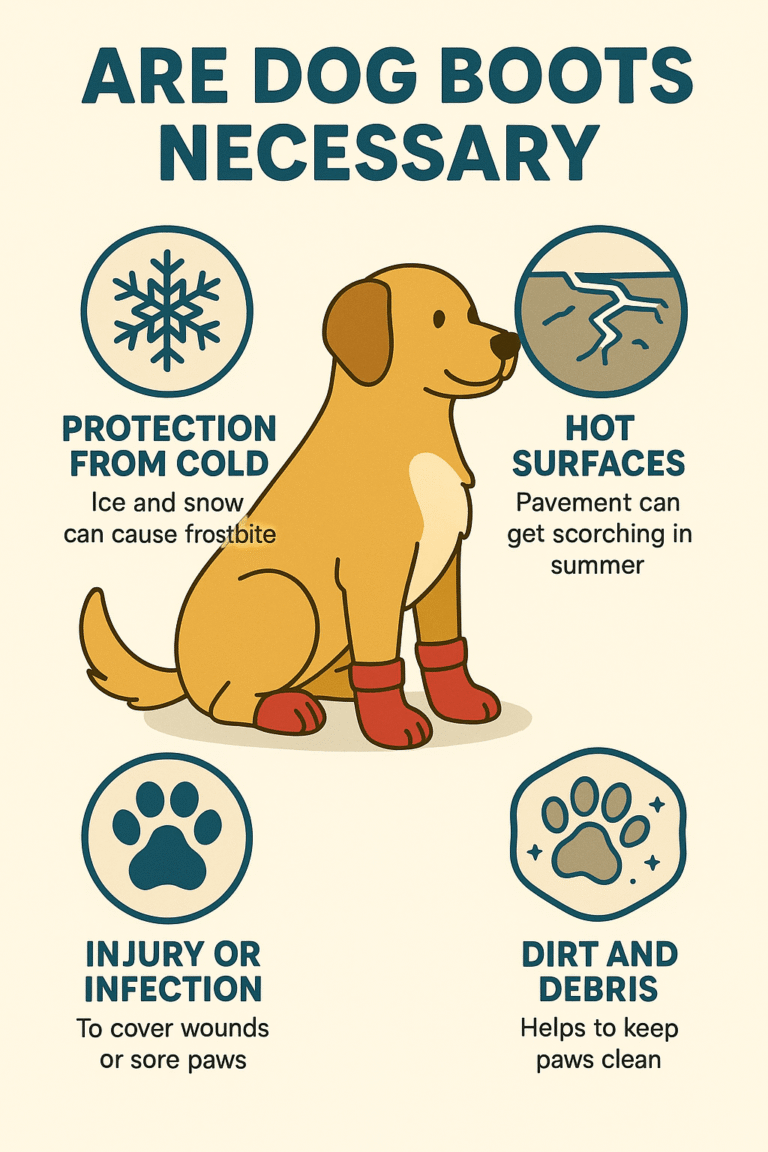
The strongest case for boots comes from the surface under your dog’s feet. Boots can reduce direct contact with hazards that may burn, cut, freeze, or irritate the paw pads. They can also help keep snow and ice from building up between the toes.
If you are asking do German Shepherds need boots for a specific trip, think about the conditions first. A hot city sidewalk, icy winter road, rocky hiking trail, and clean grassy park all create very different risks.
- ✦ Hot pavement
Very hot asphalt and concrete can burn paw pads. Boots can provide a barrier, but walking at cooler times and choosing shade are still important.
- ✦ Ice and snow
Boots can reduce contact with freezing surfaces and help limit snow or ice buildup around the feet.
- ✦ Road salt and deicers
Winter chemicals can irritate paws. Boots can reduce direct contact with treated roads and sidewalks.
- ✦ Sharp or rough ground
Rocky trails, thorny areas, and other rough surfaces may call for added paw protection.
- ✦ Paw recovery
A veterinarian may recommend protective footwear during recovery from certain paw injuries or procedures.
Do German Shepherds Need Boots in Summer?
Not for every summer walk. The main concern is hot ground, not warm air alone. Asphalt and concrete can become much hotter than the surrounding air and may injure paw pads.
Try walking early in the morning or later in the evening. Choose grass or shaded paths when possible. If the ground is too hot for your hand to rest on comfortably, choose a safer route instead of relying only on boots.
- ✦ Check the ground
Use your hand to judge whether pavement feels excessively hot before a walk.
- ✦ Change the route
Grass, shade, and cooler paths can lower paw risk without adding footwear.
Do German Shepherds Need Boots in Winter?
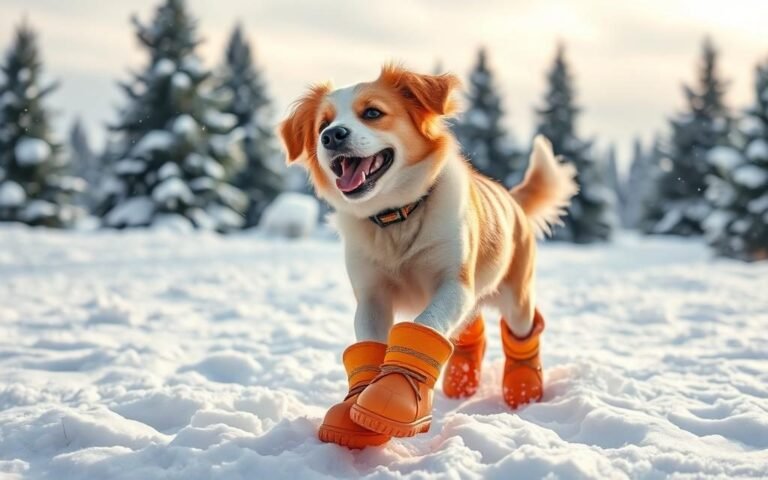
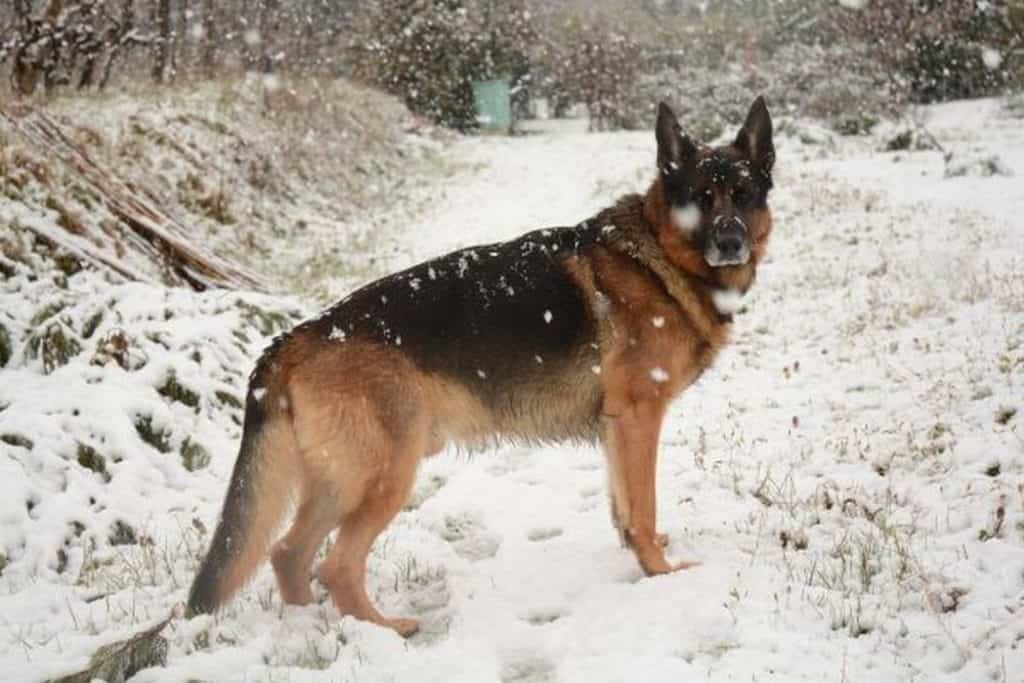
Winter boots can be useful when snow, ice, salt, or freezing surfaces make a walk hard on the paws. A German Shepherd’s thick body coat does not protect the paw pads in the same way.
Boots are especially useful on long outdoor trips in harsh weather. After a walk, remove the boots and inspect the paws for redness, cracks, ice, or trapped debris.
- ✦ Deep snow
Boots can help keep snow and ice away from the paw pads and spaces between the toes.
- ✦ Treated sidewalks
Boots can reduce direct exposure to salt and other ice-melting products.
- ✦ Freezing ground
Protective footwear can reduce direct contact with very cold surfaces during longer outings.
Do Boots Protect German Shepherd Paws on Hikes?
Boots can be useful on hikes when the trail is rocky, sharp, hot, icy, or covered with rough debris. German Shepherds are active dogs, and their enthusiasm can lead them across surfaces that are harder on the paws than a normal neighborhood walk.
Boots are not a guarantee against every hiking injury. They should fit well, stay secure, and allow your dog to move naturally. On very rough routes, also check the paws during breaks instead of waiting until the hike ends.

- ✦ Rocky trails
A durable sole can reduce direct contact with sharp rocks and rough trail surfaces.
- ✦ Hot trails
Boots can add a protective layer when a trail surface becomes too hot for comfortable bare paws.
- ✦ Thorns and debris
A covered paw may have less direct contact with some small sharp objects.
- ✦ Wet trails
Water-resistant boots can help keep paws cleaner and drier, although wet boots should be removed and dried after use.
Boots for Traction
Some dog boots have textured soles that can add grip on certain surfaces. This may help when a dog walks on smooth or slippery ground, but results depend on the boot design and the surface.
Do not assume that any boot will improve traction. A loose boot can twist under the paw and make walking less stable. Test the boots on a short, easy walk before using them on a demanding trail.
- ✦ Look for a stable sole
A sole should flex with the foot while remaining secure and resistant to unwanted twisting.
- ✦ Test before hiking
Let your dog walk in the boots at home and on a short outdoor route first.
Benefits and Limits of German Shepherd Boots
The main benefit of boots is simple: they create a physical layer between the paw and the ground. That layer can reduce exposure to heat, cold, salt, sharp surfaces, and some forms of debris.
However, boots also have limits. A dog may dislike them, walk oddly at first, or develop rubbing if the fit is poor. Boots should support good paw care, not replace it.

- ✦ Paw protection
Boots can shield paw pads from several outdoor hazards.
- ✦ Less contact with chemicals
Boots can reduce direct contact with road salt and some deicing products.
- ✦ Cleaner paws
Boots may reduce mud, snow, and small debris reaching the feet.
- ✦ Possible discomfort
Poorly fitted boots can rub, pinch, slip, or interfere with normal movement.
- ✦ Not a substitute for care
You still need to inspect, clean, and dry your dog’s paws after demanding walks.
When Boots May Do More Harm Than Good
A boot that is too tight can put pressure on the foot. One that is too loose may slide, twist, or fall off. Both problems can cause discomfort and may change the way a dog walks.
Heat and moisture can also build up inside some boots. After a walk, remove them and check the paws. If you see rubbing, swelling, redness, a cut, or repeated licking, stop using the boots and seek veterinary advice when needed.
- ✦ Too tight
The boot should not pinch the foot or leave deep pressure marks.
- ✦ Too loose
The boot should not spin around the paw or repeatedly slip off.
- ✦ Poor ventilation
Remove boots after outdoor use so the feet can dry and breathe.
How to Choose Boots for a German Shepherd
German Shepherds have larger feet than many small and medium dog breeds, but paw size still varies from one dog to another. Do not choose a boot based only on breed name. Measure your dog’s paw and compare that measurement with the manufacturer’s sizing guide.
Think about the job the boots must do. A light boot for short city walks may not suit a rocky hike, while a heavy winter boot may be unnecessary for mild weather. The best choice is the one that fits the dog and matches the conditions.

- ✦ Correct size
Measure the paw according to the boot maker’s instructions and check the size chart before buying.
- ✦ Secure closure
The closure should hold the boot in place without creating pressure on the leg or paw.
- ✦ Flexible design
A boot should allow normal foot movement instead of making the paw stiff.
- ✦ Durable sole
For hiking, choose a sole suited to rocks, rough trails, and other demanding surfaces.
- ✦ Weather match
Choose materials based on whether you need protection from heat, snow, ice, water, or rough ground.
How Should German Shepherd Boots Fit?
A well-fitted boot should stay in place without squeezing the foot. Your dog should be able to stand, walk, and flex the foot without obvious restriction. The boot should not rotate with each step.
Fit can change when your dog walks, so inspect the boots after a few minutes. Check for slipping, rubbing, pressure marks, or a change in gait. If any of these occur, stop and adjust the fit or try a different size or design.
- ✦ Walk test
Have your German Shepherd walk indoors first to see whether the boots stay secure.
- ✦ Paw check
Remove the boots after the test and look for red areas, hair loss, or pressure marks.
- ✦ Movement check
Watch for limping, high stepping, shaking the feet, or repeated attempts to remove the boots.
How to Get a German Shepherd Used to Boots
Many dogs find boots strange at first. A German Shepherd may lift the feet, walk stiffly, or try to remove the boots. This does not always mean the boots are a bad choice; it often means your dog needs time to learn how they feel.
Start inside for a few minutes. Reward calm behavior, remove the boots, and repeat later. Slowly increase the time before taking your dog outside in them.

- ✦ Start with one boot
Let your dog wear one boot briefly, then reward calm behavior and remove it.
- ✦ Add more boots slowly
Once your dog accepts one boot, introduce the others in short sessions.
- ✦ Use rewards
Small treats and praise can help your dog build a positive link with the boots.
- ✦ Practice indoors
A safe indoor space lets you watch the fit and movement before outdoor use.
- ✦ Keep first walks short
Use a brief outdoor walk before attempting a long hike or winter trip.
Signs Your Dog Is Not Comfortable
Some adjustment is normal, but clear distress should not be ignored. Repeated biting at the boots, persistent limping, crying, or strong efforts to remove them can mean the fit or design is wrong.
Take the boots off and inspect the paws. If your dog continues to show pain after the boots are removed, contact your veterinarian.
- ✦ Persistent limping
Take the boots off and check the feet if your dog does not walk normally.
- ✦ Repeated chewing
Constant attempts to bite the boot can signal discomfort, poor fit, or stress.
- ✦ Paw irritation
Redness, sores, or pressure marks mean the boot needs to be removed and reassessed.
Paw Care for German Shepherds With or Without Boots
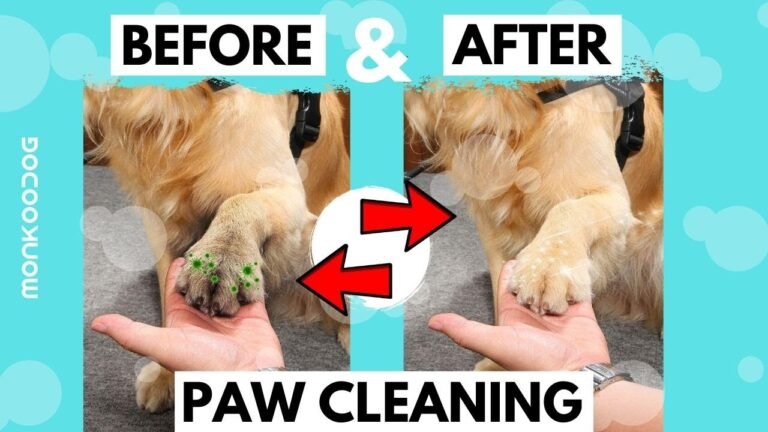
Boots are only one part of paw care. Check your German Shepherd’s feet after long walks, hikes, or extreme weather. Look between the toes and around the pads for cuts, stones, ice, redness, or other debris.
Keep the paws clean and dry after wet or snowy walks. If you notice a deep cut, swelling, bleeding, persistent limping, or signs of significant pain, ask a veterinarian for guidance rather than trying to solve the problem with boots alone.

- ✦ Inspect the pads
Look for cracks, cuts, burns, blisters, or unusual color after difficult walks.
- ✦ Check between toes
Small stones, ice, plant material, and other debris can become trapped between the toes.
- ✦ Clean after winter walks
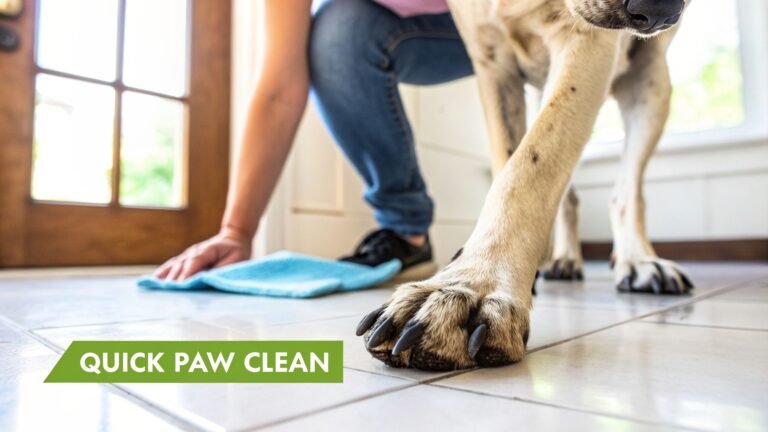
Wipe or rinse paws after walks on treated roads and sidewalks.
- ✦ Dry the feet
Dry wet paws and the inside of boots after outdoor use.
- ✦ Know when to call the vet
Persistent pain, bleeding, swelling, or limping needs proper veterinary assessment.
Boots Are Not a Cure for Paw Problems
A boot can cover a problem, but it does not treat the cause. If your German Shepherd keeps licking the paws, develops repeated sores, or walks with pain, the right step is to find out why.
A veterinarian can assess the paw and advise whether protective footwear is suitable. This matters even more when the dog has a known injury or needs protection during recovery.
- ✦ Look for the cause
Repeated paw problems can have many causes, so protection alone may not solve them.
- ✦ Follow veterinary advice
Use protective footwear during recovery only as directed when a medical issue is involved.
A Simple Decision Guide for German Shepherd Owners
The question do German Shepherds need boots has no single answer for every dog and every day. The better question is whether the planned walk creates a paw hazard that footwear can reasonably reduce.
Use the conditions as your guide. If the ground is mild and safe, boots may add little value. If the surface is very hot, icy, salty, sharp, or rough, protective footwear may make sense when your dog accepts it and the boots fit correctly.
- ✦ Safe grass and mild dirt
Boots are usually optional for healthy dogs on short walks.
- ✦ Hot pavement
Avoid the heat when possible. Boots may provide an extra barrier when a suitable route is not available.
- ✦ Snow and ice
Boots can help protect against cold surfaces, ice buildup, and treated roads.
- ✦ Rocky hiking trail
Durable boots may reduce paw wear and contact with sharp or rough surfaces.
- ✦ Existing paw injury
Ask your veterinarian whether protective footwear is appropriate before using it.
Do German Shepherd Puppies Need Boots?
Puppies do not automatically need boots. In fact, young dogs may need extra time to learn how to walk comfortably in footwear. If boots are needed for a particular condition, use a gradual introduction and pay close attention to fit as the puppy grows.
Because puppies grow fast, check the fit often. A boot that fit a few weeks ago may become too small as the feet change.
- ✦ Keep sessions short
Young dogs should learn to wear boots in brief, calm sessions.
- ✦ Check size often
Growing paws can quickly change the fit of a boot.
Do Senior German Shepherds Need Boots?
Senior dogs may have different walking needs. A veterinarian may recommend protective footwear in some cases, but boots can also alter how a dog feels the ground.
If an older German Shepherd has trouble walking, slipping, or showing pain, focus on finding the cause. Boots may be one tool, but they should not replace a proper assessment.
- ✦ Watch the gait
A new change in walking can signal discomfort and deserves attention.
- ✦ Prioritize comfort
Choose footwear only if your dog can use it without pain or major changes in movement.