How Long Can Dogs Wear Shoes? Safe Wear Times, Tips, and Warning
If you are wondering how long can dogs wear shoes, the safest answer is not a fixed number of hours. Dogs differ in paw shape, skin health, activity level, and tolerance. A well-fitted boot can protect paws from hot pavement, ice, salt, snow, and rough ground, but a poor fit can cause rubbing and discomfort.
For most pet dogs, shoes are best treated as protective gear for a specific need rather than something to wear all day. A short walk may need only a short period of wear. A long hike may need more time, but you should still stop and inspect the paws during the outing.
The key is to watch the dog, not just the clock. A dog that walks, runs, and acts normally may be comfortable. A dog that limps, chews at a boot, stops often, or seems stressed needs the shoes removed and checked.
How Long Can Dogs Wear Shoes Safely?
There is no universal time limit for how long can dogs wear shoes. A healthy dog may wear properly fitted boots during a full walk or hike, while another dog may need shorter sessions. The right duration depends on the dog, the boots, and the conditions.
For a dog that is new to shoes, start with just a few minutes indoors. If the dog stays relaxed and walks normally, slowly increase the time over several sessions. This helps the paws and the dog adjust before longer outdoor use.
During outdoor use, check the boots and paws at regular breaks. If the dog stays comfortable, the boots fit well, and the paws look normal, you can continue the activity. If you see irritation or changes in behavior, remove the shoes.
- ✦ Short walks
A normal neighborhood walk may only require shoes for the length of the walk when the ground is hot, icy, salty, or rough.
- ✦ Long hikes
Long hikes may require several hours of boot use, but plan breaks to inspect the paws, check the fit, and let the dog rest.
- ✦ New users
Dogs that have never worn shoes should begin with short indoor sessions instead of wearing them for a long outdoor trip.
- ✦ Indoor wear
Dog shoes are usually not needed indoors unless a veterinarian has given a specific reason to use them.
Why There Is No Exact Number of Hours
A small dog with sensitive skin may react sooner than a tough-footed working dog. A boot used on a cool trail also creates different risks from one used on hot pavement. Even two dogs wearing the same boot can have different comfort levels.
The goal is safe paw protection, not reaching a set number of hours. If the shoes are no longer needed, taking them off gives the paws a chance to stay dry and free.
- ✦ Dog factors
Age, paw shape, skin health, coat type, activity level, and past paw problems can affect comfort.
- ✦ Boot factors
Size, material, sole design, ventilation, closure, and moisture control can change how long a dog can comfortably wear shoes.
How Long Should Dogs Wear Shoes on a Walk?
For a routine walk, dogs usually need shoes only while they are exposed to the surface that could hurt their paws. If a hot sidewalk is the main concern, put the boots on before reaching the hot surface and remove them when they are no longer needed.
The same idea applies to winter walks. Boots can help protect paws from ice, snow, and road salt. However, shoes do not replace basic cold-weather safety, and dogs still need protection from cold air and other winter risks.
If your dog has never worn boots, do not make the first test a long walk. Build up wear time indoors first, then try a short outdoor walk. This approach can reduce stress and lets you spot fit problems early.
- ✦ Before the walk
Check each boot for dirt, damage, moisture, and loose parts. Make sure the dog’s paws are clean and dry.
- ✦ During the walk
Watch how your dog walks. Look for limping, shorter steps, repeated paw lifting, or attempts to remove the boots.
- ✦ After the walk
Remove the boots and inspect the pads, toes, nails, and skin between the toes.
When to Take Dog Shoes Off Early
Do not wait for the planned end of a walk if your dog shows clear discomfort. A dog may stop, limp, chew at a boot, shake a foot, or repeatedly try to pull the shoe off. These signs can mean the boot is rubbing, slipping, too tight, or trapping moisture.
Remove the shoe and inspect the paw. If the skin looks sore, swollen, raw, or damaged, stop using that boot until the problem is resolved.
- ✦ Limping
Stop and check the boot and paw if your dog starts walking differently.
- ✦ Repeated chewing
Chewing or pulling at a boot can signal discomfort or a poor fit.
- ✦ Sudden refusal to walk
A dog that suddenly stops may be telling you that something feels wrong.
Can Dogs Wear Shoes All Day?
In most everyday situations, dogs do not need to wear shoes all day. Dog shoes are made to protect the paws during certain activities and conditions. Keeping them on longer than needed can add moisture, heat, rubbing, and pressure.
If a veterinarian tells you to use protective footwear for a medical reason, follow that specific plan. Medical paw protection can be different from ordinary walking boots, and the correct wear time may depend on the injury or treatment.
For normal walks, take the boots off when the outdoor hazard is gone. This gives you a chance to inspect the paws and lets the skin stay clean and dry.
- ✦ Avoid unnecessary all-day use
If your dog is resting indoors and does not need paw protection, remove the shoes.
- ✦ Follow veterinary instructions
A veterinarian may recommend a specific type of boot and wear schedule for an injured or sensitive paw.
- ✦ Keep paws dry
Remove wet boots after outdoor use and dry the paws and footwear before storing them.
Why Longer Wear Is Not Always Better
More time in boots does not always mean more protection. A boot that fits poorly can rub the skin with every step. Moisture can also collect inside a boot, especially during rain, snow, or long activities.
The best approach is to use shoes when they provide a clear benefit and remove them when that need ends. Regular checks are more useful than following a rigid maximum time.
- ✦ Rubbing
Repeated movement can create sore spots when a boot is too loose, too tight, or poorly shaped.
- ✦ Moisture
Wet conditions can leave paws damp inside a boot, so check and dry them during long activities.
How Long Can Dogs Wear Shoes in Hot Weather?
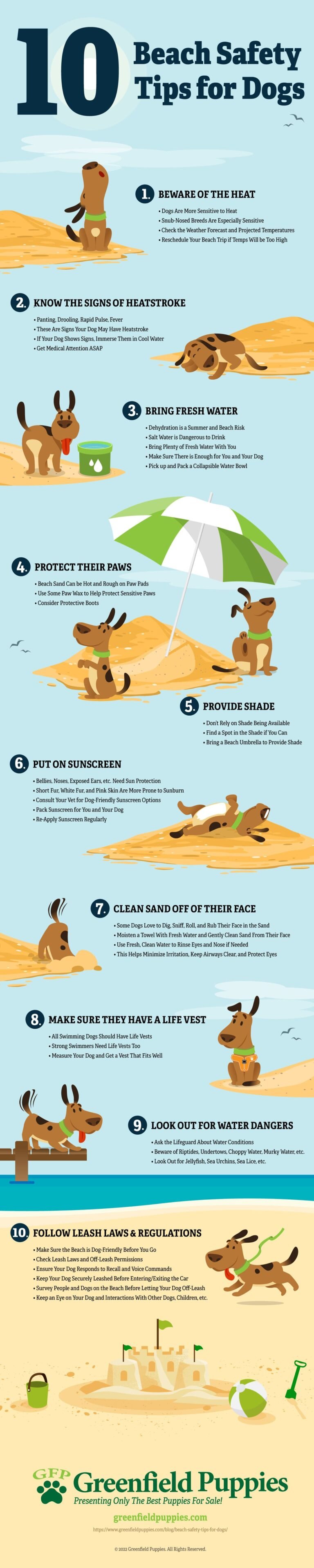
Dog shoes can protect paw pads from hot pavement, asphalt, and other hot surfaces. But shoes do not make a hot day safe for a dog. Heat stress can affect the whole body, so you should still avoid the hottest part of the day and watch for signs of overheating.
If shoes are needed in warm weather, choose a lightweight design that fits well and allows suitable airflow. Stop often during longer walks and check the paws for heat, redness, rubbing, or other irritation.
Remember that a dog can become overheated even when the paw pads are protected. Offer water, seek shade, and shorten the outing when the weather is too hot.
- ✦ Use cool walking times
Early morning and evening are often better choices than the hottest part of the day.
- ✦ Check the paws
Look for redness, tenderness, blisters, or other signs of heat or friction injury.
- ✦ Watch the whole dog
Heavy panting, weakness, confusion, vomiting, or collapse can signal a heat emergency and needs prompt veterinary attention.
Can Dog Shoes Prevent Paw Burns?
Proper dog shoes can reduce direct contact between paw pads and hot surfaces. They are not a guarantee against burns because heat can still build inside or around the footwear.
Choose shoes made for warm-weather use and check them during the walk. If the boot becomes very hot, damaged, wet, or uncomfortable, stop and reassess the situation.
- ✦ Protection has limits
Boots reduce surface contact but cannot make extreme heat safe.
- ✦ Use common sense
If the conditions are unsafe for the dog, change the route, time, or activity instead of relying only on boots.
How Long Can Dogs Wear Shoes in Snow and Cold?
Dogs may wear boots during winter walks to protect their paws from ice, snow, and de-icing products. Boots can also help reduce the chance of snow and ice building between the toes. The proper wear time still depends on the weather, the dog’s tolerance, and the length of the outing.
Cold-weather boots should fit securely without squeezing the paw. Check them during longer outings because snow, ice, and moisture can affect the fit and comfort.
Boots protect the feet, but they do not protect the whole dog from cold. Short-coated dogs, small dogs, puppies, senior dogs, and dogs with certain health concerns may need extra care in very cold weather.
- ✦ Salt and de-icers
Boots can reduce contact with sidewalk salt and de-icing products that may irritate paws.
- ✦ Snow and ice
Boots can help reduce direct exposure and limit ice buildup between the toes.
- ✦ Extreme cold
Do not use boots as a reason to keep a dog outdoors longer than is safe.
When Winter Boots Are Not Enough
A dog can still become too cold while wearing boots. Shivering, weakness, unusual tiredness, confusion, or other concerning changes mean the dog should be moved to a warm place and assessed.
Very cold conditions call for shorter outdoor periods. If you are unsure about your dog’s tolerance, ask your veterinarian for advice based on the dog’s age, breed, coat, and health.
- ✦ Watch for cold stress
Changes in behavior or movement can mean the dog needs to go inside.
- ✦ Keep the dog dry
Wet fur can increase cold stress, even when the paws are covered.
How Long Can Dogs Wear Shoes While Hiking?
Dogs can wear hiking boots for the length of a hike when the boots fit correctly and the dog remains comfortable. Long hikes need more attention than short walks because repeated steps increase the chance of rubbing, trapped moisture, or a loose boot.
For a long trail day, plan paw checks as part of your normal rest stops. Remove each boot, look at the paw, and check the boot for grit, stones, wetness, or damage before putting it back on.
If your dog is new to hiking boots, train at home first. A dog that has never worn shoes should not learn to tolerate them for the first time on a remote trail.
- ✦ Build up slowly
Start with short sessions and increase duration only when your dog remains relaxed and comfortable.
- ✦ Pack spare gear
For long hikes, bring a spare boot or another paw-protection option in case one becomes lost or damaged.
- ✦ Inspect at breaks
Paw checks can catch rubbing and debris before a small problem becomes a larger injury.
- ✦ Match the boot to the trail
Rugged trails may need boots with strong soles and good traction, while light walks may need less bulky footwear.
A Simple Hiking Boot Check
At a trail break, remove the boot and inspect the paw from all sides. Check between the toes, around the nails, and across the paw pad. Then inspect the boot for stones, dirt, tears, or moisture.
A boot should sit securely without cutting into the skin. If you find a sore spot, adjust the fit or stop using that boot rather than pushing through the hike.
- ✦ Check the skin
Look for red marks, hair loss, raw skin, swelling, or other signs of friction.
- ✦ Check the sole
Make sure the tread remains intact and provides the grip your dog needs.
How to Tell if Dog Shoes Fit Correctly
Fit is one of the biggest factors in deciding how long can dogs wear shoes comfortably. A boot should stay on during normal movement without squeezing the paw. It should also allow the dog to move the foot in a natural way.
A loose boot can twist, slip, or rub. A tight boot can create pressure and restrict comfortable movement. Follow the manufacturer’s sizing guide and measure the paw as directed rather than choosing a size based only on your dog’s weight.
Test new shoes indoors first. Watch your dog walk, turn, sit, and stand. If the dog cannot move normally or keeps trying to remove the boot, stop and reassess the size or design.
- ✦ Secure but not tight
The closure should keep the boot in place without creating pressure marks or cutting into the skin.
- ✦ Natural movement
Your dog should be able to walk and place the paw normally.
- ✦ No slipping
The boot should not rotate or slide off with each step.
- ✦ No rubbing
Check the skin after the first few uses for red or sore areas.
Signs Dog Shoes Are Too Tight
Red marks, swelling, repeated licking, discomfort, and changes in walking can point to a fit problem. Remove the boot and check the paw if you notice these signs.
Do not solve a tight fit by leaving the boot on for shorter periods if the boot still causes pressure. A different size or design may be needed.
- ✦ Pressure marks
A visible indentation that remains after removal may mean the boot is too tight.
- ✦ Swelling
Swelling around the toes or paw needs prompt attention and may require veterinary advice.
Signs Dog Shoes Are Too Loose
A loose boot may rotate, slide down, or fall off. It can also rub the paw because the foot moves inside the boot.
If a boot repeatedly comes off during normal walking, check the sizing and closure. A different boot shape may work better for your dog’s paw.
- ✦ Boot rotation
A boot that turns sideways during walking may not fit securely.
- ✦ Repeated loss
A boot that falls off often may be too loose or poorly matched to the dog’s paw shape.
How to Get a Dog Used to Wearing Shoes
Many dogs walk strangely the first time they wear boots. This does not always mean the boots are painful. The unfamiliar feeling can make a dog lift the feet high, freeze, or try to shake the boots off.
Introduce the boots in small steps. Let your dog sniff them, reward calm behavior, and then try one boot for a very short period. Slowly build up to all four boots and longer sessions.
Positive training works better than forcing the dog to wear the shoes. If your dog becomes stressed, remove the boots and return to an easier step later.
- ✦ Start with one boot
Use one boot for a short indoor session and reward calm behavior.
- ✦ Add more boots slowly
Once one boot feels normal, gradually introduce the others.
- ✦ Practice indoors
Indoor practice lets you spot fit problems before your dog is outside.
- ✦ Use rewards
Treats, praise, and play can help create a positive link with the boots.
How Long Can Dogs Wear Shoes During Training?
During early training, keep sessions short. The goal is to build comfort, not endurance. Increase the time only when your dog acts relaxed and moves normally.
There is no benefit to keeping a nervous dog in shoes for a long session. A calm, gradual approach can make later outdoor use much easier.
- ✦ Keep early sessions brief
Short sessions help your dog learn that boots are safe and temporary.
- ✦ Increase slowly
Add time only after your dog is comfortable with the current session length.
When to Remove Dog Shoes Right Away
The safest answer to how long can dogs wear shoes always includes your dog’s behavior and paw condition. Stop the activity if your dog shows pain or clear distress. Do not assume a dog will simply get used to a painful boot.
Remove the shoes and inspect the paws when you see limping, repeated licking, chewing, swelling, bleeding, redness, or unusual sensitivity. If the paw looks injured or your dog remains painful after the shoes are removed, contact a veterinarian.
A small irritation can become worse if the dog continues walking in the same boot. Early action can help prevent a minor fit problem from turning into a more serious paw injury.
- ✦ Limping
A new change in gait can indicate pain, rubbing, a trapped object, or another paw problem.
- ✦ Red or raw skin
These signs can point to friction or pressure from the boot.
- ✦ Swelling
Remove the footwear and seek veterinary advice if swelling is significant or does not improve.
- ✦ Bleeding or open wounds
Stop the activity and arrange appropriate veterinary care, especially for deeper or persistent wounds.
- ✦ Strong distress
Repeated attempts to remove the boot, crying, or refusal to walk are reasons to stop and reassess.
When a Veterinarian Should Check the Paw
Contact a veterinarian if your dog has persistent limping, swelling, bleeding, an open wound, severe pain, or a paw that does not return to normal after the boot is removed. Paw injuries can take time to heal and may become worse with continued walking.
Dogs with ongoing paw licking, repeated skin irritation, or frequent boot-related problems may also need a veterinary exam. The problem may not be the boot alone.
- ✦ Persistent pain
Pain that continues after removing the footwear should not be ignored.
- ✦ Open wounds
Cuts, punctures, burns, or torn pads may need professional care.
- ✦ Repeated problems
Frequent paw irritation may point to an underlying skin or paw condition.
How to Care for Dog Shoes and Paws
Clean boots after muddy, salty, or wet walks. Follow the boot maker’s cleaning instructions and let the footwear dry fully before the next use. Clean boots can help reduce the amount of dirt and debris that contacts the paws.
Paw checks should become part of your normal routine. Look between the toes, around the nails, and across the pads. Watch for cracks, redness, swelling, cuts, or objects caught in the paw.
If your dog has a known paw condition or a recent injury, ask your veterinarian about the best type of protection. A normal walking boot may not be right for every medical situation.
- ✦ Clean the boots
Remove dirt and debris after outdoor use and dry the boots before storing them.
- ✦ Inspect the paws
Check the pads, toes, nails, and skin after longer or more demanding activities.
- ✦ Check the boot
Look for worn soles, damaged seams, loose closures, and other defects.
- ✦ Replace damaged boots
A worn or damaged boot may no longer protect the paw or stay securely in place.
Can Dogs Sleep in Shoes?
Dogs generally do not need ordinary outdoor shoes while sleeping. If there is a medical reason for protective footwear, follow the wear schedule given by your veterinarian.
For routine use, remove outdoor boots when the activity is over. This makes it easier to inspect the paws and keep the feet dry.
- ✦ Normal use
Remove regular walking shoes when the outdoor activity ends.
- ✦ Medical use
Follow veterinary instructions when footwear is part of treatment or wound protection.
Do Dogs Really Need Shoes?
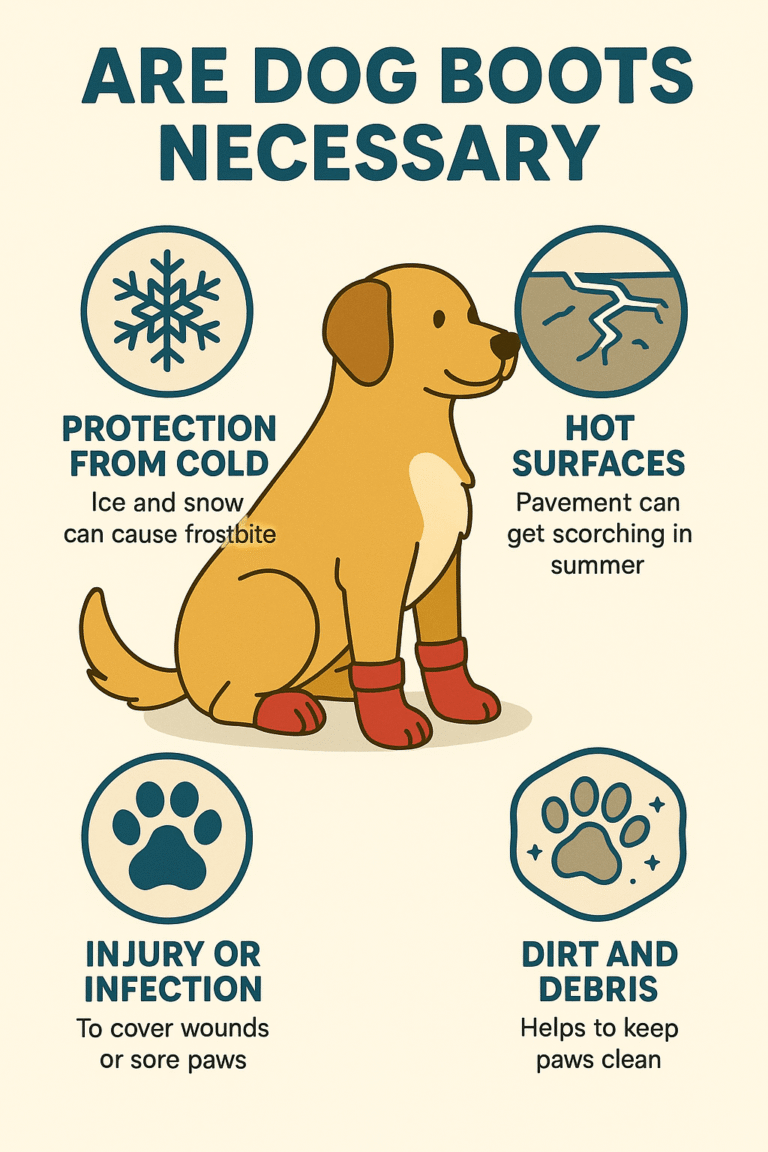
Not every dog needs shoes for every walk. Healthy paw pads can handle many normal surfaces, but shoes can provide useful protection when the ground is unusually hot, cold, icy, sharp, salty, or rough.
Dog shoes can also help during some hikes and outdoor activities. Their value depends on the conditions and the individual dog. A boot should solve a real paw-protection problem without creating a new comfort problem.
If the ground is safe and your dog is comfortable without shoes, footwear may not be necessary. If the conditions can injure the paws, properly fitted boots can be a useful part of the dog’s outdoor gear.
- ✦ Hot surfaces
Boots can reduce direct contact with hot pavement and asphalt.
- ✦ Winter surfaces
Boots can protect paws from snow, ice, salt, and some de-icing products.
- ✦ Rough trails
Protective soles can reduce contact with sharp rocks and rough ground.
- ✦ Normal conditions
Shoes may not be needed when the surface is safe and the dog has healthy, comfortable paws.
Choosing Shoes for the Activity
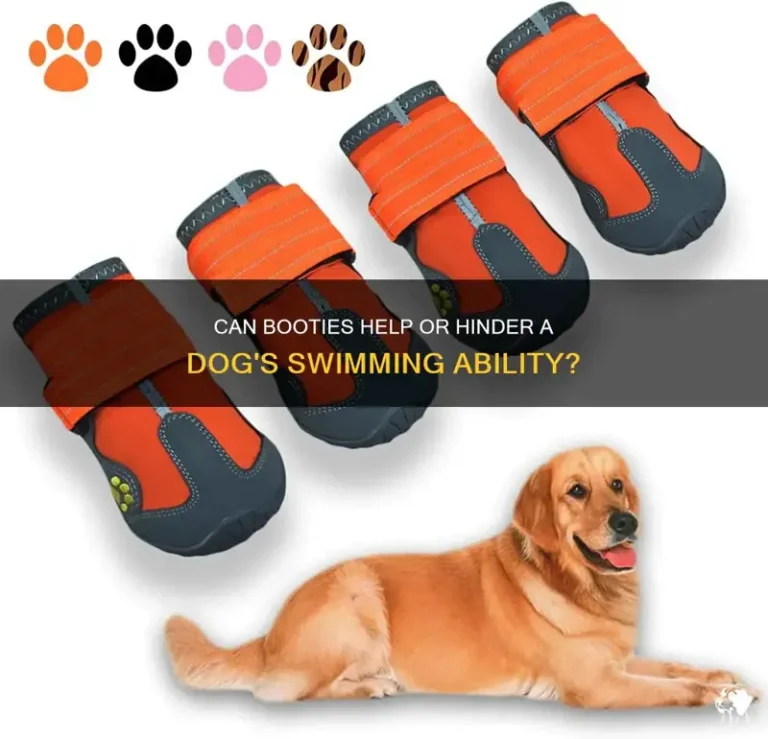
A lightweight boot may work well for hot pavement, while a rugged hiking boot may be better for rocky trails. Winter use may call for water resistance and insulation. The best design depends on the problem you are trying to solve.
Avoid choosing a boot based only on appearance. Fit, traction, comfort, durability, and the surface your dog will walk on matter more.
- ✦ Walking
Choose a comfortable design that fits securely and matches the walking surface.
- ✦ Hiking
Look for durable soles and good traction when the trail is rough or rocky.
- ✦ Winter
Consider water resistance, warmth, traction, and protection from salt and ice.
- ✦ Summer
Consider a lightweight design and avoid trapping excessive heat or moisture.