Clean yeast from dogs paws by washing with a veterinarian-approved antifungal cleanser, drying thoroughly, and addressing the underlying cause.
Across the United States, dog owners commonly notice red, itchy paws, brown staining, and a musty odor caused by yeast overgrowth. Warm, moist conditions between the toes can allow yeast to multiply, especially in dogs with allergies or skin irritation.
Understanding how to clean yeast from dogs paws is important because cleaning alone may not solve the problem. Effective care combines proper paw hygiene, moisture control, and veterinary treatment when an infection is established.
Source: puppysimply.com
What Does Yeast on Dog Paws Look Like?
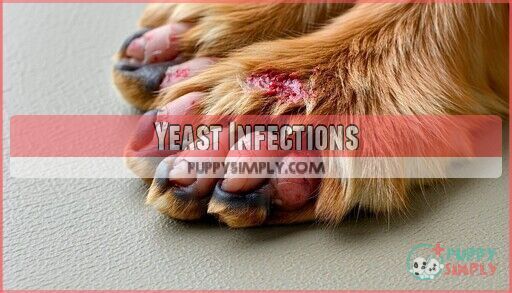
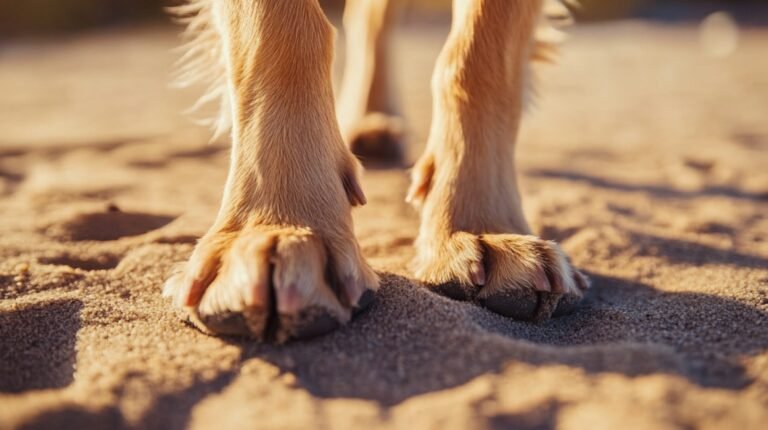
Yeast overgrowth on dog paws often causes redness, itching, licking, chewing, and a strong musty smell. The skin between the toes may appear inflamed and darker than normal.
Some dogs develop brown saliva staining on the fur around their paws because constant licking keeps the area wet and irritated.
Source: i.pinimg.com
Common symptom
Persistent paw licking and chewing.
Visible change
Red, swollen, or darkened skin between the toes.
Typical odor
A noticeable musty or corn chip-like smell.
Why yeast grows on paws
Yeast naturally lives on a dog’s skin. Problems occur when allergies, moisture, skin damage, or immune system changes allow it to multiply beyond normal levels.
Allergies
Environmental or food allergies can weaken the skin barrier.
How to Clean Yeast From Dogs Paws Step by Step
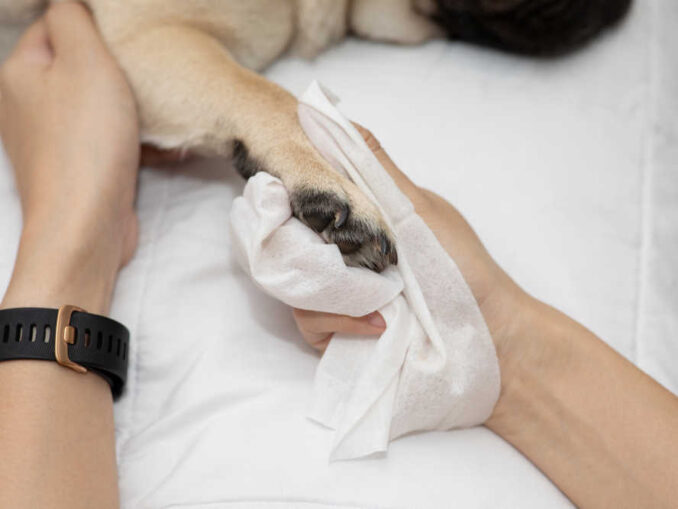
The safest way to clean yeast from dogs paws is to use a veterinarian-recommended antifungal cleanser or medicated wipe. Avoid harsh household chemicals that may irritate the skin.
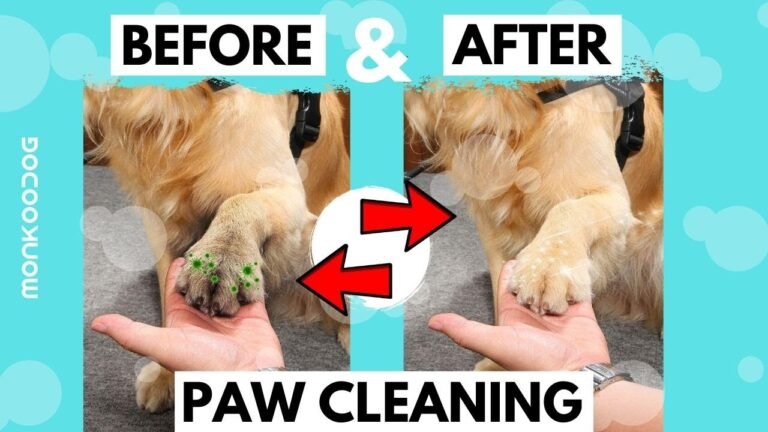
Clean the paws gently and focus on removing debris, excess moisture, and surface yeast while protecting the skin barrier.
Source: i.pinimg.com
Step 1
Inspect the paws for redness, swelling, wounds, or foreign objects.
Step 2
Wash the paws with lukewarm water and an approved antifungal cleanser.
Step 3
Rinse according to product instructions if required.
Step 4
Dry thoroughly between every toe.
Step 5
Prevent licking until the paws are completely dry.
Signs the cleaning process is working
Reduced odor, less licking, decreased redness, and healthier-looking skin are positive signs. Improvement may take days to weeks depending on severity.
Positive sign
Less frequent paw chewing.
What You Need Before Cleaning
Gather supplies before starting so the cleaning session is quick and stress-free for your dog. Using the correct products helps reduce irritation and improves effectiveness.
Always follow product directions and consult your veterinarian if your dog has severe skin disease or open sores.
Source: i.pinimg.com
Antifungal cleanser
Designed for canine skin and paw use.
Soft towels
Used for gentle drying between the toes.
Treats
Help keep the dog calm during cleaning.
Products to avoid
Avoid concentrated disinfectants, bleach, and products not intended for pets unless specifically directed by a veterinarian.
Risk
Harsh products can worsen inflammation.
Why Yeast Keeps Coming Back
Recurring yeast infections usually indicate an underlying issue rather than a cleaning problem. Allergies are one of the most common reasons for repeated infections.
Moisture trapped after walks, swimming, or bathing can also create an environment where yeast continues to grow.
Source: seniortailwaggers.com
Environmental allergies
Can trigger chronic paw inflammation.
Excess moisture
Creates ideal conditions for yeast growth.
Skin disorders
May weaken normal skin defenses.
When cleaning is not enough
If symptoms persist despite regular cleaning, a veterinarian may recommend diagnostic tests and prescription treatment.
Veterinary evaluation
Helps identify the root cause of recurrence.
When to Contact a Veterinarian
Seek veterinary care if the paws are severely swollen, bleeding, painful, or producing discharge. These signs may indicate a more serious infection or a secondary bacterial problem.
Early treatment can prevent chronic skin changes and reduce discomfort for your dog.
Source: i.ytimg.com
Severe redness
May require prescription medication.
Persistent odor
Can signal ongoing yeast overgrowth.
Lameness
Requires prompt veterinary assessment.
Possible veterinary treatments
Treatment may include medicated shampoos, antifungal medications, allergy management plans, or treatment for secondary infections.
Goal
Control yeast while addressing the underlying trigger.
Frequently Asked Questions
Q
Can I clean my dog’s yeast-infected paws every day?
Daily cleaning may be appropriate when recommended by your veterinarian or product instructions. Excessive washing can sometimes irritate the skin, so follow professional guidance.
Q
How long does it take for a yeast paw infection to improve?
Mild cases may improve within several days, while chronic infections can require weeks of treatment and management of underlying causes.
Q
Why do my dog’s paws smell like corn chips?
A musty or corn chip-like odor is commonly associated with yeast and bacteria naturally present on the skin. Strong odors can indicate overgrowth and should be evaluated if persistent.
Q
Can allergies cause yeast infections in dog paws?
Yes. Allergies can damage the skin barrier, increase inflammation, and make yeast overgrowth more likely.
Q
Should I stop my dog from licking its paws?
Yes. Excessive licking keeps the paws moist and can worsen irritation. An Elizabethan collar or veterinary-recommended alternative may help during treatment.
✦ Wrapping Up
Conclusion
Learning how to clean yeast from dogs paws involves more than washing the feet. Effective management includes proper cleaning, complete drying, and identifying the cause of the yeast overgrowth.
Dogs with recurring symptoms often need veterinary guidance to address allergies, skin disease, or other underlying factors. Consistent care helps reduce discomfort and lowers the risk of future flare-ups.
💡 Key Takeaway
Clean affected paws with a veterinarian-approved antifungal product, dry thoroughly after every cleaning, and seek veterinary care if symptoms persist or worsen.
Learn how to clean stained dog paws safely using simple at-home methods. Remove dirt, saliva, grass, and environmental stains while protecting your dog’s paw health.
Learn how to moisturize dog paws safely with paw balms, natural moisturizers, and daily care tips. Discover how to prevent dry, cracked paw pads and keep your dog’s feet healthy.
Learn how to protect dog paws from hot sand with practical beach safety tips, paw protection methods, warning signs of burns, and summer paw care strategies.