Protect dog paws in winter by limiting exposure to ice and salt, using paw balm or boots, and cleaning paws after every walk.
Winter conditions across many parts of the United States can be tough on a dog’s paws. Snow, ice, freezing temperatures, and de-icing chemicals can dry paw pads, cause cracks, and create painful irritation. Dogs that spend time outdoors during winter need extra paw protection to stay comfortable and active.
Understanding how to protect dog paws in winter helps prevent common cold-weather injuries and reduces the risk of discomfort during daily walks. A combination of proper grooming, protective products, and routine paw inspections can keep your dog’s feet healthy throughout the season.
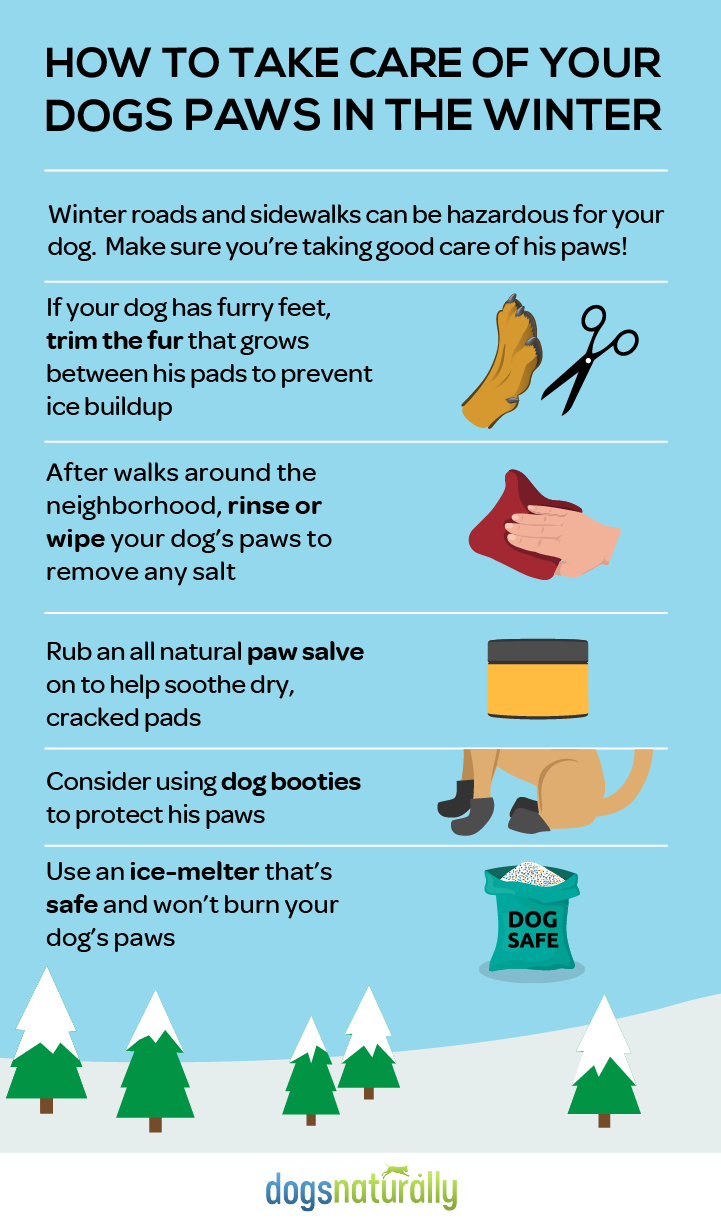
Source: happyhoundscbd.com
Why Winter Is Hard on Dog Paws
Winter surfaces expose dog paws to freezing temperatures, abrasive ice, and chemical de-icers. Repeated contact can remove natural moisture from paw pads, leading to dryness and cracking.
Snow can also collect between the toes and form ice balls. These ice formations may pull on fur, create discomfort, and cause dogs to limp during walks.
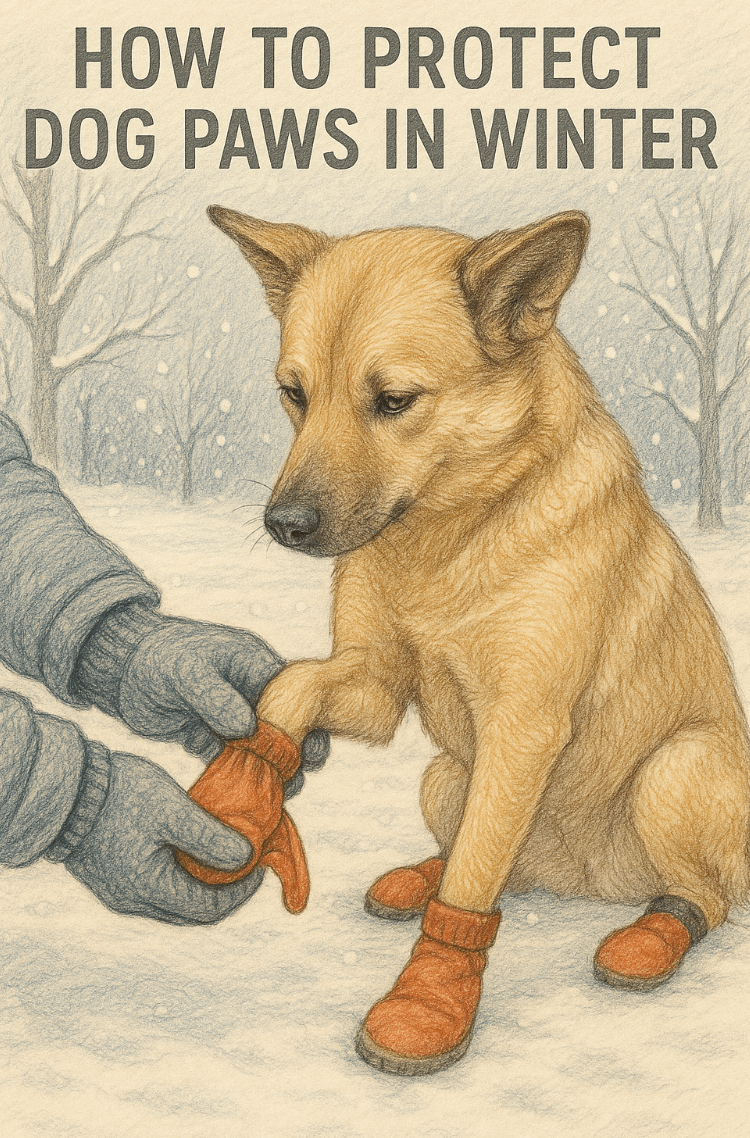
Source: animalia-life.club
Road Salt
Can irritate paw pads and cause digestive upset if licked off.
Ice
May cut or scrape paw pads and create painful pressure points.
Cold Temperatures
Can dry the skin and contribute to cracking.
Dogs Most at Risk
Small breeds, short-haired dogs, senior dogs, and dogs with existing paw injuries may be more sensitive to winter conditions. Active dogs that spend long periods outdoors also face greater exposure to hazards.
Working Dogs
May need additional protection because of prolonged outdoor activity.
Step-by-Step Guide to Protecting Dog Paws in Winter
The best approach combines prevention, protective gear, and regular maintenance. Following a simple routine before and after walks can significantly reduce winter paw problems.
Consistency is important because damage often develops gradually over multiple exposures to cold and rough surfaces.
Source: pawsbro.com
Apply Paw Balm
Create a protective barrier before heading outdoors.
Use Dog Boots
Provide physical protection from ice, snow, and chemicals.
Clean Paws
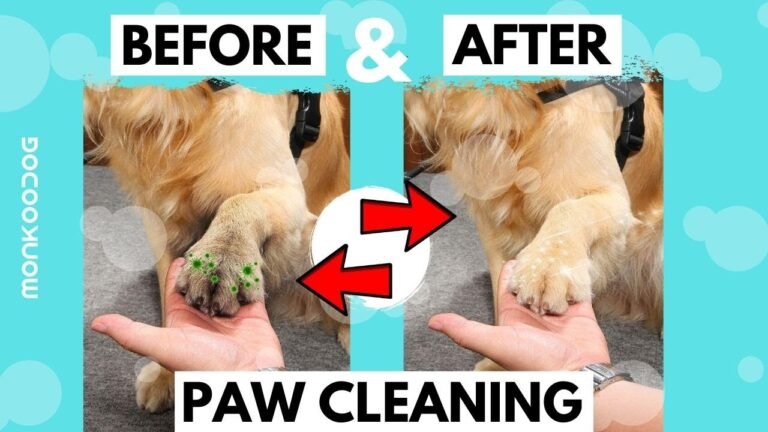
Remove salt and debris immediately after walks.
Signs of Successful Paw Protection
Healthy winter paws remain flexible, free from cracks, and show no redness or swelling. Dogs should walk normally without lifting their feet excessively or limping.
Normal Walking
Indicates paws are comfortable and protected.
Choosing Between Paw Balm and Dog Boots
Both options can help, but they serve different purposes. Paw balm moisturizes and creates a thin barrier, while boots provide complete coverage from snow, salt, and rough surfaces.
Many dog owners use paw balm for everyday walks and reserve boots for severe weather or long outdoor activities.
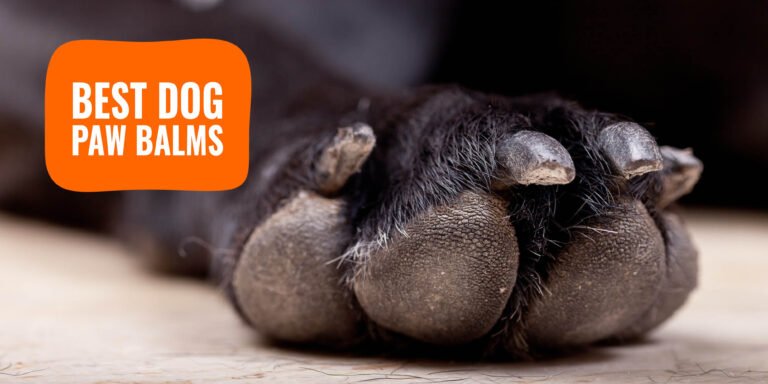
Source: dogtrotting.net
Paw Balm
Easy to apply and suitable for most dogs.
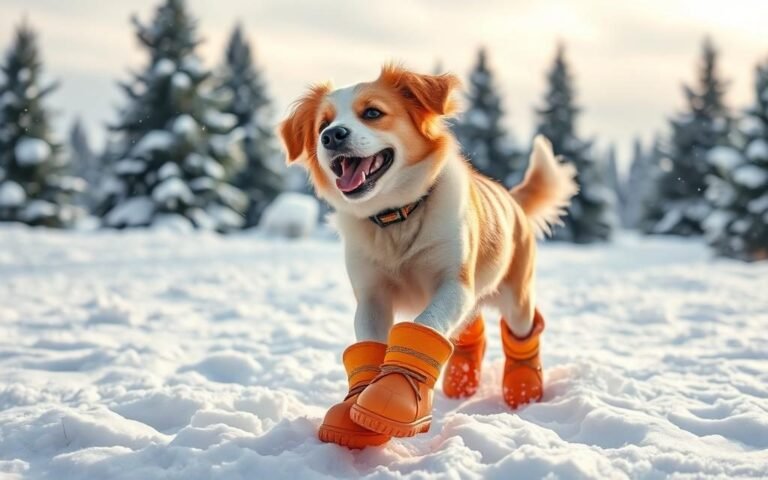
Dog Boots
Offer maximum protection in extreme conditions.
When Boots Are the Better Choice
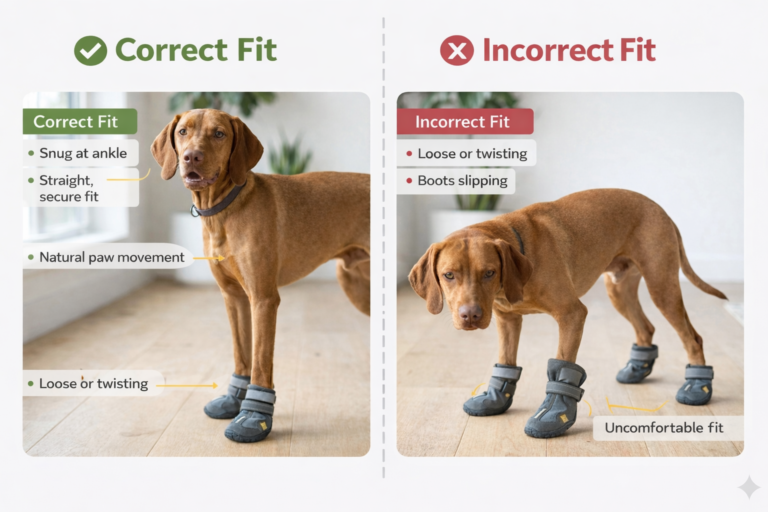
Choose boots when sidewalks are heavily salted, temperatures are extremely low, or your dog spends extended time outdoors. Proper fit is essential to prevent rubbing and slipping.
Long Winter Hikes
Boots reduce direct contact with snow and ice.
How to Protect Dog Paws from Salt and De-Icing Chemicals
Road salt is one of the most common winter hazards for dogs. It can irritate paw pads and may be harmful if ingested after your dog licks its feet.
Avoid heavily treated areas when possible and rinse paws after every outdoor trip. A simple wipe-down can remove many harmful residues.
Source: storage.googleapis.com
Avoid Salt Piles
Walk on cleared paths when possible.
Rinse After Walks
Remove chemicals before they dry on the skin.
What to Do If Irritation Develops
Wash the paws with lukewarm water and monitor for redness, swelling, or persistent licking. Contact a veterinarian if symptoms continue or worsen.
Seek Veterinary Advice
Necessary for severe irritation or visible injury.
Common Winter Paw Care Mistakes
Many owners focus only on outdoor protection and overlook grooming and inspection. Small issues can become painful injuries if left untreated.
Checking paws daily during winter helps identify problems before they become serious.
Source: homesweetpups.com
Skipping Paw Checks
Can allow injuries to go unnoticed.
Using Poorly Fitted Boots
May cause rubbing and discomfort.
Ignoring Excessive Licking
Often signals irritation or pain.
When Professional Help Is Needed
Deep cracks, bleeding, persistent limping, or signs of infection require veterinary evaluation. Early treatment can prevent complications.
Persistent Limping
Should always be investigated by a veterinarian.
Winter Paw Protection Checklist
A simple checklist can help ensure your dog stays comfortable throughout the season. Prepare before walks and inspect paws afterward.
This routine works for most dogs regardless of breed or activity level.
Source: rescuedogs101.com
Before Walks
Apply balm or fit boots correctly.
During Walks
Avoid heavily salted or icy areas.
After Walks
Clean, dry, and inspect every paw.
Daily Maintenance
Trim excess fur around the paws and keep nails at an appropriate length. Proper grooming reduces ice buildup and improves traction.
Regular Grooming
Supports overall paw health throughout winter.
Frequently Asked Questions
Q
Do dogs need boots in winter?
Not every dog requires boots, but they provide excellent protection in harsh conditions. Dogs exposed to snow, ice, road salt, or long outdoor activities often benefit from wearing them.
Q
Can snow damage a dog’s paws?
Yes. Snow and ice can dry paw pads, create painful cracks, and form ice balls between the toes. Regular cleaning and protection help prevent these problems.
Q
Is paw balm enough for winter walks?
Paw balm may be sufficient for short walks in mild winter conditions. In severe weather or heavily salted areas, boots usually provide better protection.
Q
How often should I inspect my dog’s paws in winter?
Check paws after every outdoor walk. Frequent inspections help identify cuts, cracks, irritation, and ice buildup before they worsen.
Q
What are signs of winter paw injuries?
Common signs include limping, excessive licking, redness, swelling, bleeding, cracked pads, and reluctance to walk. Veterinary care may be needed if symptoms persist.
✦ Wrapping Up
Conclusion
Learning how to protect dog paws in winter helps prevent discomfort, injuries, and exposure to harmful chemicals. A proactive routine that includes paw protection, cleaning, and regular inspections is the most effective strategy.
Whether you choose paw balm, boots, or a combination of both, consistent winter paw care allows your dog to enjoy outdoor activities more safely during the colder months.
💡 Key Takeaway
Before every winter walk, protect the paws with balm or boots, then clean and inspect them immediately after returning home.
Learn how to clean dog paws naturally using water, gentle homemade solutions, and simple grooming techniques. Keep your dog’s paws clean, healthy, and comfortable after walks.
Learn how to use paw balm for dogs correctly. Discover when to apply it, how much to use, common mistakes, safety tips, and ways to keep your dog’s paw pads healthy year-round.
Learn how to clean stained dog paws safely using simple at-home methods. Remove dirt, saliva, grass, and environmental stains while protecting your dog’s paw health.