If your dog’s paw pads are peeling, first protect the paws from further irritation, gently clean them, prevent licking, and reduce walking on hot, rough, icy, or chemically treated surfaces. Mild surface peeling may improve with rest and appropriate paw protection, but raw tissue, bleeding, significant pain, burns, swelling, infection, or persistent peeling should be evaluated by a veterinarian.
For dog owners in the United States, peeling paw pads are often linked to everyday environmental exposure, including hot pavement, rough concrete, ice, road salt, chemicals, excessive friction, or dry conditions. However, peeling is a symptom rather than a diagnosis. Allergies, infections, foreign objects, inflammatory skin disease, and hyperkeratosis can also affect the paw pads and may require veterinary treatment.
The safest approach is to determine whether the pad is simply dry and flaky or actually injured. A dog with superficial dryness may need protection and moisture management, while a dog with a torn, burned, infected, or deeply cracked pad needs professional assessment. Treating the appearance alone without addressing the cause can allow the problem to return.
Source: cdn.shopify.com
What Causes Dog Paw Pads to Peel?
The cause determines the safest treatment. A dog’s paw pads are designed to tolerate friction and temperature changes, but they can still become damaged when exposure exceeds what the tissue can handle. Peeling can occur after direct injury, repeated irritation, inflammation, or changes in the outer layer of the skin.
One of the most common environmental problems is excessive heat. During warm weather in the United States, asphalt, concrete, sand, and other outdoor surfaces can become hot enough to injure paw pads. Winter conditions can cause a different type of irritation when ice, snow, road salt, and de-icing products contact the feet.
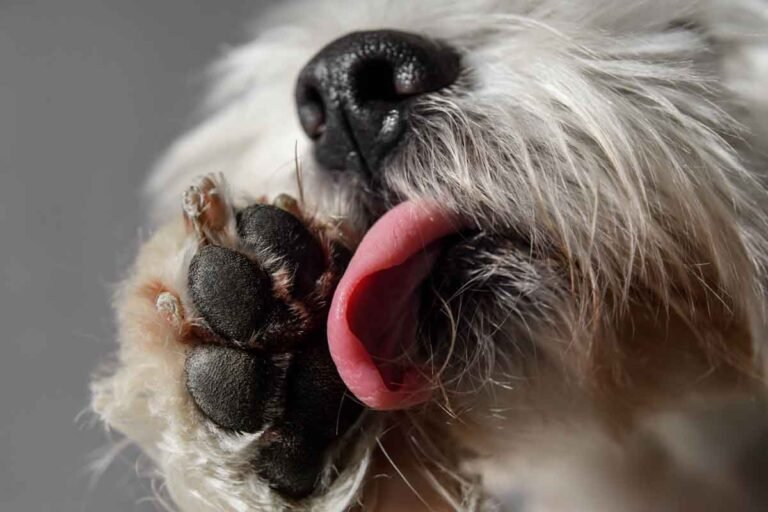
Persistent licking is another important clue. Dogs may lick their paws because of allergies, irritation, pain, parasites, infection, or a foreign object. Repeated licking and chewing damages the skin barrier and can contribute to secondary bacterial or yeast infections.
Source: cdn-prd.content.metamorphosis.com
Hot surfaces
Hot pavement, asphalt, sand, and other heated surfaces can cause burns, blistering, cracking, and peeling.
Rough or abrasive terrain
Repeated walking or running on rough concrete, rocky ground, or other abrasive surfaces can create friction and wear away the outer pad layer.
Cold weather and road salt
Ice, freezing surfaces, salt, and de-icing chemicals can irritate or injure paw pads.
Allergies and dermatitis
Environmental or food-related allergies can cause itchy, inflamed paws, with licking and chewing making the damage worse.
Infection
Bacterial or yeast infections can cause redness, irritation, scaling, odor, discharge, and persistent paw licking.
Foreign objects
Splinters, grass awns, glass, stones, or other objects can cause localized pain and injury, particularly when only one paw is affected.
Hyperkeratosis
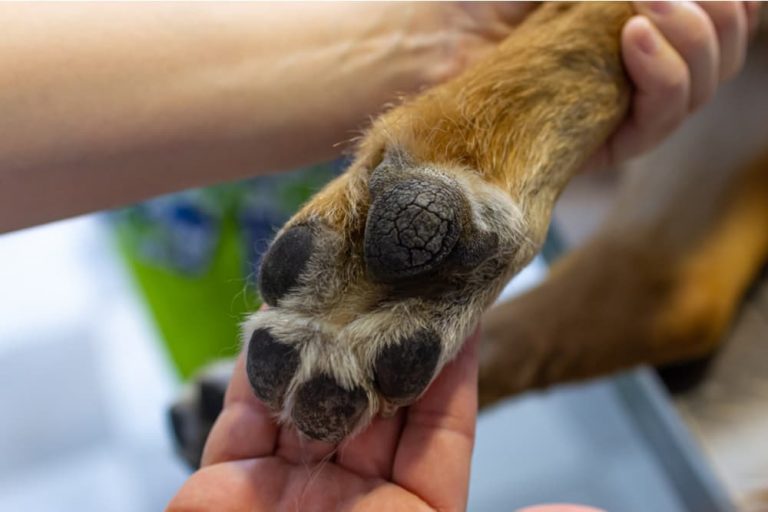
Some dogs develop excessive thickening and hardening of the outer skin layer, which can make the pads rough, scaly, cracked, or prone to splitting.
How to Tell Simple Peeling From an Injury
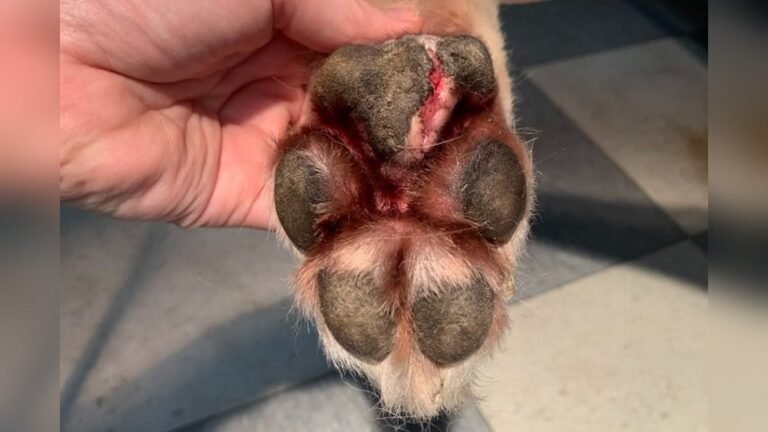
Mild peeling usually involves a small amount of dry or flaky outer material while the underlying pad remains intact and your dog walks normally. An injury is more concerning when the pad is raw, bleeding, discolored, blistered, deeply cracked, swollen, or painful.
Pay attention to your dog’s behavior as well. Limping, repeatedly lifting a paw, refusing to walk, excessive licking, or reacting strongly when the foot is touched suggests that the problem may be more than ordinary dryness.
Usually milder
Small areas of superficial dryness or flaking with normal walking and no obvious pain.
More concerning
Raw or exposed tissue, bleeding, blisters, deep cracks, swelling, discharge, strong odor, discoloration, or limping.
How to Treat Dogs Paw Pads Peeling at Home
If the peeling is mild, the paw is not bleeding or deeply damaged, and your dog is walking comfortably, basic supportive care can help protect the pad while it recovers. The goal is to remove irritants, reduce friction, maintain a healthy skin barrier, and stop the dog from repeatedly traumatizing the area.
Home care is not a substitute for veterinary treatment when the pad is burned, deeply torn, infected, or persistently painful. When in doubt, especially after a suspected burn or chemical exposure, contact a veterinarian.
Source: yourvetfriend.com
1. Inspect the paw carefully
Look at the entire paw, including the pad surface, between the toes, around the nails, and the top of the foot. Check for cuts, swelling, foreign material, blisters, discharge, or signs of pain.
2. Clean away irritants
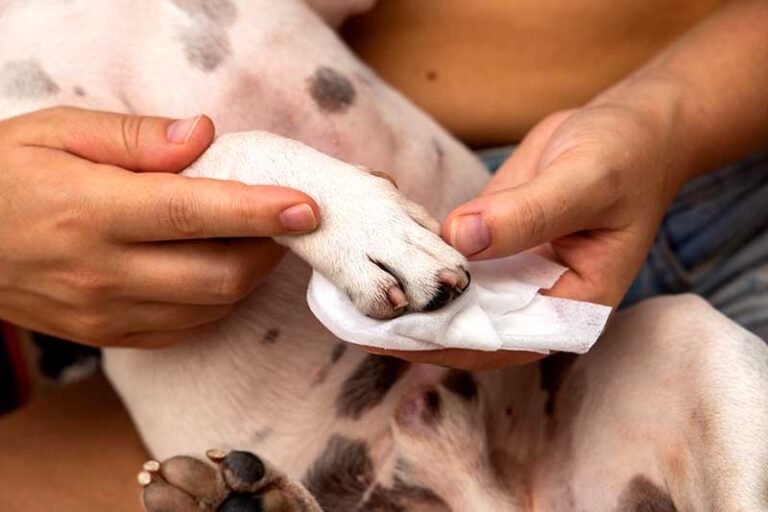
Rinse the paw with clean water to remove dirt, salt, or other surface contaminants. For a minor injury, gentle cleaning with a mild pet-safe cleanser may be appropriate. Avoid harsh disinfectants or chemicals unless specifically directed by a veterinarian.
3. Dry the paw thoroughly
Gently pat the paw dry after cleaning, including between the toes. Excess moisture can contribute to skin irritation and microbial overgrowth.
4. Reduce activity temporarily
Limit running, jumping, long walks, and rough outdoor activity while the pad is recovering. Short, controlled walks on a comfortable surface reduce additional friction.
5. Prevent licking and chewing
Repeated licking can reopen damaged tissue and increase irritation. If your dog cannot leave the paw alone, ask your veterinarian about an appropriate protective method or recovery collar.
6. Use appropriate paw protection
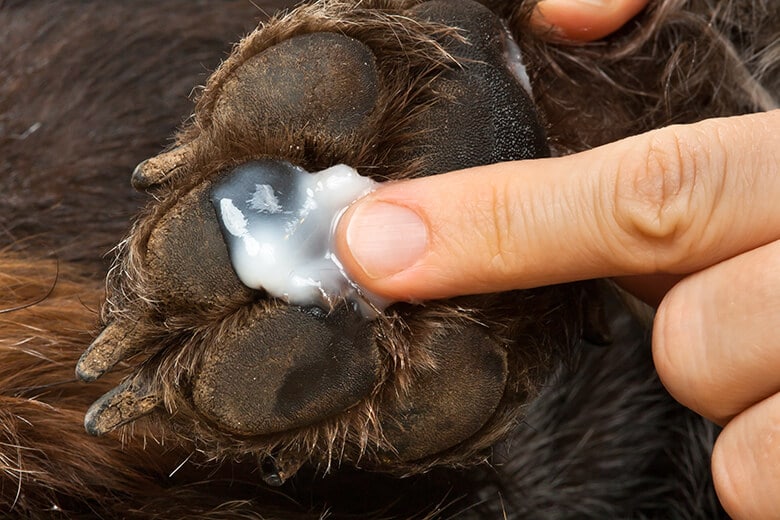
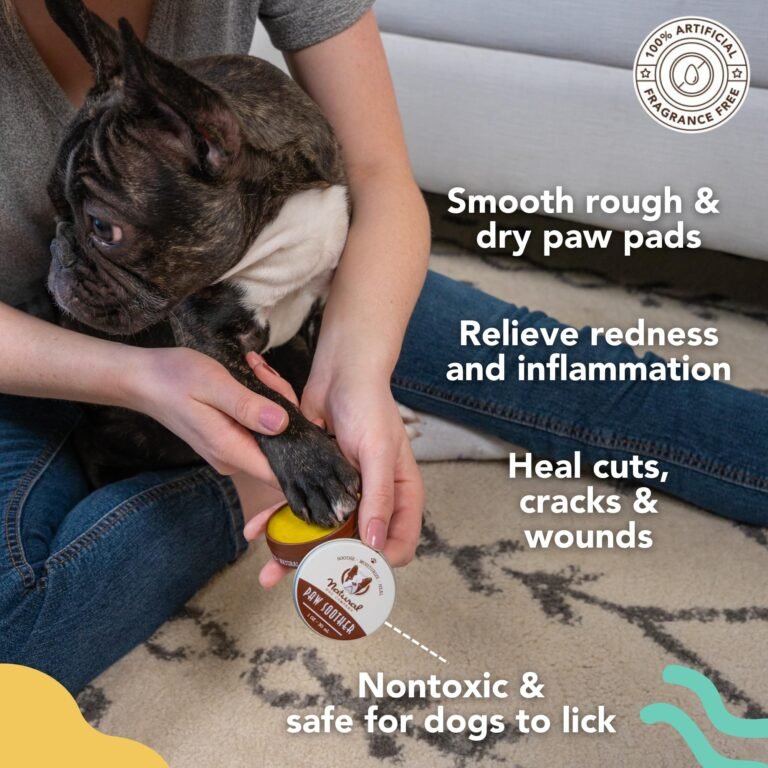
For simple dryness or mild irritation, a dog-specific paw balm or moisturizer may help support the skin barrier. Choose a product intended for dogs and prevent your dog from repeatedly ingesting it by licking.
Should You Peel Off the Loose Paw Pad Skin?
Do not deliberately pull, cut, or peel away skin that remains attached to the paw. The loose-looking material may still protect sensitive tissue underneath, and removing it can create a larger wound. If a flap is hanging from a significant injury, let a veterinarian determine whether it should be trimmed or treated.
Leave attached tissue alone
Do not pull off attached skin simply because it looks loose or unattractive.
Seek veterinary care for large flaps
A substantial flap, exposed tissue, deep split, or painful wound should be assessed by a veterinarian.
What to Do After a Suspected Paw Burn
If your dog develops paw pain or limping after walking on a very hot surface, move the dog away from the heat and gently cool the paws with room-temperature water. Avoid extreme cold or ice directly on damaged tissue. Burns can be deeper than they initially appear, so veterinary evaluation is appropriate when there is blistering, significant discoloration, exposed tissue, severe pain, or persistent lameness.
Stop exposure
Move your dog away from the hot, cold, or chemically contaminated surface.
Cool gently
For suspected heat injury, use room-temperature water rather than ice or extremely cold water.
Call your veterinarian
Contact a veterinary professional for burns, significant discoloration, exposed tissue, blistering, or ongoing pain.
When Peeling Paw Pads Need a Veterinarian
Veterinary care is necessary when the paw pad is more than mildly dry or flaky, when the cause is unclear, or when the condition does not improve with basic protection. Paw injuries can be stubborn because dogs must continue using their feet to walk, and repeated weight-bearing can reopen damaged tissue.
A veterinarian may need to determine whether the problem is an injury, infection, allergy, foreign body, hyperkeratosis, immune-mediated disease, or another condition. Depending on the findings, diagnostic testing can include skin sampling, examination for parasites, blood testing, imaging, or biopsy.
Source: i.ytimg.com
Bleeding
Seek veterinary attention if bleeding is substantial or does not stop with sustained gentle pressure.
Deep cracks or tears
Deep wounds can reopen with every step and may require professional wound care, pain control, or other treatment.
Burns
Paw burns should be taken seriously, particularly when blistering, discoloration, exposed tissue, or significant pain is present.
Infection signs
Redness that is worsening, swelling, pus, foul odor, warmth, or increasing pain can indicate infection.
Persistent limping
Limping suggests pain or a more significant injury and should not be ignored.
Recurring peeling
Repeated episodes can point to allergies, chronic inflammation, hyperkeratosis, infection, or another underlying disorder.
Deep foreign object
Do not dig into the paw to remove a deeply embedded splinter, glass fragment, or other object. A veterinarian can remove it safely.
What Veterinary Treatment May Involve
Treatment depends on the underlying cause rather than the peeling alone. A veterinarian may clean and protect an injured pad, prescribe pain medication when appropriate, treat a bacterial or yeast infection, manage allergies, remove a foreign body, or investigate an underlying systemic condition.
For chronic paw inflammation, treatment may require ongoing management rather than a single course of medication. Following the prescribed plan is particularly important when allergies or another recurring condition is involved.
Injury care
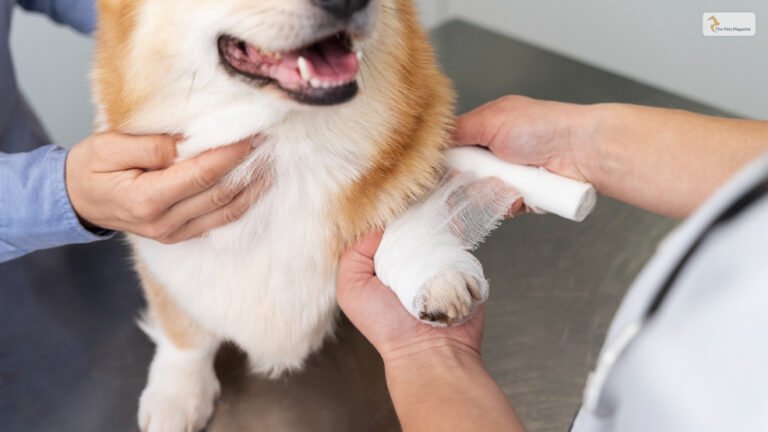
Wounds may need cleaning, protective bandaging, restricted activity, and veterinary monitoring.
Infection treatment
Bacterial or yeast infections may require targeted veterinary treatment based on the clinical findings.
Allergy management
When allergies trigger paw inflammation and licking, controlling the underlying allergy is central to preventing repeated damage.
Foreign-body removal
Objects that are deeply embedded or difficult to remove safely at home should be handled by a veterinarian.
How to Prevent Paw Pad Peeling in Dogs
Prevention focuses on reducing avoidable environmental stress and checking the paws regularly. In the United States, seasonal conditions vary considerably, so paw protection should change with the weather and your dog’s activities.
Inspect your dog’s paws after walks, hikes, trips to the beach, or exposure to snow and ice. Regular checks can identify small cracks, cuts, debris, or irritation before they become larger problems.
Source: dogisa.com
Avoid very hot pavement
Walk during cooler parts of the day and choose shaded or softer surfaces when pavement is excessively hot.
Protect paws in winter
After walks in snow or areas treated with road salt or de-icers, rinse and dry the paws and check between the toes.
Build activity gradually
Sudden increases in running or long walks can increase friction and mechanical stress on the pads.
Inspect after outdoor activities
Check for stones, splinters, grass awns, cuts, cracking, or foreign material.
Keep paws clean and dry
Cleaning after walks can remove irritants, while thorough drying helps prevent prolonged moisture between the toes.
Consider protective gear when appropriate
Well-fitted dog boots can provide a physical barrier in certain environments, but they should be introduced gradually and checked regularly for rubbing or pressure.
How Often Should You Check Your Dog’s Paw Pads?
A quick inspection after walks is useful when your dog has a history of paw problems or has been exposed to unusual terrain, extreme temperatures, snow, salt, or chemicals. At minimum, make paw inspection part of regular grooming and handling so changes are noticed early.
After challenging walks
Inspect immediately after hiking, running, beach trips, hot pavement exposure, or winter walks.
During routine grooming
Look for dryness, cracks, scaling, redness, swelling, foreign objects, and changes in pad texture.
Common Mistakes to Avoid When Treating Peeling Paw Pads
The most common mistakes are treating a potentially serious injury as simple dryness, continuing the activity that caused the damage, and using products that are inappropriate for damaged skin. Because paw pads are weight-bearing tissue, even a small wound can become difficult to heal if the dog repeatedly walks on it or licks it.
Avoid assuming that every peeling paw is caused by dry weather. If peeling keeps returning, affects multiple paws, or occurs alongside itching, redness, swelling, or recurrent licking, the underlying cause should be investigated.
Source: learnaboutpet.com
Do not pull peeling skin
Removing attached tissue can expose sensitive areas and enlarge the injury.
Do not continue strenuous exercise
Running on damaged pads can cause additional trauma and delay healing.
Do not use harsh household chemicals
Strong disinfectants and other chemicals can further irritate or damage compromised skin.
Do not ignore repeated licking
Persistent licking can signal allergies, infection, pain, a foreign object, or another underlying problem.
Do not dig for deeply embedded objects
Attempting to excavate a deep foreign body can worsen tissue damage and pain.
Do not assume a balm fixes the cause
A moisturizer may support a dry pad, but it will not resolve an infection, allergy, foreign body, burn, or systemic condition.
A Simple Decision Guide for Peeling Dog Paw Pads
Use the appearance and your dog’s behavior to decide whether basic care is reasonable or veterinary evaluation is needed. This guide is a starting point, not a substitute for a veterinary examination.
Source: healthyhomemadedogtreats.com
Mild dryness or superficial flaking
Clean and dry the paws, reduce irritating surfaces, limit excessive activity, and consider a dog-specific paw moisturizer. Monitor closely.
Peeling with frequent licking or redness
Arrange a veterinary evaluation because allergies, dermatitis, infection, or another underlying cause may be contributing.
Cracked, torn, blistered, or raw pad
Contact a veterinarian, particularly if your dog is limping or appears painful.
Burn or chemical exposure
Remove the dog from the exposure, rinse appropriately when relevant, and contact a veterinarian for guidance.
Bleeding, pus, severe swelling, or exposed tissue
Seek prompt veterinary care rather than relying on home treatment.
Repeated or unexplained peeling
Schedule a veterinary examination to identify and treat the underlying cause.
Frequently Asked Questions
Q
Will a dog’s peeling paw pad heal on its own?
Mild superficial peeling caused by temporary dryness or environmental irritation may improve when the trigger is removed and the paw is protected. A torn, burned, infected, or deeply cracked pad is less likely to resolve safely without veterinary care.
Q
What can I put on a dog’s peeling paw pads?
For mild dryness, a paw moisturizer or balm formulated for dogs may help support the skin barrier. Avoid applying harsh chemicals or medications intended for people unless a veterinarian specifically recommends them. Products should not replace treatment for wounds, infections, burns, or allergies.
Q
Can hot pavement make a dog’s paw pads peel?
Yes. Excessive heat can injure paw pads and lead to pain, redness, blistering, cracking, or peeling. During hot weather, use cooler walking times and avoid surfaces that are uncomfortably hot.
Q
Why does my dog keep licking a peeling paw?
Licking can occur because the paw is painful, itchy, inflamed, or irritated. Allergies, bacterial or yeast infections, foreign objects, injuries, and other skin conditions can cause persistent licking. Repeated licking can further damage the paw and should be investigated if it continues.
Q
When is peeling paw skin an emergency?
Seek urgent veterinary help for uncontrolled bleeding, severe pain, major burns, extensive tissue damage, significant swelling, deep wounds, or a serious chemical exposure. A veterinarian should also assess a paw that is rapidly worsening or preventing the dog from walking normally.
✦ Wrapping Up
Conclusion
Treating peeling paw pads starts with identifying why the pad is peeling. Mild surface dryness can often be managed by cleaning and drying the paws, reducing friction and environmental exposure, preventing licking, and using appropriate dog-specific paw protection. More serious injuries require veterinary assessment because paw pads are weight-bearing tissue and can be slow to heal when repeatedly traumatized.
If peeling is recurrent, affects several paws, or occurs with persistent licking, redness, swelling, odor, discharge, or pain, do not treat it as simple dryness. Identifying the underlying cause, such as allergies, infection, foreign material, inflammation, or hyperkeratosis, is the key to preventing repeated damage.
💡 Key Takeaway
Inspect the affected paw today, gently clean and dry it, stop exposure to the suspected irritant, and restrict strenuous activity. If there is a burn, deep crack, bleeding, exposed tissue, infection, significant pain, or persistent peeling, contact your veterinarian.
Learn how to treat cracked dog paws safely at home. Discover common causes, step-by-step treatment, prevention tips, and signs that require veterinary care.
Learn how to clean white dog paws safely and effectively. Remove dirt, grass stains, mud, and discoloration while keeping your dog’s paws healthy and bright.
Learn how to harden dog paw pads safely through gradual conditioning, routine inspections, proper paw care, and protection from heat, ice, chemicals, and rough terrain.
Learn when to see vet for dog paw pad injury, which symptoms require urgent care, how to provide first aid, and when home treatment is no longer enough.