If your veterinarian has told you to remove your dog’s paw bandage, remove it slowly and carefully with blunt-tipped bandage scissors, keeping the scissors away from the skin and stopping if the dressing is stuck to the wound. Do not remove a veterinary bandage or splint simply because it looks ready to come off; follow the schedule provided by your U.S. veterinary clinic.
For dog owners in the United States, removing a paw bandage is usually a simple process when the bandage was intended for home removal. The important distinction is whether your veterinarian has actually instructed you to remove it. Veterinary guidance recommends that owners not remove a bandage or splint unless directed to do so, because the dressing may be protecting a wound, surgical site, broken nail, or injured tissue that still needs protection. :contentReference[oaicite:0]{index=0}
A paw bandage normally contains several layers, including a wound-contact dressing, padding, and an outer securing layer. Removing only the visible outer material may therefore not expose the wound immediately. Work gradually, avoid pulling material off the skin, and examine the paw once the dressing is completely removed. If the wound is bleeding, has significant swelling, produces foul-smelling or colored discharge, or appears worse, contact a veterinarian rather than trying to manage the problem yourself. :contentReference[oaicite:1]{index=1}
Source: i.ytimg.com
When should you remove a bandage from a dog’s paw?
The safest time to remove a dog paw bandage is the time specified by your veterinarian. The required interval varies with the reason for the bandage, the type of injury, whether infection is present, and whether a splint or other support is also being used. Veterinary guidance specifically advises owners not to remove a bandage or splint unless instructed to do so. :contentReference[oaicite:2]{index=2}
If the bandage becomes wet, heavily soiled, foul-smelling, saturated with blood or discharge, slips out of position, or appears too tight or too loose, do not simply assume that routine removal is appropriate. Contact the veterinary clinic because the bandage may need to be changed or the paw examined sooner than planned. :contentReference[oaicite:3]{index=3}
Source: c8.alamy.com
Planned removal
Remove the bandage when your veterinarian has specifically told you that it is ready to come off.
Unexpected problems
Call your veterinary clinic if the bandage becomes wet, dirty, loose, tight, smelly, bloody, or associated with swelling or color changes.
Splints
Do not remove a splint at home unless your veterinarian has specifically instructed you to do so because a splint is intended to immobilize an injured area.
Do not remove a bandage just because your dog dislikes it
Dogs commonly try to lick or chew bandages, but that behavior is not a reason to remove the dressing without veterinary direction. A protective collar may be recommended to prevent access to the bandage or wound while healing continues. :contentReference[oaicite:4]{index=4}
Sudden chewing
If your dog suddenly starts chewing a bandage that previously did not bother them, contact the veterinary clinic because a developing problem may be causing the behavior.
What you need before removing a dog paw bandage
Prepare everything before you begin so you do not have to restrain your dog while searching for supplies. A calm environment and good lighting are particularly useful because paw bandages can contain several layers and the dog’s skin may be close to the cutting area.
Blunt-tipped bandage scissors are preferable to ordinary household scissors because they are designed to reduce the risk of accidentally cutting the skin while cutting dressings. Pet wound-care guidance also recommends bandage scissors for removing bandage material safely. :contentReference[oaicite:5]{index=5}
Source: i.pinimg.com
Blunt-tipped bandage scissors
Use these to cut the outer bandage material. Keep the cutting edge directed away from the paw.
Clean hands
Wash your hands before handling the bandage and the wound.
Clean towel or disposable pad
Use a clean surface to support the paw and protect the surrounding area.
Good lighting
Adequate lighting makes it easier to distinguish bandage material from fur and skin.
Veterinary instructions
Keep the discharge instructions or your veterinary clinic’s contact information available in case the paw does not look as expected.
Choose a calm time
Remove the bandage when your dog is calm and can be safely handled. If your dog is frightened, painful, repeatedly pulling away, growling, snapping, or trying to bite, stop rather than forcing the procedure. A veterinary professional can remove a difficult dressing while managing pain and restraint safely.
Keep the paw supported
Support the limb gently without twisting the paw or forcing a painful joint into an unusual position.
How to remove a bandage from a dog paw step by step
Remove the bandage slowly, starting with the outermost layer and working toward the wound-contact dressing. Do not yank the bandage, twist the paw, or cut blindly through multiple layers. The goal is to separate the dressing from the paw without disturbing healing tissue.
If your veterinarian gave you specific removal instructions, follow those instructions instead of this general procedure because the exact dressing and underlying injury can change what is appropriate.
Source: c8.alamy.com
1. Position your dog comfortably
Have your dog sit or lie in a stable position. If another responsible adult can calmly assist with restraint, that can make the procedure safer.
2. Inspect the outside first
Look for wetness, blood, discharge, swelling, slipping, or unusual odor before cutting. Concerning findings are reasons to contact the veterinary clinic.
3. Find an outer edge
Locate the end or overlap of the outer wrapping rather than starting at the wound area.
4. Cut the outer layer carefully
Use blunt-tipped bandage scissors to cut through the bandage material while keeping the scissors away from the skin.
5. Unwrap rather than pull
Gently unwind the loosened material. If a layer is adhered to fur, avoid ripping it away because pulling can cause discomfort and skin trauma.
6. Remove the remaining dressing slowly
Once the outer layers are off, determine whether the wound-contact pad separates easily. If it is stuck to the wound, stop and contact your veterinarian rather than forcibly removing it.
7. Examine the paw
Once the bandage is off, look for bleeding, swelling, redness, discharge, odor, discoloration, damaged skin, or worsening pain.
What if the bandage is stuck to the wound?
Do not pull a dressing that is firmly attached to healing tissue. A stuck dressing can remove fragile tissue or restart bleeding when peeled away. Contact your veterinarian for instructions about the particular dressing and wound rather than improvising a removal technique.
Stop pulling
Leave the adhered material in place until you receive appropriate veterinary guidance.
Do not cut through the wound-contact area
Cutting close to or through material that is directly against the wound increases the risk of injuring the paw.
How to check a dog’s paw after removing the bandage
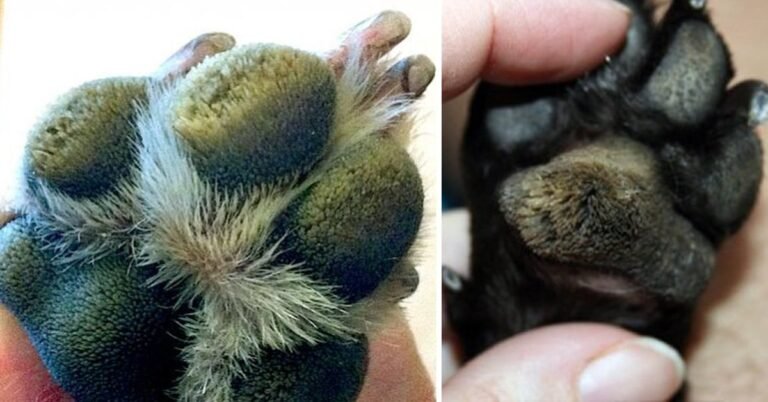
After removal, compare the paw with the other paw when possible. The purpose of this check is to identify problems that may require veterinary attention, not to diagnose the injury yourself. Swelling, color changes, discharge, foul odor, increasing pain, or worsening lameness can indicate a complication. :contentReference[oaicite:6]{index=6}
A small amount of irritation from a bandage may occur, but worsening redness, swelling, pain, or discharge should not be dismissed as normal healing. If the wound looks worse rather than progressively better, contact your veterinarian.
Source: i.ytimg.com
Check the wound
Look for separation of the wound edges, active bleeding, increasing redness, swelling, pus, or other abnormal discharge.
Check the toes and paw
Look for unusual swelling, temperature changes, discoloration, or tenderness.
Check the surrounding skin
Look for chafing, pressure irritation, dampness, or skin damage caused by the bandage.
Check your dog’s behavior
Persistent licking, chewing, worsening limping, or obvious pain should prompt a call to the veterinary clinic.
What does a healing paw normally look like?
Healing varies according to the injury, so there is no single appearance that applies to every dog. Your veterinarian’s expected healing signs are more useful than a generic checklist. If redness or swelling is increasing, the wound develops an unpleasant odor or discharge, or your dog becomes more painful, veterinary assessment is appropriate. :contentReference[oaicite:7]{index=7}
Use the other paw as a comparison
Comparing appearance can help you notice obvious differences, although the injured paw may naturally look different during healing.
When you should not remove the dog paw bandage yourself
Some bandages are part of a treatment plan that should be managed by a veterinary professional. This is particularly relevant when a paw has a deep wound, significant infection, a surgical incision, a fracture, a splint, a drain, or an injury that requires ongoing monitoring.
A veterinary clinic should also be contacted if the bandage is causing concerning symptoms. Veterinary sources identify swelling, color changes, foul odor, discharge, excessive discomfort, slipping, and wet or soiled bandages as reasons for prompt veterinary attention. :contentReference[oaicite:8]{index=8}
Source: everycreaturecounts.org
Deep or severe injury
Do not rely on home bandage removal when the injury is deep, exposes deeper tissue, involves a suspected fracture, or causes significant pain.
Persistent bleeding
If bleeding continues or restarts significantly after removal, contact a veterinarian promptly. VCA advises emergency veterinary care when bleeding from a foot-pad injury cannot be controlled within 10 to 15 minutes of pressure. :contentReference[oaicite:9]{index=9}
Signs of infection
Foul odor, pus or abnormal discharge, increasing redness, swelling, or worsening pain warrant veterinary evaluation.
Possible circulation problem
Marked swelling or abnormal color of the toes or tissue below or above a bandage can indicate a problem requiring prompt assessment.
Your dog cannot tolerate handling
If your dog is too painful or distressed to allow safe removal, have a veterinary professional perform the procedure.
What if the bandage has already fallen off?
If a veterinary-applied bandage comes off unexpectedly, contact the veterinary clinic rather than automatically replacing it yourself. The clinic may want to examine the paw or provide instructions based on the original injury. VCA specifically advises contacting the veterinary clinic if a dog removes its own bandage. :contentReference[oaicite:10]{index=10}
Do not improvise a tight replacement
An incorrectly applied limb bandage can impair circulation or cause additional injury, so replacement should follow veterinary instructions.
Common mistakes when removing a dog paw bandage
Most problems occur when owners rush, pull material away from the skin, or assume that every paw bandage can be removed in the same way. Veterinary wound-care guidance emphasizes careful handling and warns that limbs are particularly easy to wrap too tightly. :contentReference[oaicite:11]{index=11}
Avoid applying new products to the wound simply because the paw looks irritated. Unless your veterinarian has recommended a specific product, cleaning and wound care should follow the veterinary plan. VCA specifically cautions against applying soaps, alcohol, hydrogen peroxide, tea tree oil, or other products to wounds unless directed by a veterinarian. :contentReference[oaicite:12]{index=12}
Source: i.ytimg.com
Using regular scissors carelessly
Ordinary scissors can be harder to control around a dog’s skin. Use blunt-tipped bandage scissors when cutting bandage material.
Pulling off a stuck dressing
Forceful removal can traumatize healing tissue and cause bleeding.
Removing the bandage too early
The wound may still need protection even when the outside of the bandage looks clean.
Ignoring changes after removal
Swelling, abnormal color, odor, discharge, increasing pain, or worsening lameness should not be ignored.
Applying household chemicals
Do not use alcohol, hydrogen peroxide, or other potentially irritating products on the wound unless specifically directed by your veterinarian.
Should you bathe the paw immediately after removing the bandage?
Not necessarily. Whether the paw should be cleaned, soaked, dried, medicated, or left alone depends on the injury and your veterinarian’s instructions. Unnecessary cleaning or products can interfere with the healing process, so follow the treatment plan rather than automatically bathing the paw.
Follow the wound-care plan
Use only the cleaning method or medication recommended for your dog’s specific injury.
What to do after the bandage is removed
Once the bandage is removed and the paw has been checked, follow your veterinarian’s instructions for the next stage of wound care. Some injuries can remain uncovered after the scheduled bandage period, while others need another dressing, medication, activity restriction, or a recheck appointment.
Prevent your dog from licking or chewing the injury if your veterinarian has advised that it remain protected. An Elizabethan collar or another veterinary-approved barrier may be needed because licking and chewing can interfere with healing. :contentReference[oaicite:13]{index=13}
Source: c8.alamy.com
Follow medication instructions
Give or apply prescribed medications exactly as directed and do not discontinue prescribed treatment without veterinary advice.
Limit activity when instructed
Running and jumping can stress an injured paw and may interfere with wound healing.
Prevent licking
Use an appropriate protective collar or other measure recommended by your veterinary team.
Keep follow-up appointments
A scheduled recheck can be important for wounds, infections, surgical sites, broken nails, or injuries requiring repeated bandage changes.
When should you call the veterinarian after removal?
Contact your veterinarian if the wound is bleeding, increasingly swollen or painful, has foul-smelling or abnormal discharge, appears infected, or is not progressing as expected. For serious wounds or uncontrolled bleeding, seek urgent veterinary care rather than waiting for a routine appointment. :contentReference[oaicite:14]{index=14}
Prompt veterinary contact
Use your veterinary clinic when the paw looks abnormal or your dog is experiencing worsening discomfort.
Emergency care
Seek emergency veterinary attention for severe injury, uncontrolled bleeding, suspected open fracture, exposed deeper tissue, or significant distress.
Frequently Asked Questions
Q
Can I remove my dog’s paw bandage at home?
Yes, but only when your veterinarian has instructed you to remove it or the dressing was specifically intended for home removal. Veterinary guidance recommends not removing a bandage or splint without veterinary direction because the dressing may still be serving an important protective or immobilizing function. :contentReference[oaicite:15]{index=15}
Q
How do I remove a bandage that is stuck to my dog’s paw?
Do not forcibly pull a dressing that is firmly attached to the wound. Pulling can disturb healing tissue and cause bleeding. Contact your veterinarian for instructions specific to the dressing and injury.
Q
What scissors should I use to remove a dog paw bandage?
Blunt-tipped bandage scissors are a safer choice than ordinary sharp scissors because they are designed for cutting dressing material while reducing the chance of accidentally cutting the skin. :contentReference[oaicite:16]{index=16}
Q
What should a dog’s paw look like after removing a bandage?
The expected appearance depends on the original injury and treatment. Watch for concerning changes such as increasing swelling, abnormal discoloration, foul odor, abnormal discharge, worsening pain, persistent bleeding, or increasing lameness. These findings warrant veterinary advice. :contentReference[oaicite:17]{index=17}
Q
Should I put another bandage on my dog’s paw after removing the old one?
Do not automatically apply another bandage. Some wounds need continued protection, while others should remain uncovered or receive a different type of dressing. Follow the instructions provided by your veterinarian. Incorrectly applied limb bandages can become too tight and compromise circulation. :contentReference[oaicite:18]{index=18}
✦ Wrapping Up
Conclusion
The safest way to remove a bandage from a dog paw is to do it only when removal is appropriate, prepare the necessary supplies, unwrap the dressing gradually, and keep scissors away from the skin. If the dressing is stuck to the wound, your dog is unusually painful, or the paw shows swelling, discoloration, bleeding, odor, or abnormal discharge, stop and contact a veterinarian.
After removal, the next step depends on the original injury. Follow your veterinary team’s wound-care, medication, activity, and follow-up instructions rather than assuming that every dog paw wound should be treated the same way.
💡 Key Takeaway
If your veterinarian has approved home removal, use blunt-tipped bandage scissors, work slowly from the outer layer inward, never forcibly remove a dressing stuck to the wound, and contact your veterinary clinic if the paw looks abnormal after removal.
Learn how to use paw balm for dogs correctly. Discover when to apply it, how much to use, common mistakes, safety tips, and ways to keep your dog’s paw pads healthy year-round.
Learn why your dog’s paws may be peeling, from dry skin and allergies to burns, irritation, infection, and hyperkeratosis, plus safe care and vet warning signs.
Learn how to stop dog from licking paws home remedy coconut methods safely. Discover causes, application steps, limitations, and when to contact a veterinarian.