If a foxtail is loose in your dog’s fur or sitting visibly on the surface of the paw, you can carefully remove it with clean tweezers. If it is embedded in the skin, difficult to grasp, broken, or surrounded by swelling, redness, or drainage, stop trying to remove it and contact a veterinarian promptly.
In the United States, dogs can encounter foxtails and other barbed grass awns along trails, fields, yards, and areas of dry vegetation. These sharp seed structures can lodge between the toes or paw pads and may work deeper into tissue because of their shape. A dog that suddenly licks one paw, limps, or develops localized swelling after walking through tall grass may have a foreign body such as a foxtail.
The safest approach depends on where the foxtail is. A loose seed that is plainly visible and easy to grasp is different from an awn that has penetrated the skin. Veterinary guidance consistently recommends limiting home removal to material that is easily accessible on the surface because pulling at a partially embedded foxtail can push it farther into tissue or leave material behind. Deep or uncertain cases need veterinary examination.
Source: www.dogster.com
What Is a Foxtail and Why Is It Dangerous?
A foxtail is a barbed grass seed head or grass awn produced by several grasses found in North America. The dry seed structures can catch in a dog’s coat and penetrate the skin. Their pointed, bristled design can make backward movement difficult, so an embedded awn may migrate farther into tissue rather than simply falling out.
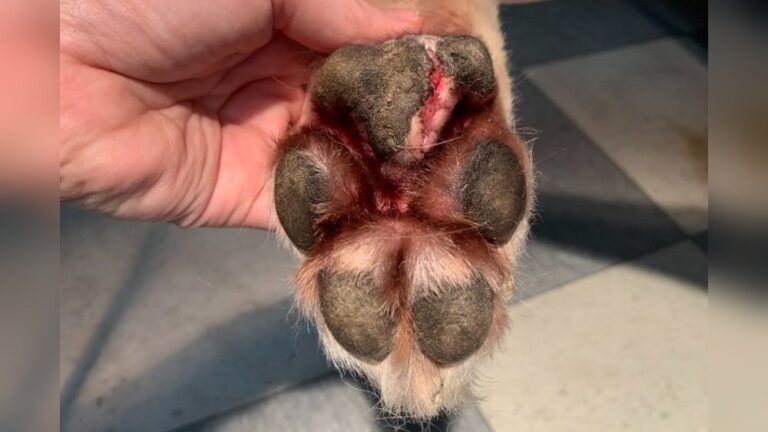
Paws are a common exposure site because dogs step directly on dry grass and seeds. Foxtails can become lodged between the toes, around the paw pads, or in the surrounding hair. If the awn remains embedded, it can act as a foreign body and contribute to inflammation, infection, draining wounds, or an abscess.
The key distinction is whether the seed is still on the surface or has entered the skin. Surface material may be removable at home, while an embedded foxtail can require veterinary examination and, in some cases, a procedure to locate and remove it.
Source: storage.googleapis.com
Loose foxtail
A seed caught in the fur or resting visibly on the paw can often be removed carefully without probing the skin.
Partially embedded foxtail
If the seed has penetrated the skin or the base is difficult to see, home extraction becomes risky because the awn can break or move deeper.
Deep or retained foxtail
Persistent swelling, pain, limping, discharge, or a non-healing wound can indicate a retained foreign body and warrants veterinary evaluation.
How to Tell Whether You Can Remove the Foxtail at Home
Before reaching for tweezers, examine the paw in good light. Gently separate the toes and look around the pads and surrounding fur. If the foxtail is fully visible, sitting on the surface, and can be grasped without pressing into or opening the skin, limited home removal may be reasonable.
Do not turn a visible tip into a digging exercise. If you cannot tell where the seed begins and ends, if only a small portion is visible, or if the dog reacts strongly when you touch the area, stop. The absence of a visible seed does not mean there is no foxtail; swelling or a small draining opening can occur after an awn has entered the tissue.
A dog that is frightened, painful, or likely to bite should not be forcibly restrained for home extraction. Veterinary staff can assess the paw safely and determine whether further examination or sedation is appropriate.
Source: blogspot.com
Reasonable for careful home removal
The foxtail is loose or clearly superficial, completely visible, easy to grasp, and the dog tolerates gentle handling.
Stop and contact a veterinarian
The foxtail is embedded, difficult to grasp, broken, associated with swelling or discharge, or the dog is too painful or distressed to handle safely.
Seek urgent veterinary help
The dog has breathing difficulty or a suspected foxtail in the nose, eye, mouth, or another sensitive body opening.
How to Remove a Loose Foxtail From a Dog’s Paw
If the foxtail is plainly visible and remains on the surface, the goal is to remove the entire seed without pushing it into the skin. Work slowly and stop if the seed will not come away easily.
First, keep the dog calm and position the paw where you can see it clearly. If another person is available, they can calmly support the dog without squeezing the injured paw. Use clean tweezers to grasp the exposed foxtail close to its base while avoiding pressure on the surrounding skin.
Pull the loose foxtail away gently and steadily. Do not dig into the paw with the tweezer tips, and do not continue pulling if the seed appears anchored in the skin. After removal, check the seed and the paw to determine whether the entire visible structure came away.
If the area has a small superficial wound, gently clean it with an appropriate pet-safe wound-cleaning solution according to veterinary guidance and keep the dog from repeatedly licking it. Do not apply household chemicals, harsh disinfectants, or human medications unless a veterinarian specifically recommends them for your dog.
Source: ar.inspiredpencil.com
Step 1: Inspect
Use good lighting and gently separate the toes so you can determine whether the foxtail is loose or embedded.
Step 2: Grasp
Use clean tweezers only when the entire accessible seed can be grasped without probing the skin.
Step 3: Remove
Pull the loose seed away slowly and steadily. Stop if it resists or appears to be anchored below the skin.
Step 4: Check
Confirm that the visible foxtail came out intact and inspect the paw for swelling, bleeding, redness, or a puncture.
Step 5: Monitor
Watch the paw after removal for persistent licking, limping, swelling, discharge, or worsening pain.
What You Need
For a superficial foxtail, the basic equipment is good lighting, clean hands, and clean tweezers. A second person may help calmly steady the dog if the dog is comfortable with handling. You should not need to cut into the skin or use needles, blades, or other sharp tools to extract a foxtail at home.
Good lighting
Bright, direct light makes it easier to distinguish a loose seed from an embedded foreign body.
Clean tweezers
Use tweezers for grasping a clearly accessible surface seed, not for digging beneath the skin.
When You Should Not Remove a Foxtail Yourself
Do not attempt to excavate a foxtail from beneath the skin. A seed that is partly hidden can be difficult to grasp and may be pushed deeper when pressure is applied. Breaking the awn can also make the remaining foreign material harder to identify and remove.
Veterinary evaluation is particularly appropriate when the paw is swollen, very painful, bleeding significantly, producing pus or other discharge, or developing a lump. A veterinarian can determine whether a grass awn remains in the tissue and choose the appropriate method for removal.
A persistent or recurring paw problem after an apparent removal also deserves veterinary attention. A small entry wound can close while a foreign body remains underneath, so a paw that continues to swell, drain, or cause limping should not simply be treated as a minor cut.
Foxtails outside the paw require the same safety principle. Never try to pull a suspected embedded awn from the eye, ear, nose, or mouth at home. Respiratory signs such as coughing, repeated sneezing, or difficulty breathing after exposure are especially concerning and require prompt veterinary care.
Source: blog.ferplast.com
The seed is embedded
If the foxtail has entered the skin or you cannot see its full length, stop home extraction attempts.
The paw is swollen or draining
These signs can indicate inflammation, infection, or a retained foreign body.
The dog keeps limping or licking
Persistent symptoms after removal may indicate that material remains or that the paw has developed a secondary problem.
The foxtail may be elsewhere
Eye, ear, nose, mouth, and respiratory exposures require professional assessment rather than home probing.
Why Deep Foxtails Can Require Veterinary Removal
A veterinarian may need to examine the tissue carefully when the seed is no longer visible. Some retained grass awns require a procedure to locate and remove them, particularly when inflammation or an abscess has developed. The appropriate approach depends on the location, depth, symptoms, and the dog’s tolerance of examination.
Foreign-body assessment
The veterinarian evaluates whether a foxtail or another object remains beneath the skin.
Wound management
If infection or an abscess is present, treatment may require more than simply removing the visible seed.
Signs of an Embedded Foxtail or Infection
An embedded foxtail may cause localized signs in the paw rather than an obvious visible seed. Watch for sudden licking or chewing of one paw, limping, redness between the toes, swelling, tenderness, or a small wound. Symptoms can persist or worsen if a foreign body remains.
More concerning signs include a draining tract, pus, increasing swelling, significant pain, lethargy, reduced appetite, or a wound that does not heal normally. These findings should prompt veterinary assessment rather than repeated attempts to remove an unseen object.
Because several paw disorders can cause similar symptoms, a suspected foxtail is not a diagnosis by itself. Allergies, infections, splinters, other foreign bodies, and inflammatory paw conditions can produce overlapping signs. A veterinarian can determine the likely cause when the problem is persistent or severe.
Source: seattlevetassoc.com
Early warning signs
Licking, chewing, mild limping, redness, or localized sensitivity after exposure to dry grass can signal paw irritation.
Possible retained foreign body
A persistent lump, draining wound, recurrent swelling, or non-healing lesion can occur when an awn remains in tissue.
How to Prevent Foxtails From Getting Into Your Dog’s Paw
Prevention is easier than removing an embedded foxtail. In U.S. areas where foxtail grasses and other barbed awns are common, limit exposure to dry, overgrown grass and inspect your dog after walks through fields, trails, or unmanaged vegetation.
Check between the toes, around the paw pads, and through the hair around the feet. Also examine other common collection areas such as the legs, ears, face, and underarms. Removing a loose awn before it penetrates the skin is much simpler than treating a retained foreign body.
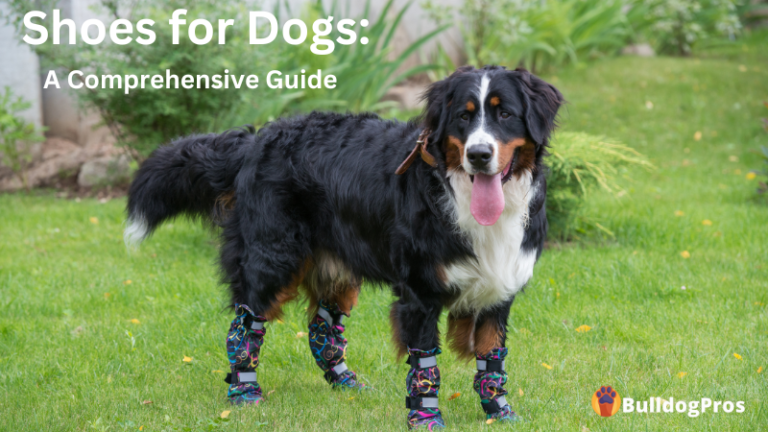
Keep the home yard maintained when practical and avoid letting your dog roam through areas with abundant dried seed heads. Dogs that regularly accompany their owners hiking, hunting, or working outdoors may benefit from additional paw protection, such as appropriately fitted dog boots, when suitable for the activity.
Source: storage.googleapis.com
Inspect after walks
Check the paws and spaces between the toes whenever your dog has been around dry or overgrown grass.
Remove loose awns early
A foxtail that is still caught in the coat is generally easier and safer to remove than one that has entered the skin.
Manage the yard
Reduce exposure by keeping frequently used outdoor areas clear of mature foxtail seed heads and other troublesome grasses.
Consider paw protection
For dogs regularly exposed to foxtail-prone terrain, properly fitted protective boots may reduce direct contact with grass awns.
Frequently Asked Questions
Q
Can I remove a foxtail from my dog’s paw with tweezers?
Yes, but only when the foxtail is loose or clearly sitting on the surface and can be grasped easily without digging into the skin. If it is embedded, difficult to grasp, or surrounded by swelling, stop and contact a veterinarian.
Q
What happens if a foxtail is left in a dog’s paw?
A retained foxtail can cause ongoing inflammation and may contribute to infection, an abscess, or a draining wound. Because grass awns can migrate through tissue, an apparently small paw problem can become more difficult to locate and treat.
Q
How can I tell if my dog’s foxtail is embedded?
An embedded foxtail may not be visible. Licking or chewing one paw, limping, swelling between the toes, redness, tenderness, a lump, or a draining wound can be warning signs. Persistent symptoms after an outdoor exposure should be evaluated by a veterinarian.
Q
Should I soak my dog’s paw to remove a foxtail?
Do not rely on soaking as a way to extract an embedded foxtail. A soak may clean or soothe a superficial paw problem in some circumstances, but it does not reliably locate or remove a retained grass awn. If the seed has entered the skin, veterinary assessment is safer than trying to make it come out at home.
Q
When is a foxtail in a dog’s paw an emergency?
A painful or embedded paw foxtail generally warrants prompt veterinary attention, but breathing difficulty, suspected inhalation, or a foxtail in the eye, nose, or mouth should be treated as urgent. Do not probe sensitive body openings yourself.
✦ Wrapping Up
Conclusion
The safest way to remove a foxtail from a dog’s paw depends on whether the seed is loose or embedded. A clearly visible surface foxtail can sometimes be removed carefully with clean tweezers, followed by gentle observation of the paw. An awn that has penetrated the skin should not be excavated at home because unsuccessful manipulation can push it deeper or leave part of the foreign body behind.
Prompt veterinary care is appropriate when the paw remains painful, swollen, red, draining, or non-healing, or when you cannot confidently determine whether the foxtail was completely removed. Regular paw inspections after walks through foxtail-prone areas can prevent many problems by catching loose awns before they penetrate the skin.
💡 Key Takeaway
If the foxtail is loose and fully accessible, remove it gently without digging into the paw. If it is embedded, painful, swollen, broken, or difficult to grasp, stop home removal attempts and contact your veterinarian.
Learn how to moisturize dog paws safely with paw balms, natural moisturizers, and daily care tips. Discover how to prevent dry, cracked paw pads and keep your dog’s feet healthy.
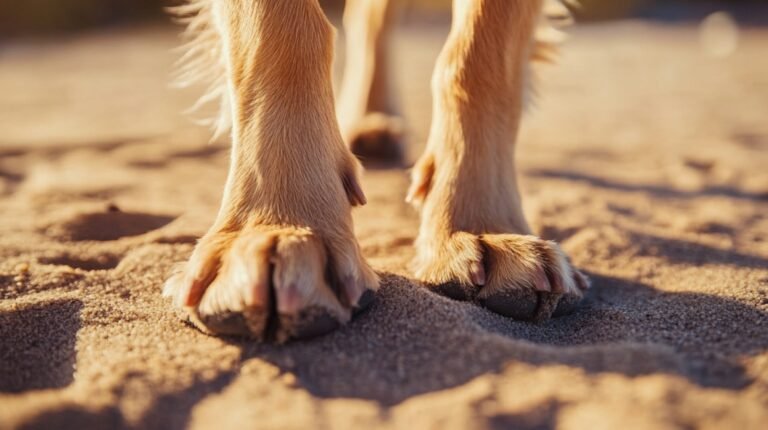
Learn how to protect dog paws from hot sand with practical beach safety tips, paw protection methods, warning signs of burns, and summer paw care strategies.
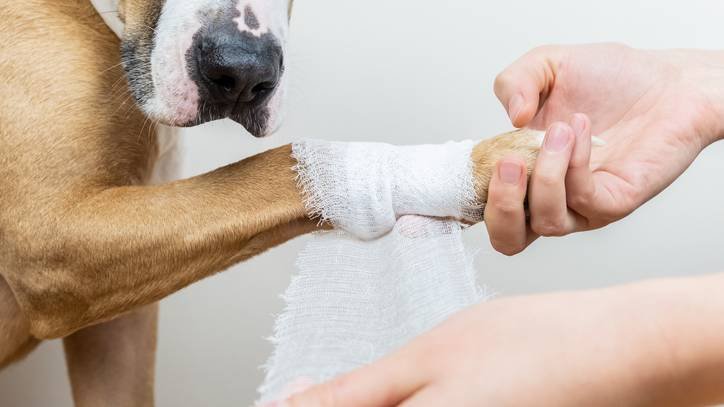
Learn how to treat a deep cut on dog paw with safe first aid steps, bandaging tips, infection warning signs, and guidance on when emergency veterinary care is needed.
Why does your dog chew his paws at night? Learn the most common causes, including allergies, parasites, injury, infection, and anxiety, plus when to see a veterinarian.