You may suspect a sprain if your dog suddenly limps after twisting, slipping, jumping, or playing and the paw has no obvious cut, foreign object, or broken nail. However, you cannot reliably confirm a sprain at home because fractures, dislocations, ligament injuries, and other problems can cause similar signs.
For dog owners in the United States, a sudden limp after a run at a local park, a jump from furniture, or an awkward landing can raise an immediate question: is the paw sprained, or is something more serious wrong? Veterinary sources classify soft-tissue injuries such as sprains and strains among the common causes of sudden lameness, but a limp can also result from a broken nail, paw-pad injury, foreign body, joint injury, fracture, or dislocation.
The safest approach is to treat limping as a symptom rather than a diagnosis. Watch how your dog walks, gently inspect the paw without forcing any joints, restrict activity, and arrange veterinary care when the limp is persistent, severe, or accompanied by swelling, deformity, significant pain, or an inability to use the limb. A veterinarian can determine whether the problem is actually a sprain and whether imaging or other testing is necessary.
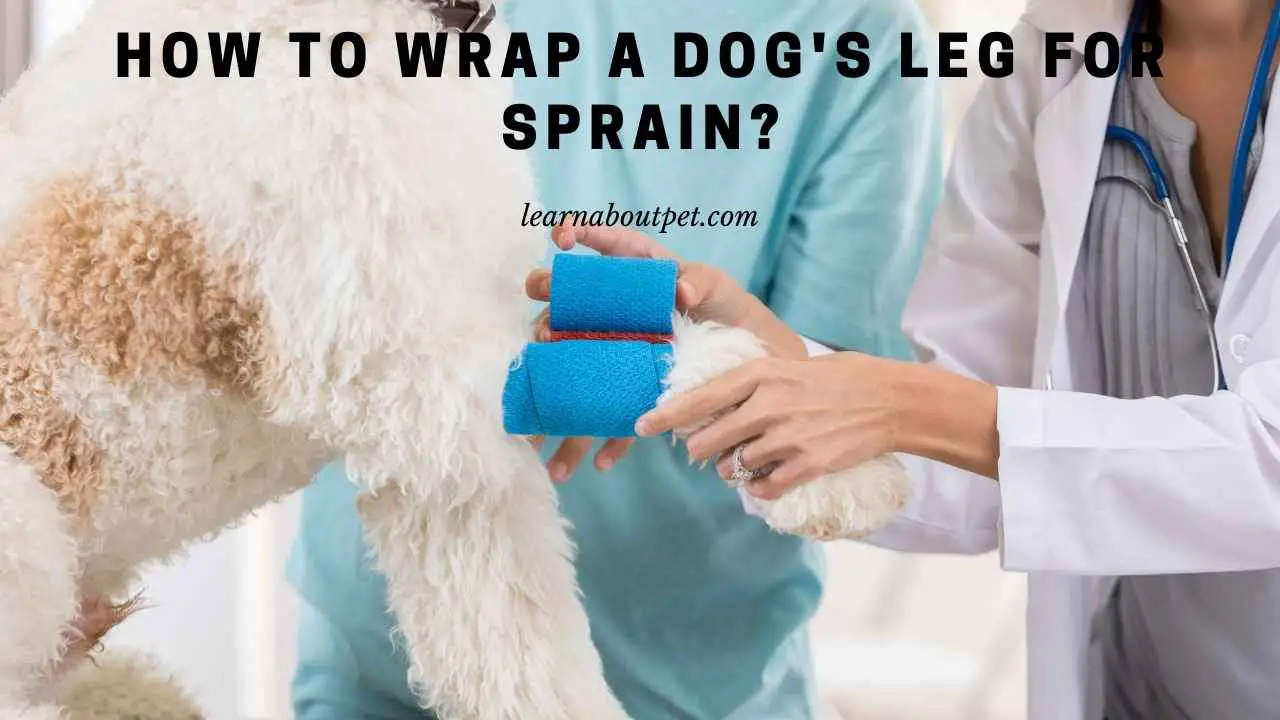
Source: storage.googleapis.com
What Does a Sprained Paw Mean in a Dog?
A sprain is an injury to a ligament, the tough connective tissue that helps stabilize a joint. Technically, the paw itself is not usually what gets sprained. When owners say a dog has a sprained paw, they may be describing an injury around the wrist or carpus in a front limb, the hock or ankle region in a rear limb, or another joint close to the paw.
A strain is different from a sprain. A strain affects a muscle or tendon, whereas a sprain affects a ligament. Both can cause lameness, soreness, and reluctance to use a limb, and the distinction generally requires a veterinary examination rather than an at-home diagnosis.
Sudden lameness in dogs can have many causes. Veterinary guidance identifies soft-tissue injuries, broken nails, joint injuries, fractures, and dislocations among the possible causes. That is why the most useful question is not simply whether your dog has a sprain, but whether the signs are mild enough to monitor briefly or require veterinary evaluation.
Source: storage.googleapis.com
Sprain
A ligament injury around a joint that can cause pain and lameness without an obvious external wound.
Strain
An injury involving a muscle or tendon that can produce symptoms similar to a sprain.
Paw injury
A problem involving the pad, toes, nail, or skin, such as a cut, puncture, cracked pad, foreign object, or broken nail.
Fracture or dislocation
A potentially serious injury that can also cause sudden pain, swelling, abnormal limb position, or inability to bear weight.
Why a Sprain Can Be Difficult to Identify at Home
Ligament and other soft-tissue injuries may have little or no visible external damage. Your dog can limp significantly even when the skin and paw pad look normal. Conversely, a small nail injury or object lodged between the toes can cause substantial lameness without an obvious injury until the paw is carefully inspected.
A veterinary examination is therefore more reliable than trying to diagnose the injured structure yourself. The veterinarian can assess gait, palpate the limb, evaluate joints and muscles, and decide whether radiographs or other diagnostic tests are appropriate.
Signs Your Dog May Have a Sprain
The strongest clue is a change in how your dog uses the affected limb, especially when the change begins suddenly after physical activity or an awkward movement. A dog with a soft-tissue injury may limp, shorten the affected leg’s stride, walk more slowly, or avoid putting full weight on the limb.
Some dogs show obvious pain, while others remain quiet. Do not assume an injury is minor simply because your dog is not crying. Changes in gait and normal activity can be more useful clues than vocalization.
Source: animalia-life.club
Sudden limping
The limp appears shortly after running, jumping, slipping, playing, or another activity that could have stressed a joint or soft tissue.
Reduced weight bearing
Your dog places less weight on one limb or intermittently lifts it while walking.
Stiff or shortened movement
The affected limb may move less freely, and your dog may take shorter steps or move cautiously.
Reluctance to exercise
Your dog may stop playing, avoid stairs, hesitate to jump, or prefer resting instead of normal activity.
Localized tenderness
Your dog may react when the affected area is gently touched, although pain responses vary between individual dogs.
Mild swelling or warmth
Some injuries produce swelling or increased warmth, although a normal-looking limb does not rule out a soft-tissue injury.
Licking the area
Repeated licking can indicate discomfort, but it can also occur with a paw wound, infection, allergy, broken nail, or foreign object.
Signs That Point More Toward a Paw Problem
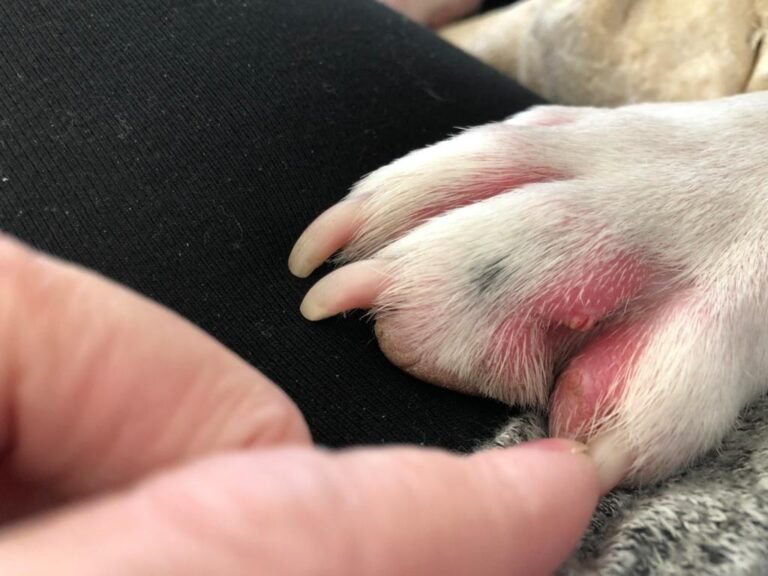
If the problem is concentrated in the paw rather than a nearby joint, look for a torn or broken nail, cut or puncture, cracked pad, redness between the toes, swelling, discharge, or a foreign object. Excessive licking or chewing can accompany these problems.
A normal-looking paw does not prove that the injury is a sprain. Soft-tissue injuries often have no obvious external wound, which is one reason persistent lameness deserves professional assessment.
How to Check Your Dog’s Paw and Limb Safely
A brief, gentle inspection can help you identify an obvious paw problem, but it cannot diagnose a sprain. Do the check only if your dog is calm enough to handle safely. A painful dog may bite even if normally friendly.
Start by watching your dog stand and take a few normal steps. Identify which limb is affected and whether your dog can place the paw on the ground. Then inspect the paw visually before touching it.
Source: storage.googleapis.com
Look between the toes
Check for visible debris, plant material, redness, swelling, cuts, or other abnormalities.
Check the paw pads
Look for cuts, punctures, cracks, burns, bleeding, or unusual discoloration.
Inspect the nails
Look for a split, broken, bleeding, or unusually positioned nail.
Compare both limbs visually
Differences in swelling, posture, or limb position may provide useful information for your veterinarian.
Gently run your hand over the limb
If your dog tolerates it, gently feel for obvious swelling or heat without squeezing, twisting, or forcing a joint.
What Not to Do During an At-Home Check
Do not repeatedly bend the wrist, ankle, toes, knee, or other joints to see whether your dog reacts. Do not attempt to straighten a limb that looks abnormal, and do not manipulate a suspected fracture or dislocation. Forceful examination can increase pain or worsen an injury.
If your dog shows severe pain, tries to bite, or cannot tolerate even gentle contact, stop the examination and seek veterinary advice. A veterinarian can perform a controlled orthopedic and neurologic examination and determine whether additional diagnostics are needed.
Sprain vs. Broken Bone vs. Other Paw Injuries
You generally cannot distinguish a sprain from a fracture or other orthopedic injury with certainty based only on symptoms. The same limp can result from very different problems, and some serious injuries have few visible signs.
The pattern of symptoms can still help you decide how urgently to seek care. Use the comparison below as a guide for recognizing possibilities, not as a substitute for a veterinary diagnosis.
Source: animalia-life.club
Possible sprain or soft-tissue injury
Often follows a twist, awkward landing, slip, or strenuous activity. Lameness may occur without an open wound or obvious deformity.
Possible fracture
May cause severe pain, marked lameness, swelling, abnormal limb position, or inability to use the limb. Some fractures are less obvious and require radiographs.
Possible dislocation
Can cause sudden severe lameness and an abnormal joint or limb position and requires prompt veterinary care.
Broken nail
May cause sudden limping, licking, bleeding, or sensitivity focused around one toe.
Paw-pad injury
May produce visible damage to the pad and pain when the paw contacts the ground.
Foreign object
A thorn, plant material, splinter, or other object can cause localized pain and persistent licking or limping.
Infection or inflammation
Redness, heat, swelling, discharge, odor, or persistent licking may suggest infection or inflammatory paw disease rather than a simple sprain.
A Useful Rule of Thumb
If your dog is mildly lame but otherwise comfortable and you cannot find an obvious paw injury, restrict activity and contact your veterinarian for guidance, particularly if the limp persists. If your dog cannot bear weight, has severe pain, has an obvious deformity, or suffered major trauma, do not assume it is a sprain.
Radiographs can identify many fractures and joint abnormalities, while other diagnostic techniques may be needed when a soft-tissue injury is suspected. A normal-looking paw cannot rule out an injury higher up the limb.
What to Do If You Suspect a Dog Paw Sprain
The safest immediate step is to stop strenuous activity and prevent your dog from making the injury worse. Keep walks brief and controlled for bathroom needs, and avoid running, jumping, rough play, stairs when possible, and off-leash activity until you have veterinary guidance.
If the limp is mild and your dog is otherwise comfortable, observe the way the limb is being used and contact your regular veterinarian for advice. Persistent or worsening lameness should not be treated as a minor sprain simply because the paw looks normal.
Do not start medications on your own. Human pain relievers can be unsafe for dogs, and the appropriate medication depends on the dog’s diagnosis, health history, and other factors. If pain relief or anti-inflammatory treatment is appropriate, your veterinarian should select and dose it.
Source: ligcapp.com
Restrict activity
Use controlled, short bathroom walks and prevent running, jumping, and rough play.
Monitor the limp
Record when it began, whether it is improving or worsening, and whether your dog can bear weight.
Document what happened
Tell the veterinarian whether the limp followed a fall, jump, slip, collision, unusual exercise, or no known event.
Record useful video
A short video of your dog walking at home can help because dogs may move differently during a clinic examination.
Follow veterinary instructions
If a veterinarian diagnoses a sprain or other soft-tissue injury, follow the recommended activity restriction, medication, rehabilitation, and recheck schedule.
When Is a Limping Dog an Emergency?
Seek urgent veterinary care when your dog has an obvious fracture or dislocation, cannot stand or walk normally without assistance, has severe or rapidly worsening pain, or has suffered major trauma such as being hit by a vehicle or attacked by another animal.
Prompt veterinary evaluation is also appropriate for significant swelling, an abnormal limb angle, substantial bleeding, or a limb that your dog refuses to use. These signs are not specific to fractures, but they raise the risk of a more serious injury that should not be managed as a suspected sprain at home.
Immediate concern
Obvious deformity, suspected fracture or dislocation, inability to stand or walk, or major trauma.
Prompt veterinary assessment
Severe pain, persistent non-weight-bearing lameness, substantial swelling, significant bleeding, or worsening symptoms.
Routine veterinary consultation
A mild limp that persists, returns repeatedly, or does not improve as expected should be evaluated rather than repeatedly treated as a presumed sprain.
How Veterinarians Diagnose a Suspected Sprain
A veterinarian begins by establishing the history and observing how your dog stands and walks. Important details include when the lameness started, whether it appeared suddenly or gradually, whether trauma occurred, whether the dog is using the limb at all, and whether the problem is improving or worsening.
The physical examination may include evaluation of all four limbs, the spine, joints, muscles, and neurologic function. This broader assessment matters because the location where a dog appears lame is not always the exact source of pain.
If a fracture or joint abnormality is suspected, radiographs may be recommended. When a soft-tissue injury is suspected, additional imaging such as ultrasound, CT, or MRI may sometimes be appropriate depending on the case and the structures involved.
Source: storage.googleapis.com
History
The veterinarian reviews the timing, activity, possible trauma, progression, and pattern of the limp.
Gait assessment
The dog is observed standing and walking to identify the affected limb and characterize the lameness.
Physical and orthopedic examination
The veterinarian evaluates the limbs, joints, muscles, and surrounding structures for pain, swelling, instability, or other abnormalities.
Diagnostic imaging
Radiographs and, when appropriate, advanced imaging can help identify fractures, joint abnormalities, or soft-tissue injuries.
Why a Veterinary Diagnosis Matters
A suspected sprain may improve with appropriate rest, but not every limp is a sprain. Treating a fracture, dislocation, significant ligament injury, infection, or foreign body as a simple soft-tissue injury can delay appropriate care.
Veterinary diagnosis also helps determine how much activity restriction is appropriate and whether rehabilitation, medication, follow-up examinations, or additional testing are needed.
Frequently Asked Questions
Q
How can I tell if my dog’s paw is sprained or broken?
You usually cannot tell with certainty at home. Both sprains and fractures can cause sudden limping, pain, swelling, and reduced weight bearing. An obvious deformity, severe pain, inability to use the limb, or major trauma increases concern for a serious injury. A veterinarian may use an orthopedic examination and radiographs to evaluate the problem.
Q
Can a dog sprain its paw without swelling?
Yes. Soft-tissue injuries do not always produce visible swelling. A dog can have a painful ligament, tendon, or muscle injury while the paw and limb look normal from the outside. The absence of swelling therefore does not rule out an injury.
Q
How long should I wait if my dog is limping?
There is no single safe waiting period for every dog or every injury. A brief, mild episode that resolves quickly may not require emergency care, but persistent, worsening, or significant lameness should be discussed with a veterinarian. Non-weight-bearing lameness, severe pain, deformity, or major trauma warrants prompt evaluation rather than prolonged observation.
Q
Should I massage or stretch my dog’s sprained paw?
Do not massage, stretch, or forcefully move a painful limb unless your veterinarian has specifically recommended those techniques. Manipulating an undiagnosed injury could increase pain or worsen certain orthopedic problems. Rehabilitation exercises should be selected for the specific diagnosis and stage of healing.
Q
Can I give my dog ibuprofen or another human pain reliever for a sprain?
Do not give your dog human pain medication unless a veterinarian specifically tells you to use it. Medications that may be used safely in people can cause serious problems in dogs. Contact your veterinarian for an appropriate pain-management plan.
✦ Wrapping Up
Conclusion
The most useful way to tell whether your dog may have a sprain is to look for sudden lameness after a twist, slip, awkward landing, or strenuous activity while checking for obvious paw injuries. A normal-looking paw and the absence of a dramatic injury can make a soft-tissue problem possible, but they cannot confirm that the ligament is sprained.
Because fractures, dislocations, broken nails, paw-pad injuries, foreign bodies, infections, and other conditions can look similar, persistent or significant limping should be evaluated by a veterinarian. Until your dog is assessed, limit activity and avoid manipulating the injured limb or giving medication without veterinary direction.
💡 Key Takeaway
If your dog suddenly starts limping, stop strenuous activity, gently inspect the paw for an obvious injury, monitor whether the limb can bear weight, and contact a veterinarian if the limp persists or is severe. Treat inability to walk, major trauma, obvious deformity, or severe pain as reasons for prompt veterinary care.
Learn why your dog’s paws may be red between the toes, including allergies, infections, irritation, injuries, and interdigital furuncles, plus when veterinary care is needed.
Learn how to safely bandage a dog paw for a broken nail, control bleeding, protect the nail bed, avoid common bandaging mistakes, and know when to see a U.S. veterinarian.
Learn how to treat an interdigital cyst on a dog paw, recognize interdigital furunculosis, provide safe home care, and know when veterinary treatment is needed.
Learn how to measure dog paws for socks using width, length, and circumference measurements. Get accurate sizing, avoid common mistakes, and improve sock fit.