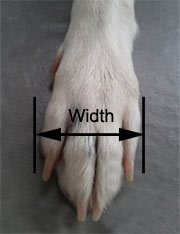
To measure your dog’s paws for socks, have your dog stand naturally on a firm surface, measure the paw at the points required by the sock manufacturer, and compare the measurements with that specific brand’s size chart. For many dog socks, paw width is the key measurement, but some designs also require paw length or circumference.
For dog owners in the United States, the most reliable way to choose sock size is to measure the actual paw rather than relying on breed, weight, age, or an existing shoe size. Place your dog’s paw on paper while the dog is standing normally, mark the widest points, and measure the distance between them. If the manufacturer requests length or circumference, record those measurements as well.
Dog sock sizing is not standardized across brands. A sock may be designed to fit around the paw, ankle, or both, so the measurement method can vary. Always use the sizing instructions for the exact socks you plan to buy. Measuring every relevant dimension before ordering reduces the chance of a sock that slips, twists, pinches, or interferes with normal movement.
Source: manuals.plus
What You Need to Measure Your Dog’s Paws
You only need a few basic items to measure a dog’s paws accurately: a sheet of plain paper, a pen or pencil, and a ruler or measuring tape. A firm, level floor is preferable to thick carpet because a soft surface can change how the paw sits.
Keep the sock manufacturer’s size chart available before measuring. This matters because one company may ask for paw width, while another may use paw length, circumference, or a combination of measurements.
Source: fity.club
Paper
Use plain paper large enough for your dog’s paw to sit completely on it.
Pen or pencil
Use a fine point so your measurement marks remain close to the actual edge of the paw.
Ruler
A ruler marked in inches and centimeters makes it easier to compare your measurement with different U.S. size charts.
Size chart
Use the chart for the exact sock model because sizing systems are not universal.
Why the Exact Sock Size Chart Matters
Dog socks do not have one universal sizing standard. Two products labeled small can require different paw measurements. Some socks are primarily sized by paw width, while others use several dimensions. The product-specific chart is therefore the final reference for selecting a size.
Do not size by breed alone
Dogs of the same breed can have different paw dimensions, so breed is not a substitute for measurement.
Do not assume weight determines sock size
Body weight does not directly tell you the width or circumference of an individual paw.
How to Measure Dog Paws for Socks Step by Step
The simplest method is to measure the paw while your dog is standing naturally. This keeps the paw in a weight-bearing position similar to its position during normal walking.
Work calmly and avoid forcing the paw into an unnatural position. If your dog will not stand still, have another person calmly help keep the dog balanced while you take the measurement.
Source: puppiesgear.com
1. Place the paper on the floor
Put the paper on a firm, level, nonslip surface. Avoid thick carpet or anything that allows the paw to sink.
2. Have your dog stand normally
Let the dog stand with the paw resting naturally on the paper. Do not deliberately stretch or spread the toes.
3. Mark the widest points
Mark the left and right edges at the widest part of the paw. Keep the pen as upright as possible so the marks do not artificially reduce the measurement.
4. Measure the width
Move the paw away and measure the straight-line distance between the two widest-point marks.
5. Repeat when required
Measure another paw, preferably a front and a rear paw, because the dimensions can differ.
6. Record the measurements
Write down each result and label it by paw so you can compare the numbers accurately with the sock chart.
How to Measure Paw Length
If the sock manufacturer provides a length measurement, mark the back of the main paw pad and the frontmost point specified by the manufacturer, often the tip of the longest toenail. Measure the straight-line distance between those points. Follow the product instructions because some designs define length differently.
Check the chart first
Confirm whether the manufacturer wants length measured to the longest nail or to another point on the paw.
Keep the paw natural
Do not pull the toes forward or spread them manually while measuring.
How to Measure Paw Circumference for Dog Socks
Some dog socks are designed around the circumference of the paw or the area where the sock closes. If your size chart asks for circumference, use a flexible measuring tape around the specified part of the paw while your dog is standing naturally.
If you do not have a flexible tape, you can wrap a piece of non-stretch string around the required area, mark where the ends meet, and then measure the string with a ruler. Do not pull the string tightly enough to compress the paw.
Source: fity.club
Measure the location specified by the manufacturer
The correct location may be around the paw, near the ankle, or at another part of the sock’s intended fit.
Keep the tape snug, not tight
The tape should touch the surface without compressing the paw.
Record the unit
Write down whether the result is in inches or centimeters before comparing it with the size chart.
Width Versus Circumference
Width and circumference describe different measurements. Width is a straight-line distance across the paw, while circumference is the distance around a specified part of it. Do not substitute one for the other simply because a chart uses a similar-looking number.
Width
Measures across the widest part of the paw.
Circumference
Measures around the part of the paw or lower leg identified by the manufacturer.
How to Choose the Right Dog Sock Size
Once you have the required measurements, compare them directly with the exact sock’s size chart. If the chart uses more than one measurement, check every required dimension rather than selecting a size from only one number.
If your measurements fall between sizes, follow the manufacturer’s stated guidance rather than automatically sizing up or down. A sock needs to remain secure without creating excessive pressure or restricting normal movement.
Source: furry-footwear.com
Use the largest relevant measurement when the chart instructs you to
Some products provide specific instructions for measurements that fall between size ranges. Follow those instructions exactly.
Consider front and rear paws separately
If the brand sells socks individually or in different sizes, different paw dimensions may allow a more precise fit.
Do not transfer sizes between brands
A medium sock from one manufacturer can have completely different dimensions from a medium sock from another.
What If the Measurements Fall Between Sizes?
Check the manufacturer’s instructions first. If no specific guidance is provided, examine both the width and any other required measurement rather than relying on the label alone. For a sock intended to stay securely on the paw, an excessively loose fit can cause slipping or twisting, while an overly tight fit can create pressure and discomfort.
Recheck the measurement
Repeat the measurement if the result is very close to a size boundary.
Check the sock design
Stretchy socks may fit differently from structured socks, so the product’s own sizing guidance remains decisive.
Common Dog Paw Measurement Mistakes
Most sizing problems come from measuring the wrong part of the paw, using an inconsistent stance, or comparing the result with the wrong chart. A careful second measurement can prevent an otherwise avoidable sizing mistake.
The goal is to capture the paw in a normal position without adding extra width or length from fur, stretched toes, an angled measuring tool, or an incorrectly placed starting point.
Source: dfordog.co.uk
Measuring a lifted paw
A lifted paw can have a different shape from a weight-bearing paw. For products whose instructions call for standing measurement, measure while the dog is naturally standing.
Measuring over thick fur
Long fur around the paw can make the outline appear larger than the actual paw. Follow the manufacturer’s instructions about where the paw edge should be measured.
Holding the pen at an angle
An angled pen can shift the measurement line inward or outward. Keeping it upright produces a more consistent mark.
Measuring only one paw
Front and rear paws can differ, so one measurement may not represent all four paws.
Using a generic size chart
Size labels are not standardized. Always compare your measurements with the chart for the exact socks.
When to Measure Again
Repeat the measurement if your first result seems inconsistent, if your dog was sitting or shifting weight, or if the measurement lands unexpectedly far outside the manufacturer’s expected range. Recheck before ordering rather than trying to compensate for uncertainty by guessing a size.
Take two readings
Consistent readings provide more confidence than relying on one hurried measurement.
Check the chart again
Make sure you are measuring exactly the dimension requested by the manufacturer.
How to Check the Fit After Measuring Your Dog’s Paws
Correct measurements are only the first step. After putting the socks on, watch your dog walk indoors for a short period on a safe, clean surface. The socks should remain positioned correctly without obvious slipping, twisting, bunching, or signs of discomfort.
Check the sock and the paw after the initial wear period. If the sock repeatedly falls off, rotates, bunches, or leaves noticeable pressure marks, stop using it and reassess the size, placement, and product design.
Source: storage.googleapis.com
The sock stays in place
A properly fitted sock should not repeatedly slide off or rotate significantly during ordinary movement.
The dog moves normally
The sock should not cause an obvious change in walking pattern or make the dog repeatedly try to remove it.
No excessive pressure
Closures should not be tightened unnecessarily. Follow the product’s instructions for securing the sock.
Inspect after use
Look for rubbing, persistent redness, or other signs that the fit or design is unsuitable. If a paw appears injured or painful, remove the sock and seek veterinary advice when appropriate.
What to Do If the Socks Keep Slipping
First confirm that the measured dimension matches the manufacturer’s sizing method. Then check whether the sock has been positioned and secured according to its instructions. If the measurements are correct but the sock still repeatedly slips or twists, the design may not suit your dog’s paw shape, and a different product may be more appropriate.
Recheck sizing
Verify the measurement and compare it with the exact product chart.
Check placement
Make sure the sock is installed according to the manufacturer’s instructions rather than simply pulled farther up the leg.
Stop if there is discomfort
Do not keep using a sock that causes obvious pain, persistent rubbing, or other concerning signs.
Frequently Asked Questions
Q
What is the most important measurement for dog socks?
For many dog socks, paw width is an important sizing measurement, but there is no universal rule. Some products use paw length, circumference, or multiple measurements. Always follow the size chart for the specific socks.
Q
Should I measure my dog’s paw while standing?
If the manufacturer’s instructions call for a standing or weight-bearing measurement, yes. A naturally standing paw reflects the position used during walking more closely than a paw held off the ground.
Q
Do front and back dog paws have to be the same size?
No. Front and rear paws can differ in size. Measure at least one front and one rear paw, and measure all four when the product or its sizing system makes individual sizing practical.
Q
Can I use my dog’s boot size to buy socks?
Do not assume that boot and sock sizes correspond. Different products use different measurement points and sizing systems. Measure the paw again and compare the result with the sock manufacturer’s chart.
Q
What should I do if my dog will not stand on the paper?
Keep the process calm and use another person to help steady the dog if needed. If you cannot obtain a reliable measurement, follow the sock manufacturer’s alternative measuring instructions rather than guessing from breed or weight.
✦ Wrapping Up
Conclusion
Measuring your dog’s paws for socks is straightforward when you use the correct measurement point and the manufacturer’s sizing chart. Start with a firm surface, have your dog stand naturally, measure the requested paw dimensions, and record the results before choosing a size.
Because dog sock sizing varies between products, the most accurate approach is not to rely on a universal size label. Check the exact chart, account for differences between front and rear paws, and evaluate the socks during initial indoor use. A good fit should stay secure while allowing comfortable, normal movement.
💡 Key Takeaway
Measure the paw while your dog is standing naturally, record the width and any other dimensions requested by the sock manufacturer, then match those measurements with the exact product size chart before ordering.
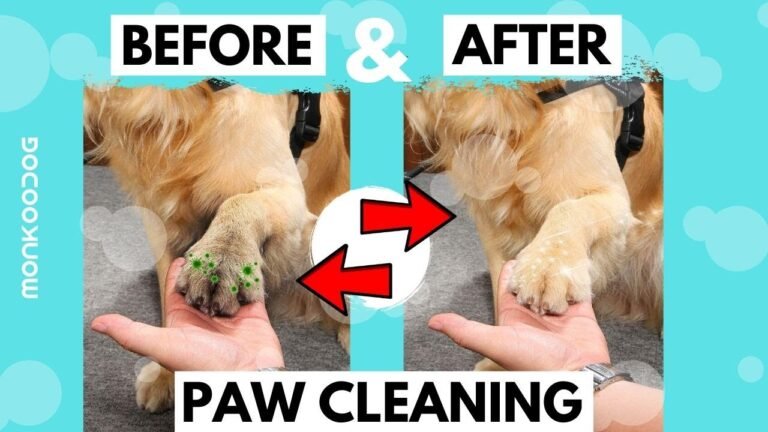
Learn how to clean stained dog paws safely using simple at-home methods. Remove dirt, saliva, grass, and environmental stains while protecting your dog’s paw health.
Learn how to treat cracked dog paws safely at home. Discover common causes, step-by-step treatment, prevention tips, and signs that require veterinary care.
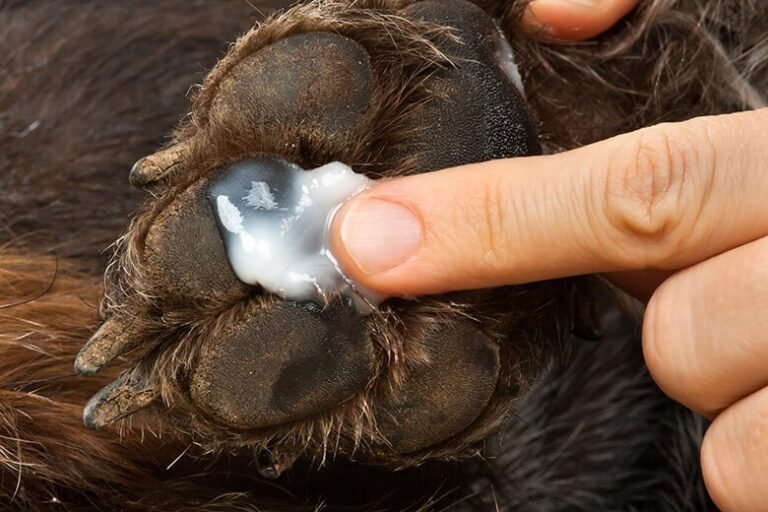
Learn how to use paw balm for dogs correctly. Discover when to apply it, how much to use, common mistakes, safety tips, and ways to keep your dog’s paw pads healthy year-round.
Learn how to clean in between dogs paws using safe, vet-informed methods. Remove dirt, debris, allergens, and moisture to help keep your dog’s paws healthy.
Learn how to keep dog’s paws from getting muddy with proven strategies, paw protection methods, grooming tips, and easy cleanup routines for cleaner homes and healthier paws.
Learn how to treat red irritated dog paws safely. Discover common causes, step-by-step care, prevention tips, and signs that require veterinary attention.