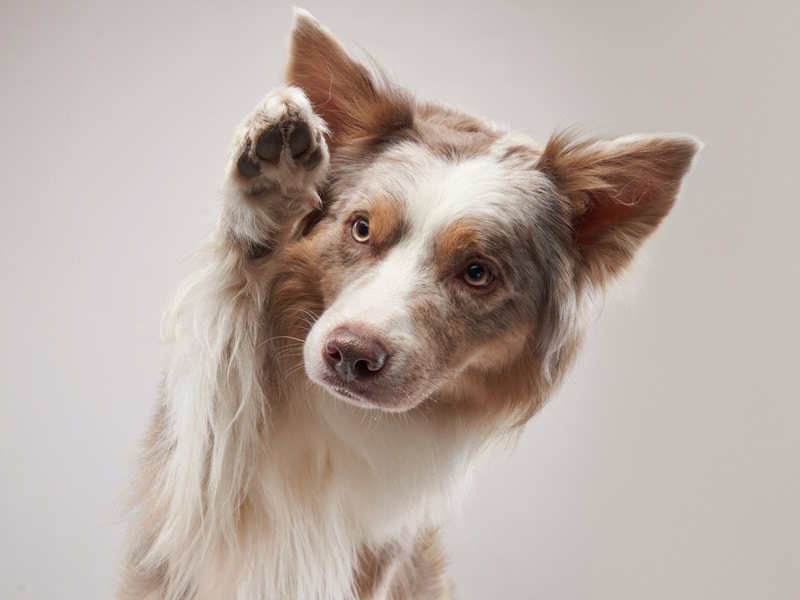
Dogs often lift one paw to show attention, curiosity, uncertainty, anticipation, or discomfort.
Across the United States, dog owners frequently notice their pets standing with one front paw raised. This behavior is often harmless and can be a normal part of canine communication. Many dogs use a lifted paw to express focus, interest, or emotional responses to people, animals, and unfamiliar situations.
Understanding why do dogs lift one paw requires looking at the dog’s overall body language, environment, and health. While a raised paw can be a friendly signal, it may also indicate pain, injury, or irritation. Knowing the difference helps owners respond appropriately and protect their dog’s well-being.
Source: animalwised.com
What Does It Mean When a Dog Lifts One Paw?
In many cases, a lifted paw is a form of canine body language. Dogs communicate through posture, movement, facial expressions, and tail position. Raising one paw can signal attention, expectation, uncertainty, or a desire to interact.
The meaning depends on the situation. A dog watching a squirrel may lift a paw because it is highly focused. A dog standing beside its owner may raise a paw to seek attention or affection. Context is essential when interpreting this behavior.
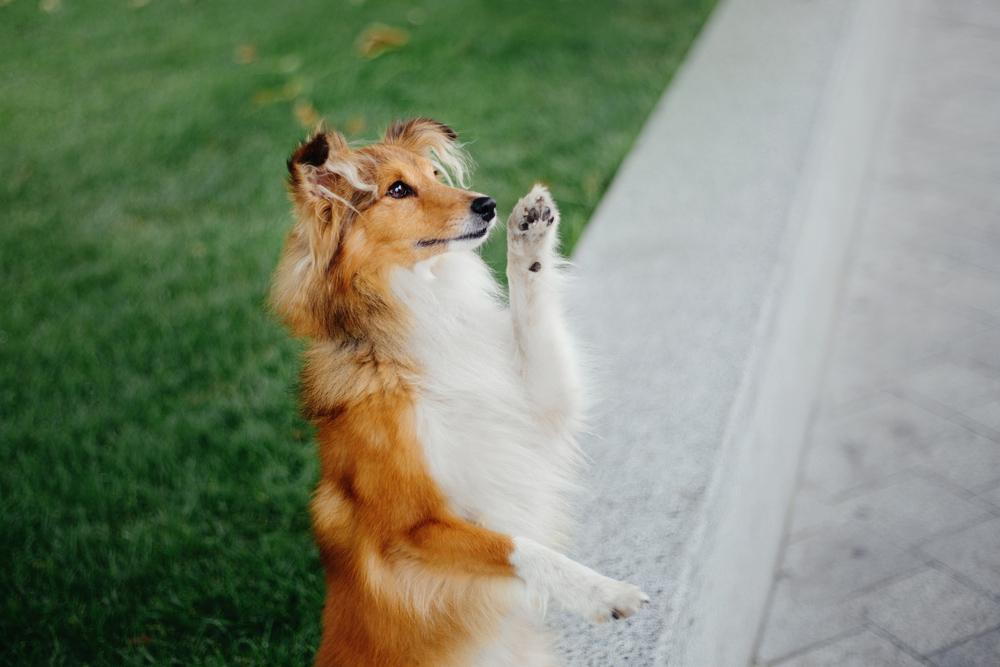
Source: www.dogster.com
Attention
The dog is focused on a person, object, sound, or scent.
Communication
The dog may be asking for interaction or expressing emotions.
Discomfort
The dog may be avoiding pressure on a painful limb.
The Difference Between Normal and Concerning Paw Lifting
A normal raised paw usually appears briefly and occurs during specific situations such as training, observation, or excitement. The dog otherwise moves normally and shows no signs of distress.
Concerning paw lifting tends to be frequent, persistent, or associated with limping, swelling, licking, or difficulty walking.
Normal Behavior
Short-term paw lifting without mobility issues.
Potential Health Issue
Ongoing paw lifting combined with signs of pain.
Behavioral Reasons Dogs Lift One Paw
Most healthy dogs lift one paw because of instinctive behavior and communication. Certain breeds, especially hunting and sporting dogs, may display this posture more often.
Observing the dog’s ears, tail, eyes, and body posture can help determine the emotional reason behind the raised paw.
Source: www.dogster.com
Curiosity
Dogs often lift a paw while investigating something new.
Anticipation
The dog expects a treat, toy, or reward.
Social Interaction
The dog seeks attention from people.
Pointing Instinct in Some Breeds
Many hunting breeds naturally raise one front paw while focusing on prey or scents. This classic pointing posture helps hunters identify where the dog has detected game.
Even family pets with pointing ancestry may display this behavior during play or outdoor activities.
Natural Instinct
Inherited behavior common in sporting breeds.
Why Do Dogs Lift One Paw When Looking at You?
A dog that lifts one paw while making eye contact is often trying to communicate. The behavior may indicate trust, attention-seeking, or anticipation of a positive interaction.
Many dogs learn that humans respond favorably when they display gentle gestures. Over time, a raised paw can become part of the dog’s communication style.
Source: animalia-life.club
Seeking Attention
The dog wants affection, play, or interaction.
Expecting Rewards
The dog anticipates treats or praise.
Emotional Connection
The dog is engaging with its owner.
Raised Paw During Training
Dogs frequently lift a paw when concentrating on commands. They may also offer a paw because they have learned it earns rewards or positive attention.
Learned Behavior
Training reinforces paw-related gestures.
Medical Reasons a Dog May Hold Up One Paw
Sometimes the answer to why do dogs lift one paw involves physical discomfort. Dogs naturally shift weight away from painful areas. Even minor irritation can cause a dog to avoid placing a paw on the ground.
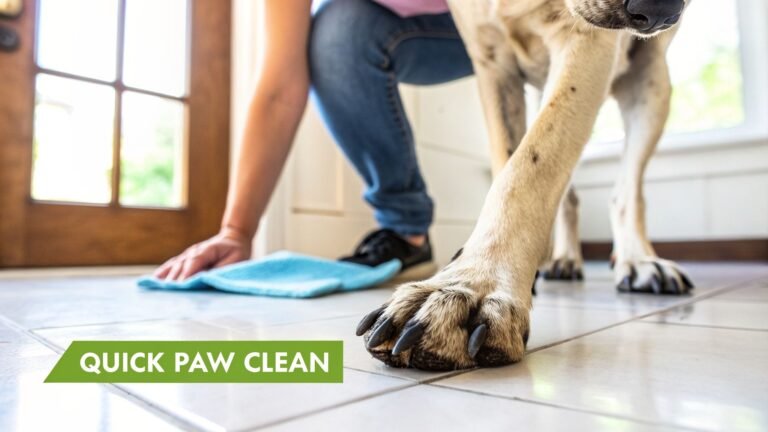
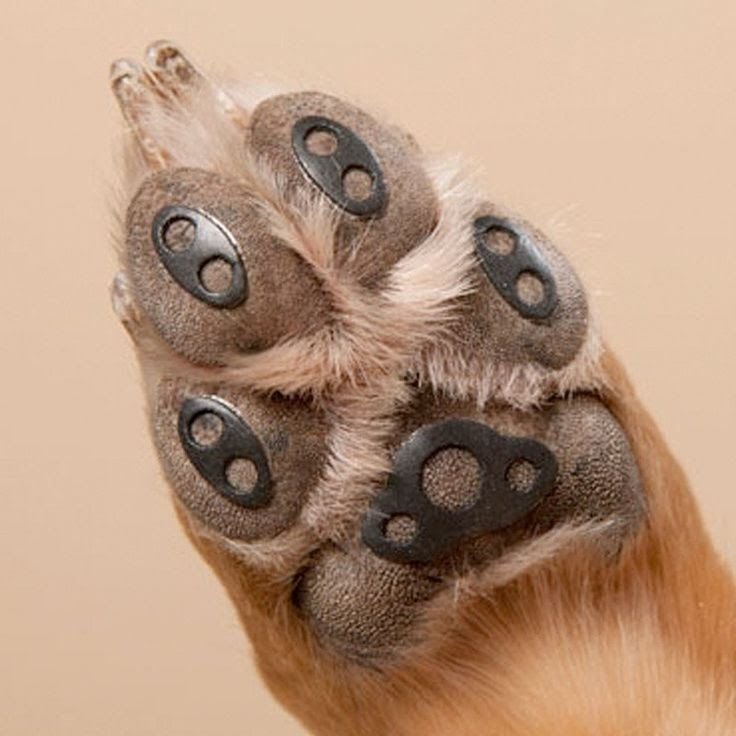
Owners should inspect the paw, nails, pads, and leg if the behavior appears suddenly or persists for more than a short period.
Source: animalia-life.club
Injury
Cuts, punctures, sprains, or bruises may cause paw lifting.
Foreign Objects
Thorns, splinters, or debris can become lodged in the paw.
Joint Problems
Arthritis and orthopedic conditions may cause discomfort.
Signs That Require Veterinary Attention
Veterinary evaluation is important if a dog shows persistent limping, swelling, bleeding, excessive licking, visible wounds, or difficulty standing and walking.
Early treatment can prevent minor problems from becoming more serious injuries.
Limping
The dog consistently avoids bearing weight.
Swelling
Inflammation may indicate injury or infection.
How to Tell Why Your Dog Is Lifting One Paw
The best way to understand a raised paw is to evaluate the surrounding circumstances. Consider what the dog is looking at, how long the behavior lasts, and whether any signs of pain are present.
A simple observation checklist can help owners identify whether the behavior is emotional, behavioral, or medical.
Source: animalia-life.club
Check Movement
Watch for limping or reluctance to walk.
Observe Context
Notice what the dog is focused on when lifting the paw.
Inspect the Paw
Look for cuts, swelling, or foreign objects.
Quick Decision Guide
If the dog lifts a paw only during moments of focus or excitement and moves normally afterward, the behavior is usually harmless. If the dog repeatedly avoids using the limb, a health issue becomes more likely.
Short-Term Behavior
Usually linked to communication or curiosity.
Persistent Behavior
May require veterinary assessment.
Common Mistakes When Interpreting a Raised Paw
One of the most common mistakes is assuming every raised paw indicates injury. Many dogs use this posture naturally and comfortably during everyday interactions.
Another mistake is dismissing persistent paw lifting as normal behavior. Ignoring signs of pain can delay diagnosis and treatment.
Source: animalia-life.club
Assuming Injury Immediately
Many healthy dogs lift a paw for communication.
Ignoring Other Symptoms
Pain-related signs should never be overlooked.
Looking at One Signal Alone
Body language should be interpreted as a whole.
Understanding the Complete Body Language Picture
Tail position, ear posture, facial expression, and movement provide additional clues. Combining these signals creates a more accurate understanding of the dog’s emotional or physical state.
Whole-Body Assessment
Multiple signals provide the clearest interpretation.
Frequently Asked Questions
Q
Why do dogs lift one paw when they are curious?
Many dogs raise a front paw when concentrating on something interesting. It is often a natural response associated with focus, attention, and investigation.
Q
Is it normal for a dog to stand on three legs briefly?
Yes. Briefly lifting one paw while observing something or interacting with people is usually normal. The behavior becomes concerning when it is persistent or associated with discomfort.
Q
Why does my dog lift one paw when I talk to him?
Your dog may be paying close attention to you, anticipating a reward, or seeking interaction. Many dogs use a raised paw as part of their communication with humans.
Q
Can anxiety cause a dog to lift one paw?
Yes. Some dogs lift a paw when they feel uncertain, nervous, or conflicted about a situation. Other body language signals can help determine whether anxiety is involved.
Q
When should I take my dog to the veterinarian for paw lifting?
Seek veterinary care if the behavior is persistent or accompanied by limping, swelling, bleeding, visible injury, excessive licking, or signs of pain.
✦ Wrapping Up
Conclusion
The answer to why do dogs lift one paw depends on context. In most cases, a raised paw is a normal communication signal related to attention, curiosity, anticipation, or interaction with people.
However, persistent paw lifting can indicate pain, injury, or an underlying health problem. Evaluating the dog’s overall behavior and physical condition helps determine whether the gesture is harmless or requires veterinary attention.
💡 Key Takeaway
Watch your dog’s entire body language, inspect the paw for signs of injury, and contact a veterinarian if the behavior becomes persistent or appears painful.
Learn how to clean dog paws after walk safely and effectively. Follow simple steps to remove dirt, mud, salt, allergens, and debris while protecting your dog’s paw health.
Learn how to use a dog paw cleaner safely and effectively. Follow simple steps for washing muddy paws, drying them, cleaning the device, and avoiding common mistakes.
Learn how to keep a bandage on a dog’s paw clean, dry, secure, and comfortable while watching for swelling, slipping, infection, and other warning signs.
Learn what to do when a dog’s paw swells under a bandage, how to recognize circulation problems, when to contact a veterinarian, and how to prevent a bandage from becoming too tight.