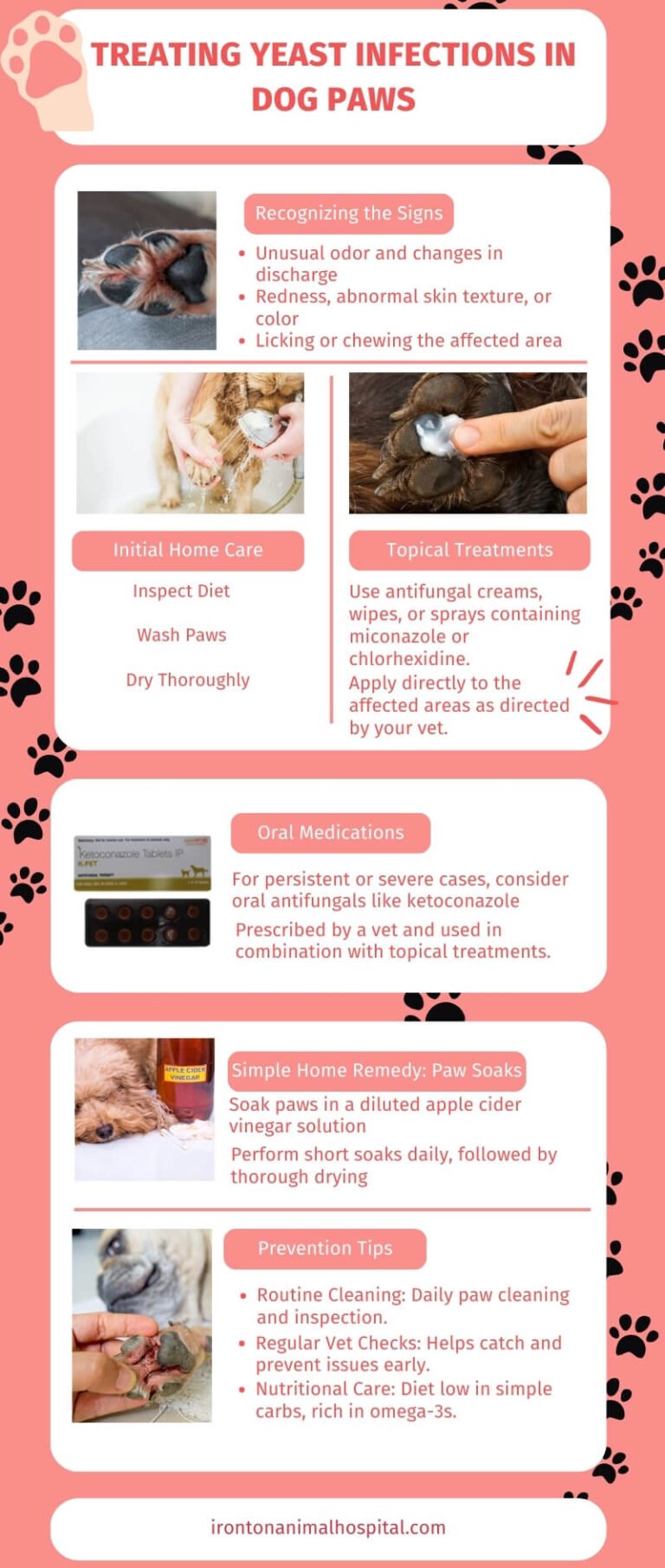
A dog’s paw may bleed because of cuts, torn nails, cracked paw pads, burns, foreign objects, or infections.
Across the United States, dogs frequently injure their paws while walking on hot pavement, rough trails, icy surfaces, broken glass, or sharp debris. Because paws absorb constant impact, even a small injury can bleed more than owners expect.
If you are asking why is my dog’s paw bleeding, the most important first step is to identify the source of the bleeding and stop it safely. While many minor paw injuries heal with proper care, persistent bleeding, severe swelling, deep wounds, or signs of infection require prompt veterinary attention.
Source: puainta.com
What Causes a Dog’s Paw to Bleed?
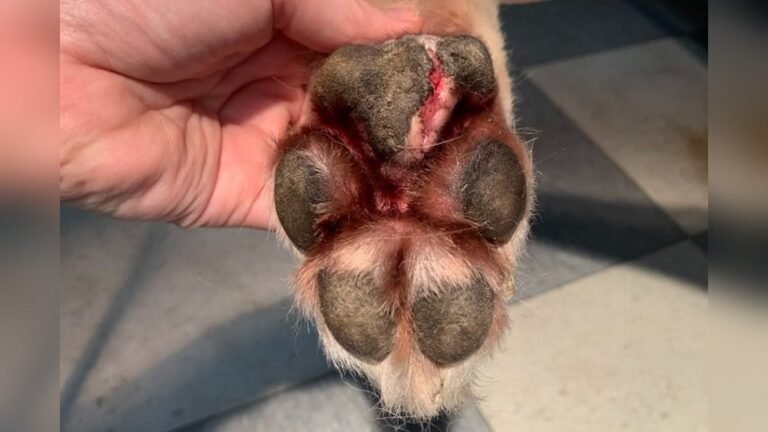
The answer to why is my dog’s paw bleeding depends on the location and type of injury. Paw bleeding can originate from the pads, skin between the toes, the nail bed, or surrounding tissues.
Dogs often encounter hazards during normal activities. Sharp rocks, broken glass, metal fragments, rough terrain, and extreme temperatures can all damage paw tissues and cause bleeding.
Source: articles.hepper.com
Cuts and lacerations
Sharp objects can slice the paw pad or skin.
Torn toenails
Broken or partially detached nails frequently bleed heavily.
Cracked paw pads
Dry, damaged pads can split and bleed.
Foreign objects
Thorns, splinters, or debris may puncture the paw.
Common Environmental Risks
Hot asphalt, icy sidewalks, rough hiking trails, and debris-filled yards are common sources of paw injuries. Active dogs and working breeds may face increased risk because they spend more time on challenging surfaces.
Summer hazards
Hot pavement can burn and damage paw pads.
Winter hazards
Ice and salt can cause cracking and irritation.
How to Find the Source of the Bleeding
Before treatment, determine exactly where the blood is coming from. Blood can spread across the paw, making it difficult to identify the original injury.
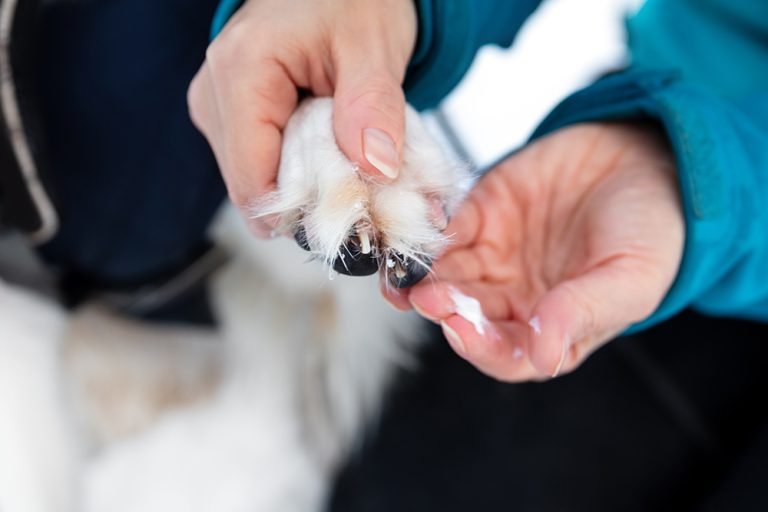
Examine the top and bottom of the paw in good lighting. Gently separate the toes and inspect the nail beds, pads, and skin for cuts, punctures, swelling, or trapped objects.
Source: bubblypet.com
Check the nails
Look for cracks, splits, or torn nails.
Inspect between toes
Foreign objects often become trapped in these areas.
Look at the paw pads
Search for splits, abrasions, or burns.
Signs the Injury May Be Serious
Deep wounds, exposed tissue, severe swelling, limping, excessive pain, or continuous bleeding may indicate a more serious injury requiring veterinary evaluation.
Persistent bleeding
Bleeding that continues despite pressure needs attention.
How to Stop a Dog’s Paw From Bleeding
Most minor paw injuries can be managed with basic first aid. The goal is to control bleeding, protect the wound, and prevent contamination.
Keep your dog calm and limit movement. Activity increases blood flow and may reopen a wound.
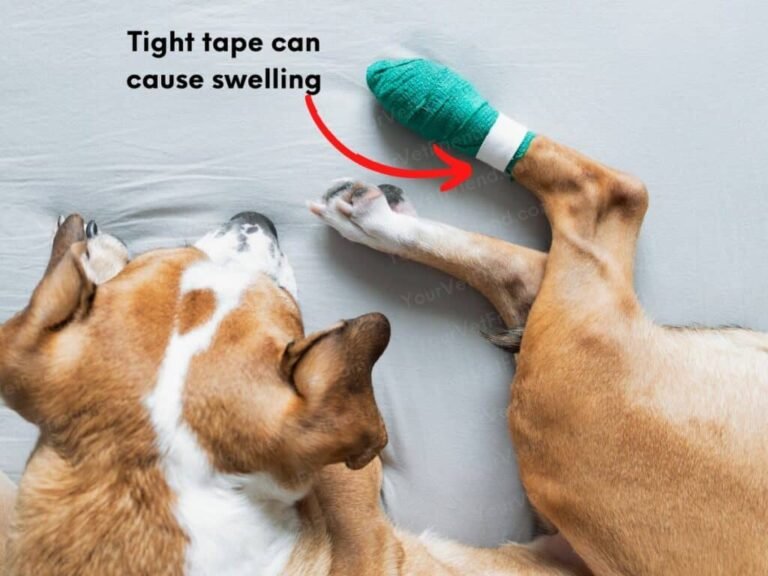
Source: theheartysoul.com
Apply pressure
Use a clean cloth or sterile gauze for several minutes.
Clean the area
Rinse gently with clean water if debris is present.
Bandage carefully
Use a light protective wrap that is not overly tight.
If a Nail Is Bleeding
Broken nails often bleed more than expected. Gentle pressure and appropriate nail care may help, but severely damaged nails frequently require veterinary treatment.
Limit activity
Reduce walking until the nail stabilizes.
When Should You Contact a Veterinarian?
Not every bleeding paw is an emergency, but some situations require professional care. Veterinary evaluation is especially important when wounds are deep, contaminated, or associated with severe pain.
A veterinarian can identify hidden damage, remove foreign material, treat infections, and determine whether stitches or additional treatment are necessary.
Source: animalia-life.club
Heavy bleeding
Seek help if bleeding remains uncontrolled.
Deep cuts
Large wounds may require closure and cleaning.
Signs of infection
Redness, swelling, discharge, or odor need assessment.
Emergency Warning Signs
Immediate veterinary attention is recommended if your dog becomes weak, collapses, experiences severe pain, or cannot bear weight on the affected limb.
Severe limping
May indicate significant tissue damage.
How to Prevent Future Paw Injuries
Routine paw care reduces the risk of cuts, cracks, and other injuries. Regular inspections help owners identify small problems before they become serious.
Pay attention to walking surfaces and weather conditions. Avoid excessively hot pavement and hazardous areas containing sharp debris.
Source: storage.googleapis.com
Inspect paws regularly
Check for cuts, swelling, and debris after walks.
Maintain nail length
Properly trimmed nails are less likely to tear.
Use protective gear
Boots may help on rough or extreme surfaces.
Dogs at Higher Risk
Working dogs, athletic dogs, hikers, and dogs that spend significant time outdoors may experience more paw injuries because of increased exposure to challenging terrain.
Active lifestyles
More activity increases exposure to injury risks.
Frequently Asked Questions
Q
Why is my dog’s paw bleeding but I cannot find a cut?
The bleeding may come from a torn nail, a puncture wound between the toes, a cracked paw pad, or a small injury hidden beneath fur. A thorough inspection often reveals the source.
Q
Can a cracked paw pad cause bleeding?
Yes. Dry, damaged, or overworked paw pads can split open and bleed, especially after exercise on rough surfaces.
Q
How long should it take for a dog’s paw to stop bleeding?
Minor wounds often slow or stop bleeding after several minutes of steady pressure. Continued bleeding should be evaluated by a veterinarian.
Q
Should I let my dog walk on a bleeding paw?
It is best to limit walking until the bleeding is controlled and the injury is protected. Continued activity can worsen tissue damage.
Q
Can an infection make a dog’s paw bleed?
Yes. Infections can weaken skin tissue, cause inflammation, and lead to cracking or ulceration that results in bleeding.
✦ Wrapping Up
Conclusion
If you are wondering why is my dog’s paw bleeding, the most common causes include cuts, torn nails, cracked paw pads, burns, foreign objects, and infections. Identifying the source quickly helps determine the best response.
Most minor injuries improve with prompt first aid and rest, but persistent bleeding, deep wounds, significant swelling, or severe pain require veterinary care. Early treatment can prevent complications and support a faster recovery.
💡 Key Takeaway
Inspect the paw carefully, control bleeding with gentle pressure, limit activity, and contact your veterinarian if the injury appears severe or does not improve.
Learn how to clean yeast from dogs paws safely. Discover symptoms, cleaning steps, treatment options, prevention tips, and when to contact your veterinarian.
Learn how to tell if your dog sprained his paw, recognize common signs of a sprain, distinguish it from fractures and paw injuries, and know when veterinary care is needed.
Learn how to keep dog paws from cracking with proven prevention tips, paw care routines, moisturizing strategies, and seasonal protection for healthy paw pads.
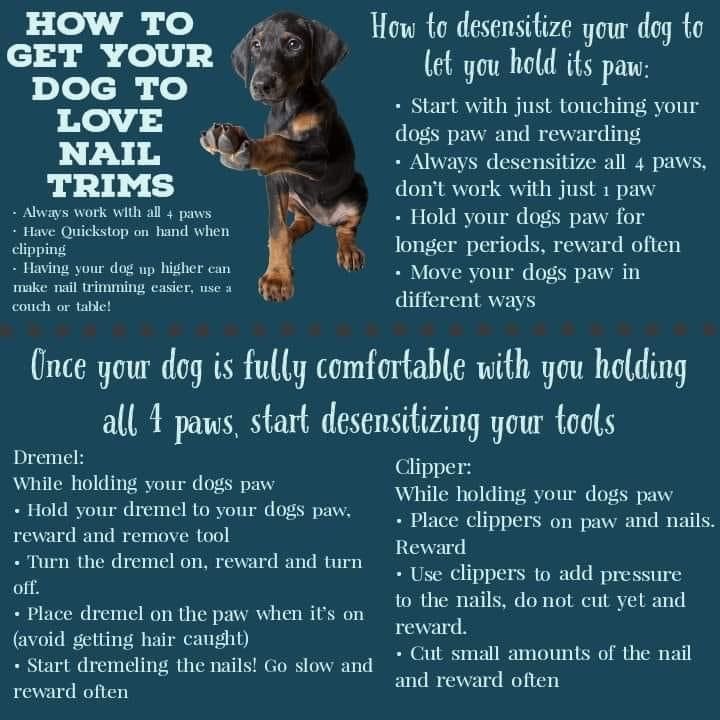
Learn how to desensitize dog paws using positive reinforcement, gradual handling, and proven training techniques. Make nail trims, grooming, and paw care easier and less stressful.
Learn why dogs tuck their paws when lying down, sitting, or resting. Discover normal behavioral reasons, possible health concerns, and signs that require veterinary attention.