Most minor dog paw pad injuries heal within 7 to 14 days, while deeper injuries may take several weeks.
Across the United States, dogs frequently injure their paw pads on hot pavement, rough hiking trails, ice, sharp debris, and other outdoor surfaces. Paw pad injuries are common because the pads absorb impact and protect the feet during daily activity.
If you are wondering how long do dog paw pads take to heal, the answer depends on the severity of the injury. Minor scrapes often improve within one to two weeks, while torn, burned, or deeply cut paw pads can require three to six weeks or longer. Proper wound care, infection prevention, and activity restriction play major roles in recovery.
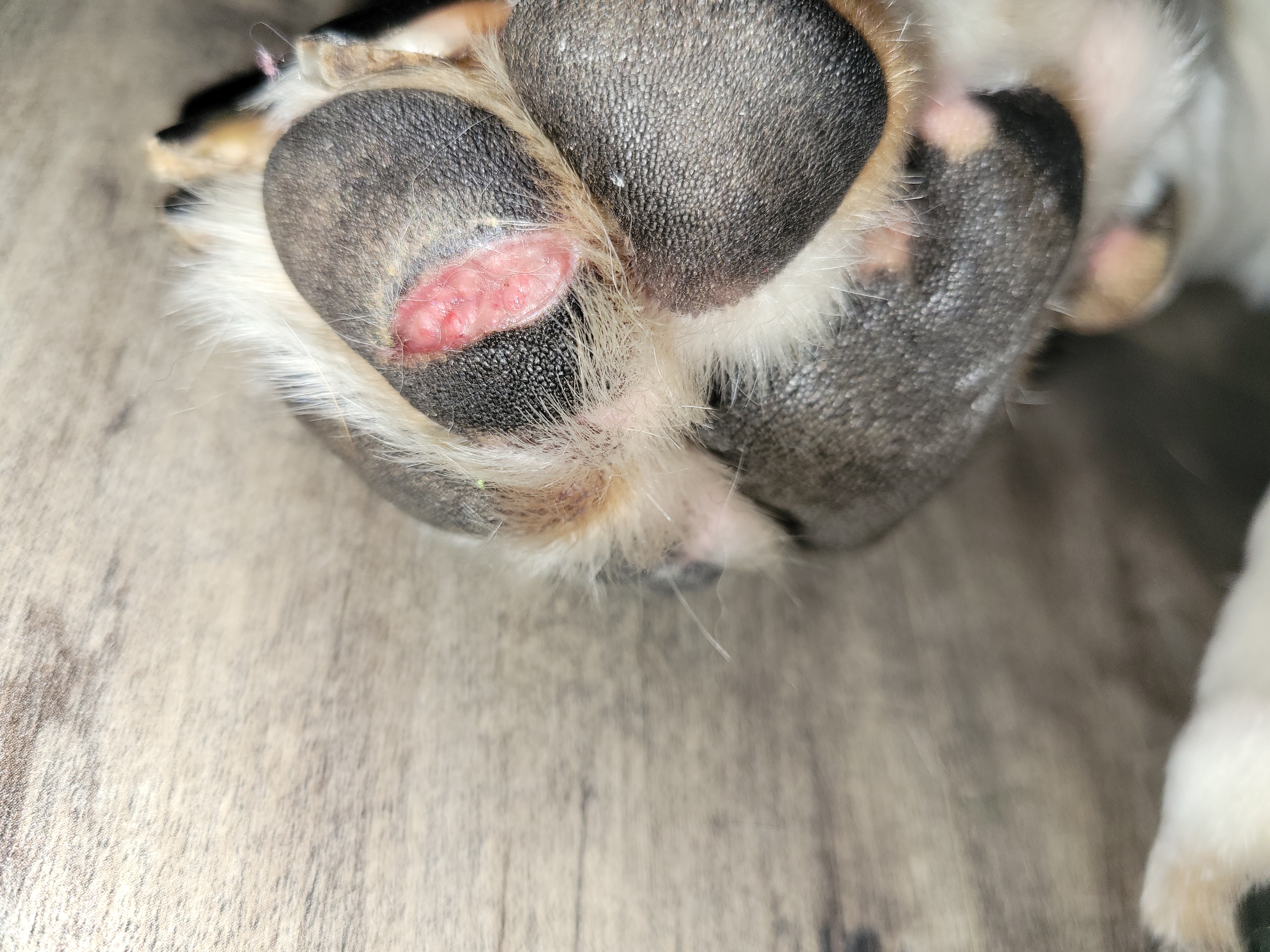
Source: storage.googleapis.com
How Long Do Dog Paw Pads Take to Heal?
The healing timeline depends primarily on the depth, size, and location of the injury. Because paw pads constantly bear weight, they typically heal more slowly than skin on other parts of the body.
Small abrasions and surface scrapes usually improve within one to two weeks. Deeper cuts, torn pads, burns, or injuries requiring stitches often need several weeks before a dog can return to normal activity.
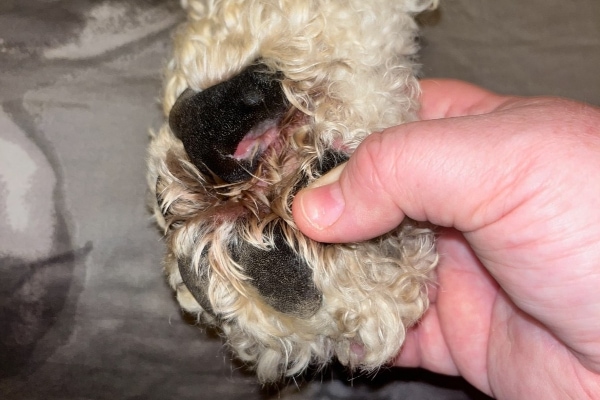
Source: puppiesdiary.com
Minor abrasion
Typically heals in 7 to 14 days with basic care.
Moderate cut or tear
Usually requires 2 to 4 weeks for substantial healing.
Severe pad injury
May take 4 to 8 weeks or longer depending on tissue loss.
Typical Paw Pad Healing Timeline
Dogs heal at different rates based on age, overall health, and activity level. Healthy adult dogs generally recover faster than senior dogs or pets with underlying medical conditions.
Injuries that remain clean and free from infection typically heal more predictably than wounds repeatedly exposed to dirt, moisture, or excessive licking.
Healthy adult dogs
Often experience faster recovery with proper wound management.
Complicated wounds
May require extended healing periods and veterinary treatment.
Factors That Affect Paw Pad Recovery
Several variables influence how quickly a paw pad heals. The most important factors include injury severity, infection risk, and the dog’s ability to avoid further trauma during recovery.
Dogs that continue running, jumping, or walking long distances on injured paws often experience delayed healing because the damaged tissue is repeatedly stressed.
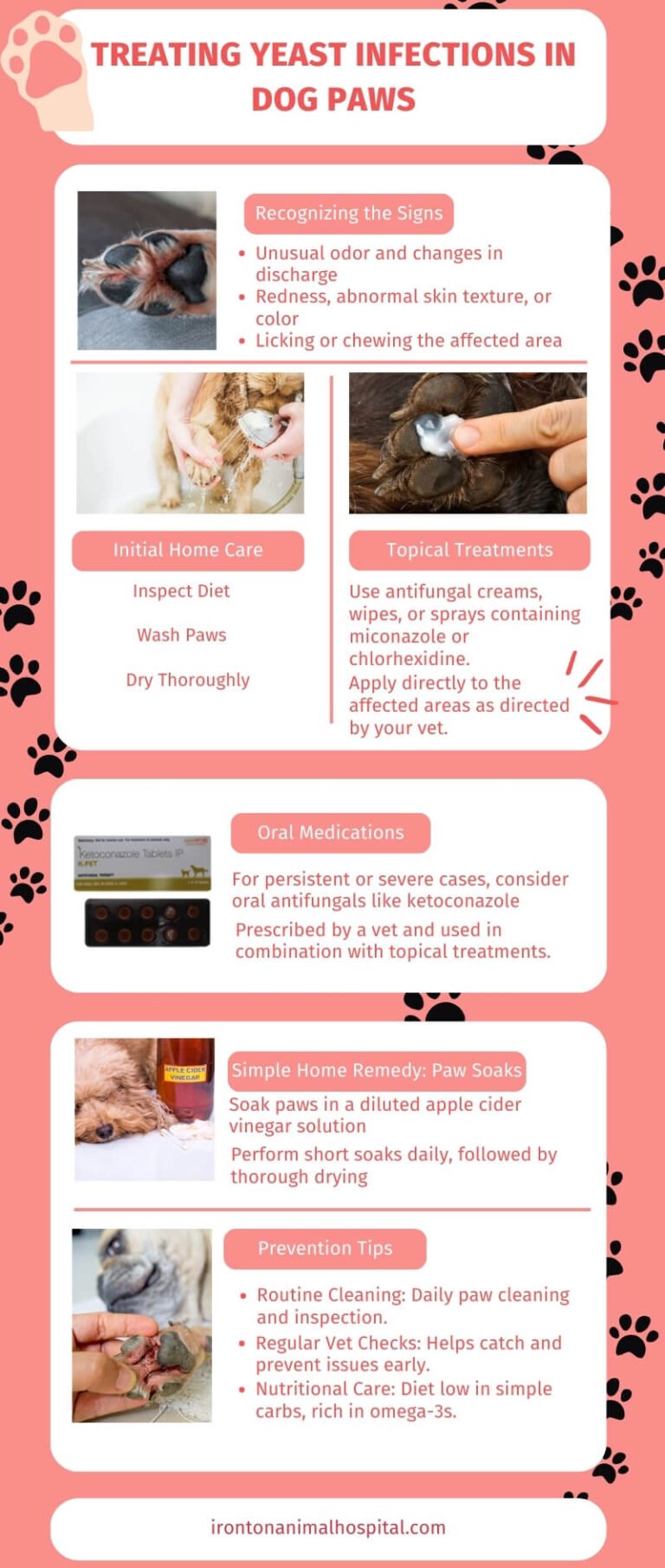
Source: wagandcluck.com
Injury depth
Deeper wounds take longer because more tissue must regenerate.
Infection
Bacterial contamination can significantly delay healing.
Activity level
Excessive activity can reopen healing tissue.
Health Conditions That Slow Healing
Medical conditions such as diabetes, immune disorders, poor circulation, or nutritional deficiencies may slow tissue repair. Older dogs may also experience longer recovery periods.
Veterinary evaluation is especially important when healing seems unusually slow or when symptoms worsen instead of improving.
Chronic illness
Can reduce the body’s natural healing efficiency.
How to Help a Dog Paw Pad Heal Faster
The goal of treatment is to protect the wound, prevent infection, and allow new tissue to develop. Prompt first aid can improve comfort and reduce complications.
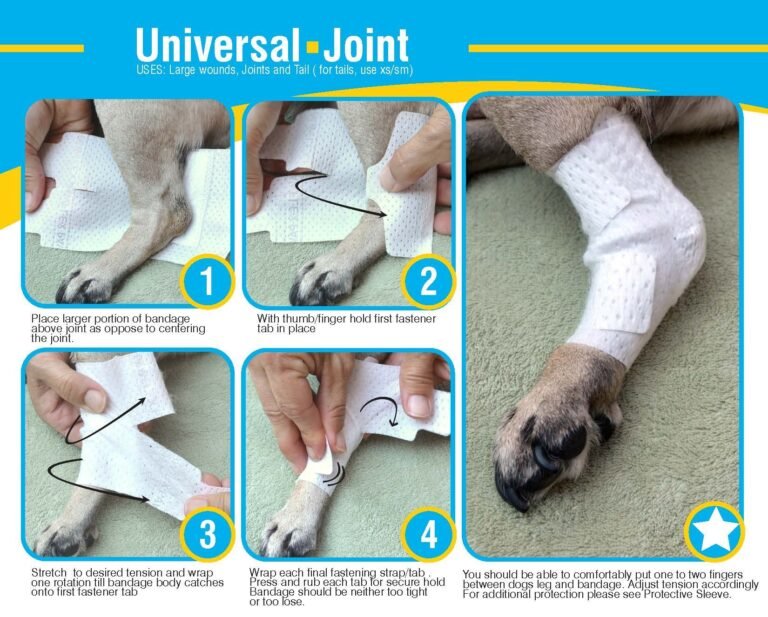
Most minor injuries benefit from gentle cleaning, protective bandaging, and restricted activity while healing occurs.
Source: animalia-life.club
Clean the wound
Remove debris using clean water or veterinarian-approved solutions.
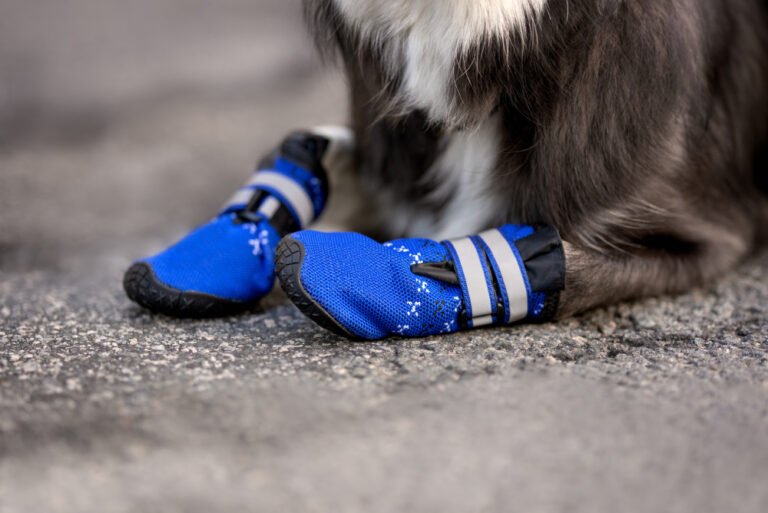
Protect the paw
Use a clean bandage or protective boot if recommended.
Limit activity
Reduce running and long walks during recovery.
Signs That Healing Is Progressing Normally
Healthy healing usually involves reduced redness, less limping, and gradual closure of the wound. New tissue often appears pink and smooth before becoming tougher over time.
Mild sensitivity may persist temporarily, but overall comfort should steadily improve.
Reduced pain
The dog becomes more willing to place weight on the paw.
Wound closure
The damaged area gradually shrinks and strengthens.
When Paw Pad Injuries Need Veterinary Care
Some paw pad injuries cannot be managed safely at home. Deep lacerations, severe burns, uncontrolled bleeding, or wounds exposing underlying tissue require professional treatment.
Veterinarians may recommend sutures, specialized bandaging, pain management, antibiotics, or additional diagnostics depending on the injury.
Source: animalia-life.club
Heavy bleeding
Requires prompt veterinary evaluation.
Severe limping
May indicate significant tissue damage.
Signs of infection
Swelling, pus, odor, or increasing redness need medical attention.
Emergency Warning Signs
Immediate veterinary care is recommended if the wound is large, contaminated, actively bleeding, or causing extreme pain. Delaying treatment may increase recovery time and complication risk.
Dogs that refuse to bear weight on the affected paw should be examined as soon as possible.
Non-stop bleeding
A potentially urgent medical concern.
Common Mistakes That Delay Healing
Many owners unintentionally slow recovery by allowing too much activity too soon. Even when a wound looks better, the deeper tissue may still be fragile.
Another common mistake is leaving wet or dirty bandages in place for extended periods. Moisture and contamination can encourage infection.
Source: animalia-life.club
Too much exercise
Can reopen healing tissue and increase inflammation.
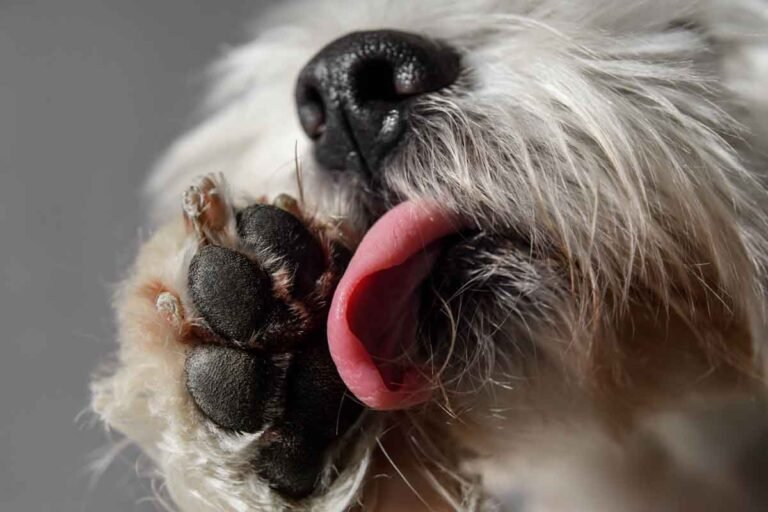
Excessive licking
May introduce bacteria and damage new tissue.
Ignoring infection signs
Delays treatment and prolongs recovery.
Protecting Paw Pads After Recovery
After healing, gradually return your dog to normal activity. Check paws regularly for cracks, cuts, and irritation.
Avoid extremely hot pavement and rough surfaces whenever possible. Paw balms and protective boots may help some dogs during challenging conditions.
Routine inspections
Help identify small problems before they become serious injuries.
Frequently Asked Questions
Q
Can a dog walk on an injured paw pad while it heals?
Limited walking is usually possible for minor injuries, but strenuous activity should be avoided. Excessive movement can delay healing and worsen the injury.
Q
Do dog paw pads grow back after an injury?
Paw pad tissue can regenerate to some extent, especially after minor or moderate injuries. Severe tissue loss may result in scar formation and longer recovery.
Q
How can I tell if a paw pad is infected?
Common signs include swelling, increasing redness, discharge, foul odor, pain, and worsening limping. Veterinary evaluation is recommended if these symptoms appear.
Q
Should I bandage my dog’s paw pad injury?
Many injuries benefit from temporary protection, but bandages must stay clean and dry. Improper bandaging can create additional problems.
Q
Can hot pavement burn a dog’s paw pads?
Yes. Hot pavement can cause painful burns and blistering. During warm weather, test pavement temperature before walks and choose cooler surfaces when possible.
✦ Wrapping Up
Conclusion
For most dogs, minor paw pad injuries heal within one to two weeks, while deeper cuts, tears, and burns often require several weeks of recovery. The exact timeline depends on injury severity, infection control, and activity management.
Understanding how long do dog paw pads take to heal helps owners set realistic expectations and provide proper care. Early treatment and careful monitoring can improve comfort and support a smoother recovery.
💡 Key Takeaway
Inspect the injured paw daily, keep it clean and protected, restrict strenuous activity, and contact a veterinarian if healing stalls or signs of infection develop.
Learn how to clean yeast from dogs paws safely. Discover symptoms, cleaning steps, treatment options, prevention tips, and when to contact your veterinarian.
Learn how to treat red irritated dog paws safely. Discover common causes, step-by-step care, prevention tips, and signs that require veterinary attention.
Learn how to treat dogs paw pads peeling, including common causes, safe home care, warning signs, veterinary treatment, and ways to prevent recurring paw pad damage.
Learn what to do when a dog’s paw swells under a bandage, how to recognize circulation problems, when to contact a veterinarian, and how to prevent a bandage from becoming too tight.