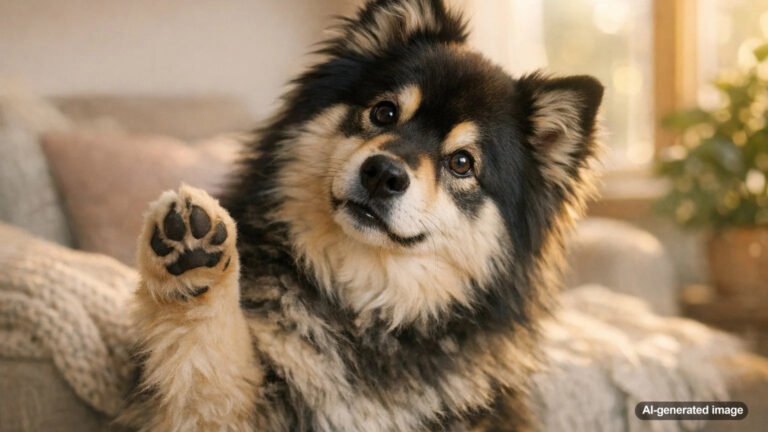
Yes, healthy dog paw pads are naturally rough, thick, and slightly textured to protect their feet.
Across the United States, dogs walk on many different surfaces, including concrete sidewalks, asphalt roads, hiking trails, grass, sand, and snow. Their paw pads are designed to handle these conditions by developing a naturally tough outer layer that provides protection and traction.
Many owners wonder whether rough paw pads indicate a problem. In most cases, some roughness is completely normal. However, excessively dry, cracked, bleeding, or peeling paw pads may signal injury, environmental damage, allergies, infection, or another condition that requires attention.
Source: animalia-life.club
Why Dog Paw Pads Are Naturally Rough
The answer to are dogs paw pads supposed to be rough is usually yes. Paw pads contain thick layers of skin and keratin that create a durable surface capable of handling daily wear and tear.
This rough texture improves grip when dogs run, climb, turn quickly, or walk on slippery surfaces. It also helps shield sensitive tissues from heat, cold, rocks, and abrasive ground conditions.
Source: groomersu.com
Protection
Thick skin helps prevent injuries from rough terrain.
Traction
Textured pads improve stability and reduce slipping.
Durability
The outer layer withstands repeated daily use.
How Healthy Paw Pads Should Feel
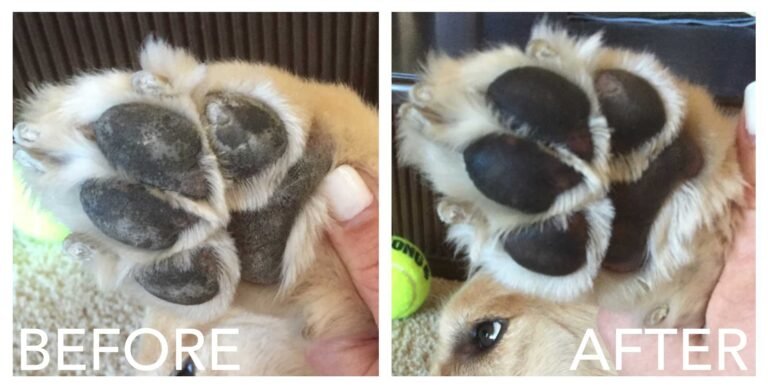
Healthy paw pads usually feel firm, slightly rough, and resilient. They should not feel extremely dry, brittle, or painful when touched.
Normal Texture
Slightly rough and thick with no deep cracks.
When Rough Paw Pads Become a Problem
Not all roughness is healthy. Paw pads that become excessively dry or develop deep cracks can cause pain and increase the risk of infection.
If your dog limps, licks their paws excessively, or avoids walking, the rough texture may be linked to an underlying issue rather than normal wear.
Source: pethelpreviews.co.uk
Deep Cracks
Can expose sensitive tissue and cause discomfort.
Bleeding
May indicate significant damage or injury.
Pain
Tenderness is not a sign of healthy paw pads.
Warning Signs to Watch For
Owners should monitor for redness, swelling, discharge, bleeding, limping, or persistent licking. These symptoms suggest the paws need closer evaluation.
Persistent Limping
Often indicates pain or injury.
Common Causes of Excessively Rough Dog Paw Pads
Environmental conditions are among the most common causes of abnormal roughness. Hot pavement, ice, road salt, dry weather, and rough hiking trails can all damage paw pads.
Some medical conditions, including allergies, autoimmune disorders, nutritional deficiencies, and skin infections, can also affect paw pad health.
Source: animalia-life.club
Hot Surfaces
Can burn and dry the paw pads.
Cold Weather
Ice and salt can lead to cracking and irritation.
Allergies
May trigger inflammation and excessive licking.
Lifestyle Factors
Working dogs, hiking dogs, and highly active pets often develop tougher paw pads due to repeated exposure to abrasive surfaces.
High Activity
Can naturally increase paw pad thickness.
How to Keep Dog Paw Pads Healthy
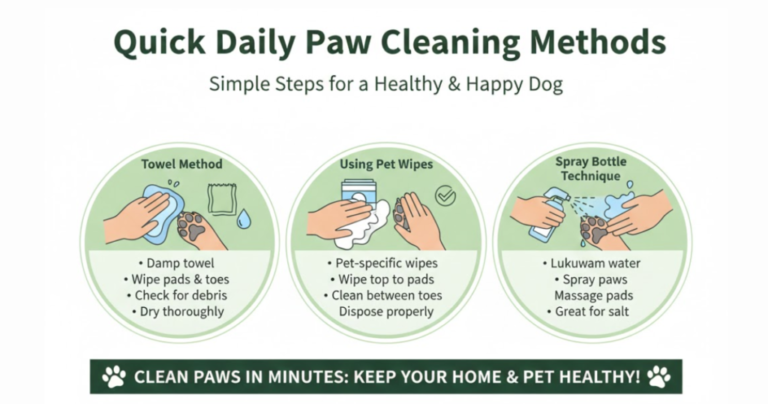
Regular paw inspections help identify problems before they become serious. Check the paws after walks, hikes, or outdoor activities.
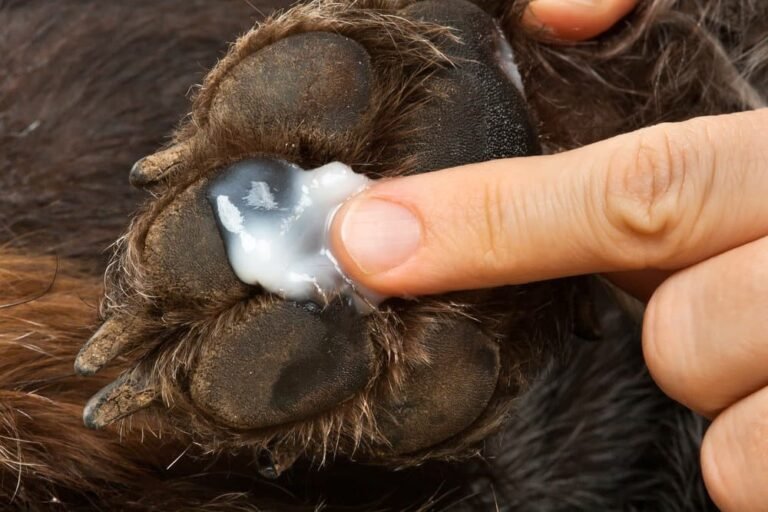
Keeping paws clean and using a pet-safe paw balm when needed can help maintain flexibility and prevent excessive dryness.
Source: animalia-life.club
Inspect Regularly
Look for cuts, cracks, and debris.
Use Paw Balm
Helps maintain moisture and flexibility.
Avoid Extreme Surfaces
Limit exposure to very hot or icy ground.
Seasonal Paw Care
Summer heat and winter ice present different challenges. Adjust your dog’s paw care routine based on weather conditions and activity levels.
Summer
Check pavement temperatures before walks.
Normal Roughness vs Damaged Paw Pads
Understanding the difference between normal and problematic roughness can help owners decide when action is needed.
Healthy paw pads feel tough but remain flexible. Damaged paw pads often become cracked, painful, inflamed, or visibly injured.
Source: animalia-life.club
Healthy Pads
Firm, textured, flexible, and pain-free.
Damaged Pads
Cracked, bleeding, swollen, or sensitive.
Quick Comparison
If your dog’s paws are rough but comfortable and intact, they are likely healthy. If roughness is accompanied by visible damage or discomfort, further care is needed.
Key Test
Watch whether your dog walks normally without pain.
When to Contact a Veterinarian
A veterinarian should evaluate paw pads that are severely cracked, bleeding, infected, swollen, or causing lameness.
Professional evaluation is especially important if symptoms persist despite home care or if your dog shows signs of significant pain.
Source: empocorp.com
Bleeding
Requires prompt assessment.
Infection Signs
Redness, discharge, swelling, or odor need veterinary attention.
Persistent Pain
May indicate a deeper problem.
Emergency Situations
Seek immediate veterinary care if your dog cannot bear weight on a paw or if a severe injury exposes underlying tissue.
Non-Weight Bearing
May indicate serious trauma.
Frequently Asked Questions
Q
Are dogs paw pads supposed to be rough or soft?
Healthy dog paw pads are generally rough rather than soft. Their texture helps provide protection, durability, and traction during daily activities.
Q
Why are my dog’s paw pads very rough?
Very rough paw pads may result from normal activity, environmental exposure, dryness, or underlying health conditions. Check for cracking, pain, or inflammation.
Q
Can I put moisturizer on my dog’s paws?
Yes, pet-safe paw balms and moisturizers can help maintain healthy paw pads. Avoid using products that are not formulated for dogs unless your veterinarian recommends them.
Q
Do rough paw pads hurt dogs?
Normal roughness does not usually cause pain. However, cracked, damaged, or infected paw pads can become very uncomfortable.
Q
How often should I check my dog’s paws?
Inspect your dog’s paws at least weekly and after long walks, hikes, or outdoor adventures. Frequent checks help identify issues early.
✦ Wrapping Up
Conclusion
For most dogs, rough paw pads are completely normal and play an important role in protecting the feet from daily wear. Healthy paw pads should be thick, textured, and resilient rather than soft and delicate.
The key difference is whether the roughness is accompanied by cracking, bleeding, swelling, or pain. Regular paw care and routine inspections can help keep your dog’s feet healthy throughout the year.
💡 Key Takeaway
Check your dog’s paw pads regularly and seek veterinary advice if roughness progresses to cracking, bleeding, limping, or signs of infection.
Learn how to treat dog paw infection at home with safe cleaning, wound care, infection monitoring, and prevention tips. Know when veterinary care is necessary.
Learn how to tell if your dog’s paws are burned, recognize redness, limping, blistering, and pad damage, provide safe first aid, and know when veterinary care is needed.
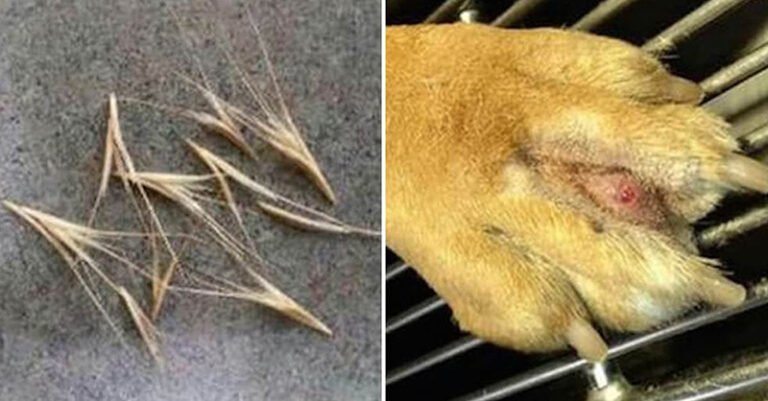
Learn how to tell if your dog has a foxtail in its paw, including common signs, what to check between the toes, when removal is unsafe, and when to see a veterinarian.
Learn what dog paw medicine is made of, including common ingredients in balms, ointments, antiseptics, and medicated treatments used to protect and heal dog paw pads.