Yes, dogs can burn their paws on hot pavement within minutes during warm weather.
Across the United States, summer temperatures can make sidewalks, asphalt roads, parking lots, and concrete surfaces much hotter than the surrounding air. Even when the air feels comfortable, pavement can absorb and retain heat that may damage a dog’s paw pads.
Understanding whether can dogs burn their paws on hot pavement is important for preventing painful injuries. Knowing when surfaces become dangerous, recognizing early signs of burns, and taking simple precautions can help keep your dog safe during walks and outdoor activities.
Source: fitwarm.com
Can Dogs Burn Their Paws on Hot Pavement?
Yes, dogs can burn their paws on hot pavement. Paw pads are tougher than human skin, but they are not immune to heat damage. Prolonged contact with hot surfaces can cause burns, irritation, blistering, and even tissue injury.
Asphalt is especially dangerous because it absorbs sunlight efficiently and can reach temperatures far above the ambient air temperature. Dark-colored surfaces often become hotter than lighter-colored surfaces.
Source: mydoglikes.com
Common Risk Surface
Asphalt parking lots and roads often become the hottest walking surfaces.
Heat Exposure
Even a short walk can cause injury when pavement temperatures are extremely high.
Why Paw Pads Can Still Burn
Dog paw pads contain thick skin and protective tissue, but excessive heat can overwhelm these natural defenses. When surface temperatures exceed safe limits, cellular damage can occur quickly.
Dogs may continue walking despite discomfort, which can worsen injuries before owners notice a problem.
Natural Protection
Paw pads provide some insulation but not complete heat resistance.
How Hot Is Too Hot for Dog Paws?
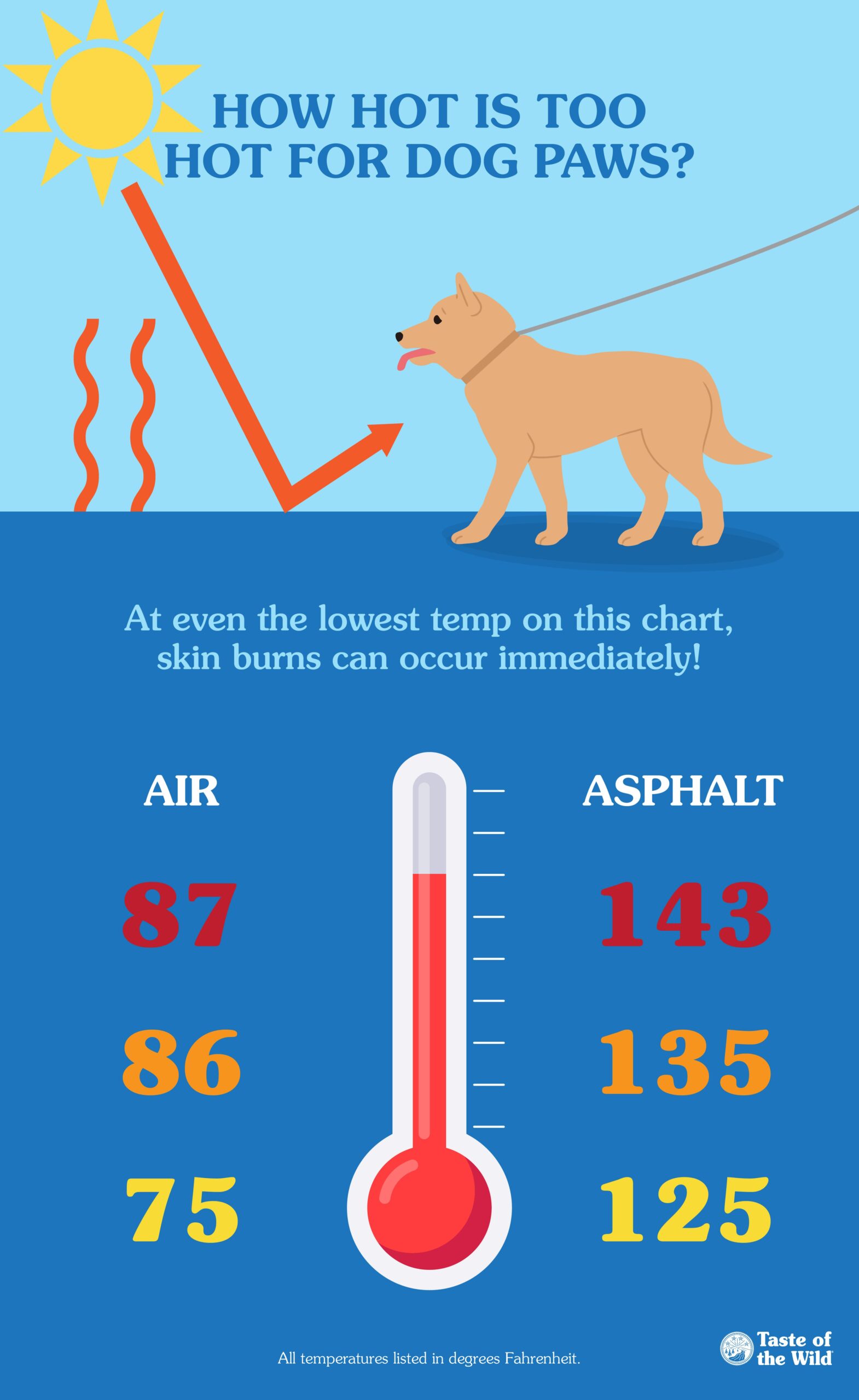
There is no single temperature that is safe for every dog and every surface. However, pavement can become dangerous when air temperatures climb into the upper 70s and beyond, especially under direct sunlight.
Surface temperature matters more than air temperature. Pavement exposed to full sun may become significantly hotter than nearby grass or shaded areas.
Source: peta2.com
Check the Surface
Touch the pavement with the back of your hand for several seconds. If it feels too hot for you, it is likely too hot for your dog.
Consider Sun Exposure
Shaded surfaces are often much cooler than those exposed to direct sunlight.
Factors That Increase Burn Risk
Dark pavement, midday sun, lack of shade, high humidity, and extended walks all increase the risk of paw injuries.
Dogs with thin paw pads, puppies, senior dogs, and dogs recovering from illness may be more vulnerable.
Long Walks
More time on hot surfaces increases exposure and injury risk.
Signs Your Dog Has Burned Paw Pads
The symptoms of burned paw pads can range from mild discomfort to severe tissue damage. Early recognition allows faster treatment and may prevent complications.
Some dogs show obvious pain, while others display subtle behavioral changes after a walk.
Source: wgna.com
Limping
A dog may favor one or more feet after walking on hot pavement.
Excessive Licking
Persistent paw licking may indicate irritation or pain.
Visible Damage
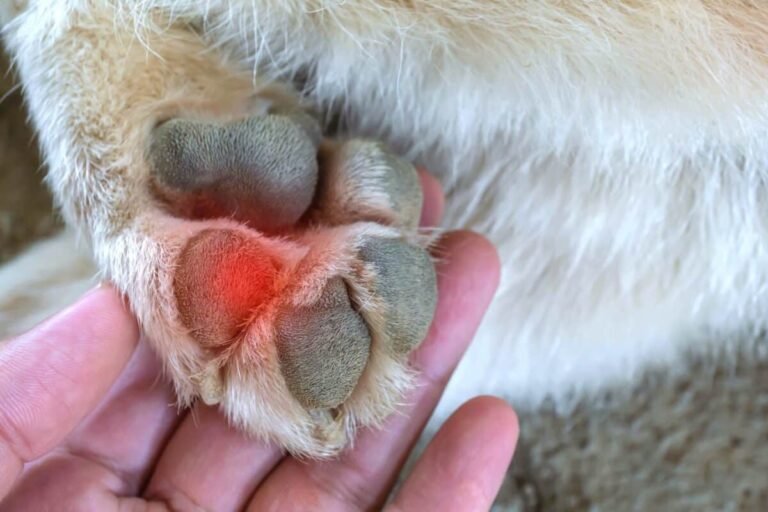
Redness, blisters, cracks, or peeling skin can signal burns.
Severe Warning Signs
Open wounds, bleeding, severe swelling, or refusal to walk may indicate a serious injury that requires prompt veterinary attention.
Emergency Symptoms
Severe pain and extensive tissue damage should be evaluated by a veterinarian.
What to Do if Your Dog Burns Their Paws
Move your dog off the hot surface immediately. Place them in a cool, shaded area and inspect each paw carefully.
Cool the affected paws with cool running water. Avoid ice or extremely cold water because sudden temperature changes may worsen discomfort.
Source: tasteofthewildpetfood.com
Clean the Area
Gently remove dirt and debris from injured paw pads.
Limit Activity
Reduce walking until the paws have healed.
Seek Veterinary Advice
Moderate or severe burns should be professionally evaluated.
When Veterinary Care Is Needed
Veterinary attention is recommended when blisters, open wounds, bleeding, significant swelling, or persistent pain are present.
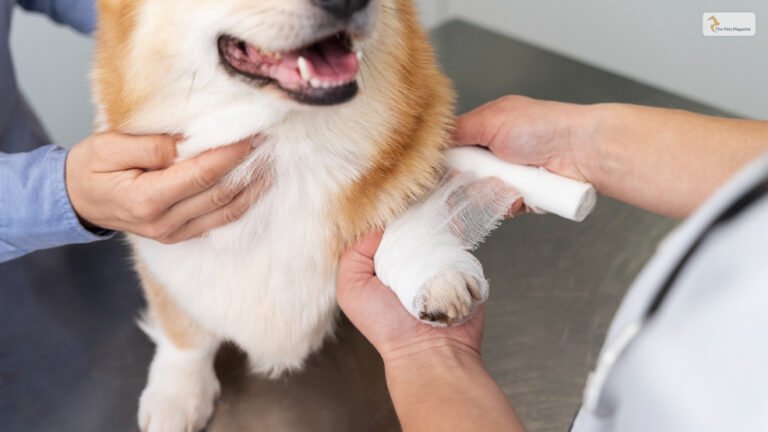
A veterinarian may provide wound care recommendations, bandaging, pain management, or infection prevention measures.
Do Not Self-Medicate
Human medications may be unsafe for dogs without veterinary guidance.
How to Prevent Paw Burns During Summer Walks
Prevention is far easier than treating a burn injury. Adjusting your walking schedule and choosing cooler surfaces can significantly reduce risk.
Grass, dirt trails, and shaded pathways are generally safer alternatives to hot asphalt and concrete.
Source: tasteofthewildpetfood.com
Walk Early or Late
Choose cooler morning or evening hours whenever possible.
Use Protective Footwear
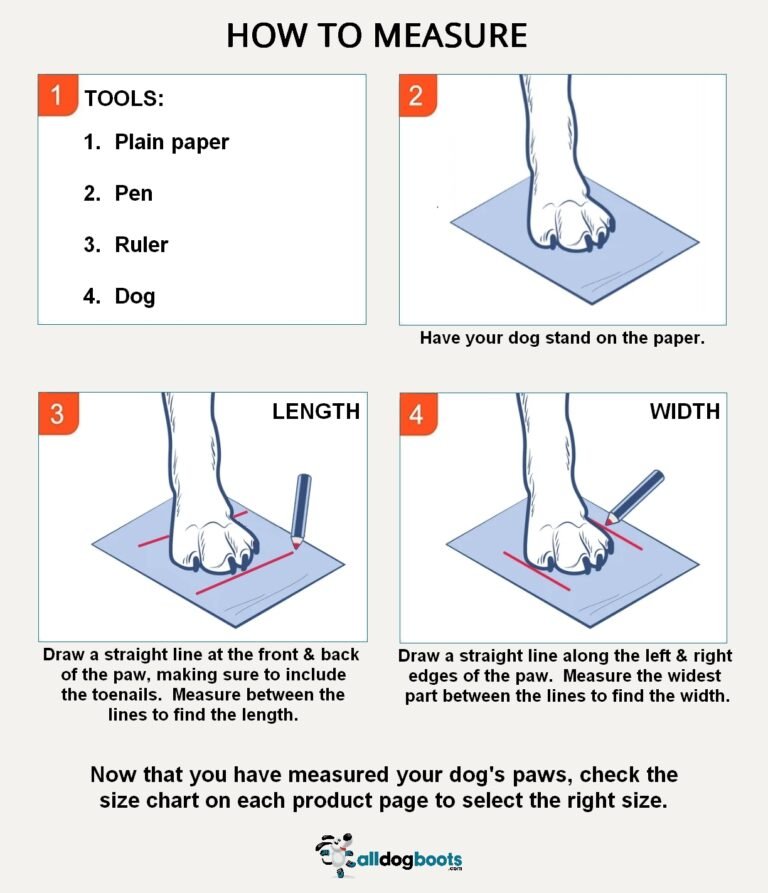
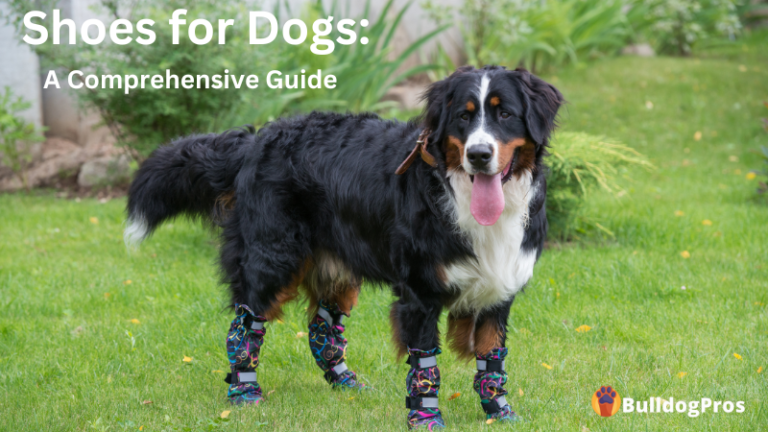
Dog boots can provide a barrier between paws and hot surfaces.
Seek Shade
Routes with trees and shaded sidewalks help reduce exposure.
Simple Safety Checklist
Check pavement temperature before every walk, carry water, monitor your dog’s behavior, and shorten outdoor activities during extreme heat.
Stay Observant
Watch for slowing down, limping, or reluctance to continue walking.
Common Mistakes Dog Owners Make
Many owners rely solely on air temperature when deciding whether to walk their dog. Unfortunately, pavement temperature often tells a different story.
Another common mistake is assuming that a dog will stop walking if the pavement becomes painful. Some dogs continue moving despite discomfort.
Source: storage.googleapis.com
Ignoring Surface Temperature
The ground can be dangerous even when the air feels pleasant.
Walking at Midday
The hottest part of the day typically creates the highest pavement temperatures.
Missing Early Symptoms
Minor redness or licking can progress into more serious injuries.
Safer Alternatives
Choose grassy parks, shaded trails, indoor exercise, or shorter outdoor sessions during periods of extreme heat.
Flexible Scheduling
Adjust walk times based on weather and surface conditions.
Frequently Asked Questions
Q
How quickly can hot pavement burn a dog’s paws?
The time varies depending on pavement temperature, weather conditions, and the dog’s paw sensitivity. Extremely hot surfaces may cause damage within minutes.
Q
Can concrete burn dog paws too?
Yes. Concrete can absorb heat and become hot enough to cause discomfort or burns, especially during sunny summer afternoons.
Q
Are dog boots effective against hot pavement?
Properly fitted dog boots can help protect paw pads by creating a barrier between the paws and hot surfaces.
Q
Should I walk my dog on grass during hot weather?
Grass is usually cooler than asphalt and concrete. Choosing grassy areas can reduce the risk of heat-related paw injuries.
Q
Can burned paw pads heal on their own?
Minor irritation may improve with rest and protection. More severe burns, blisters, or open wounds should be evaluated by a veterinarian.
✦ Wrapping Up
Conclusion
The answer to can dogs burn their paws on hot pavement is yes. Hot asphalt, concrete, and similar surfaces can cause painful injuries that range from mild irritation to severe burns.
Checking pavement temperatures, walking during cooler hours, using protective gear when necessary, and recognizing early warning signs can help prevent most heat-related paw injuries.
💡 Key Takeaway
Before every warm-weather walk, test the pavement temperature and choose cooler routes to protect your dog’s paws.
Learn how to measure dog paws for socks using width, length, and circumference measurements. Get accurate sizing, avoid common mistakes, and improve sock fit.
Learn how to treat smelly dog paws, including safe cleaning, drying, odor causes, yeast and bacterial infection signs, prevention, and when veterinary care is needed.
Learn how to treat dry dog paws safely with moisturizing care, paw protection, and prevention strategies. Discover causes, home remedies, and when to contact a veterinarian.
Learn when to see vet for dog paw pad injury, which symptoms require urgent care, how to provide first aid, and when home treatment is no longer enough.