Yes, you can put lotion on dogs paws, but only products that are safe for dogs and free from harmful ingredients.
Across the United States, dogs frequently develop dry paw pads from hot sidewalks, winter salt, rough trails, low humidity, and frequent outdoor activity. Many pet owners wonder whether regular lotion can help restore moisture and prevent cracking.
The answer depends on the product. Some dog-safe paw moisturizers can help soothe and protect paw pads, while many human lotions contain ingredients that may irritate a dog’s skin or cause digestive upset if licked. Choosing the right moisturizer and applying it correctly is essential for safe paw care.
Source: i.pinimg.com
Can You Put Lotion on Dogs Paws?
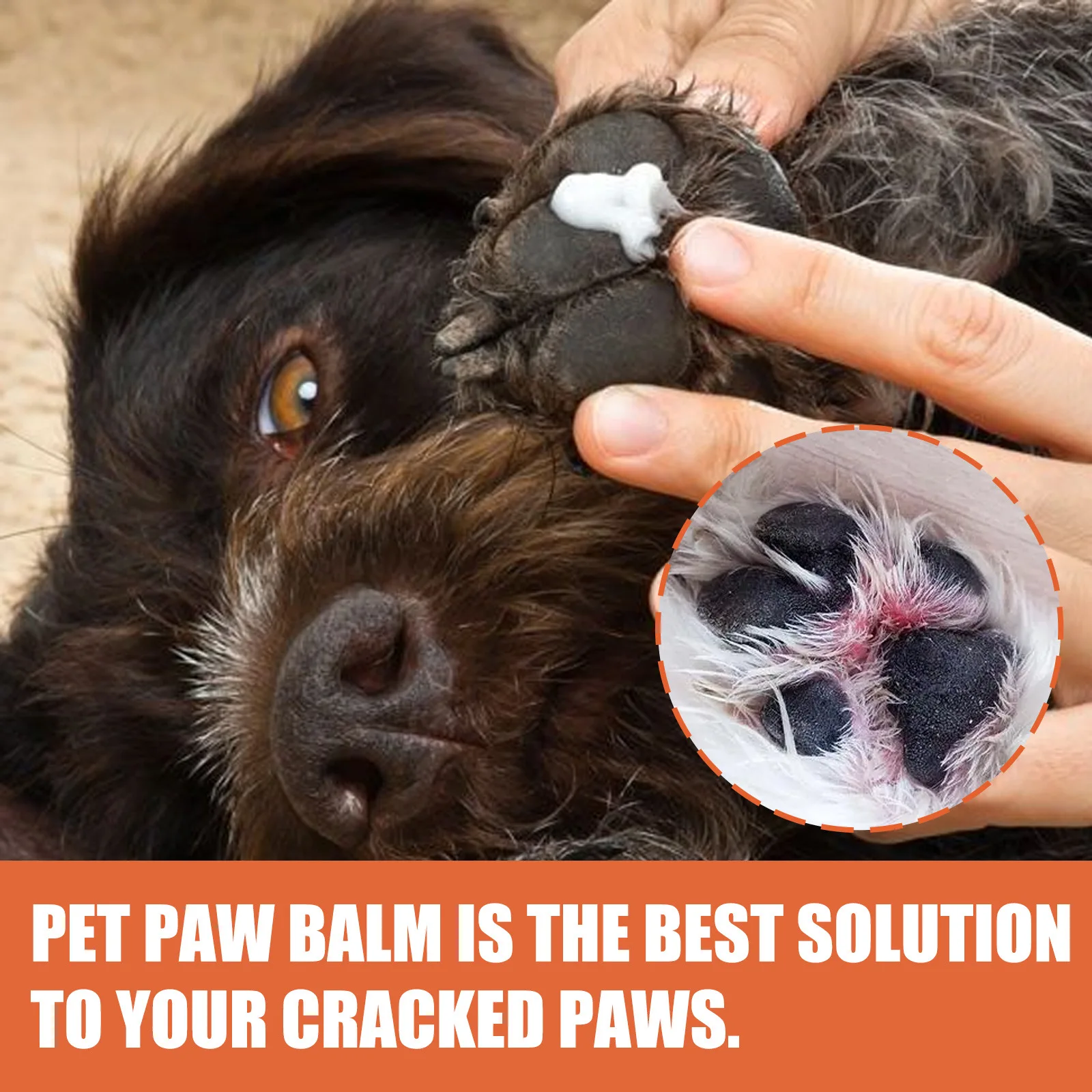
Yes, you can put lotion on dogs paws when their paw pads are dry, rough, or mildly cracked. However, the safest choice is a product specifically formulated for dogs.
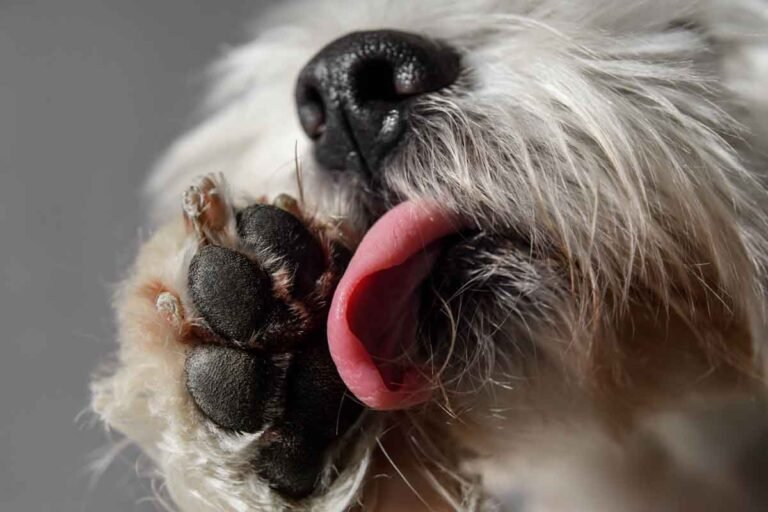
Paw pads naturally contain tough, protective tissue that helps dogs walk on different surfaces. When the pads become excessively dry, they can lose flexibility and develop cracks that make walking uncomfortable.
Source: cdn0.animalwised.com
Safe Option
Use paw balms, waxes, or moisturizers designed for dogs.
Use Caution
Avoid applying random skin-care products without checking ingredients.
Monitor Licking
Dogs often lick treated paws, so products must be pet-safe.
Why Dogs Develop Dry Paw Pads
Environmental conditions are the most common cause. Hot pavement, ice, snow, road salt, rough terrain, and dry indoor air can remove moisture from paw pads and contribute to cracking.
Summer Risks
Hot pavement can dry and damage paw pads.
Winter Risks
Ice melt chemicals and cold weather can irritate paws.
Is Human Lotion Safe for Dog Paws?
Most human lotions are not ideal for dogs. While some ingredients may seem harmless, many products contain fragrances, preservatives, alcohols, essential oils, or other compounds that can irritate sensitive paw tissue.
Another concern is ingestion. Dogs frequently lick their paws, which means ingredients intended only for external human use may end up being swallowed.
Source: m.media-amazon.com
Fragrances
Can trigger irritation or allergic reactions in some dogs.
Alcohol-Based Formulas
May dry the skin further and cause discomfort.
Essential Oils
Some oils can be unsafe for pets when ingested.
When Human Lotion May Be a Problem
Products designed for people are tested for human skin and usage patterns, not for pets that lick treated areas. Even small amounts consumed repeatedly may create unwanted effects.
Frequent Licking
Increases the chance of ingesting ingredients.
What Products Are Best for Moisturizing Dog Paws?
Dog-specific paw balms are usually the best option because they are formulated with pet-safe ingredients and are intended to remain on paw pads longer.
Many products create a protective barrier while helping the skin retain moisture. This combination is especially useful for dogs exposed to harsh outdoor conditions.
Source: ae01.alicdn.com
Paw Balm
Provides moisture and protection.
Paw Wax
Helps shield paws from environmental damage.
Veterinarian-Recommended Moisturizers
Useful for recurring dryness or sensitive skin.
Features to Look For
Choose products with simple ingredient lists and clear instructions for pet use. Products that are safe if licked are often preferred.
Pet-Safe Formula
Specifically labeled for dogs.
How to Apply Lotion or Paw Balm Safely
Successful paw moisturizing starts with clean paws. Dirt and debris can reduce the effectiveness of the product and increase irritation.
Apply a thin layer and allow it to absorb before your dog resumes normal activity. Many owners find that bedtime is the easiest time to apply paw moisturizer.
Source: cdn.shopify.com
Clean First
Wash and dry the paws thoroughly.
Apply Lightly
A thin layer is usually sufficient.
Reduce Licking
Distract your dog for several minutes after application.
Signs the Treatment Is Working
Paw pads should gradually become softer, more flexible, and less prone to cracking. Walking may also appear more comfortable.
Improved Texture
Pads feel smoother and less rough.
When Dry Paws Need Veterinary Attention
Mild dryness can often be managed at home, but some paw conditions require professional evaluation. Deep cracks, bleeding, swelling, persistent limping, or discharge may indicate a more serious issue.
Underlying allergies, infections, autoimmune disorders, or nutritional problems can also contribute to chronic paw problems.
Source: ae04.alicdn.com
Bleeding Cracks
Require prompt veterinary assessment.
Limping
May indicate pain or deeper tissue injury.
Signs of Infection
Redness, swelling, odor, or discharge should be evaluated.
Preventing Future Paw Problems
Regular paw inspections, routine moisturizing, and avoiding extreme surfaces can reduce the risk of recurring dryness and cracking.
Routine Checks
Inspect paws weekly for early signs of damage.
Common Mistakes Dog Owners Make
One of the biggest mistakes is assuming all moisturizers are interchangeable. Products safe for human skin may not be appropriate for dogs.
Another mistake is overapplying products. Excess lotion can attract dirt and encourage excessive licking, reducing the treatment’s benefits.
Source: cdn.shopify.com
Using Human Cosmetics
May expose dogs to unsuitable ingredients.
Ignoring Severe Symptoms
Deep cracks and pain need professional attention.
Inconsistent Care
Regular maintenance works better than occasional treatment.
Best Daily Paw Care Habits
Simple habits such as checking pavement temperatures, cleaning paws after walks, and moisturizing when needed can significantly improve paw health.
Seasonal Protection
Adjust paw care for summer and winter conditions.
Frequently Asked Questions
Q
Can I use Vaseline on my dog’s paws?
Vaseline is generally considered low in toxicity, but it is not specifically designed for dog paw care. Many pet owners prefer dog-safe paw balms that provide moisture while reducing the risk of digestive upset if licked.
Q
How often should I moisturize my dog’s paws?
The frequency depends on the severity of dryness and environmental conditions. Many dogs benefit from a few applications per week, while others may need daily treatment during harsh weather.
Q
What causes cracked dog paw pads?
Common causes include hot pavement, cold weather, road salt, rough surfaces, dehydration, allergies, and certain medical conditions.
Q
Can dogs lick paw balm after application?
Many dog-specific paw balms are formulated to be safer if licked. However, it is still best to limit licking so the product has time to absorb and work effectively.
Q
Should I put lotion on my dog’s paws every day?
Daily use may help dogs with persistent dryness, but overuse is not always necessary. Follow the product instructions and consult a veterinarian if dryness continues.
✦ Wrapping Up
Conclusion
If you are asking can you put lotion on dogs paws, the answer is yes when you use a pet-safe moisturizer designed for canine skin. Proper products can help relieve dryness, improve comfort, and support healthy paw pads.
Avoid applying human lotions without verifying ingredient safety, especially because dogs often lick their paws. Consistent paw care and early attention to cracking can help prevent more serious problems.
💡 Key Takeaway
Use a dog-safe paw balm, inspect your dog’s paws regularly, and contact a veterinarian if cracks, bleeding, or persistent discomfort develop.
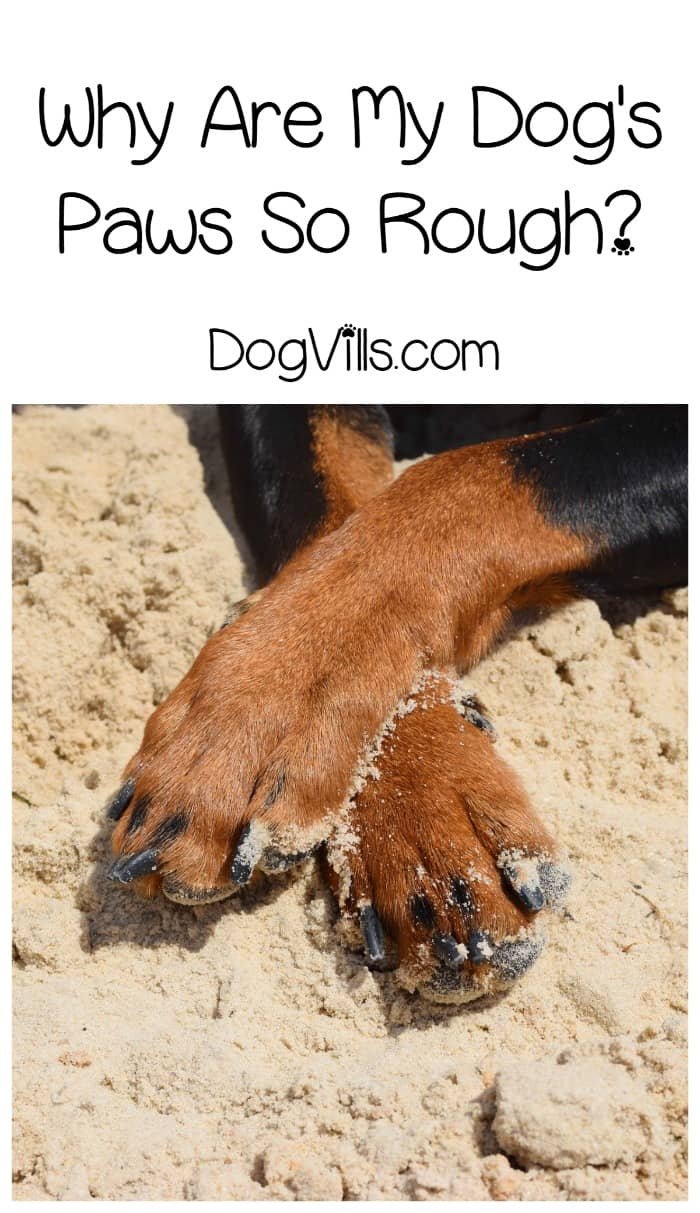
Learn why your dog’s paws may be rough, dry, or cracked, from normal paw-pad wear to allergies, irritation, injury, and hyperkeratosis, plus safe care tips.
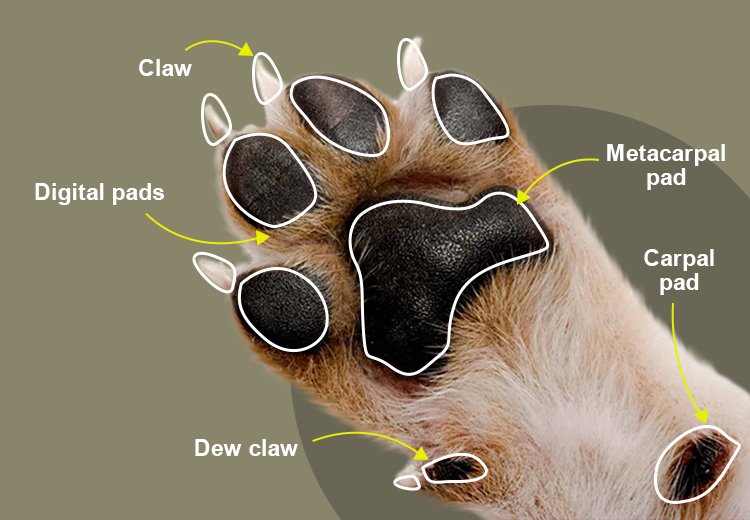
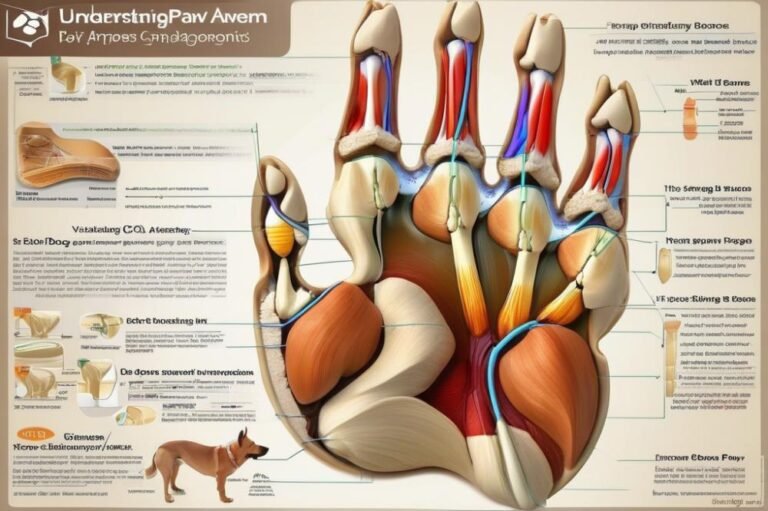
Learn what dog paws are made of, including paw pads, skin, fat, connective tissue, bones, tendons, and nails. Understand how dog paws protect movement, traction, and overall canine health.
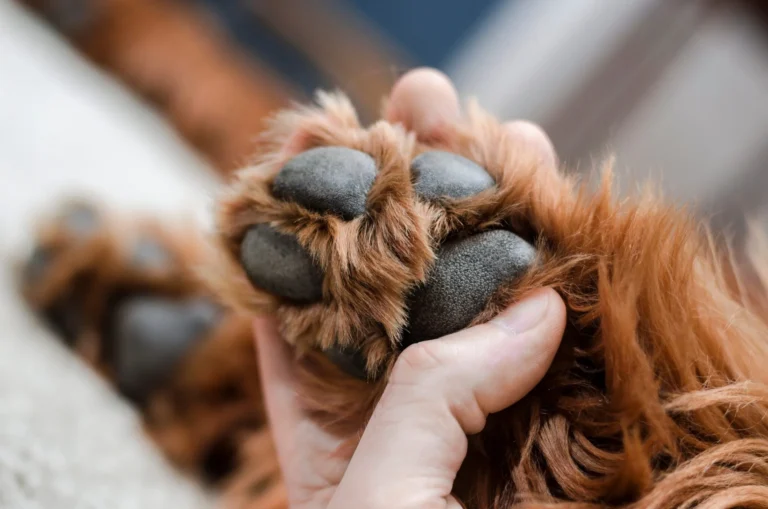
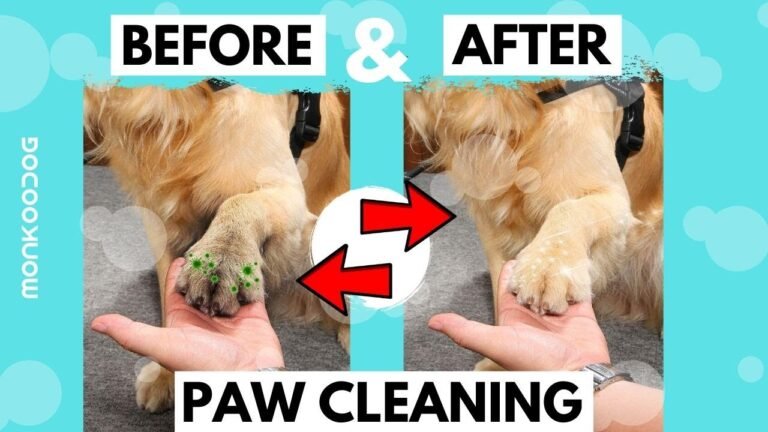
Learn how to clean stained dog paws safely using simple at-home methods. Remove dirt, saliva, grass, and environmental stains while protecting your dog’s paw health.