The best choice is a paw balm or wax made specifically for dogs, applied to clean, dry paw pads.
For dog owners in the United States, a dog-specific paw balm or wax is usually the most practical choice when paw pads are dry, rough, or mildly cracked. These products can moisturize the pads while also creating a protective barrier against dry air, rough ground, ice, salt, and other environmental irritants.
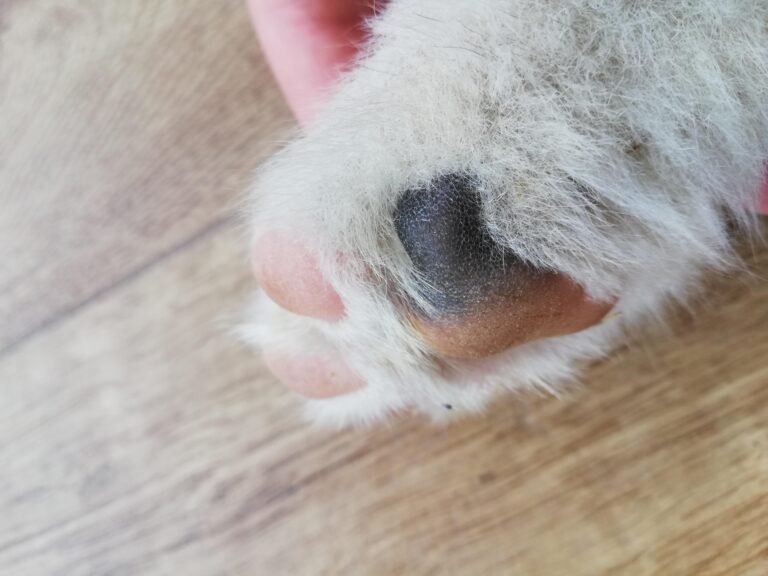
Before applying anything, inspect the paws. Mild dryness may respond to a pet-safe balm, but bleeding, deep cracks, swelling, raw tissue, burns, limping, or persistent licking can indicate an injury or medical problem that needs veterinary care. Avoid assuming that a human skin moisturizer is safe simply because it is gentle for people.
Source: m.media-amazon.com
What Can I Use to Moisturize My Dog’s Paws?
A dog-specific paw balm, butter, or wax is the best general option for moisturizing healthy but dry paw pads. Veterinary guidance notes that these thicker products can moisturize the pads and provide a protective barrier against environmental exposure.
Look for a product labeled for dogs and intended for paw-pad use. A balm is generally more useful than a thin human body lotion because it stays on the pads longer and can provide both conditioning and protection.
If your dog’s paws are only mildly dry, you usually do not need a complicated routine. Clean away dirt and potential irritants, dry the paws well, and apply a small amount of dog-safe balm to the pads.
Source: gardentherapy.ca
Dog-specific paw balm
A practical choice for dry, rough paw pads because it is designed for canine feet and usually has a thicker protective texture.
Paw wax
A wax-based product can condition dry pads while creating a barrier against cold, salt, ice, dirt, and rough surfaces.
Paw butter
A thicker butter can help soften dry paw pads and may be useful when the skin feels rough but is not seriously injured.
What Makes a Paw Moisturizer a Better Choice?
The main advantage of a dog-specific product is that it is intended for an animal that may lick its paws after application. You should still prevent excessive licking whenever possible, but choosing a product made for dogs reduces the risk associated with unsuitable human cosmetics.
A good paw product should serve a clear purpose. For routine dryness, look for moisturizing and protective properties. For an actual wound, burn, infection, or recurring problem, use veterinary guidance instead of relying on moisturizer alone.
Dog-safe formulation
Choose a product specifically labeled for canine use rather than assuming a human moisturizer is appropriate.
Protective texture
Balms and waxes can remain on the pads longer than watery lotions and may provide a useful environmental barrier.
How to Moisturize Your Dog’s Paws Safely
Start with clean, dry paws. Moisturizing over dirt, salt, chemicals, or other irritants can trap unwanted material against the skin. Cleaning the paws after walks is especially useful when your dog has been on treated sidewalks, rough ground, or other irritating surfaces.
Once the paws are clean and dry, apply a small amount of dog-specific balm to each paw pad. Massage it gently over the dry areas without forcing the product into an open wound. Give the balm a few minutes to settle before your dog walks on the floor or goes outside.
Watch your dog after application. Some licking is common, but persistent licking can remove the product and may signal that the paw is painful or irritated. If your dog repeatedly focuses on one or more paws, look for another cause rather than simply applying more moisturizer.
Source: pinklion.com
1. Inspect the paws
Check for cracks, cuts, redness, swelling, foreign objects, discoloration, or exposed tissue before applying any moisturizer.
2. Clean the pads
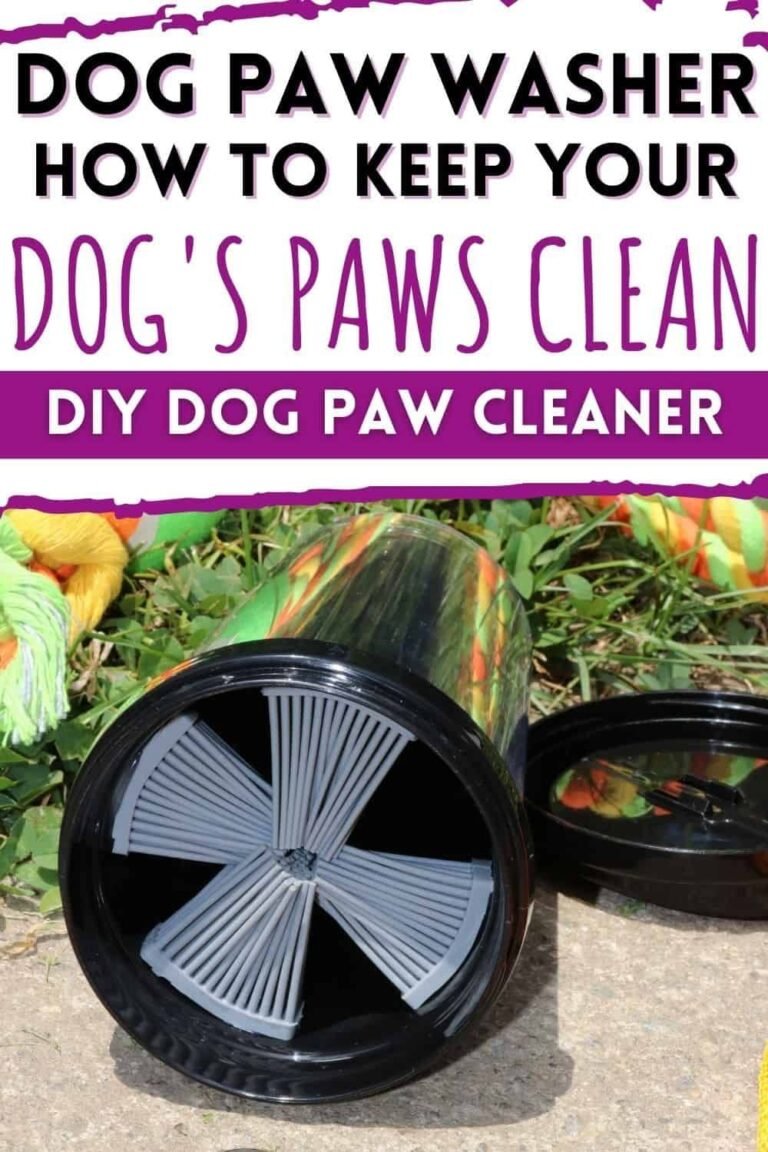
Remove dirt and possible irritants with a gentle paw-cleaning method appropriate for dogs.
3. Dry thoroughly
Pat the paws dry so the balm can contact the paw-pad surface rather than sitting on excess moisture or debris.
4. Apply a small amount
Massage a thin layer over the dry pad surface and avoid treating deep wounds with ordinary moisturizer.
5. Observe your dog
Watch for excessive licking, discomfort, limping, redness, or worsening cracks after application.
How Often Should You Moisturize Dog Paws?
There is no universal schedule that fits every dog. A dog that spends a lot of time on rough pavement or in dry winter conditions may need paw conditioning more often than a dog that mostly walks on soft ground.
Use the condition of the paw pads as a guide rather than applying moisturizer repeatedly just because a schedule says to. If the pads remain rough, crack, become painful, or repeatedly need treatment, the underlying cause should be investigated.
For occasional dryness
Use a dog-specific balm when the pads become noticeably dry or rough, following the product directions.
For recurring dryness
Look for environmental triggers or medical causes and discuss persistent problems with your veterinarian.
Can I Use Coconut Oil, Vaseline, or Human Lotion on Dog Paws?
Common household moisturizers are not automatically safe for dogs. Dogs can lick products from their paws, so an ingredient that is acceptable for external use on people may cause problems if swallowed.
Coconut oil is sometimes used in homemade dog paw balms, and some canine products contain it. However, plain coconut oil is not automatically the best treatment for a dog’s dry paws. Dogs can develop digestive problems after ingesting oils, and topical ingredients can also cause irritation in some animals.
Vaseline and other petroleum-based products are not the preferred choice for routine dog paw moisturizing. If a dog repeatedly licks a product from its paws, ingestion can cause gastrointestinal upset. Human body lotions are also poor substitutes because their ingredients and fragrances may not be appropriate for pets.
Source: i.pinimg.com
Human body lotion
Avoid using it as a routine paw moisturizer unless your veterinarian specifically recommends the product and formulation.
Vaseline
It is not the preferred routine option for dog paws, especially because dogs may lick petroleum products from their feet.
Plain coconut oil
Coconut oil appears in some dog paw products, but using it alone can lead to ingestion and is not appropriate for every dog.
Dog paw balm
A product formulated specifically for canine paws is generally the simpler and more appropriate option for routine dryness.
Why Human Moisturizers Can Be a Problem
Dogs have different grooming habits and may lick their paws shortly after a topical product is applied. Human lotions can contain fragrances, essential oils, preservatives, or other ingredients that were not designed for repeated ingestion.
A dry paw also does not always mean the skin simply needs more moisture. Allergies, irritation, excessive wear, infection, hyperkeratosis, and other medical conditions can produce similar signs. Treating the surface without identifying the cause can delay appropriate care.
Licking changes the risk
A topical product may become an oral exposure when a dog repeatedly licks its paws.
Dryness can have a cause
Persistent or severe dryness may be associated with allergies, irritation, disease, environmental exposure, or injury.
What Should I Do for Dry or Cracked Paw Pads?
For mild dryness without bleeding or open tissue, start with gentle cleaning, thorough drying, and a dog-specific moisturizing balm. Reducing exposure to rough, very hot, very cold, or chemically treated surfaces can also give the pads time to recover.
Superficial dryness and deeper cracks are not the same problem. Deep fissures can be painful and may bleed or become infected. If the pad is bleeding, swollen, raw, badly discolored, or causing your dog to limp, do not rely on moisturizer as the main treatment.
Recurring cracks deserve particular attention. Paw problems can result from rough surfaces and environmental conditions, but allergies, hyperkeratosis, nutritional problems, and other medical conditions can also contribute. A veterinarian can help determine whether the problem is simply environmental or needs medical treatment.
Source: petshun.com
Mild roughness
A dog-specific balm or wax may help condition the pads and protect them from environmental exposure.
Deep cracks
Deep fissures, bleeding, or exposed tissue require veterinary assessment rather than routine moisturizer alone.
Persistent licking
Repeated licking or chewing can indicate pain, allergies, irritation, infection, or another problem that needs investigation.
Limping
Limping suggests that the paw may be injured or painful and should not be treated as simple dryness without further evaluation.
Signs That a Dry Paw Needs Veterinary Attention
Contact your veterinarian if your dog’s paw pads are bleeding, swollen, severely cracked, discolored, or painful. Veterinary attention is also appropriate when your dog repeatedly licks or chews the paws, develops a limp, or does not improve with basic paw care.
A veterinarian may need to look for an underlying cause rather than simply adding a moisturizer. This is particularly important when dryness keeps returning or affects multiple paws.
Bleeding
Bleeding cracks or wounds should be evaluated because the paw pad is constantly exposed to pressure and contamination.
Swelling or discharge
These signs can indicate significant inflammation or infection and should not be managed with moisturizer alone.
Raw or exposed tissue
Exposed tissue can indicate a serious injury or burn that needs veterinary treatment.
No improvement
Dryness that persists or repeatedly returns warrants investigation for environmental, allergic, or medical causes.
How to Prevent Your Dog’s Paws From Drying and Cracking
Moisturizer works best as one part of paw care, not as the only protection. Daily or regular inspections can help you spot small cracks, cuts, debris, or irritation before they become more serious.
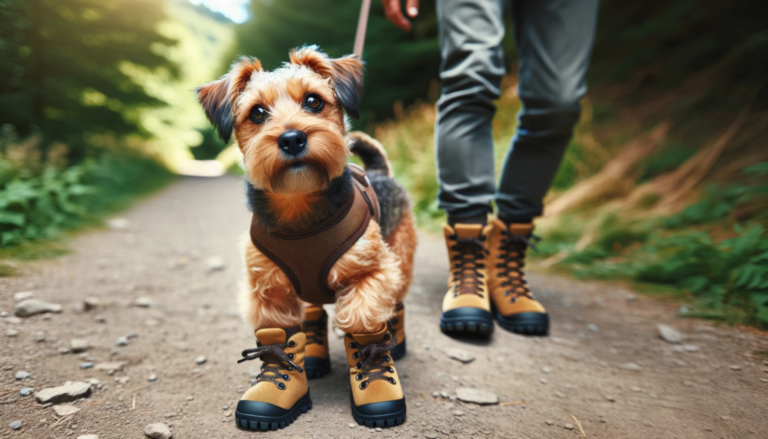
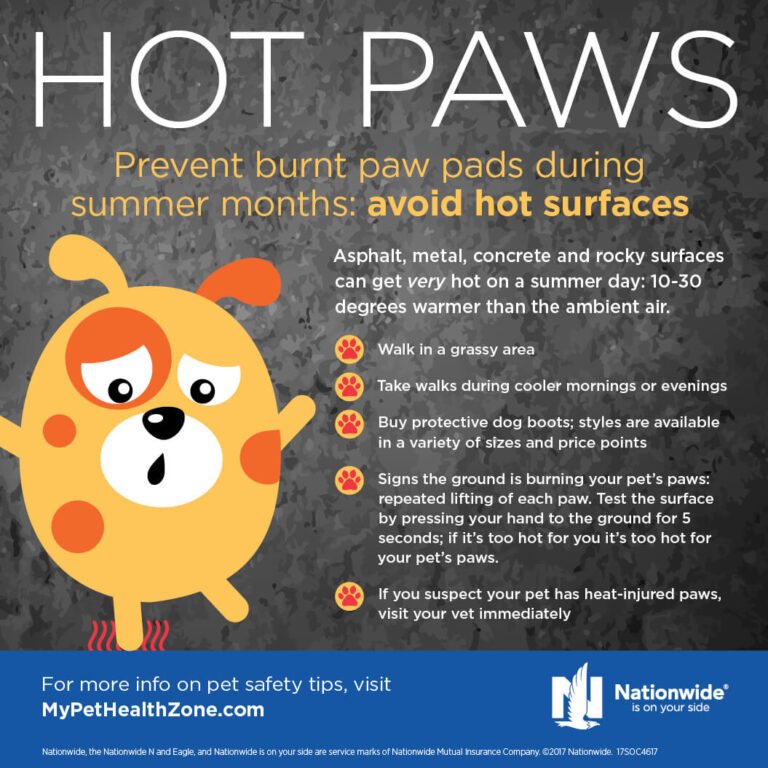
Pay attention to the surfaces and substances your dog encounters. Hot pavement can burn paw pads, while ice, snow, road salt, deicers, rough terrain, and some household or yard chemicals can irritate or injure them. When conditions are harsh, changing the walking route or using properly fitted dog boots can reduce exposure.
After walks, clean the paws when they have contacted salt, dirt, or other potential irritants. Dry them carefully, including between the toes. A protective paw balm or wax can then provide additional conditioning and a barrier against environmental exposure.
Source: allpetthings.com
Inspect paws regularly
Look for cracks, cuts, redness, foreign objects, swelling, or changes in the normal appearance of the pads.
Clean after exposure
Wipe or rinse paws after walks when they have contacted road salt, deicers, dirt, or other irritants.
Avoid extreme surfaces
Limit exposure to very hot pavement, severe cold, sharp terrain, and other surfaces that can damage paw pads.
Consider dog boots
Properly fitted boots can protect paws from ice, salt, rough terrain, and temperature extremes when your dog tolerates them.
Use a protective balm
A dog-specific balm or wax can moisturize the pads while adding a protective layer during challenging conditions.
A Simple Paw-Care Routine
A practical routine is simple: inspect the paws, clean away irritants, dry them, apply dog-specific balm when needed, and monitor your dog’s comfort. The goal is to keep the pads healthy without masking signs of injury or disease.
If your dog’s paws remain healthy and comfortable, there is no need to apply increasingly large amounts of moisturizer. Focus instead on preventing the environmental exposure that causes dryness in the first place.
Before walks
Check the weather and walking surface, especially during periods of extreme heat, cold, ice, or heavy use of deicers.
After walks
Inspect and clean the paws when needed, then dry them thoroughly.
During recovery
Reduce exposure to harsh surfaces and follow veterinary instructions if the pads are injured.
Choosing Between Paw Balm, Paw Wax, and Other Options
For routine dryness, paw balm and paw wax are usually the most useful categories to consider. Both can moisturize and create a protective layer, although the texture and intended use can differ between products.
The right choice depends on why the paws need care. If the main issue is mild dryness, a moisturizing balm may be enough. If your dog regularly encounters snow, salt, ice, or rough outdoor surfaces, a protective wax or balm may provide an added barrier.
If the pads are damaged rather than simply dry, the decision changes. A burn, deep crack, open wound, infection, or recurring inflammation requires a veterinary assessment rather than a comparison of cosmetic moisturizers.
Source: i.pinimg.com
Choose balm for routine conditioning
A dog-specific balm is a straightforward option for dry, rough pads that have no signs of serious injury.
Choose wax for environmental protection
A protective wax can be useful when the goal includes creating a barrier against outdoor conditions.
Choose veterinary treatment for injury
Do not substitute balm or wax for professional treatment when the paw is bleeding, badly cracked, burned, swollen, infected, or painful.
What If Your Dog Licks the Moisturizer?
Try to keep your dog from immediately licking the treated paws. Applying a small amount and allowing it to absorb before normal activity can help reduce the temptation to lick.
If your dog persistently licks or chews the paws despite treatment, consider that the behavior may be caused by pain, itching, allergies, or another problem. Repeated licking can also make irritated skin worse.
Use less product
A thin, even layer is generally more practical than coating the paws with a large amount of balm.
Distract briefly
Supervise your dog for a short period after application so the product has time to settle.
Investigate persistent licking
If licking continues, look for pain, irritation, allergies, injury, or infection instead of repeatedly adding moisturizer.
Can You Make a Dog Paw Balm at Home?
A homemade paw balm can be made with ingredients commonly used in dog-care recipes, but homemade does not automatically mean safer. The ingredients must be appropriate for dogs, the finished product must be stored safely, and the dog should not be allowed to consume large amounts.
Some published dog paw balm recipes use combinations such as plant oils, coconut oil, shea butter, and beeswax. However, veterinary guidance should take priority when a dog has allergies, recurrent paw disease, open wounds, or another medical condition.
For most owners who simply need to moisturize dry paw pads, a commercially prepared product labeled for dogs can be easier to use because its intended purpose and directions are clearly stated. If you make a homemade balm, avoid adding ingredients simply because they are popular in human skincare.
Source: i.pinimg.com
Keep the formula simple
Use only ingredients known to be appropriate for canine topical use and avoid adding unnecessary fragrances or essential oils.
Consider licking
Dogs may ingest a topical balm, so ingredient selection matters even when the product is applied only to the paws.
Do not treat injuries as dryness
A homemade balm is not an appropriate substitute for veterinary care when the paw is wounded, burned, infected, or persistently painful.
Frequently Asked Questions
Q
What is the safest moisturizer for a dog’s paws?
A paw balm, butter, or wax specifically formulated for dogs is generally the best routine choice for dry paw pads. Follow the product directions and use only a small amount on clean, dry pads.
If the paws are cracked deeply, bleeding, swollen, raw, or painful, ask your veterinarian about treatment instead of relying on moisturizer.
Q
Can I put coconut oil on my dog’s paws?
Coconut oil is included in some dog paw balm recipes and products, but plain coconut oil is not automatically appropriate for every dog. Dogs may lick it from their paws, and ingesting too much can cause digestive problems.
A dog-specific paw product is usually a more controlled choice for routine paw care.
Q
Can I use Vaseline on my dog’s dry paws?
Vaseline is not the preferred routine moisturizer for dog paws. Dogs can lick petroleum products from their feet, and ingestion can cause gastrointestinal upset.
A paw balm or wax formulated for dogs is a better option when the goal is routine moisturizing and protection.
Q
Can I use human lotion on my dog’s paws?
It is better to avoid using ordinary human body lotion on your dog’s paws unless your veterinarian specifically recommends a particular product. Dogs can lick topical products, and human lotions may contain ingredients that are unsuitable for ingestion.
Choose a product made for dogs when possible, especially when the product will be used repeatedly.
Q
How often should I put paw balm on my dog?
Use paw balm according to the product directions and the condition of your dog’s pads rather than following one universal schedule. Mild dryness may need occasional conditioning, while recurring problems need investigation.
If you repeatedly need to moisturize because the paws become dry or cracked again, discuss the problem with your veterinarian.
Q
What should I put on severely cracked dog paws?
Severely cracked paws should not be treated as a simple dryness problem. Deep cracks, bleeding, exposed tissue, swelling, limping, or significant pain warrant veterinary attention.
A veterinarian can determine whether the dog needs wound care, medication, activity restriction, protective bandaging, or treatment for an underlying condition.
Q
How can I keep my dog’s paws moisturized in winter?
Use a dog-specific paw balm or wax, clean the paws after exposure to road salt or deicers, and dry them thoroughly after walks. Properly fitted boots can also reduce contact with snow, ice, salt, and harsh surfaces.
Avoid prolonged walks on surfaces that are extremely cold, icy, or heavily treated with deicing chemicals.
✦ Wrapping Up
Conclusion
If you are wondering what can i use to moisturize my dogs paws, start with a paw balm, butter, or wax made specifically for dogs. These products can help condition dry paw pads while providing a protective layer against common environmental irritants.
Good paw care also means identifying when moisturizer is not enough. Clean and inspect the paws regularly, limit exposure to damaging surfaces, and seek veterinary care for bleeding, deep cracks, swelling, burns, limping, persistent licking, or recurring paw problems.
💡 Key Takeaway
For mild dryness, clean and dry your dog’s paws, apply a thin layer of dog-specific paw balm, and monitor the pads. If the paws are painful, injured, or repeatedly becoming dry and cracked, contact your veterinarian.
Learn what black spots on your dog’s paws can mean, when normal pigmentation is likely, possible health causes, warning signs, and when to see a veterinarian.
Learn how to keep dog’s paws from getting muddy with proven strategies, paw protection methods, grooming tips, and easy cleanup routines for cleaner homes and healthier paws.
Learn whether dogs can burn their paws on hot pavement, how to spot paw burns, safe walking temperatures, prevention tips, and when to contact a veterinarian.