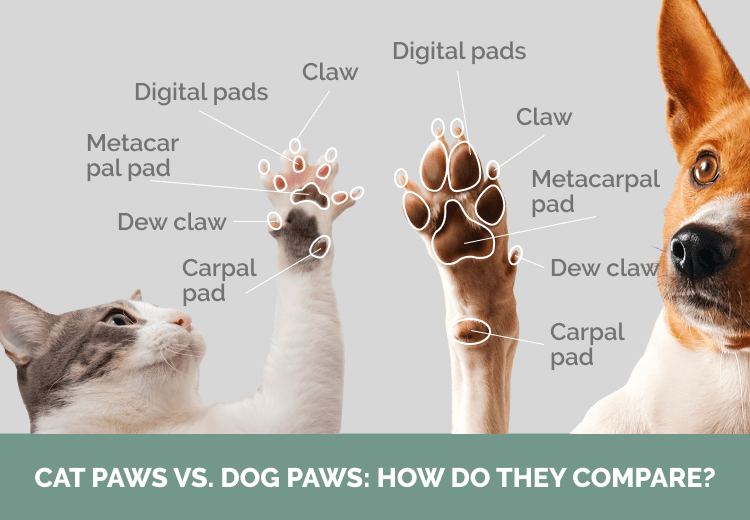
Clean the wound, control bleeding, bandage the paw, restrict activity, and contact a veterinarian if the injury is severe.
In the United States, ripped paw pads are a common reason for emergency and urgent veterinary visits, especially after hikes, runs on rough pavement, or outdoor play. Paw pads protect a dog’s feet from heat, cold, friction, and sharp objects, so injuries can be painful and slow to heal.
If you are wondering what to do if your dog’s paw pad is ripped, the priority is to stop bleeding, prevent contamination, and reduce further damage. Many minor tears can heal with proper care, but deep wounds, large flaps of tissue, or persistent bleeding require veterinary attention.
Source: live.staticflickr.com
How Serious Is a Ripped Paw Pad?
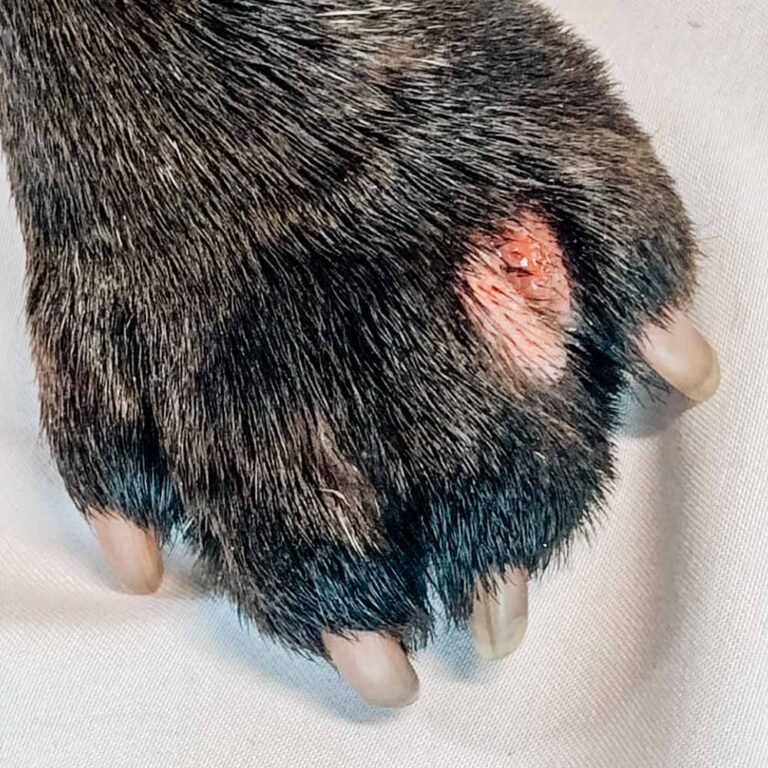
A ripped paw pad can range from a small surface scrape to a deep tear involving underlying tissue. Because paw pads carry a dog’s weight, even minor injuries can become painful and reopen if not protected.
The severity depends on the depth of the tear, the amount of bleeding, the location of the injury, and whether a flap of pad tissue is attached. Deep wounds usually require veterinary assessment because healing can be prolonged and infection risks increase.
Source: yourvetfriend.com
Minor injury
Small abrasion or shallow crack with limited bleeding.
Moderate injury
Visible tear with ongoing discomfort and moderate bleeding.
Severe injury
Large flap, deep tissue exposure, heavy bleeding, or inability to bear weight.
Common Causes
Sharp rocks, broken glass, hot pavement, rough terrain, ice, and excessive activity are among the most common causes of paw pad injuries.
Outdoor hazards
Sharp or abrasive surfaces can tear paw tissue.
Immediate First Aid Steps
The first few minutes after the injury can significantly affect recovery. Stay calm and keep your dog from walking on the injured paw.
Rinse dirt and debris away with clean water or sterile saline. Apply gentle pressure with a clean cloth or gauze to stop bleeding. Once bleeding is controlled, cover the wound with a non-stick dressing and a light bandage.
Source: i.ytimg.com
Step 1
Inspect the paw carefully for debris.
Step 2
Flush the wound gently with water or saline.
Step 3
Control bleeding using clean gauze.
Step 4
Apply a protective bandage.
Signs First Aid Is Working
Bleeding slows or stops, the bandage remains clean, and your dog becomes more comfortable when resting.
Positive sign
Reduced bleeding and less limping.
When Should You Call a Veterinarian?
Veterinary care is recommended if bleeding does not stop after several minutes of direct pressure, if the tear is deep, or if tissue is hanging loose.
Dogs that cannot bear weight, show severe pain, or develop swelling, redness, discharge, or a foul odor should be examined promptly. Some injuries may require stitches, specialized bandaging, pain medication, or antibiotics.
Source: youdidwhatwithyourweiner.com
Persistent bleeding
Requires professional evaluation.
Deep laceration
May need advanced wound management.
Infection signs
Need veterinary treatment to prevent complications.
Emergency Warning Signs
Heavy bleeding, exposed tissue, severe swelling, or extreme pain justify immediate veterinary attention.
Urgent situation
Large wounds and uncontrolled bleeding.
How Long Does a Ripped Paw Pad Take to Heal?
Healing time varies based on the size and depth of the injury. Minor abrasions may improve within one to two weeks, while deeper tears can require several weeks of recovery.
Because dogs place weight on their paws every day, healing can be slower than wounds on other parts of the body. Consistent protection and restricted activity help prevent setbacks.
Source: toegrips.com
Minor injuries
Often heal within one to two weeks.
Moderate injuries
May require several weeks of care.
Severe injuries
Can take a month or longer depending on treatment.
Factors That Affect Recovery
Age, activity level, wound depth, infection, and adherence to veterinary instructions all influence healing time.
Activity control
Less stress on the paw supports faster recovery.
Preventing Future Paw Pad Injuries
Regular paw inspections help identify cracks, dryness, and small injuries before they become serious problems. Avoid hot pavement, sharp surfaces, and hazardous terrain whenever possible.
Conditioning dogs gradually for long walks and outdoor activities can help strengthen paw pads over time. Protective dog boots may be useful in extreme environments.
Source: ceyplex.com
Inspect paws regularly
Check for cuts, cracks, and foreign objects.
Avoid hazards
Keep dogs away from dangerous surfaces.
Use protection
Consider boots when conditions are harsh.
Common Prevention Mistakes
Ignoring small cracks, allowing excessive activity during healing, and exposing paws to hot surfaces can increase injury risk.
Mistake
Returning to intense exercise too soon.
Frequently Asked Questions
Q
Can a ripped paw pad heal on its own?
Many minor paw pad injuries can heal naturally with proper cleaning, protection, and restricted activity. Deep tears and severe injuries should be evaluated by a veterinarian.
Q
Should I let my dog lick a ripped paw pad?
No. Excessive licking can delay healing, introduce bacteria, and damage new tissue. Protective collars or bandages may be needed.
Q
Can I walk my dog with a torn paw pad?
Walking should be limited until the injury begins healing. Excessive activity can reopen the wound and prolong recovery.
Q
Do paw pad injuries require stitches?
Some deep or severe tears may require sutures or specialized veterinary treatment. The need depends on the size, depth, and location of the injury.
Q
How can I tell if the wound is infected?
Redness, swelling, warmth, pus, foul odor, worsening pain, or delayed healing can indicate infection and should be evaluated by a veterinarian.
✦ Wrapping Up
Conclusion
Knowing what to do if your dog’s paw pad is ripped can reduce pain, lower infection risks, and support a smoother recovery. Quick first aid and proper protection are the most important early steps.
While many minor injuries improve with careful home care, deeper wounds and ongoing symptoms require veterinary attention. Monitoring the healing process closely helps prevent complications.
💡 Key Takeaway
Clean the paw, stop bleeding, apply a protective bandage, restrict activity, and contact a veterinarian if the injury appears deep or does not improve.
Learn how to desensitize dog paws using positive reinforcement, gradual handling, and proven training techniques. Make nail trims, grooming, and paw care easier and less stressful.
Learn why dogs tuck their paws when lying down, sitting, or resting. Discover normal behavioral reasons, possible health concerns, and signs that require veterinary attention.
Learn how to treat an interdigital cyst on a dog paw, recognize interdigital furunculosis, provide safe home care, and know when veterinary treatment is needed.