Snow is not always bad for dogs paws, but prolonged exposure can cause irritation, cracking, frostbite, and injuries.
Across many parts of the United States, dogs spend the winter walking, running, and playing in snow. While healthy dogs can usually tolerate short periods outdoors, snow can create problems for their paws when temperatures drop significantly or when ice and deicing chemicals are present.
The answer to is snow bad for dogs paws depends on conditions, exposure time, your dog’s breed, age, health status, and paw condition. Snow itself is not always harmful, but ice, road salt, frozen surfaces, and extreme cold can damage paw pads and cause discomfort if proper precautions are not taken.
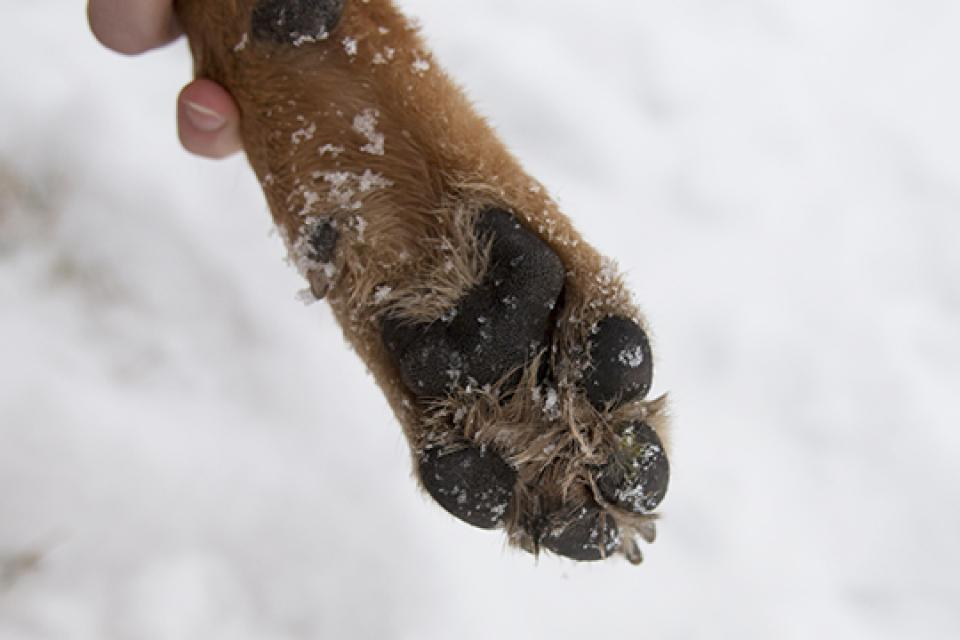
Source: zimmvet.com
Is Snow Bad for Dogs Paws?
Snow is not inherently bad for dogs paws. Many dogs enjoy walking and playing in snowy environments without problems. Paw pads are naturally designed to handle a variety of outdoor surfaces and provide insulation against moderate cold.
However, snow becomes a concern when exposure is prolonged or when temperatures are extremely low. Ice crystals, packed snow, frozen ground, and chemical ice melters can irritate or damage paw tissue. This means the risks often come from winter conditions associated with snow rather than the snow itself.
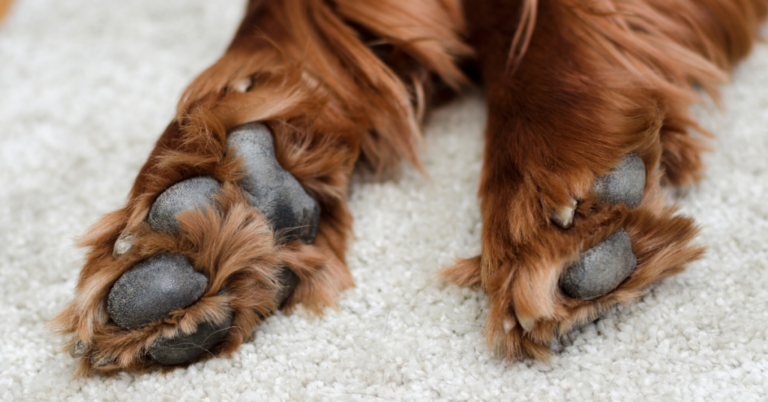
Source: thedogkennelcollection.b-cdn.net
Low Risk Situation
Short walks on fresh snow with moderate winter temperatures.
Moderate Risk Situation
Long walks where snow accumulates between the toes.
High Risk Situation
Extreme cold, icy surfaces, and areas treated with road salt or deicing chemicals.
Why Some Dogs Handle Snow Better Than Others
Breed, coat type, age, and health all affect cold tolerance. Northern breeds such as Huskies and Malamutes generally tolerate snow better than short-haired breeds or very small dogs. Puppies, senior dogs, and dogs with medical conditions may be more vulnerable to cold-related paw problems.
Higher Tolerance
Double-coated breeds bred for cold climates.
Lower Tolerance
Small, short-haired, elderly, or medically compromised dogs.
Winter Hazards That Can Damage Dog Paws
Several winter hazards can affect paw health. Snow can hide sharp ice, debris, and uneven surfaces that increase injury risk.
Road salt and chemical deicers can dry out paw pads, cause irritation, and create discomfort. Dogs may also ingest harmful substances by licking their paws after walks.
Source: cdn11.bigcommerce.com
Road Salt
Can cause dryness, cracking, and irritation.
Ice Balls
Snow can collect between toes and create painful clumps.
Sharp Ice
Can cut or puncture paw pads.
Frozen Surfaces
May lead to abrasions and discomfort.
Can Dogs Get Frostbite on Their Paws?
Yes. Although paw pads have some natural protection, prolonged exposure to extreme cold can increase the risk of frostbite. Frostbite is more likely during severe weather, especially when temperatures are dangerously low and dogs remain outside for extended periods.
Risk Factor
Extended exposure during extreme cold weather.
Signs That Snow Is Affecting Your Dog’s Paws
Dogs often show visible signs when their paws become uncomfortable or injured. Recognizing these signs early can help prevent more serious problems.
Pay attention during and after winter walks. Some dogs will try to communicate discomfort through changes in behavior before obvious injuries appear.
Source: prouddogmom.com
Limping
May indicate pain, cuts, or cold-related discomfort.
Excessive Licking
Can signal irritation from salt or ice.
Redness
May develop after exposure to chemicals or cold surfaces.
Cracked Paw Pads
A common sign of dryness and winter damage.
When to Contact a Veterinarian
Seek veterinary care if your dog continues limping, has deep cuts, severe swelling, bleeding, signs of infection, or suspected frostbite. Prompt treatment can prevent complications and improve recovery.
Urgent Signs
Persistent pain, severe swelling, or tissue discoloration.
How to Protect Dog Paws in Snow
Preventive care significantly reduces winter paw problems. The best strategy combines physical protection, routine inspections, and limiting exposure when conditions are severe.
Most dogs benefit from a simple winter paw-care routine before and after outdoor activities.
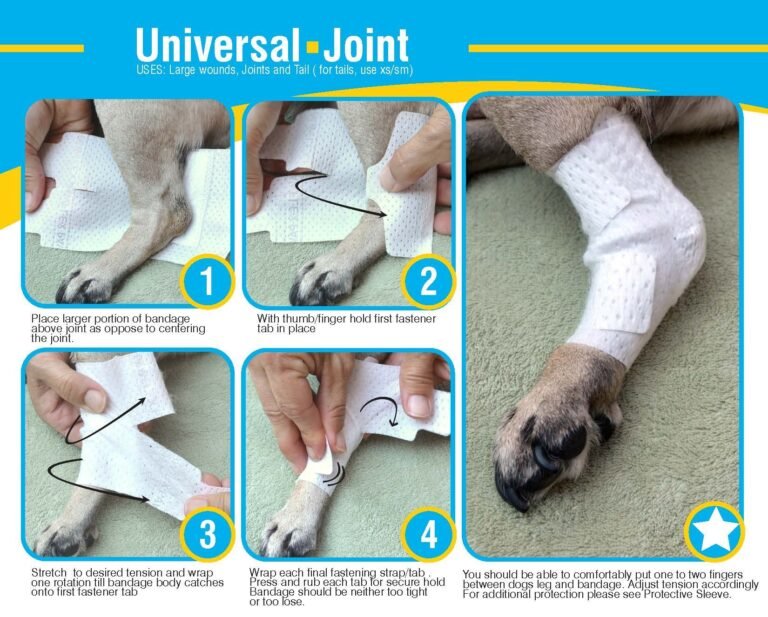
Source: safepaw.com
Use Dog Boots
Provides a barrier against ice, snow, and salt.
Apply Paw Balm
Helps maintain moisture and reduce cracking.
Trim Paw Hair
Reduces snow accumulation between toes.
Limit Exposure
Shorten outdoor sessions during severe cold.
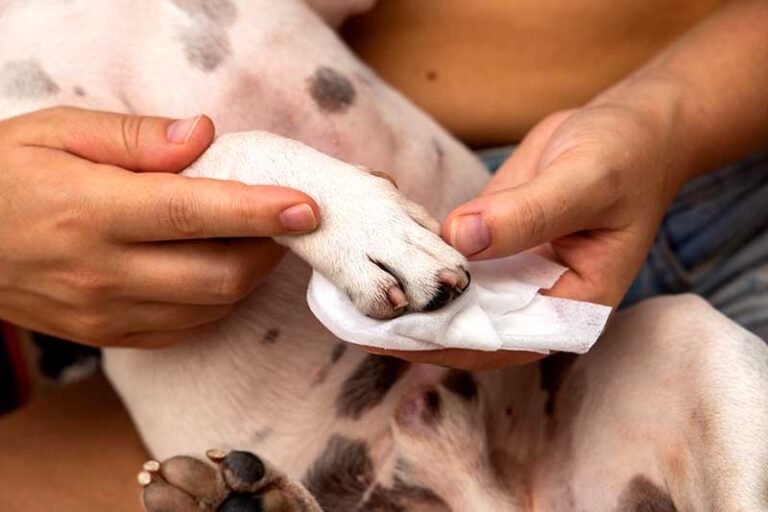
Post-Walk Paw Care Routine
After each walk, wipe your dog’s paws with warm water or a damp cloth. Remove salt, ice, and debris. Dry the paws thoroughly and inspect for cracks, cuts, or signs of irritation.
Inspection
Check between the toes and around the pads.
Snow Conditions and Their Impact on Dog Paws
Not all snow conditions present the same level of risk. Understanding the differences can help owners make safer decisions about outdoor activities.
The table below summarizes common winter conditions and their likely impact on paw health.
Source: breedingbusiness.com
Fresh Snow
Usually presents the lowest risk for short periods.
Packed Snow
Can increase friction and discomfort.
Ice-Covered Areas
Increase the risk of cuts and slips.
Winter Condition Comparison
Fresh snow is generally safer than icy or chemically treated surfaces. Areas with heavy road treatment require extra caution because deicers can irritate paw pads.
Safest Option
Fresh snow without ice or chemical treatments.
Highest Risk
Ice combined with road salt and prolonged exposure.
Frequently Asked Questions
Q
How long can dogs stay in the snow safely?
The safe duration depends on temperature, breed, age, and overall health. Many dogs tolerate short walks well, but exposure should be reduced during extreme cold or severe winter storms.
Q
Can snow cause cracked paw pads?
Yes. Repeated exposure to cold, ice, and dry winter conditions can remove moisture from paw pads and lead to cracking.
Q
Are dog boots necessary in snow?
Dog boots are not always necessary, but they can provide valuable protection from ice, salt, sharp surfaces, and prolonged cold exposure.
Q
Why does my dog lift its paws while walking in snow?
Dogs often lift their paws when they feel discomfort from cold surfaces, ice accumulation, irritation, or exposure to deicing chemicals.
Q
Should I wash my dog’s paws after a snowy walk?
Yes. Washing or wiping paws helps remove salt, chemicals, and debris that could irritate the skin or be ingested through licking.
✦ Wrapping Up
Conclusion
The answer to is snow bad for dogs paws is that snow itself is not always harmful, but winter conditions can create significant risks. Ice, road salt, freezing temperatures, and prolonged exposure are the primary concerns.
Routine paw inspections, proper winter protection, and prompt attention to signs of irritation can help keep your dog comfortable and safe throughout the snowy season.
💡 Key Takeaway
Inspect and clean your dog’s paws after every winter walk, and use protective gear when conditions become cold, icy, or heavily salted.
Learn whether a swollen dog paw is an emergency, what causes paw swelling, warning signs to watch for, and when your dog needs immediate veterinary care.
Learn what to do when a dog’s paw swells under a bandage, how to recognize circulation problems, when to contact a veterinarian, and how to prevent a bandage from becoming too tight.
Learn how to clean white dog paws safely and effectively. Remove dirt, grass stains, mud, and discoloration while keeping your dog’s paws healthy and bright.
Learn how to treat a torn paw pad on dog with step-by-step first aid, bandaging tips, healing timelines, infection signs, and guidance on when veterinary care is needed.
Learn why dogs tuck their paws when lying down, sitting, or resting. Discover normal behavioral reasons, possible health concerns, and signs that require veterinary attention.