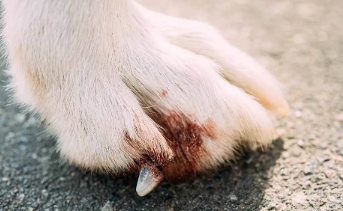
See a veterinarian immediately if your dog’s paw pad injury causes heavy bleeding, deep tissue damage, severe pain, infection signs, or difficulty walking.
Across the United States, dogs frequently suffer paw pad injuries from hot pavement, ice, rough trails, broken glass, sharp debris, and sports-related activities. While some minor scrapes can heal at home with proper care, more serious injuries require prompt veterinary attention to prevent infection, delayed healing, and long-term mobility problems.
Understanding when to see vet for dog paw pad injury can help you act quickly and protect your dog’s health. Paw pads contain thick protective tissue, but they also absorb significant pressure during walking and running. Even small wounds can become complicated if they continue to reopen, become contaminated, or affect normal movement.
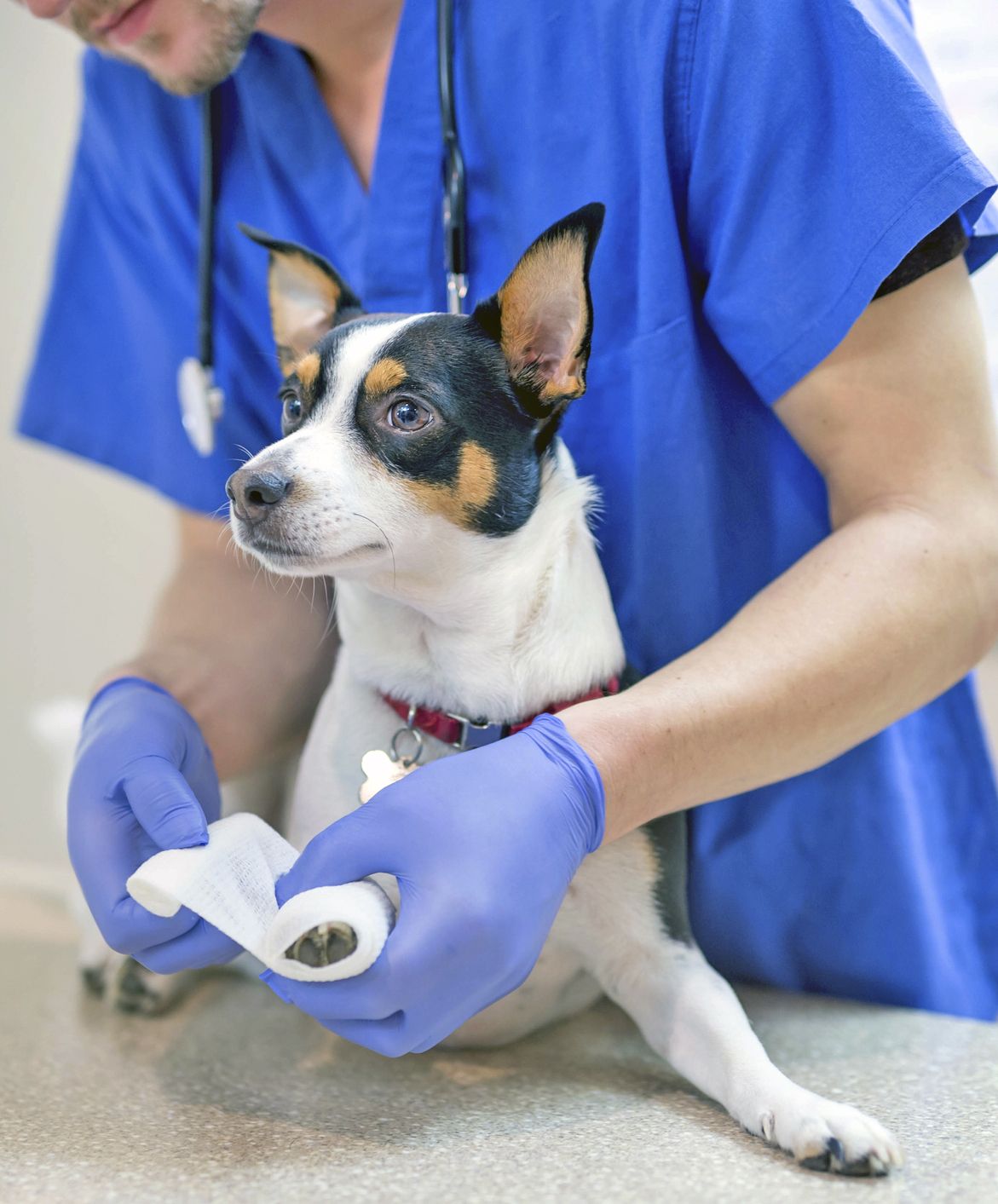
Source: whole-dog-journal.com
When to See Vet for Dog Paw Pad Injury Immediately
Some paw pad injuries are medical emergencies. Paw pads contain blood vessels and sensitive tissue, so severe injuries can be painful and difficult to heal without professional care.
Seek veterinary attention as soon as possible if your dog’s injury falls into any of the categories below. Waiting too long can increase the risk of infection, delayed healing, and complications.
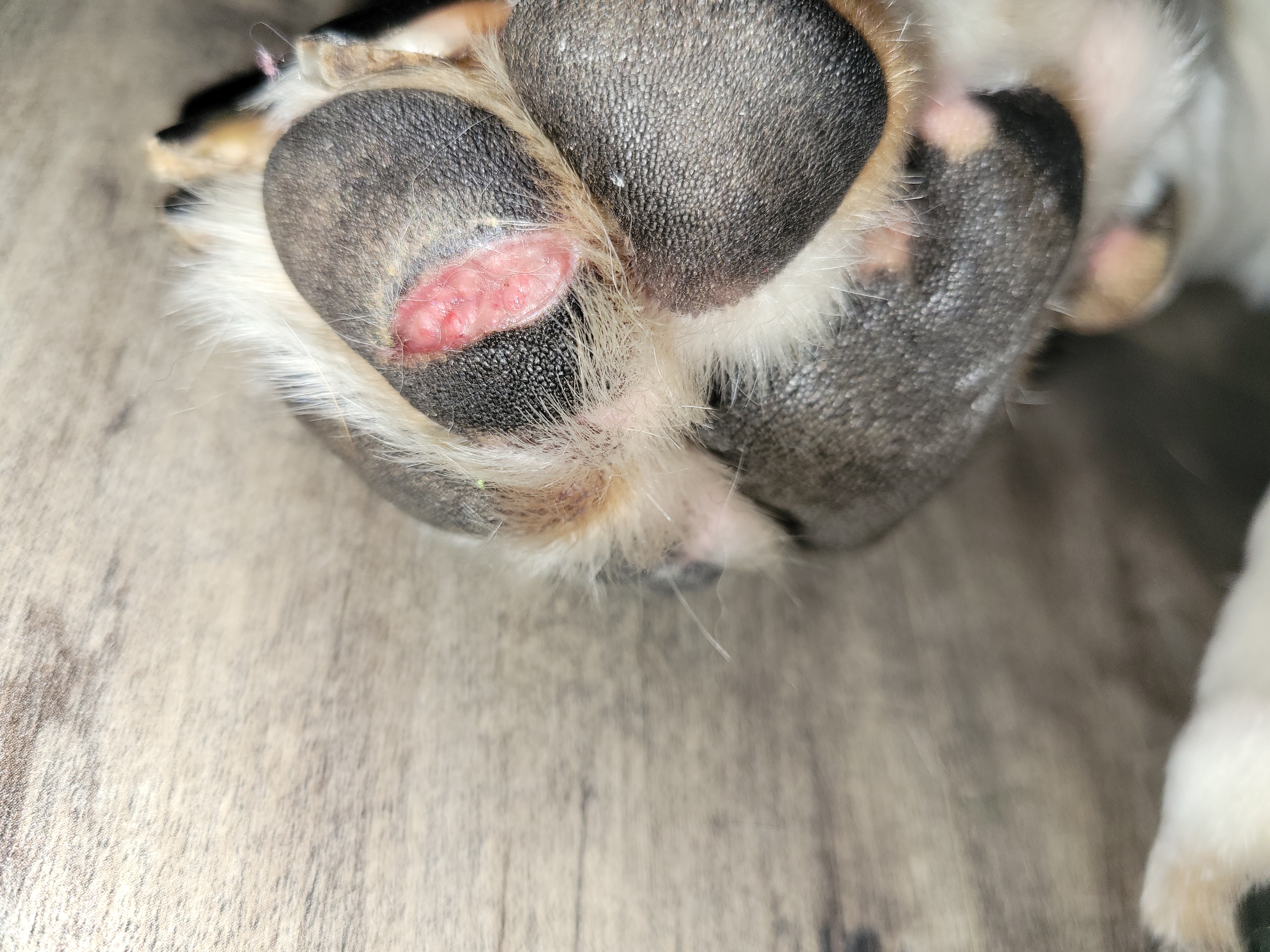
Source: toegrips.com
Heavy Bleeding
Bleeding that does not stop after applying firm pressure for several minutes requires veterinary care.
Deep Lacerations
Cuts that expose deeper tissue layers or create flaps of skin should be examined by a veterinarian.
Severe Pain
Whining, crying, aggression, or inability to touch the paw indicates significant discomfort.
Unable to Walk
Refusal to bear weight on the affected limb may indicate severe injury or a deeper problem.
Emergency Warning Signs
Go to an emergency veterinary clinic if the injury involves uncontrolled bleeding, crushed tissue, a partially detached paw pad, or significant trauma from a vehicle, machinery, or other major accident.
Rapid Swelling
Sudden swelling may indicate severe tissue damage or infection.
Visible Tissue
Exposed tissue beneath the pad should be evaluated professionally.
Signs a Paw Pad Injury May Be Infected
Infection is one of the most common complications associated with paw pad wounds. Dogs constantly expose their feet to dirt, moisture, bacteria, and debris, making contaminated wounds a concern.
Even a small cut can become infected if bacteria enter the damaged tissue. Early veterinary treatment may prevent a minor problem from becoming a more serious condition.
Source: animalmedia.org
Redness
Persistent redness around the wound can indicate inflammation or infection.
Discharge
Pus, cloudy fluid, or unusual drainage should be evaluated promptly.
Bad Odor
A foul smell from the paw often suggests infection.
Heat
An infected area may feel warmer than surrounding tissue.
Behavioral Changes That Suggest Infection
Dogs with infected paw pads may lick the area excessively, become less active, lose interest in exercise, or show signs of discomfort when walking.
Excessive Licking
Persistent licking can worsen tissue damage and delay healing.
Minor Paw Pad Injuries That May Heal at Home
Not every paw pad injury requires an immediate veterinary visit. Small superficial abrasions and minor scrapes can often heal with appropriate first aid and monitoring.
The key is closely observing the wound during the first several days. If healing stalls or symptoms worsen, contact your veterinarian.
Source: animalia-life.club
Small Surface Scrapes
Minor abrasions without active bleeding often heal with rest and cleanliness.
Normal Walking
Dogs that continue to walk comfortably are generally experiencing less severe injuries.
No Swelling
Minimal inflammation may indicate a straightforward healing process.
Home Monitoring Checklist
Check the wound daily for increased redness, swelling, discharge, worsening limping, or signs that the wound is reopening.
Daily Inspection
Examine the paw at least once every day during recovery.
First Aid Steps Before Visiting the Veterinarian
Providing basic first aid can help stabilize the injury until professional care is available. These steps are intended to reduce contamination and control bleeding.
Avoid using harsh chemicals, alcohol, or products not intended for veterinary use unless directed by a veterinarian.
Source: wagandcluck.com
Control Bleeding
Apply gentle pressure using a clean cloth or sterile gauze.
Clean the Wound
Rinse away dirt and debris with clean water or saline solution.
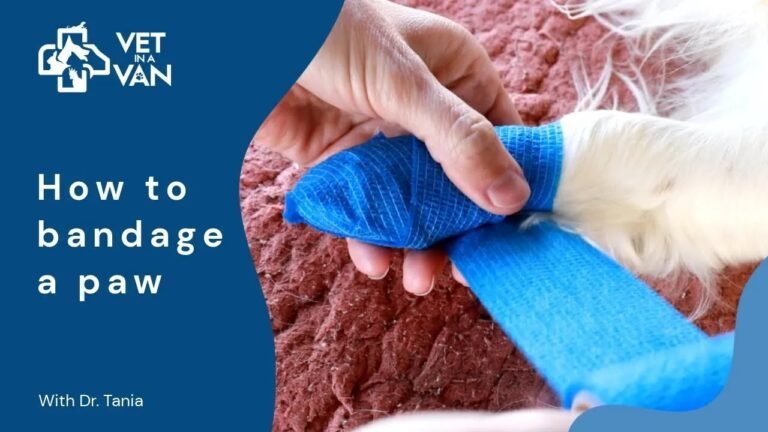
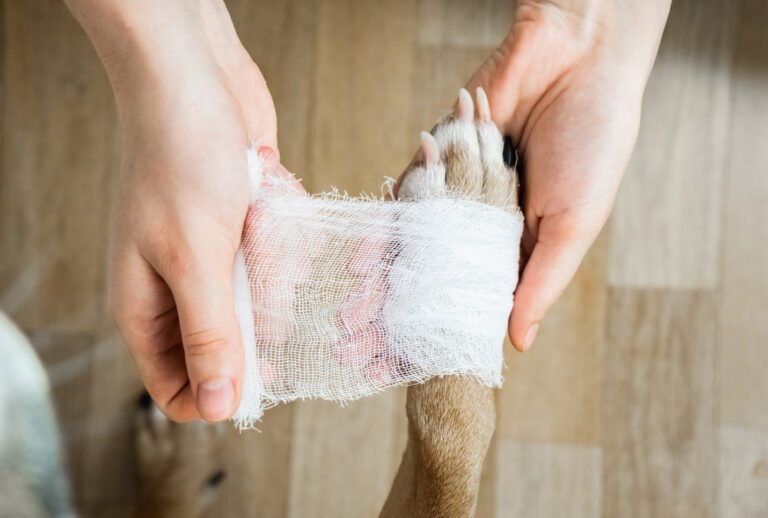
Apply a Bandage
Use a clean protective dressing if recommended and tolerated.
Restrict Activity
Limit running, jumping, and long walks until evaluated.
What Not to Do
Do not attempt to remove deeply embedded objects, trim damaged tissue, or force a dog to continue walking on a painful paw.
Avoid Self-Surgery
Deep wounds often require professional assessment and treatment.
Decision Table: Does Your Dog Need a Vet Visit?
The following guide can help determine whether home monitoring or veterinary care is more appropriate. When in doubt, contacting your veterinarian is the safest option.
A quick professional assessment is often worthwhile because paw pad injuries can appear less severe on the surface than they are underneath.
Source: pawp.com
Minor Scrape
Usually monitor at home if healing normally.
Deep Cut
Veterinary care recommended promptly.
Persistent Limping
Schedule a veterinary examination.
Infection Signs
Seek veterinary treatment as soon as possible.
Common Mistakes Owners Make
Many owners underestimate paw pad injuries because the wound appears small. Continued activity, delayed treatment, and failure to monitor for infection are common reasons injuries worsen.
Returning to Activity Too Soon
Repeated stress can reopen healing tissue.
Frequently Asked Questions
Q
Can a dog paw pad injury heal on its own?
Many minor abrasions and superficial scrapes can heal on their own with proper cleaning, rest, and monitoring. More serious injuries may require veterinary treatment.
Q
How long does a dog paw pad injury take to heal?
Minor injuries may improve within one to two weeks, while deeper wounds can take several weeks or longer depending on severity and activity level.
Q
Should I bandage my dog’s paw pad injury?
Bandaging may help protect some wounds, but improper bandaging can create problems. Consult your veterinarian if you are unsure how to bandage the paw correctly.
Q
Can I walk my dog with a paw pad injury?
Activity should be limited until healing begins. Excessive walking can reopen wounds and delay recovery.
Q
What if my dog keeps licking the injured paw?
Excessive licking can introduce bacteria and interfere with healing. Protective collars or other veterinary-approved methods may be necessary.
✦ Wrapping Up
Conclusion
Knowing when to see vet for dog paw pad injury is essential because some wounds can quickly become painful, infected, or difficult to heal. Heavy bleeding, deep cuts, severe limping, and signs of infection should always be taken seriously.
While minor scrapes may heal with careful home care, veterinary evaluation is the safest choice whenever symptoms worsen, healing stalls, or the severity of the injury is uncertain.
💡 Key Takeaway
If your dog has a paw pad injury and you notice persistent bleeding, significant pain, limping, swelling, or infection signs, contact a veterinarian without delay.
Learn whether dogs’ front paws are bigger than their back paws, why this difference exists, how anatomy affects movement, and when paw size differences may signal a problem.
Learn how to remove a bandage from a dog paw safely, including preparation, step-by-step removal, wound checks, stuck bandages, and signs that require veterinary care.
Learn whether you can walk a dog with a cut paw, how to assess the injury, when walking is safe, and when veterinary care is needed. Includes first aid, recovery tips, and common mistakes to avoid.