Should Dogs Wear Boots in Winter? Cold-Weather Paw Protection
So, should dogs wear boots in winter? The answer depends on the weather, the surface, the length of the walk, and the dog. Some dogs can handle short walks on cold ground with no pawwear. Others need extra protection as soon as winter brings ice, salt, or deep snow.
Dog paws are tough, but they are not immune to cold injury. Snow can pack between the toes. Ice can cut or crack the paw pads. Road salt and other de-icers can also irritate the skin and may cause problems if a dog licks them from its feet.
For many U.S. dog owners, winter boots are a useful tool rather than an item every dog must wear all season. The goal is simple: protect the paws when the conditions call for it while keeping the dog comfortable and able to walk in a natural way.
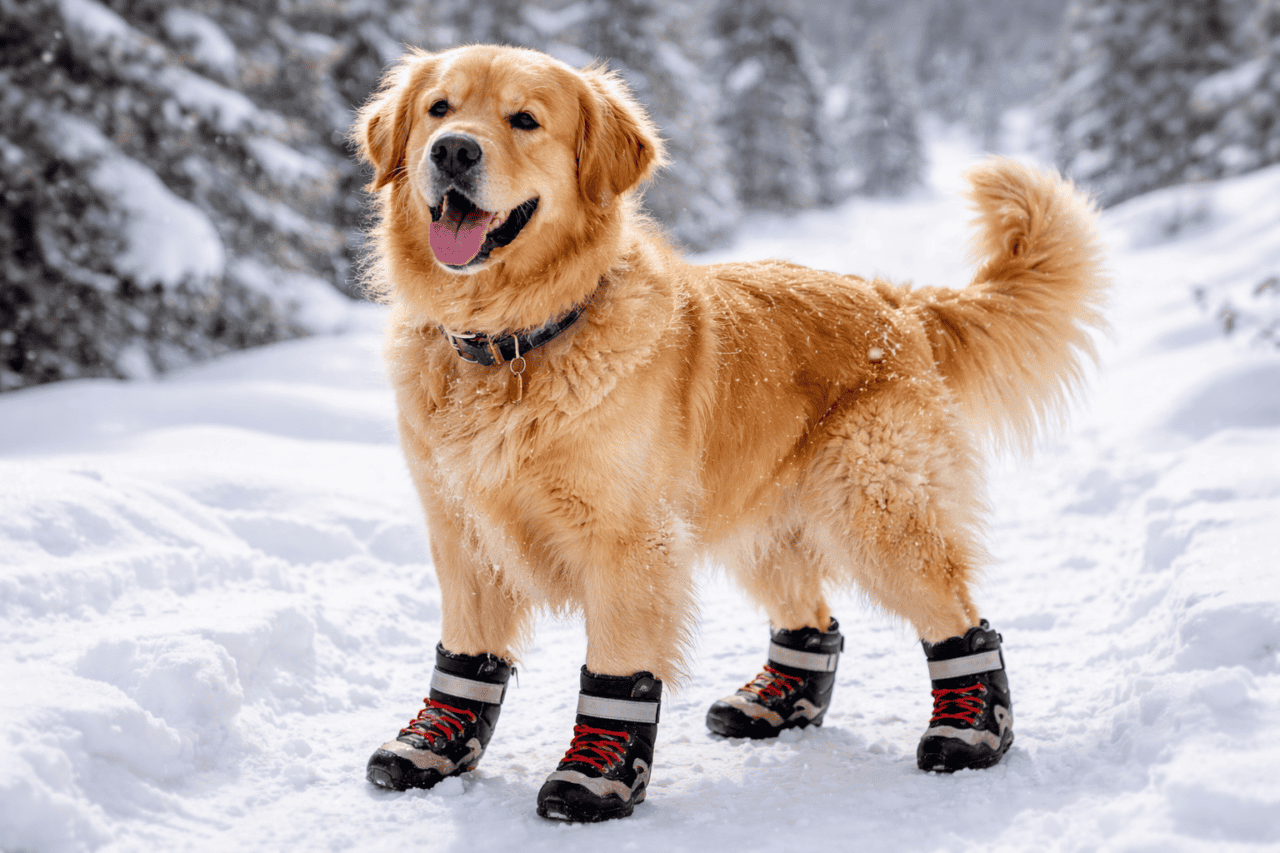
When Should Dogs Wear Boots in Winter?
The best answer to should dogs wear boots in winter is not based on temperature alone. A dry, cold day may be easy on the paws, while a milder day with salt, slush, and sharp ice can be much harder on them.
Look at the whole walking route. A dog that spends most of its time on clean snow may have different needs from a dog that walks on treated sidewalks in a busy U.S. city. The more harsh surfaces your dog meets, the more useful boots can become.
Boots can also help during longer walks, hikes, and outdoor play. Short potty trips may not require them if your dog’s paws stay healthy and the ground is safe.
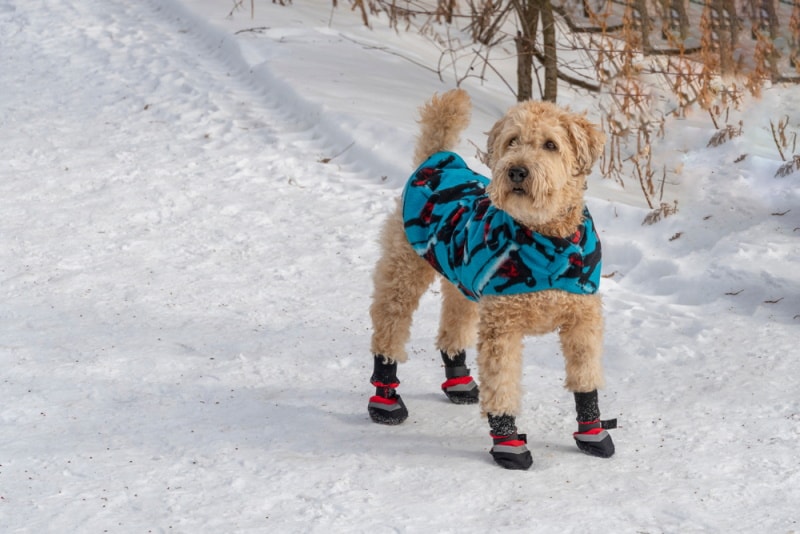
- ✦ Ice and frozen ground
Sharp ice and hard frozen surfaces can scrape or split paw pads. Boots add a layer between the paw and the ground.
- ✦ Road salt and de-icers
Salt and chemical de-icers can irritate paw pads. Boots can reduce direct contact with these substances.
- ✦ Deep snow
Snow can collect around the feet and between the toes. Boots can help keep snow from packing onto the paws.
- ✦ Long winter walks
The longer a dog stays outside, the more exposure its paws have to cold and rough surfaces. Boots can add useful protection.
- ✦ Very cold weather
In severe cold, paw protection can help reduce direct exposure to frozen surfaces. Dogs should still have shorter outdoor sessions when conditions are extreme.
Dogs That May Benefit Most From Winter Boots
Some dogs have a harder time with winter surfaces than others. Dogs with sensitive paws, little hair between their toes, or a history of cracked paw pads may benefit from boots more often.
Small dogs may also spend more time close to cold ground because of their body size. Older dogs and dogs with limited mobility may need extra care because icy ground can make walking harder and less stable.
- ✦ Dogs with sensitive paws
Boots can reduce contact with cold, rough, salty, or icy surfaces.
- ✦ Dogs with paw injuries
A veterinarian may recommend protective footwear for a healing paw. Follow the care plan for the injury.
- ✦ Dogs that hike or work outdoors
Long outdoor sessions can expose paws to more ice, snow, rocks, and frozen ground.
What Winter Hazards Can Dog Boots Help Prevent?
Winter can expose dog paws to more than cold. Ice, salt, grit, slush, and rough frozen ground can all cause trouble. Boots create a barrier that can lower direct contact with these surfaces.
This does not make boots a complete safety system. A dog can still get cold, slip, or develop a problem while wearing them. Owners should still watch the weather, limit time outside when needed, and check the paws after a walk.
It is also important to remember that boots do not replace basic paw care. Clean and dry your dog’s feet after winter walks, even when your dog wears boots.
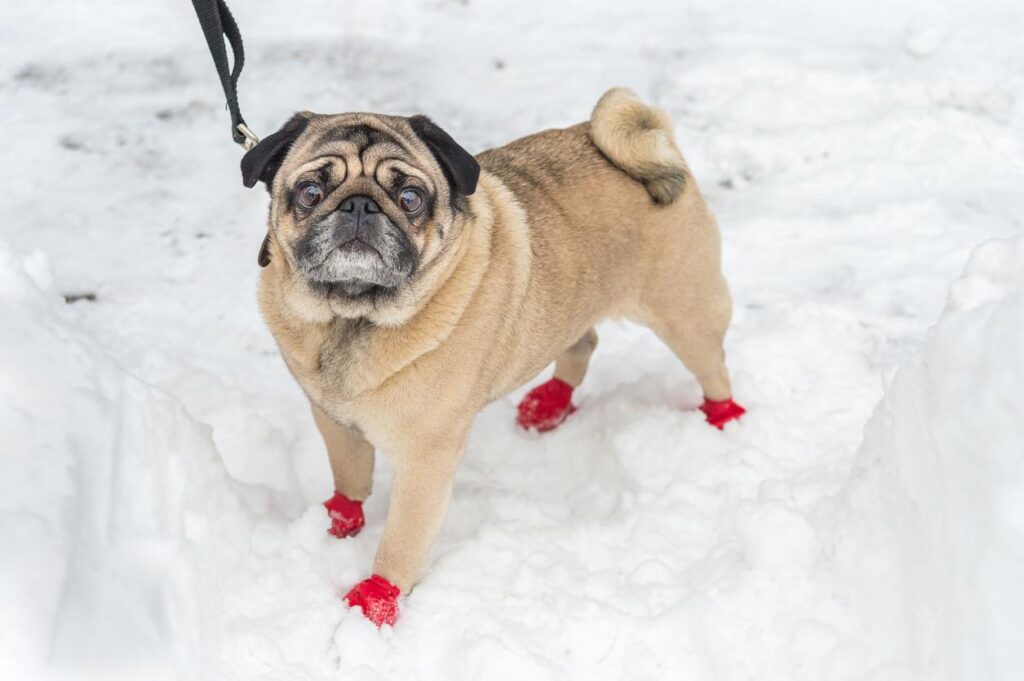
- ✦ Cracked paw pads
Cold, dry, rough surfaces can contribute to dry or damaged paw pads. Boots may reduce direct exposure.
- ✦ Salt irritation
Sidewalk salt can irritate the skin around the paw pads. Boots can help keep salt away from the feet.
- ✦ Ice cuts
Broken ice can have sharp edges. A sturdy boot can provide a protective layer over the paw.
- ✦ Snow buildup
Snow may form hard clumps between toes and around paw hair. Boots can help keep snow out.
Can Road Salt Hurt Dog Paws?
Yes. Road salt and some ice-melting products can irritate a dog’s paw pads and the skin between the toes. Dogs may also lick residue from their feet after a walk, which is another reason to clean the paws when they come inside.
Boots can reduce contact with treated sidewalks. If your dog refuses boots, wipe and rinse the paws after the walk and dry them well.
- ✦ Check the feet
Look between the toes and around the pads for redness, cracks, cuts, or stuck salt.
- ✦ Clean after walks
Use clean water or a damp cloth to remove salt and other residue from the paws.
Do All Dogs Need Boots in Cold Weather?
No. Not every dog needs boots every time it gets cold. Many healthy dogs can take short winter walks without pawwear when the ground is safe and their paws remain comfortable.
Dogs also vary in their coat, body size, activity level, paw condition, and past experience with cold weather. A dog that happily walks on clean snow may struggle on a sidewalk covered with salt and ice.
The key is to watch the dog rather than rely on one rule for every breed. If your dog lifts its paws, stops often, tries to turn back, licks its feet, or seems uncomfortable, the walk should end and the paws should be checked.
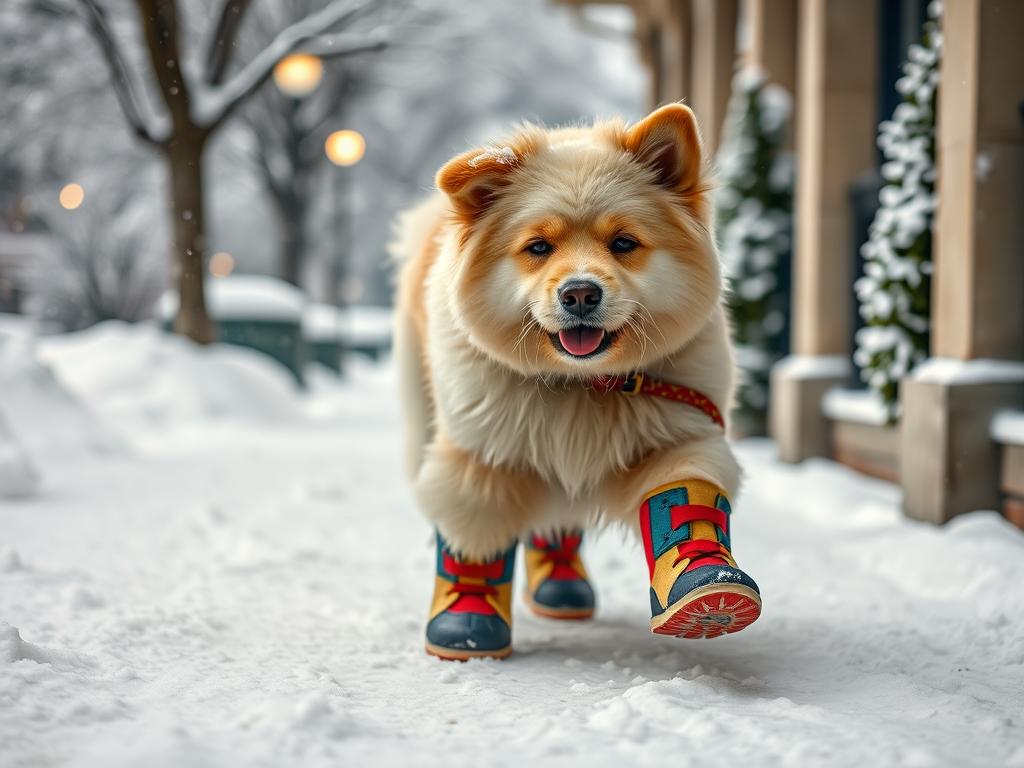
- ✦ Short potty trips
Boots may not be needed for a brief trip on safe, clean ground if the dog stays comfortable.
- ✦ Clean snow
Some dogs handle short walks on clean snow well without boots, though deep snow can still cause problems.
- ✦ Treated sidewalks
Boots can be more useful when a route contains salt or chemical de-icers.
- ✦ Long outdoor time
Long walks, hikes, and outdoor play increase paw exposure and may make protective boots more helpful.
Signs Your Dog May Need Paw Protection
Your dog can show clear signs when winter surfaces are too harsh. Paw lifting is one common sign, but it is not the only one. Watch for changes in walking, repeated licking, sudden stopping, or a desire to go home.
Check the paws after the walk. Small cracks, redness, bleeding, ice balls, or swelling mean the feet need attention. If there is a deep cut, persistent bleeding, marked swelling, or severe pain, contact a veterinarian.
- ✦ Repeated paw lifting
A dog may lift one or more feet when the ground feels too cold or painful.
- ✦ Excessive paw licking
Repeated licking after a walk may signal irritation, salt residue, or another paw problem.
- ✦ Sudden refusal to walk
Stopping or turning back can be a sign that the dog is uncomfortable.
How to Choose the Right Winter Boots for a Dog
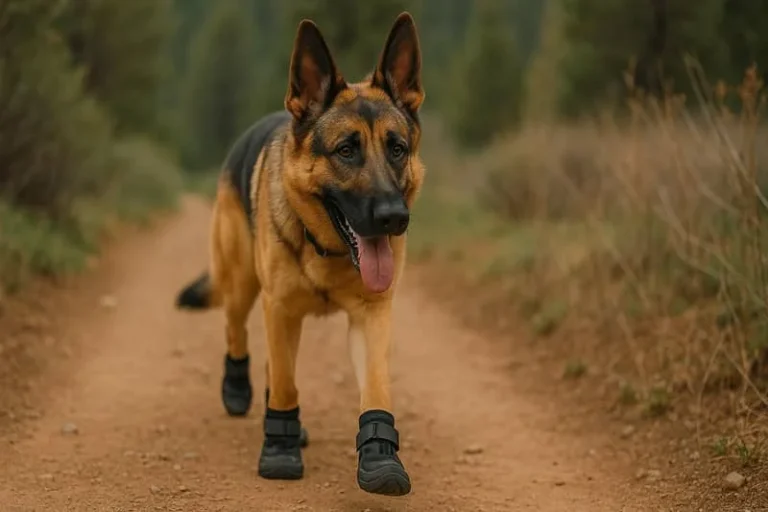
A good dog boot should protect the paw without changing the dog’s normal movement too much. Fit is critical. A boot that is too loose may fall off, while one that is too tight can rub the skin or restrict the foot.
Measure the paw according to the boot maker’s instructions. Paw width and length can both matter, and front and rear paws may not be the same size. A secure closure is useful, but it should never pinch the leg or paw.
Choose the boot based on the conditions. A lightweight boot may work for a simple walk, while winter hiking may call for a tougher sole and stronger construction.

- ✦ Correct size
Measure the paw and compare the result with the manufacturer’s size chart instead of guessing from breed or weight.
- ✦ Secure closure
The boot should stay on during normal walking without squeezing the leg.
- ✦ Protective sole
A firm, flexible sole can help shield the paw from ice, rough ground, and other winter surfaces.
- ✦ Water resistance
Water-resistant materials can help keep paws drier during snow and slush.
- ✦ Comfortable interior
The inside should be smooth and free of rough seams that could rub the paw.
Should Winter Dog Boots Be Tight?
No. Dog boots should be secure, not tight. Your dog needs normal blood flow and free movement of the foot.
After putting on a boot, check the skin and the fit. If you see rubbing, swelling, hair pulled into the closure, or a deep mark after use, stop and reassess the size or design.
- ✦ Secure fit
The boot should not slide off when the dog walks.
- ✦ No pressure marks
The closure should not leave deep marks or cause visible discomfort.
- ✦ Natural movement
The dog should be able to place and lift the paw without a stiff or forced gait.
How to Get a Dog Used to Wearing Winter Boots
Many dogs dislike boots at first. The strange feel can make them lift their feet, walk stiffly, or try to remove the boots. This does not always mean the boots are a bad choice. The dog may simply need time to learn what they are.
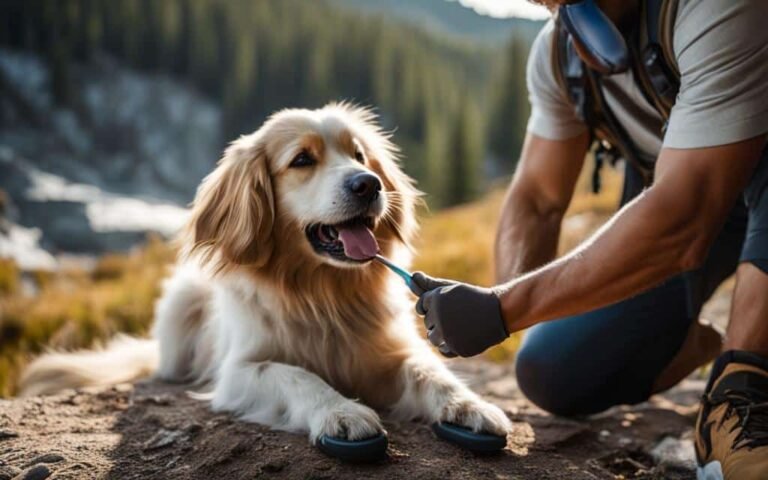
Start indoors on a clean, dry floor. Put on one boot for a short time, reward calm behavior, and then remove it. Repeat with more boots over several short sessions.
Once the dog accepts the boots indoors, take a few steps outside. Keep the first outdoor session short. Increase the time slowly as the dog becomes comfortable.

- ✦ Start slowly
Begin with one boot and short sessions rather than putting all four boots on for a long walk.
- ✦ Use rewards
Praise and reward calm behavior so the boots become linked with positive experiences.
- ✦ Practice indoors
Let the dog walk around at home before asking for a full winter walk.
- ✦ Keep early walks short
A short first outing makes it easier to spot fit problems and reduce stress.
- ✦ Check after use
Look for rubbing, redness, dampness, or other signs that the boot does not fit well.
Why Do Dogs Walk Funny in Boots?
A dog may walk strangely at first because boots change the feel and weight of the feet. Some dogs lift their legs high or shake their paws as they learn the new sensation.
This usually calls for slower training, not force. If the dog continues to show pain, panic, or strong discomfort, remove the boots and check the fit.
- ✦ New sensation
Dogs may need time to adjust to having material around their feet.
- ✦ Poor fit
A boot that slips, rubs, or restricts movement can make walking harder.
Winter Paw Care Without Dog Boots
If your dog will not wear boots, you still have several ways to protect the paws. Choose safer walking routes when possible, avoid heavily treated areas, and keep winter walks sensible for the weather.
After every walk, inspect the paws. Remove ice, snow, salt, and grit. Rinse dirty or salty paws with clean water, then dry well between the toes.
Keep paw hair neatly trimmed if your veterinarian or groomer recommends it for your dog. Long hair between the toes can collect snow and ice, but avoid cutting the paw hair too short without a reason.

- ✦ Pick safer routes
Use paths with less salt, fewer sharp ice patches, and surfaces that are easier for your dog to walk on.
- ✦ Clean the paws
Rinse or wipe away salt, dirt, and other residue after outdoor walks.
- ✦ Dry between the toes
Moisture trapped between toes can add to skin irritation, so dry the feet carefully.
- ✦ Check the paw pads
Look for cracks, cuts, redness, swelling, or tenderness after winter outings.
- ✦ Use paw products carefully
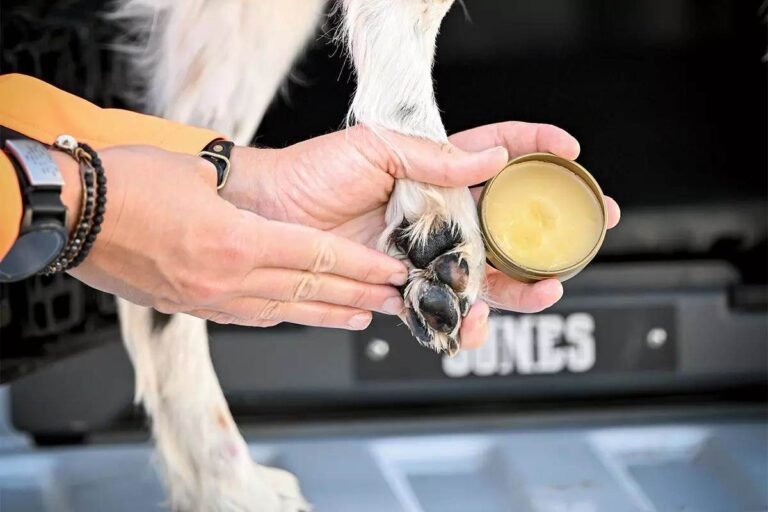
Ask your veterinarian about a suitable paw balm if your dog’s pads become dry or cracked, especially if the problem persists.
When to Call a Veterinarian
A small amount of dryness may improve with better winter care, but some paw problems need veterinary attention. Contact a veterinarian if your dog has a deep cut, ongoing bleeding, major swelling, severe pain, or a wound that does not improve.
Do not assume every winter paw problem comes from cold weather. Foreign objects, allergies, infections, and other conditions can also cause licking, redness, or pain.
- ✦ Deep or bleeding wound
A deep cut or bleeding that does not stop needs prompt veterinary care.
- ✦ Severe pain
A dog that cannot walk normally or reacts strongly when the paw is touched should be assessed.
- ✦ Persistent irritation
Redness, swelling, or repeated licking that continues after cleaning should be checked.
Are Dog Boots Safe for Winter Walks?
Dog boots can be safe and useful when they fit well and the dog has been trained to wear them. They should not be treated as a way to make extreme weather safe for unlimited outdoor time.
Check the boots during and after the walk. A boot can shift, collect moisture, or rub the skin. Snow can also build up around the opening if the design does not suit the conditions.
The safest winter routine combines paw protection with weather awareness. Keep walks appropriate for the dog’s condition and behavior, and bring the dog inside if it shows signs of cold stress or discomfort.
- ✦ Inspect the boots
Make sure each boot remains secure and has not twisted or moved into an uncomfortable position.
- ✦ Watch the dog
Look for paw lifting, limping, shivering, weakness, confusion, or other signs that the dog needs to come inside.
- ✦ Avoid extreme exposure
Boots protect the paws but do not protect the entire body from severe cold.
- ✦ Remove boots indoors
Take boots off after the walk and check the paws, especially if the boots or feet became wet.
Can Dogs Wear Boots for Long Periods?
Boots are mainly designed for outdoor protection, so they should not be left on longer than needed. During a winter outing, check the fit and your dog’s comfort from time to time.
When the walk is over, remove the boots and inspect the feet. This simple step can catch rubbing or moisture before it becomes a larger skin problem.
- ✦ Use them for the task
Wear boots when outdoor conditions create a reason for paw protection rather than as an all-day accessory.
- ✦ Inspect regularly
Check the feet after use and sooner if the dog begins to limp or act uncomfortable.