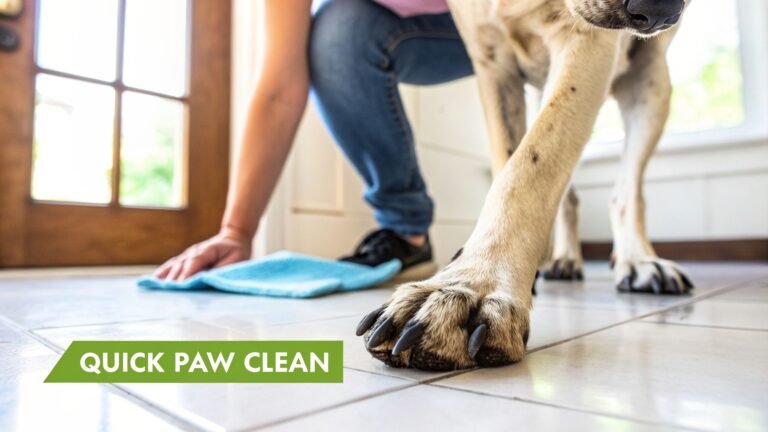
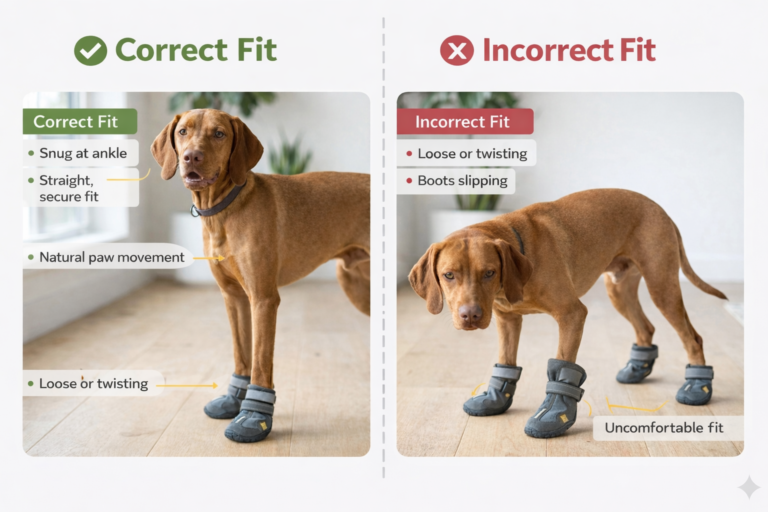
You can protect dog paws without boots by using paw balm, avoiding hazardous surfaces, keeping paws trimmed, and cleaning paws after outdoor activities.
Across the United States, dogs encounter a wide range of paw hazards, including hot asphalt in Arizona, icy sidewalks in Minnesota, road salt in New York, and rough hiking trails in Colorado. Many dogs refuse to wear boots, making alternative paw protection strategies important for everyday safety.
Understanding how to protect dog paws without boots helps reduce the risk of burns, cracks, abrasions, and irritation. A combination of preventive care, environmental awareness, and routine paw maintenance can keep your dog comfortable throughout the year.
Source: www.pinterest.com
Why Dogs Need Paw Protection Even Without Boots
A dog’s paw pads are naturally durable, but they are not indestructible. Constant exposure to heat, ice, gravel, chemicals, and rough surfaces can damage the skin and cause discomfort.
Many owners assume paws can tolerate any environment. In reality, seasonal hazards often exceed what paw pads can safely handle, especially for puppies, senior dogs, and highly active breeds.
Source: boneandyarn.com
Hot Surfaces
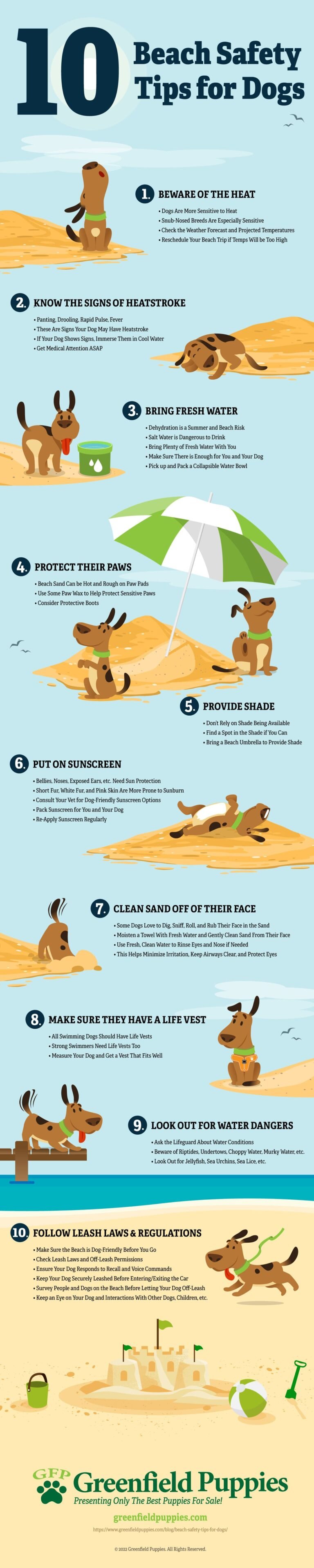
Asphalt, concrete, and sand can become hot enough to cause burns.
Cold Conditions
Snow, ice, and road salt may lead to cracks and irritation.
Rough Terrain
Sharp rocks, gravel, and uneven trails can cause abrasions.
Signs That Your Dog’s Paws Need More Protection
Watch for limping, excessive licking, redness, cracked pads, bleeding, or reluctance to walk. These signs may indicate that the paws are irritated or injured.
Frequent Licking
Often signals discomfort or inflammation.
Visible Cracks
May develop from dryness or environmental exposure.
Use Paw Balm as a Protective Barrier
One of the most effective answers to how to protect dog paws without boots is applying a quality paw balm. These products help moisturize paw pads while creating a temporary protective layer.
Paw balm can reduce moisture loss, improve flexibility, and provide some protection against hot pavement, ice, snow, and rough ground.
Source: animalia-life.club
Apply Before Walks
Creates a barrier between the paw pad and the environment.
Apply After Walks
Supports recovery and hydration of the paw pads.
How to Apply Paw Balm Correctly
Clean the paws, dry them thoroughly, and massage a thin layer of balm onto each pad. Allow a few minutes for absorption before outdoor activity.
Clean First
Removes dirt and debris for better coverage.
Avoid Dangerous Walking Surfaces
Changing where and when you walk can significantly reduce paw injuries. Surface selection is often more important than any protective product.
During summer, choose grass, dirt trails, or shaded paths. During winter, avoid heavily salted sidewalks whenever possible.
Grass and dirt are generally gentler than asphalt.
Simple Pavement Heat Test
Place the back of your hand on the pavement for several seconds. If it feels uncomfortably hot, it may also be unsafe for your dog’s paws.
Check Before Walking
Surface temperatures can rise quickly on sunny days.
Maintain Healthy Paw Pads Year Round
Routine grooming plays a major role in paw protection. Healthy paw pads are more resilient and less likely to crack or become injured.
Regular maintenance includes trimming nails, removing excess fur between pads, and checking for foreign objects.
Source: furryaging.com
Trim Nails
Proper nail length supports balanced movement.
Manage Paw Fur
Reduces debris buildup and improves traction.
Weekly Paw Inspection Checklist
Look for cuts, cracks, embedded debris, swelling, and signs of infection. Early intervention often prevents more serious problems.
Inspect Between Toes
Debris often becomes trapped in these areas.
Protect Paws During Winter Without Boots
Winter presents unique challenges such as ice, snow accumulation, and de-icing chemicals. Fortunately, several non-boot solutions can help.
Applying paw balm before walks and rinsing paws afterward can minimize irritation from salt and chemical residues.
Source: dogtrotting.net
Rinse After Walks
Removes salt and chemical contaminants.
Limit Exposure
Reduce time on icy surfaces during extreme conditions.
Prevent Snow Buildup Between Toes
Keeping paw fur neatly trimmed reduces snowball formation and improves comfort during winter outings.
Trim Excess Fur
Helps prevent ice accumulation.
Alternative Paw Protection Products Besides Boots
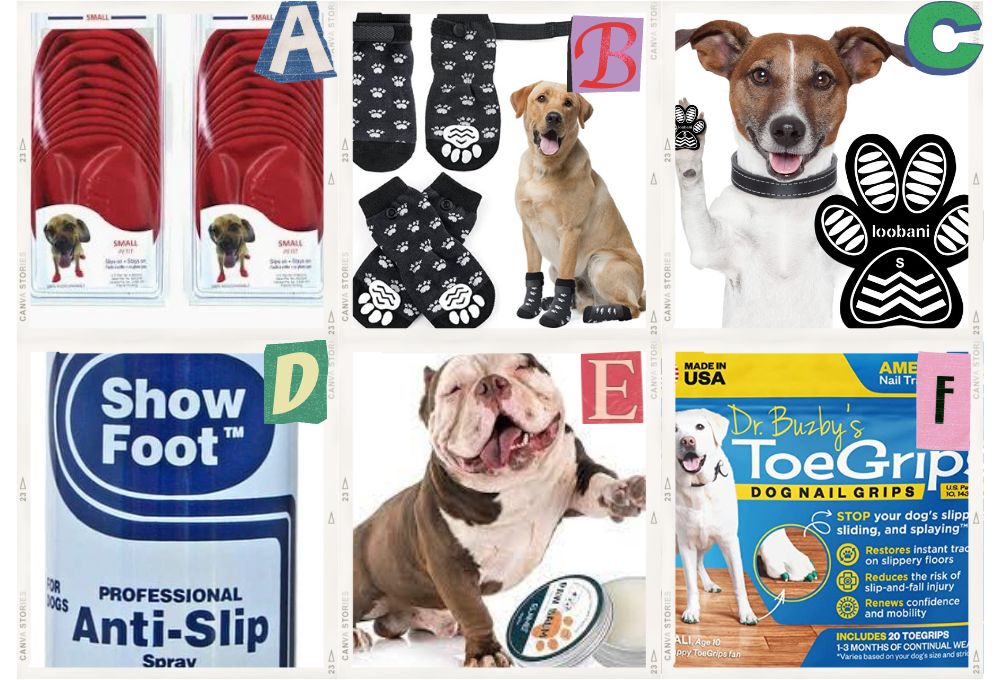
Some dogs tolerate protective alternatives better than traditional boots. Paw grips, paw waxes, and protective pads may provide additional support.
These products can be useful for dogs recovering from injuries, navigating slippery floors, or walking on moderately rough terrain.
Source: amazon.com
Paw Grips
Improve traction on smooth indoor surfaces.
Protective Pads
Offer temporary coverage without a full boot.
When Alternatives May Be Helpful
Dogs that strongly resist boots may adapt more easily to paw grips or protective adhesives that cover only the paw pad.
Good for Sensitive Dogs
Less restrictive than traditional footwear.
Frequently Asked Questions
Q
Can dogs safely walk on hot pavement without boots?
They can if temperatures are safe and walks are scheduled during cooler parts of the day. Always test the surface before walking and choose shaded routes when possible.
Q
What is the best alternative to dog boots?
Paw balm is often the most practical alternative because it helps moisturize and protect the paw pads while allowing natural movement.
Q
How often should I apply paw balm?
Frequency depends on activity level and weather conditions. Many owners apply it before outdoor activities and again afterward if the paws appear dry.
Q
How can I protect my dog’s paws during winter walks?
Use paw balm, avoid heavily salted areas when possible, trim excess fur, and rinse paws after returning indoors.
Q
When should I contact a veterinarian about paw problems?
Seek veterinary care if you notice deep cuts, persistent limping, swelling, bleeding, signs of infection, or wounds that do not improve.
✦ Wrapping Up
Conclusion
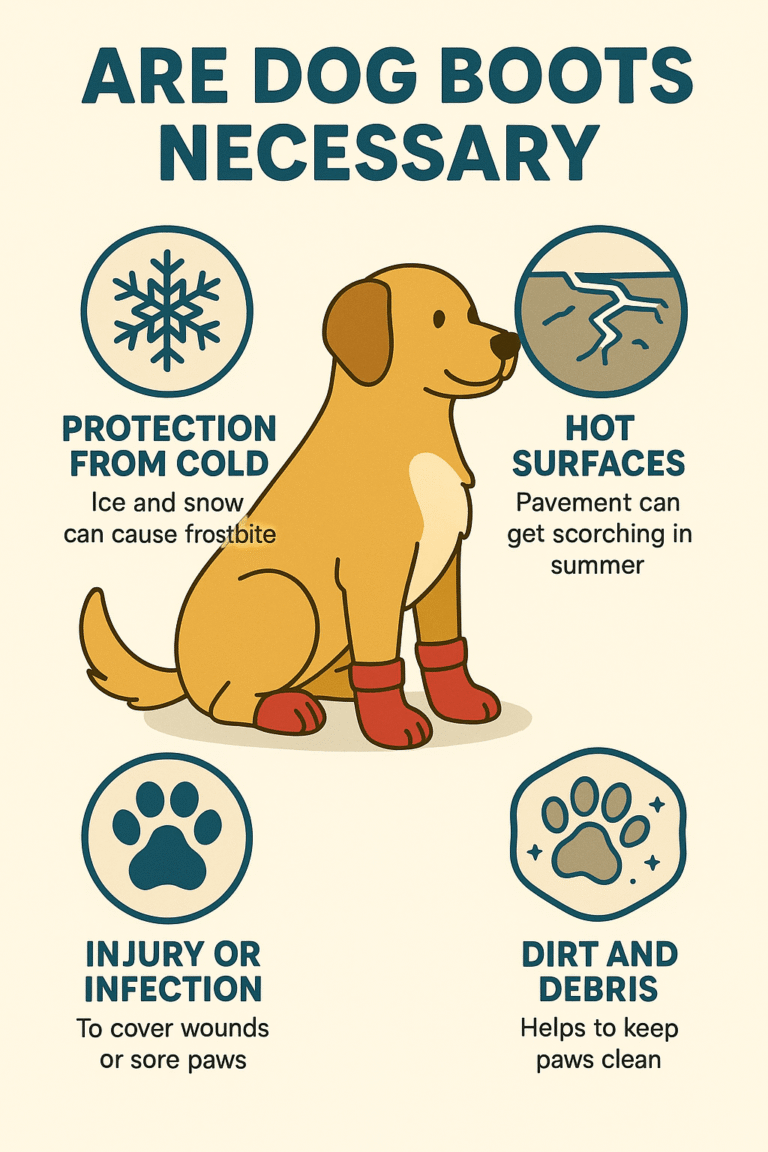
Learning how to protect dog paws without boots involves a combination of prevention, routine care, and environmental awareness. Simple actions such as using paw balm, selecting safer walking surfaces, and inspecting paws regularly can significantly reduce the risk of injury.
While boots are useful for some dogs, they are not the only solution. Consistent paw care helps maintain comfort, mobility, and long-term paw health throughout every season.
💡 Key Takeaway
Start by inspecting your dog’s paws today, apply a protective paw balm before walks, and adjust walking routes to avoid extreme surfaces.
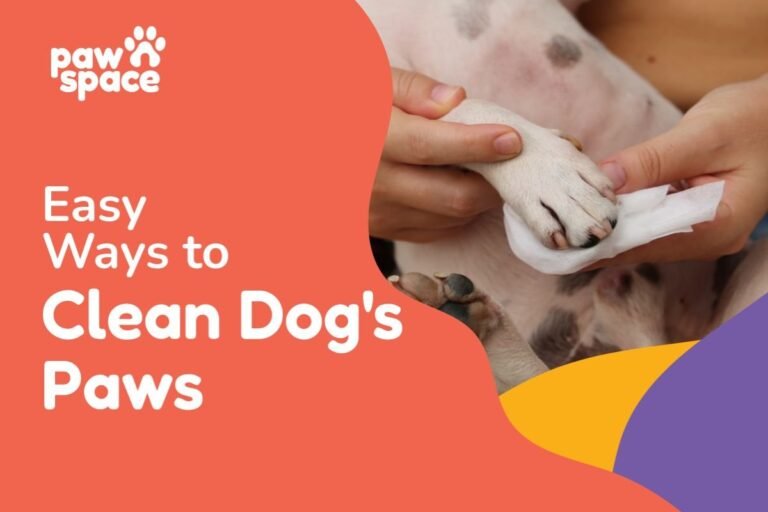
Learn how to clean dog paws naturally using water, gentle homemade solutions, and simple grooming techniques. Keep your dog’s paws clean, healthy, and comfortable after walks.
Learn how to clean dog paws after walk safely and effectively. Follow simple steps to remove dirt, mud, salt, allergens, and debris while protecting your dog’s paw health.