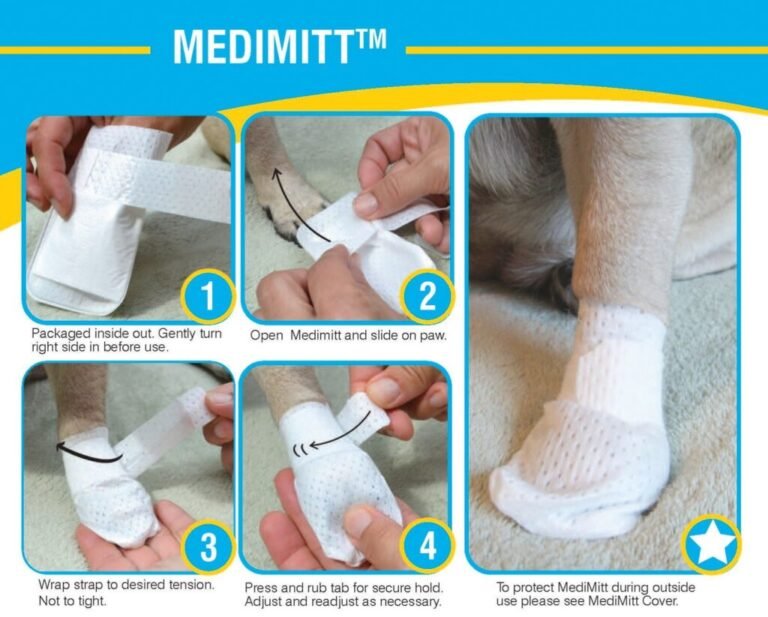
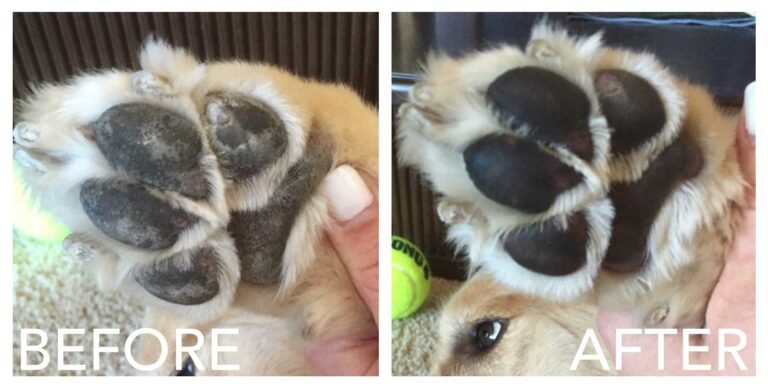
Clean your dog’s paws regularly, keep them dry, and address infections, allergies, or trapped debris promptly.
Across the United States, dogs walk on sidewalks, parks, trails, grass, and indoor flooring every day. These surfaces expose paws to moisture, dirt, bacteria, and environmental irritants that can create unpleasant odors if they are not removed regularly.
Understanding how to stop dogs paws from smelling starts with identifying the cause. Mild corn chip or popcorn-like odors are often normal, but strong, persistent, or worsening smells may indicate excessive bacterial growth, yeast overgrowth, allergies, skin irritation, or infection that requires attention.
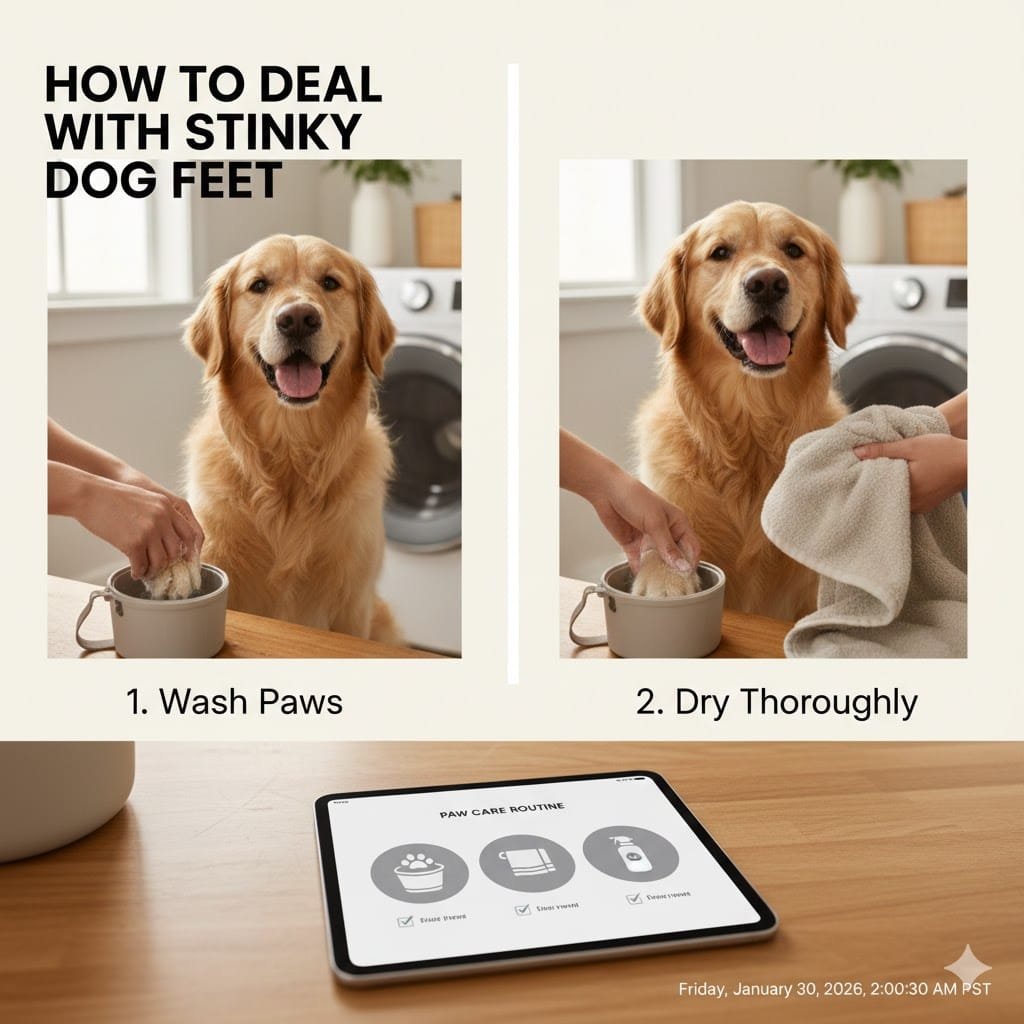
Source: animalia-life.club
Why Do Dogs’ Paws Smell?
Many dogs develop a mild odor on their paws because bacteria and yeast naturally live on the skin. When these microorganisms interact with sweat, oils, and environmental debris, they can create a scent often compared to popcorn or corn chips.
A stronger smell can develop when moisture accumulates between the toes, when dirt remains trapped in the paw fur, or when skin irritation allows microorganisms to multiply more rapidly.
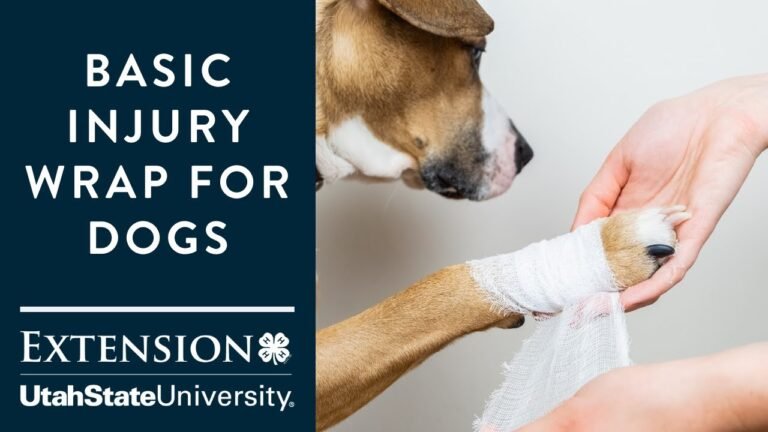
Source: veterinarysecrets.com
Natural Microorganisms
Small amounts of bacteria and yeast normally live on healthy paws.
Moisture
Wet paws create conditions that encourage odor-producing growth.
Environmental Debris
Mud, grass, road residue, and organic material can contribute to smells.
When Paw Odor Is Not Normal
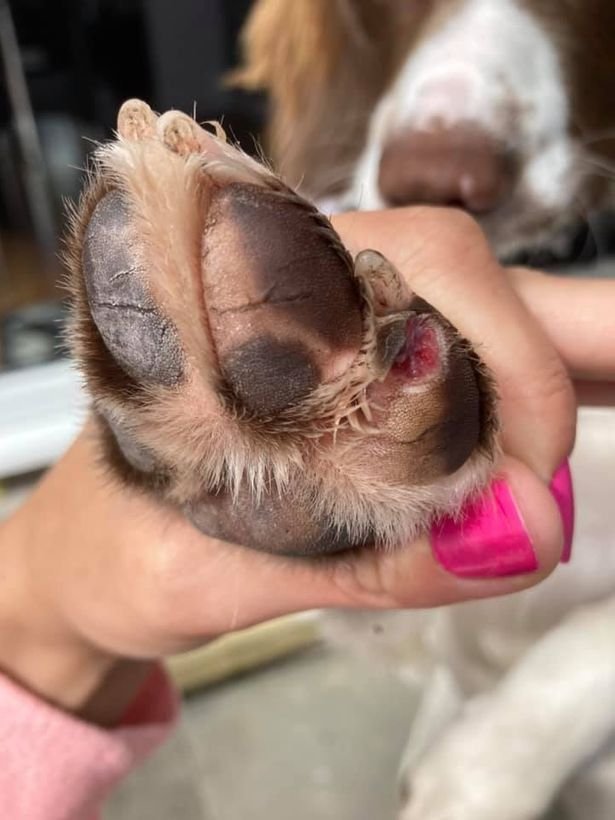
Seek veterinary advice if the odor becomes unusually strong or is accompanied by redness, swelling, hair loss, bleeding, limping, discharge, or constant licking. These signs may indicate infection or an underlying medical condition.
Red Flag Symptoms
Swelling, pain, discharge, or excessive chewing should be evaluated by a veterinarian.
How to Stop Dogs Paws From Smelling Step by Step
The most effective approach combines cleaning, drying, inspection, and prevention. Consistency matters more than aggressive washing.
Follow a simple routine after walks, outdoor play, or exposure to wet conditions.
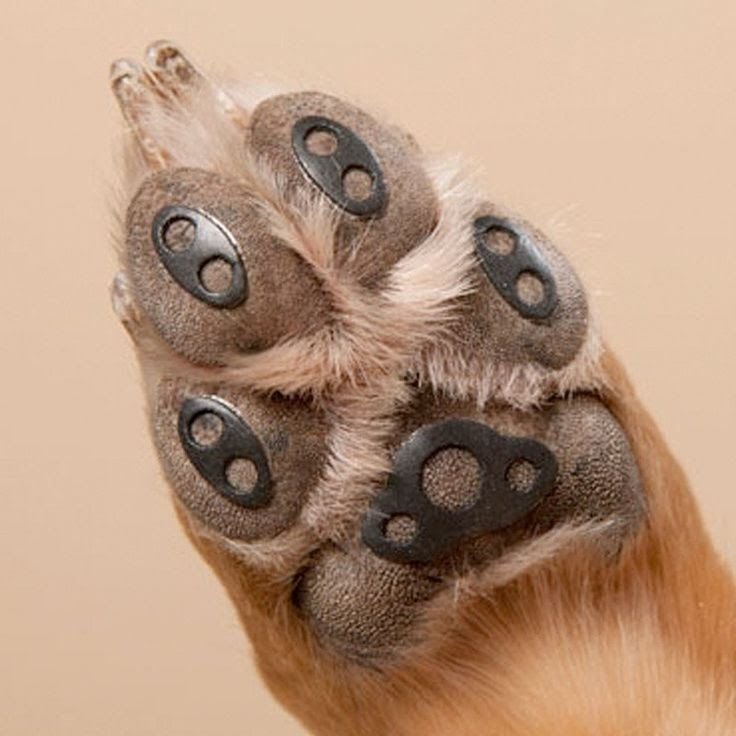
Source: smartpettools.com
Step 1
Rinse paws with lukewarm water to remove dirt and debris.
Step 2
Gently clean between the toes and paw pads.
Step 3
Dry thoroughly using a clean towel.
Step 4
Check for cuts, irritation, or foreign objects.
Signs the Routine Is Working
Successful odor control results in cleaner paws, reduced licking, less debris accumulation, and a noticeable reduction in smell within several days.
Cleaner Skin
Paw pads appear free of dirt and residue.
Best Cleaning Methods for Smelly Dog Paws
Routine cleaning does not require harsh products. Mild pet-safe cleansers or plain water are often enough for everyday maintenance.
Dogs that frequently walk on muddy, wet, or heavily trafficked surfaces may benefit from more frequent paw cleaning.
Source: milwkick.com
Pet-Safe Wipes
Useful for quick cleaning after walks.
Warm Water Rinse
Removes dirt without irritating the skin.
Soft Towel Drying
Helps prevent moisture buildup.
Cleaning Mistakes to Avoid
Avoid human soaps, harsh disinfectants, and excessive scrubbing. These products can damage the skin barrier and increase irritation.
Avoid Overwashing
Too much washing can dry out the skin and worsen problems.
Common Causes That Keep Paw Odor Coming Back
If odors return quickly after cleaning, an underlying issue may be present. Identifying the cause is important for long-term improvement.
Recurring odor often results from allergies, yeast overgrowth, chronic moisture exposure, skin folds, or excessive licking.
Source: www.pinterest.com
Allergies
Can trigger inflammation and increased licking.
Yeast Overgrowth
Often causes a stronger odor and skin irritation.
Excess Moisture
Creates favorable conditions for microbial growth.
When Cleaning Alone Is Not Enough
Dogs with recurring infections or allergy-related paw problems usually require veterinary diagnosis and targeted treatment.
Professional Evaluation
Helps identify hidden medical causes.
Prevention Tips for Fresh-Smelling Paws
Preventing odor is easier than treating severe paw problems. A consistent maintenance routine helps keep paws healthy and comfortable.
Regular inspection allows owners to detect irritation, injuries, and infections before they become serious.
Source: hiccpet.com
Dry Paws After Walks
Especially important after rain or swimming.
Trim Excess Fur
Reduces trapped moisture and debris.
Inspect Weekly
Check for redness, swelling, and foreign objects.
Maintain Grooming
Regular care helps reduce odor buildup.
Paw Odor Prevention Checklist
Simple weekly maintenance can dramatically reduce recurring odors and improve overall paw health.
Consistency
Regular care produces better results than occasional deep cleaning.
Frequently Asked Questions
Q
Why do my dog’s paws smell like popcorn?
A mild popcorn or corn chip smell is often caused by naturally occurring bacteria and yeast on the paws. This scent is common and not always a sign of illness.
Q
How often should I clean my dog’s paws?
Most dogs benefit from paw cleaning after dirty walks and periodic inspections throughout the week. Active dogs may require more frequent cleaning.
Q
Can allergies cause smelly paws?
Yes. Allergies can lead to inflammation and excessive licking, creating conditions that encourage bacterial and yeast growth.
Q
Should I use human soap on my dog’s paws?
No. Human soaps may irritate canine skin and disrupt its natural protective barrier. Use pet-safe products instead.
Q
When should I see a veterinarian for paw odor?
Contact a veterinarian if the odor is severe, persistent, or accompanied by redness, swelling, discharge, pain, limping, or constant licking.
✦ Wrapping Up
Conclusion
Learning how to stop dogs paws from smelling begins with understanding that mild odors are often normal, while stronger odors may indicate moisture buildup, allergies, yeast, or infection.
Regular cleaning, thorough drying, routine inspections, and prompt attention to skin problems can significantly reduce paw odor and support long-term paw health.
💡 Key Takeaway
Inspect your dog’s paws weekly, clean them after dirty walks, keep them dry, and seek veterinary advice if odors persist or worsen.
Learn how to treat a sprained dog paw with safe home care, activity restriction, cold therapy, warning signs, and guidance on when your dog needs a veterinarian.
Learn how to tell if a dog’s paw is broken, recognize fracture symptoms, understand when veterinary care is urgent, and learn how broken paw injuries are diagnosed.
Learn how to use a clean sock as temporary protection for a dog’s paw, when it is appropriate, how to secure it safely, and when to see a veterinarian.
Learn how to remove a foxtail from a dog’s paw when it is loose or clearly visible, recognize embedded foxtails, and know when veterinary care is needed.
Learn how to treat burned dog paws safely, when to contact a veterinarian, how long recovery takes, and how to prevent paw pad burns from hot surfaces.