Clean the paw, control bleeding, protect the injury, and seek veterinary care for deep or severe splits.
Dog paw pad injuries are common across the United States, especially in active dogs that walk on hot pavement, rough hiking trails, icy sidewalks, or abrasive surfaces. A split paw pad can be painful and may interfere with normal walking if not treated properly.
Understanding how to treat split dog paw pads helps reduce the risk of infection, promotes faster healing, and keeps your dog comfortable. While minor splits can often be managed at home, deeper injuries may require veterinary attention, bandaging, medication, or stitches.
Source: storage.googleapis.com
What Is a Split Dog Paw Pad?
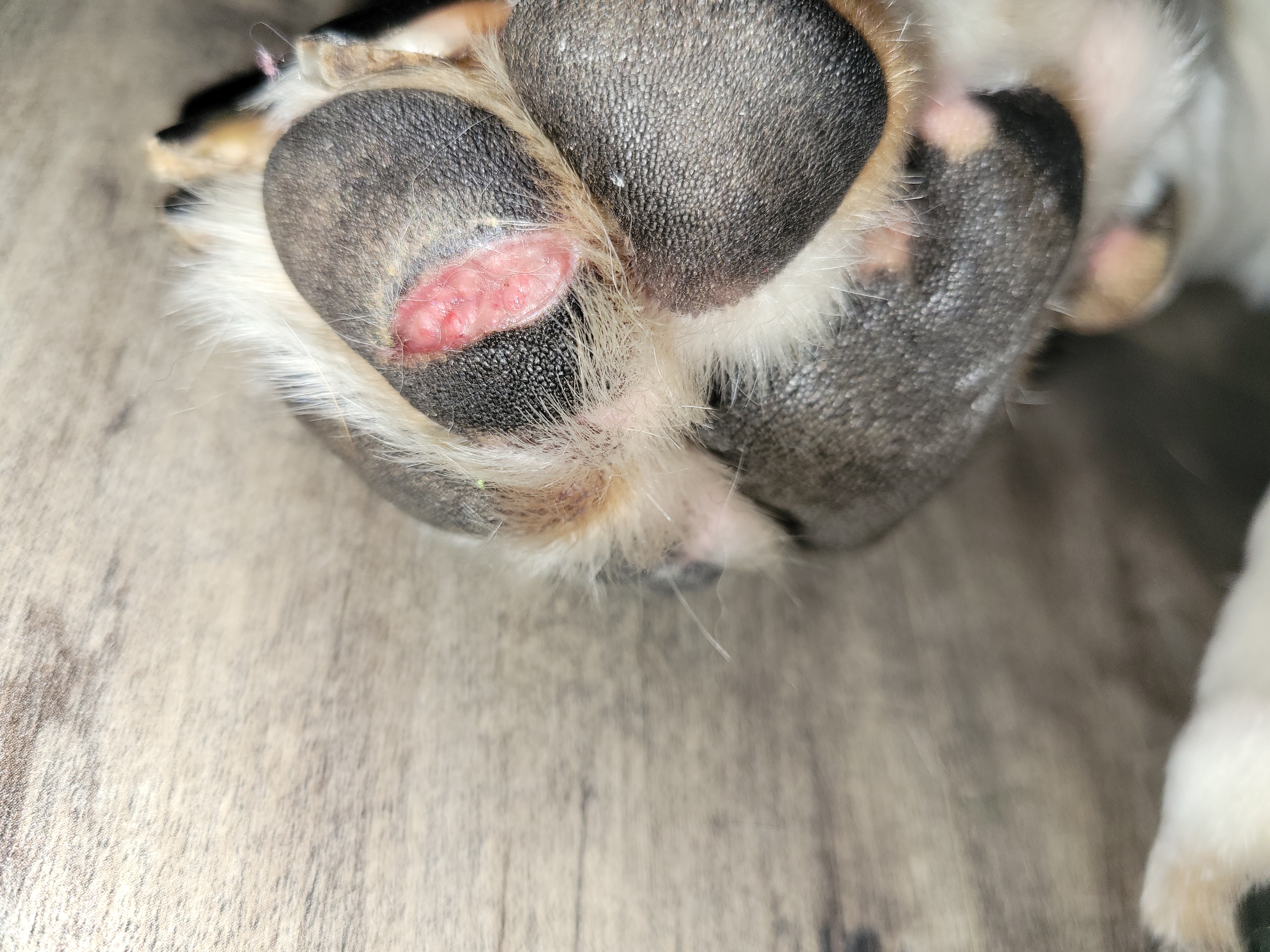
A split dog paw pad occurs when the tough outer layer of the paw cracks, tears, or separates. The injury may range from a small surface crack to a deep tear that exposes sensitive tissue underneath.
Paw pads absorb shock and protect the foot during movement. When they split, walking becomes painful and the risk of infection increases because dirt and bacteria can enter the wound.
Source: joiaqqstg.blob.core.windows.net
Minor split
A shallow crack with little or no bleeding.
Moderate split
A deeper crack causing discomfort and occasional bleeding.
Severe split
A deep tear exposing tissue, causing significant bleeding or limping.
Common Causes of Split Paw Pads
Split paw pads can develop from hot pavement, rough terrain, ice, road salt, excessive running, dry skin, or direct trauma from sharp objects. Some medical conditions may also make paw pads more vulnerable to cracking.
Environmental causes
Heat, cold, rough surfaces, and chemical irritants.
Physical causes
Cuts, abrasions, and repeated friction.
How to Treat Split Dog Paw Pads at Home
The first step in how to treat split dog paw pads is evaluating the severity of the injury. If bleeding is severe, the wound is very deep, or your dog cannot bear weight on the paw, contact a veterinarian immediately.
For minor to moderate injuries, basic first aid can help protect the wound and encourage healing.
Source: pawflick.com
Step 1
Rinse the paw with clean water or sterile saline.
Step 2
Remove visible debris carefully.
Step 3
Apply gentle pressure if bleeding is present.
Step 4
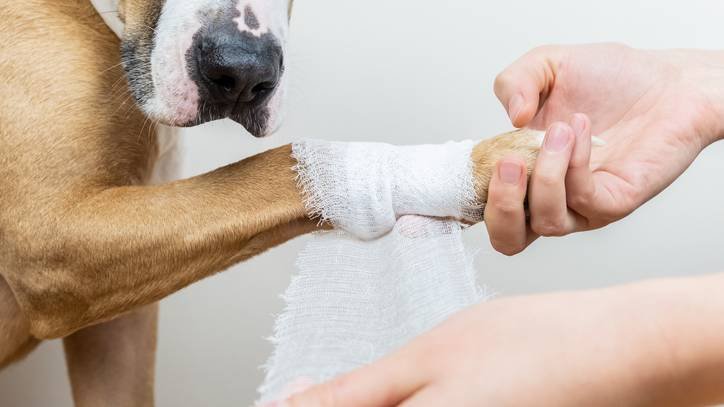
Cover with a clean non-stick bandage.
Cleaning the Wound Safely
Avoid using harsh chemicals such as hydrogen peroxide repeatedly because they may slow tissue healing. Gentle cleaning with saline or clean water is usually sufficient for initial care.
Use clean materials
Fresh gauze and clean water reduce contamination.
Bandaging and Protecting the Paw
A proper bandage helps keep dirt out of the wound and prevents additional damage. The bandage should be snug but not tight enough to affect circulation.
Change the bandage daily or whenever it becomes wet or dirty. Always inspect the wound during bandage changes for signs of healing or infection.
Source: storage.googleapis.com
Use non-stick pads
They reduce discomfort during bandage changes.
Keep the paw dry
Moisture can encourage bacterial growth.
Reducing Activity During Recovery
Short leash walks are often better than unrestricted activity. Running, jumping, and rough play can reopen a healing split and delay recovery.
Rest
Minimizes stress on the injured tissue.
Signs the Paw Pad Is Healing
Most minor paw pad splits gradually improve over one to three weeks depending on depth and location. New tissue forms and sensitivity decreases over time.
Your dog should become more comfortable walking and show less limping as healing progresses.
Source: animalia-life.club
Positive signs
Reduced redness, less swelling, and improved mobility.
Normal healing
Formation of healthy new tissue over the injured area.
When Healing Is Delayed
Persistent pain, recurring bleeding, or failure to improve after several days may indicate a deeper injury or infection requiring veterinary evaluation.
Monitor daily
Track changes in swelling, discharge, and comfort.
When to See a Veterinarian
Some split paw pad injuries require professional treatment. Deep tears may need sutures, prescription medications, or advanced wound management.
Prompt veterinary care can prevent complications and improve recovery outcomes.
Source: storage.googleapis.com
Heavy bleeding
Bleeding that does not stop after several minutes of pressure.
Visible tissue
Deep wounds exposing underlying structures.
Infection signs
Pus, foul odor, increasing redness, or swelling.
Emergency Warning Signs
Seek immediate veterinary assistance if your dog cannot walk, has severe pain, or if the injury resulted from significant trauma.
Severe lameness
May indicate a more serious foot injury.
How to Prevent Future Paw Pad Splits
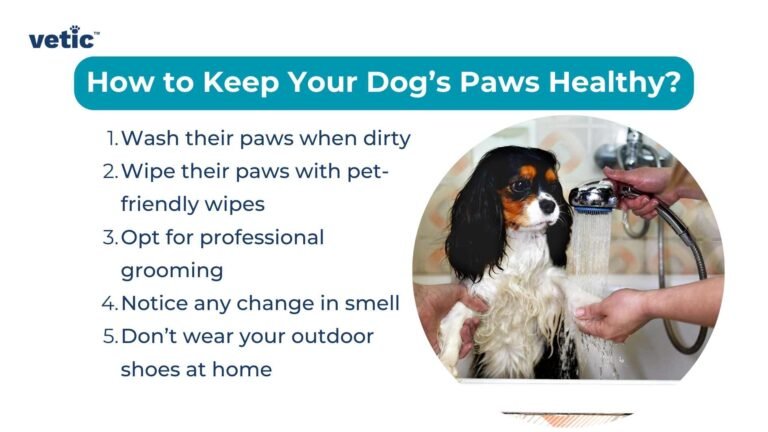
Preventive care reduces the chance of repeat injuries. Regular paw inspections help identify dryness, cracks, or minor damage before they become serious problems.
Dogs that frequently hike, run, or walk on challenging surfaces may benefit from additional paw protection.
Source: animalia-life.club
Inspect paws regularly
Look for cuts, cracks, and foreign objects.
Use protective boots
Helpful on hot pavement, snow, and rough terrain.
Maintain paw moisture
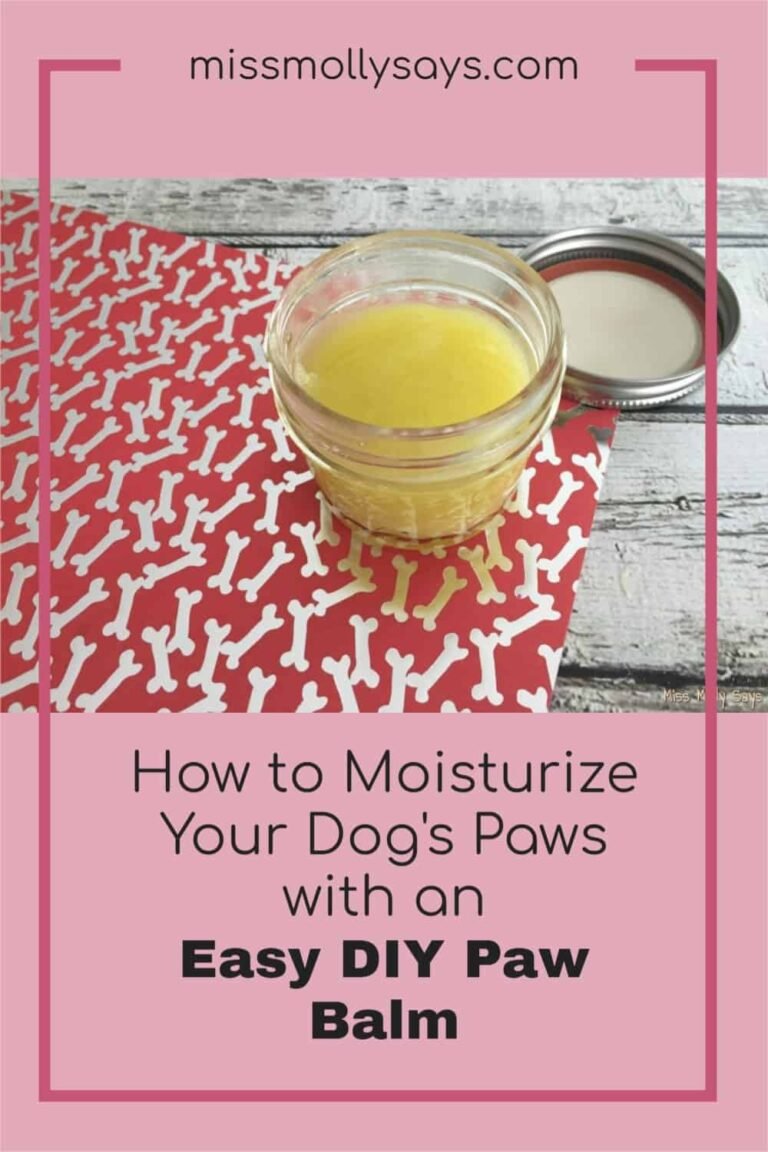
Use veterinarian-approved paw balms when needed.
Seasonal Paw Care
Summer heat and winter ice are common causes of paw pad damage. Adjust walking schedules and inspect paws after outdoor activities.
Weather awareness
Extreme temperatures increase injury risk.
Frequently Asked Questions
Q
How long does a split dog paw pad take to heal?
Minor splits may heal within one to two weeks, while deeper injuries can require several weeks or longer. Healing time depends on the size, depth, location, and level of activity.
Q
Can I walk my dog with a split paw pad?
Short, controlled walks may be possible for minor injuries. Avoid strenuous activity until the paw has healed sufficiently and your dog can walk comfortably.
Q
Should I put ointment on a split paw pad?
Some veterinarian-approved products can help protect the area. Avoid using human medications unless specifically recommended by your veterinarian.
Q
How do I know if a split paw pad is infected?
Signs of infection include increasing redness, swelling, discharge, unpleasant odor, worsening pain, and persistent limping.
Q
Can a split paw pad heal on its own?
Many minor splits heal with proper cleaning, protection, and rest. Severe tears or wounds involving deeper tissue often require veterinary treatment.
✦ Wrapping Up
Conclusion
Knowing how to treat split dog paw pads can help prevent complications and support a smoother recovery. Early cleaning, proper protection, and activity restriction are key parts of effective first aid.
Always monitor the injury closely and seek veterinary care when wounds are deep, bleeding heavily, or showing signs of infection. Timely treatment improves comfort and reduces the risk of long-term paw problems.
💡 Key Takeaway
Inspect the injured paw immediately, clean and protect the wound, restrict activity, and contact your veterinarian if the split is deep or fails to improve.
Learn how to prevent foxtails in dogs’ paws with U.S.-focused tips for avoiding risky areas, grooming paws, checking between toes, and knowing when to call a veterinarian.
Learn how to moisturize dog paws safely with paw balms, natural moisturizers, and daily care tips. Discover how to prevent dry, cracked paw pads and keep your dog’s feet healthy.
Learn how to soak dogs paws safely with warm water or veterinarian-approved solutions, when paw soaks help, what to avoid, and when to call a veterinarian.
Learn how to stop dogs paws from smelling with safe cleaning methods, prevention tips, and solutions for common causes such as bacteria, yeast, moisture, and allergies.
Learn how to keep dog’s paws from getting muddy with proven strategies, paw protection methods, grooming tips, and easy cleanup routines for cleaner homes and healthier paws.