Clean the paws, moisturize with a dog-safe balm, protect the pads, and seek veterinary care for deep cracks or infection.
Across the United States, dogs regularly walk on hot pavement, icy sidewalks, rough hiking trails, and dry indoor surfaces that can contribute to cracked paw pads. Understanding how to treat cracked dog paws can help prevent pain, improve mobility, and reduce the risk of infection.
Most mild cases respond well to gentle cleaning, moisturizing, and environmental protection. However, severe cracks, bleeding, swelling, or signs of infection require prompt veterinary attention because damaged paw pads play an important role in a dog’s comfort, balance, and daily activity.
Source: wagwonders.in
What Causes Cracked Dog Paws?
Cracked paw pads develop when the outer protective layer becomes dry, damaged, or worn down. Environmental exposure is one of the most common causes, especially during extreme summer heat or winter conditions.
Some dogs are also prone to cracked paws because of allergies, excessive licking, nutritional issues, age-related skin changes, or frequent activity on abrasive surfaces.
Source: storage.googleapis.com
Hot pavement
High temperatures can dry and damage paw pads.
Cold weather
Ice, snow, and de-icing chemicals can cause cracking and irritation.
Rough terrain
Concrete, gravel, and rocky trails increase wear on paw pads.
Excessive licking
Constant moisture and irritation can weaken the skin barrier.
Symptoms to Watch For
Dogs with cracked paws may show visible dryness, rough texture, flaking skin, discomfort while walking, licking of the feet, or limping. More serious cases may involve bleeding or open fissures.
Dry appearance
Pads look rough, dull, or flaky.
Pain
The dog may hesitate to walk or favor one paw.
How to Treat Cracked Dog Paws at Home
The safest approach is to clean the paws, moisturize them, and reduce further irritation. Most mild cases improve when the damaged skin is given time to heal in a protected environment.
Avoid using human lotions, medicated creams, or products containing ingredients that may be harmful if licked. Use products specifically formulated for dogs whenever possible.
Source: storage.googleapis.com
Wash gently
Use lukewarm water to remove dirt, debris, and irritants.
Dry thoroughly
Moisture trapped between toes can worsen irritation.
Apply paw balm
Use a dog-safe moisturizer to soften and protect the skin.
Limit exposure
Reduce contact with hot, cold, or abrasive surfaces during healing.
Signs the Treatment Is Working
Successful healing usually results in smoother paw pads, reduced licking, improved comfort during walks, and gradual closure of superficial cracks.
Less discomfort
The dog walks normally and shows less sensitivity.
Healthier skin
Pads become softer and less flaky over time.
When Home Treatment Is Not Enough
Some cracked paws require veterinary care. Deep fissures can become infected, especially when dirt and bacteria enter the damaged tissue.
A veterinarian may recommend prescription medications, protective bandaging, treatment for underlying allergies, or evaluation for other medical conditions contributing to chronic paw problems.
Source: animalia-life.club
Bleeding
Active bleeding indicates more significant damage.
Swelling
Inflammation can suggest infection or injury.
Persistent limping
Ongoing pain should not be ignored.
Emergency Warning Signs
Seek prompt veterinary attention if the paw is severely cracked, bleeding heavily, producing discharge, or causing significant difficulty walking.
Discharge
Pus or unusual fluid may indicate infection.
Severe pain
The dog refuses to bear weight on the affected paw.
Preventing Cracked Paw Pads
Prevention is often easier than treatment. Routine paw inspections help identify dryness before cracks become painful.
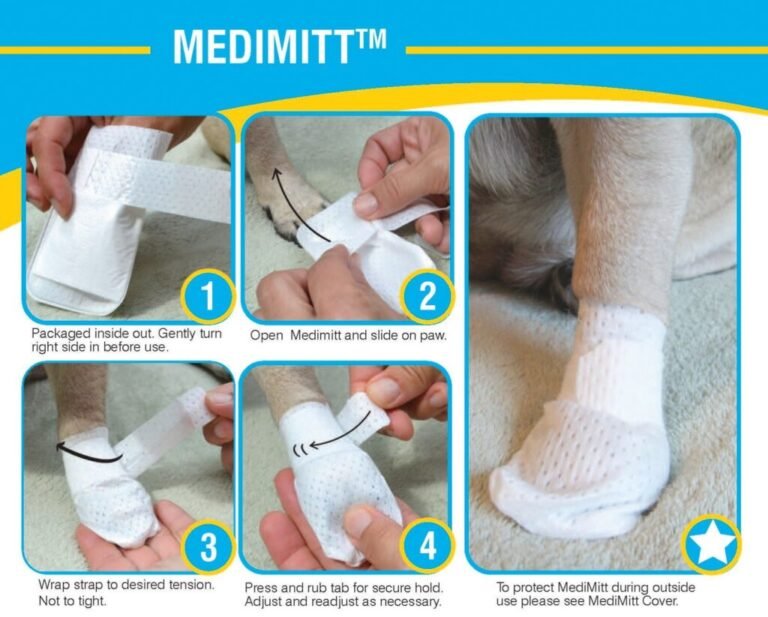
Regular moisturizing, avoiding extreme temperatures, and using protective dog boots when appropriate can reduce the likelihood of future problems.
Source: atelier-yuwa.ciao.jp
Inspect paws weekly
Look for dryness, redness, or small cracks.
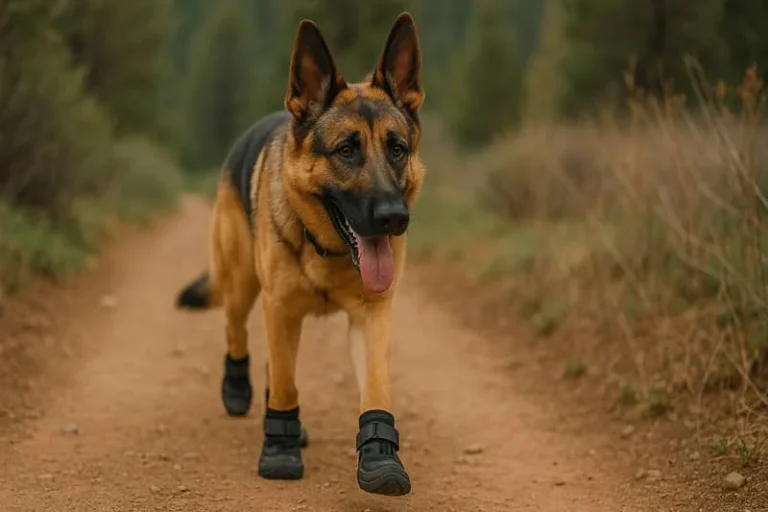
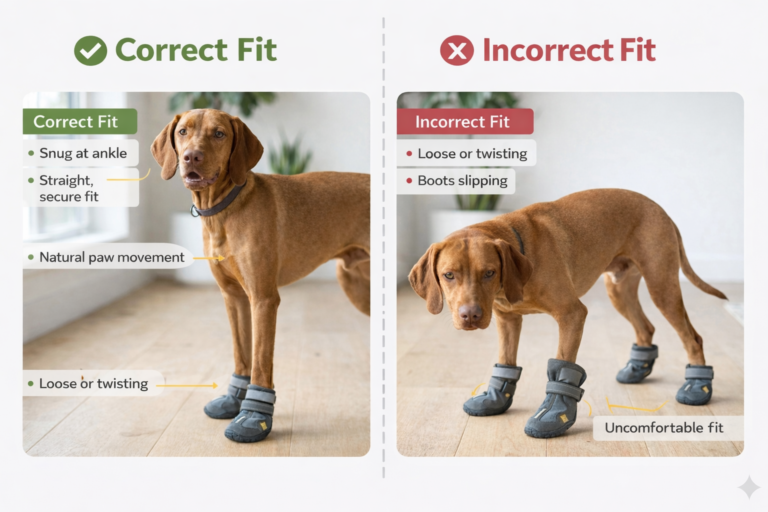
Use paw protection
Boots can shield paws from environmental hazards.
Keep nails trimmed
Proper foot structure reduces unnecessary pressure on pads.
Seasonal Paw Care
Summer heat and winter ice create different risks. Adjust your paw care routine according to weather conditions and local walking surfaces.
Summer
Avoid walking on excessively hot pavement.
Winter
Rinse paws after exposure to salt and de-icing products.
Common Mistakes That Slow Healing
Many owners unintentionally delay recovery by allowing continued exposure to damaging surfaces or using unsuitable products on the paws.
Identifying and correcting these mistakes can help cracked paw pads heal faster and reduce the chance of recurring problems.
Source: artofit.org
Using human moisturizers
Some ingredients may be unsafe if licked.
Ignoring persistent symptoms
Ongoing cracks may signal an underlying health issue.
Excessive activity
Long walks on rough surfaces can worsen existing cracks.
What to Do if Cracks Keep Returning
Recurring cracked paws may be associated with allergies, environmental conditions, nutritional concerns, or chronic skin disorders. Veterinary evaluation can help identify the underlying cause.
Track patterns
Note when symptoms appear and what surfaces the dog walks on.
Frequently Asked Questions
Q
Can cracked dog paws heal on their own?
Mild cracks may heal naturally if the paws are protected and the source of irritation is removed. Supportive care usually speeds recovery and reduces discomfort.
Q
How long does it take cracked dog paws to heal?
Minor cracks often improve within several days to a few weeks. Healing time depends on severity, activity level, and whether underlying causes are addressed.
Q
Can I put petroleum jelly on my dog’s paws?
Some pet owners use petroleum jelly temporarily, but dog-specific paw balms are generally preferred because they are designed for canine skin and accidental licking.
Q
Why are my dog’s paw pads cracking repeatedly?
Repeated cracking can be linked to environmental exposure, allergies, excessive licking, nutritional concerns, or medical conditions that affect skin health.
Q
Should I walk my dog with cracked paws?
Short, gentle walks on soft surfaces may be acceptable for mild cases. Avoid hot pavement, rough terrain, and long periods of activity until healing progresses.
✦ Wrapping Up
Conclusion
Understanding how to treat cracked dog paws starts with identifying the cause, cleaning the affected area, and protecting the paw pads while they heal. Early intervention often prevents more serious complications.
Consistent paw care, environmental protection, and prompt veterinary attention for severe symptoms can help keep your dog’s paws healthy and comfortable throughout the year.
💡 Key Takeaway
Inspect your dog’s paws today, clean any affected areas, apply a dog-safe paw moisturizer, and contact your veterinarian if cracks are deep, painful, or showing signs of infection.
Learn how to use a clean sock as temporary protection for a dog’s paw, when it is appropriate, how to secure it safely, and when to see a veterinarian.
Learn how to stop dog from licking paws home remedy coconut methods safely. Discover causes, application steps, limitations, and when to contact a veterinarian.
Learn how to protect dogs paws when hiking with practical trail safety tips, paw conditioning, boot fitting advice, first aid guidance, and prevention strategies for every season.