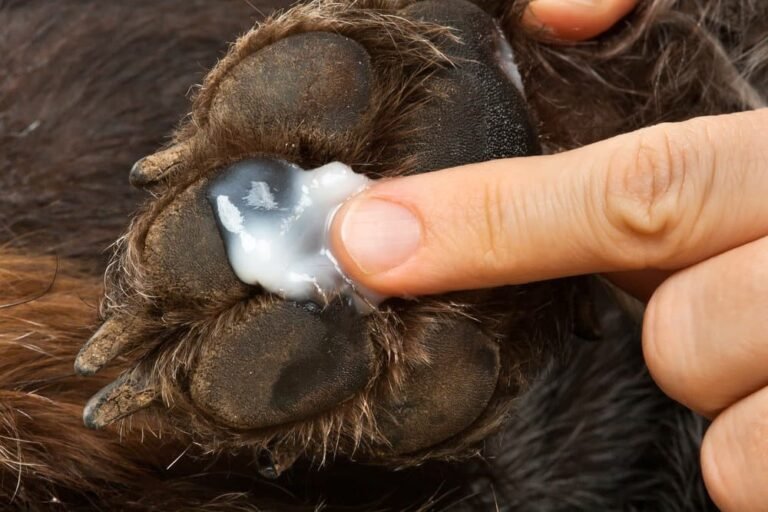
Treat dry dog paws by cleaning them, applying a dog-safe moisturizer, protecting them from harsh surfaces, and addressing underlying causes.
Across the United States, dogs are exposed to hot pavement, winter salt, dry indoor heating, rough trails, and changing weather conditions that can leave paw pads dry and uncomfortable. Understanding how to treat dry dog paws helps prevent cracking, pain, and mobility issues.
Most cases improve with consistent paw care, proper hydration, and a veterinarian-approved moisturizer. However, severe cracking, bleeding, swelling, or persistent dryness may indicate an underlying health condition that requires professional evaluation.
Source: naturaldog.com
What Causes Dry Dog Paws?
Dry paw pads develop when the skin loses moisture or becomes damaged faster than it can repair itself. Environmental conditions are among the most common causes.
Hot sidewalks, cold weather, road salt, rough surfaces, excessive licking, allergies, dehydration, and certain medical conditions can all contribute to dry or rough paw pads.
Source: artofit.org
Environmental Exposure
Heat, cold, snow, salt, and rough terrain can strip moisture from paw pads.
Excessive Licking
Frequent licking can worsen dryness and irritation.
Health Conditions
Allergies, autoimmune disorders, and nutritional deficiencies may affect paw health.
Signs Your Dog Has Dry Paws
Common signs include rough texture, flaking skin, visible cracks, sensitivity while walking, licking, and changes in paw pad appearance. Severe cases may involve bleeding or limping.
Mild Symptoms
Roughness, dryness, and minor flaking.
Serious Symptoms
Deep cracks, bleeding, swelling, or difficulty walking.
How to Treat Dry Dog Paws Step by Step
The safest approach focuses on cleaning, moisturizing, protection, and monitoring. Most dogs respond well when these steps are followed consistently.
Avoid using products intended for humans unless your veterinarian specifically recommends them. Some ingredients can irritate dogs or be harmful if licked.
Source: storage.googleapis.com
Step 1
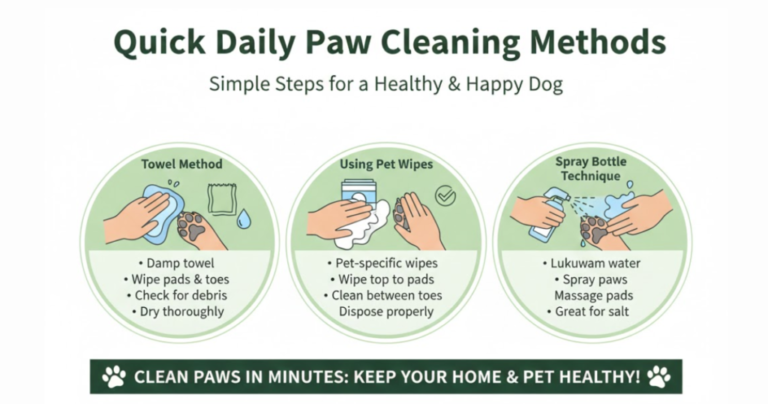
Gently clean the paws with lukewarm water and dry them thoroughly.
Step 2
Apply a dog-safe paw balm or moisturizer to affected areas.
Step 3
Allow the product time to absorb before outdoor activity.
Step 4
Monitor improvement and repeat as directed.
Signs the Treatment Is Working
Healthy paw pads become smoother, more flexible, and less irritated. Cracks begin to close, and the dog shows less licking or discomfort.
Positive Changes
Reduced dryness, improved texture, and comfortable walking.
Best Moisturizing Options for Dry Paw Pads
Dog-specific paw balms are usually the safest choice because they are formulated for canine skin and occasional licking. Many contain moisturizing ingredients that help restore the paw pad barrier.
Natural oils may be used when approved by a veterinarian, but not every oil is suitable for every dog. Product selection should consider allergies and skin sensitivity.
Source: storage.googleapis.com
Paw Balms
Designed specifically to moisturize and protect paw pads.
Hydration
Adequate water intake supports skin health from within.
Balanced Nutrition
Proper nutrition contributes to healthy skin and paws.
What to Avoid
Avoid products containing ingredients that may irritate dogs or those not intended for pet use. Excessive use of greasy products can also encourage licking.
Unsafe Products
Avoid using unknown creams or medications without veterinary guidance.
Preventing Dry Dog Paws Year Round
Prevention is often easier than treatment. Routine paw inspections help identify dryness before cracks become severe.
Seasonal protection is especially important in regions with extreme heat, snow, ice, or heavily salted roads.
Source: storage.googleapis.com
Check Paws Weekly
Look for rough spots, cracks, and debris.
Use Protective Gear
Dog boots can reduce exposure to damaging surfaces.
Limit Surface Damage
Avoid prolonged walks on extremely hot pavement.
Seasonal Paw Care Tips
Summer heat and winter deicing products are common causes of paw irritation. Adjust your dog’s outdoor routine according to weather conditions.
Summer
Walk during cooler parts of the day.
Winter
Rinse paws after contact with salt or chemicals.
When Home Treatment Is Not Enough
Some cases of dry paws require veterinary attention. Deep cracks, bleeding, infection, swelling, limping, or symptoms that persist despite treatment should be evaluated.
A veterinarian can identify underlying causes such as allergies, hormonal disorders, autoimmune diseases, or infections that may contribute to chronic paw problems.
Source: animalia-life.club
Seek Veterinary Care
If symptoms worsen or fail to improve after several days of care.
Watch for Infection
Redness, discharge, odor, or swelling require prompt attention.
Emergency Warning Signs
Bleeding paw pads, severe pain, inability to walk normally, or signs of infection should be treated as urgent concerns.
Urgent Symptoms
Significant bleeding, deep wounds, or severe limping.
Dry Paw Troubleshooting Guide
If dry paws keep returning, review environmental exposures, grooming habits, hydration levels, and dietary factors. Identifying the root cause often prevents repeated flare-ups.
Persistent problems are more likely to involve an underlying condition rather than simple environmental dryness.
Source: storage.googleapis.com
Recurring Dryness
Investigate allergies, excessive licking, or environmental irritants.
No Improvement
Schedule a veterinary examination for a complete assessment.
Common Treatment Mistakes
Overwashing paws, ignoring cracks, using inappropriate products, and exposing paws to harsh conditions immediately after treatment can slow healing.
Avoid Overwashing
Frequent washing can remove natural protective oils.
Frequently Asked Questions
Q
Can dry dog paws heal on their own?
Mild dryness may improve if the source of irritation is removed. However, moisturizing and protecting the paws usually speeds recovery and reduces the risk of cracking.
Q
How often should I apply paw balm?
Follow the product instructions or your veterinarian’s recommendations. Many paw balms are applied once or twice daily until the paws improve.
Q
Can hot pavement cause dry paw pads?
Yes. Excessive heat can damage paw pads, remove moisture, and contribute to dryness, irritation, and cracking.
Q
Are dry paws painful for dogs?
Mild dryness may cause little discomfort, but severe cracking can become painful and affect walking or activity levels.
Q
When should I contact a veterinarian?
Contact a veterinarian if you notice bleeding, swelling, infection, limping, severe cracks, or symptoms that do not improve with home care.
✦ Wrapping Up
Conclusion
Learning how to treat dry dog paws starts with identifying the cause, moisturizing safely, and protecting the paw pads from further damage. Most mild cases respond well to consistent care and environmental management.
Regular inspections, proper hydration, and prompt attention to irritation can help keep your dog’s paws healthy throughout the year. Persistent or severe symptoms should always be evaluated by a veterinarian.
💡 Key Takeaway
Clean your dog’s paws, apply a dog-safe moisturizer, protect them from harsh surfaces, and seek veterinary care if cracking, bleeding, or persistent symptoms develop.
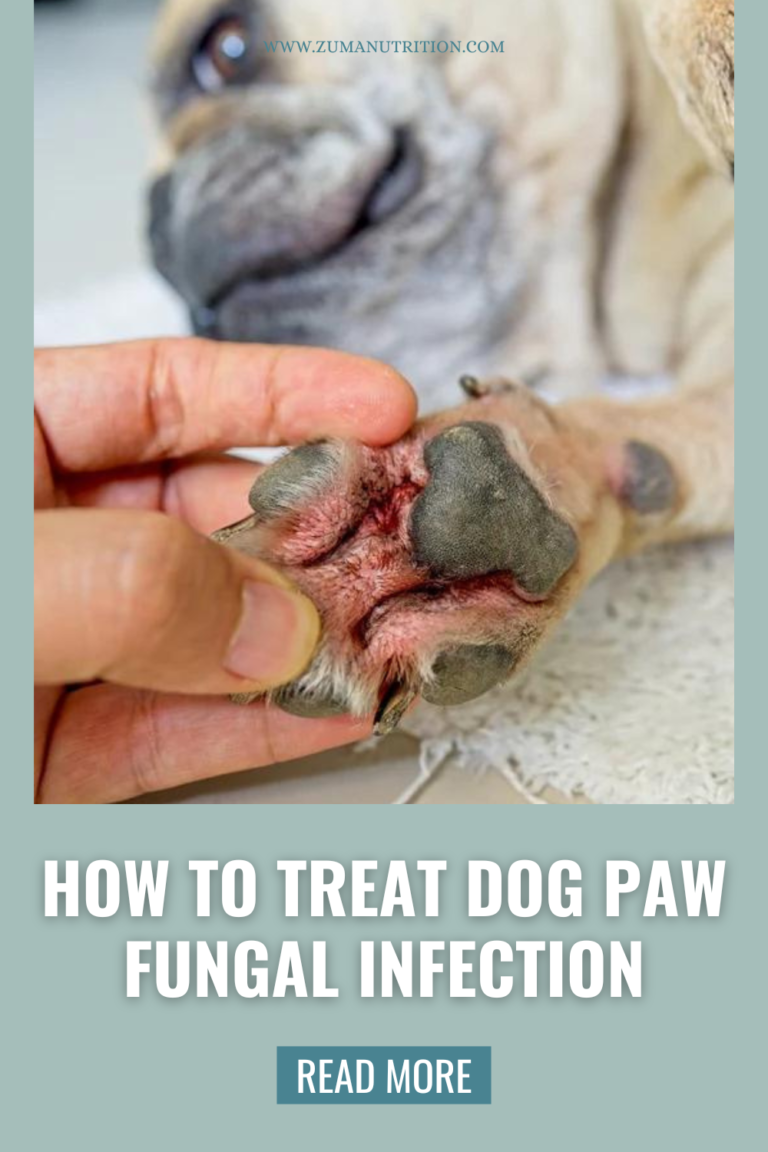
Learn how to treat dog paw fungus, recognize yeast and fungal infection signs, understand veterinary treatment, and prevent recurring paw problems safely.
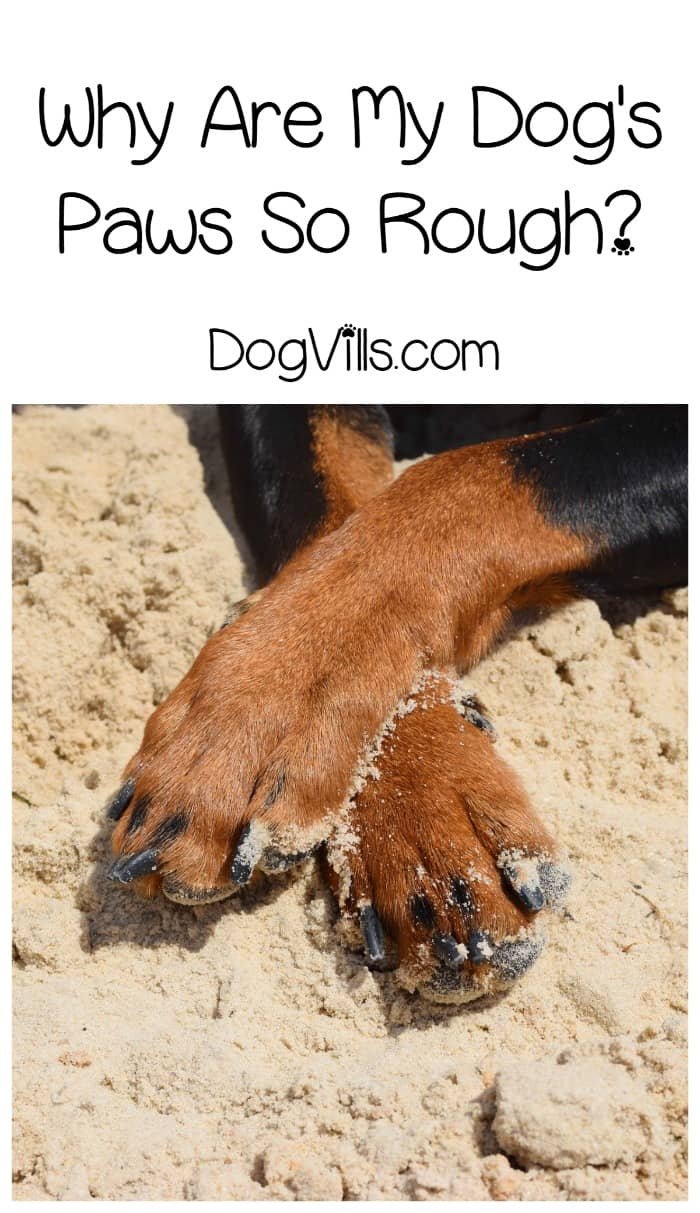
Learn why your dog’s paws may be rough, dry, or cracked, from normal paw-pad wear to allergies, irritation, injury, and hyperkeratosis, plus safe care tips.
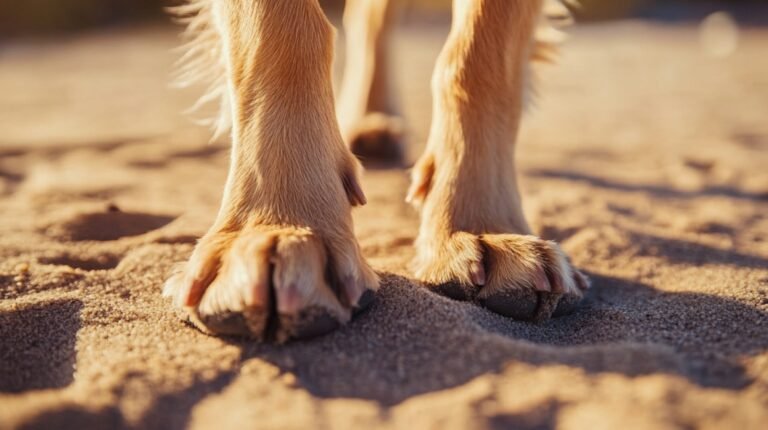
Learn how to protect dog paws from hot sand with practical beach safety tips, paw protection methods, warning signs of burns, and summer paw care strategies.
Learn how to treat dog paw infection at home with safe cleaning, wound care, infection monitoring, and prevention tips. Know when veterinary care is necessary.