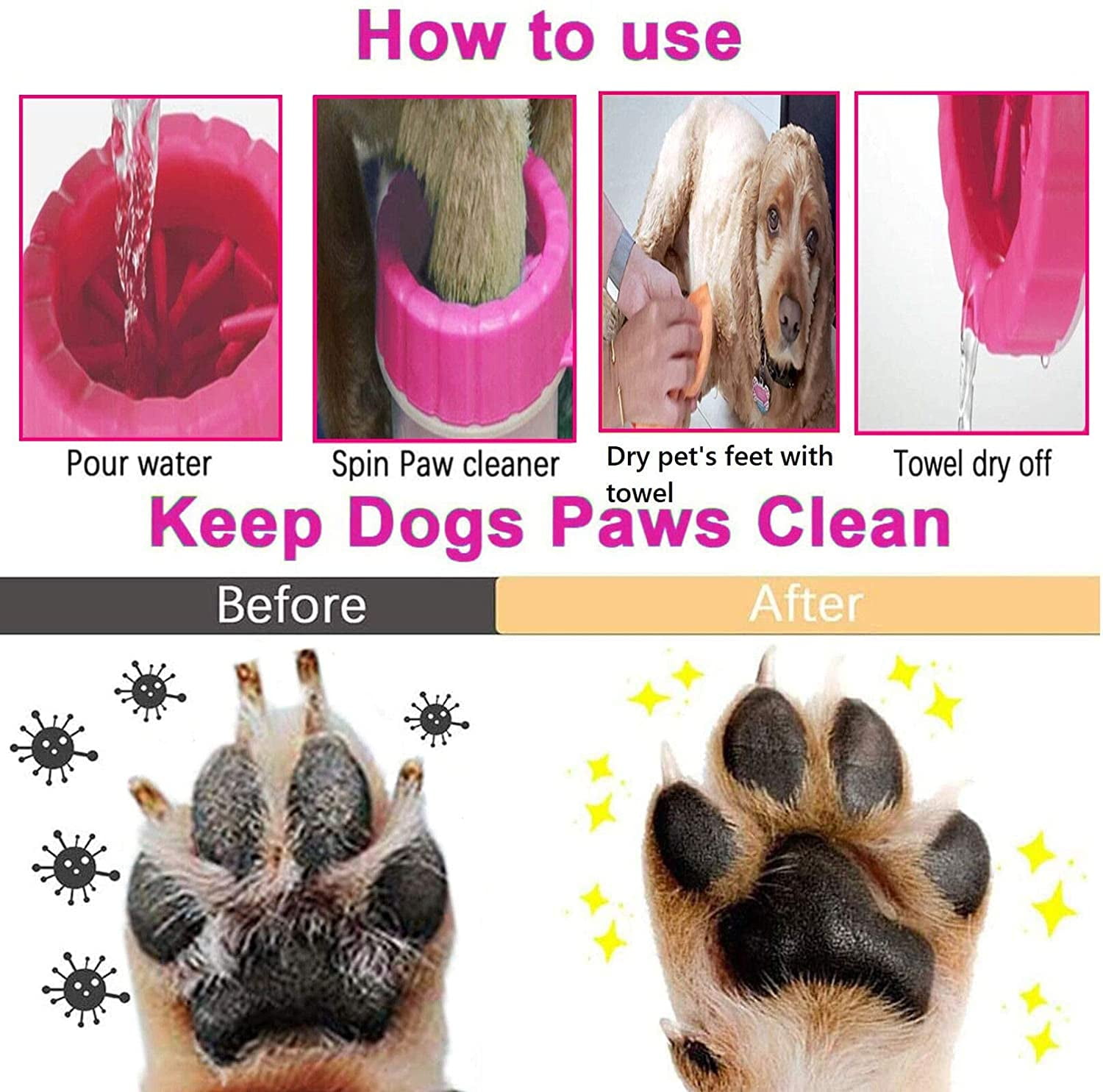
To use a dog paw cleaner, add clean water to the cleaner, gently place one paw inside, move or twist the cleaner so its soft bristles loosen dirt, remove the paw, towel-dry it thoroughly, and repeat for the other paws.
For dog owners in the United States, a paw cleaner can be especially useful after muddy park walks, hikes, rainy sidewalks, beach trips, or winter walks where road salt and other residues may collect on the feet. A paw washer is designed for routine surface cleaning; it is not a substitute for veterinary treatment when a paw is injured or painful.
The safest approach is gentle and simple. Use clean water unless the manufacturer’s instructions specifically allow a pet-safe cleanser, avoid forcing a reluctant dog to put a paw into the device, and dry between the toes and around the pads after washing. Cleaning also gives you a convenient opportunity to check for cuts, stones, burrs, swelling, or other abnormalities.
Source: http://www.pinterest.com
What Is a Dog Paw Cleaner?
A dog paw cleaner is a grooming tool designed to remove loose dirt, mud, sand, and outdoor residue from a dog’s feet. The most common style is a reusable cup or container with soft silicone bristles inside. Manual models are moved or twisted around the paw, while automatic models use a motor to move the internal cleaning mechanism.
A paw cleaner is most useful for routine cleanup after outdoor activities. It does not replace a full bath when a dog is heavily soiled, and it should not be used as the primary treatment for an open wound, significant irritation, or a painful paw.
Source: wigglelove.com
Manual paw washer
A water-filled cup with internal bristles that cleans when you gently move or rotate the cup around the paw.
Automatic paw cleaner
A powered device that moves its internal bristles after you activate the cleaning cycle. Exact controls and operating times vary by model.
Paw cleaning solution
A pet-formulated cleanser can be useful for some situations, but it should only be used according to its label and the paw cleaner manufacturer’s instructions.
When Should You Use a Dog Paw Cleaner?
Use a paw cleaner when your dog’s feet have visible mud, sand, loose dirt, or outdoor residue that you want to remove before the dog comes indoors. It can be particularly convenient after rainy walks, muddy trails, parks, and other places where debris collects around the pads and between the toes.
After muddy walks
A washer can loosen wet soil before it gets onto floors, rugs, furniture, or car interiors.
After winter walks
Cleaning can help remove road salt and other sidewalk residues that may irritate paws or be swallowed when a dog licks its feet.
After hikes or trails
Washing provides an opportunity to remove loose grit and inspect for small pieces of vegetation or other debris.
How to Use a Dog Paw Cleaner Step by Step
The basic process is straightforward: prepare the cleaner, introduce your dog to it calmly, clean one paw at a time, dry each paw, and clean the device afterward. Always follow the instructions supplied with your particular cleaner because automatic models can have different controls, water levels, and cleaning cycles.
Source: bigamart.com
1. Prepare the cleaner
Rinse the cleaner before use if necessary. Add clean water to the manufacturer’s recommended level. Do not overfill the container because movement can cause splashing.
2. Let your dog inspect the tool
For a dog unfamiliar with a paw washer, allow the dog to sniff the device while it is empty and turned off. Reward calm behavior and avoid forcing the paw into the opening.
3. Place one paw inside
Gently guide one paw into the opening until the paw reaches the water and internal bristles. Keep the paw in a comfortable position rather than pushing it deeply into the cleaner.
4. Clean gently
For a manual washer, move or twist the cup slowly so the bristles loosen dirt. For an automatic model, activate the cleaning cycle according to its instructions. Stop if your dog shows clear signs of distress or pain.
5. Remove and inspect the paw
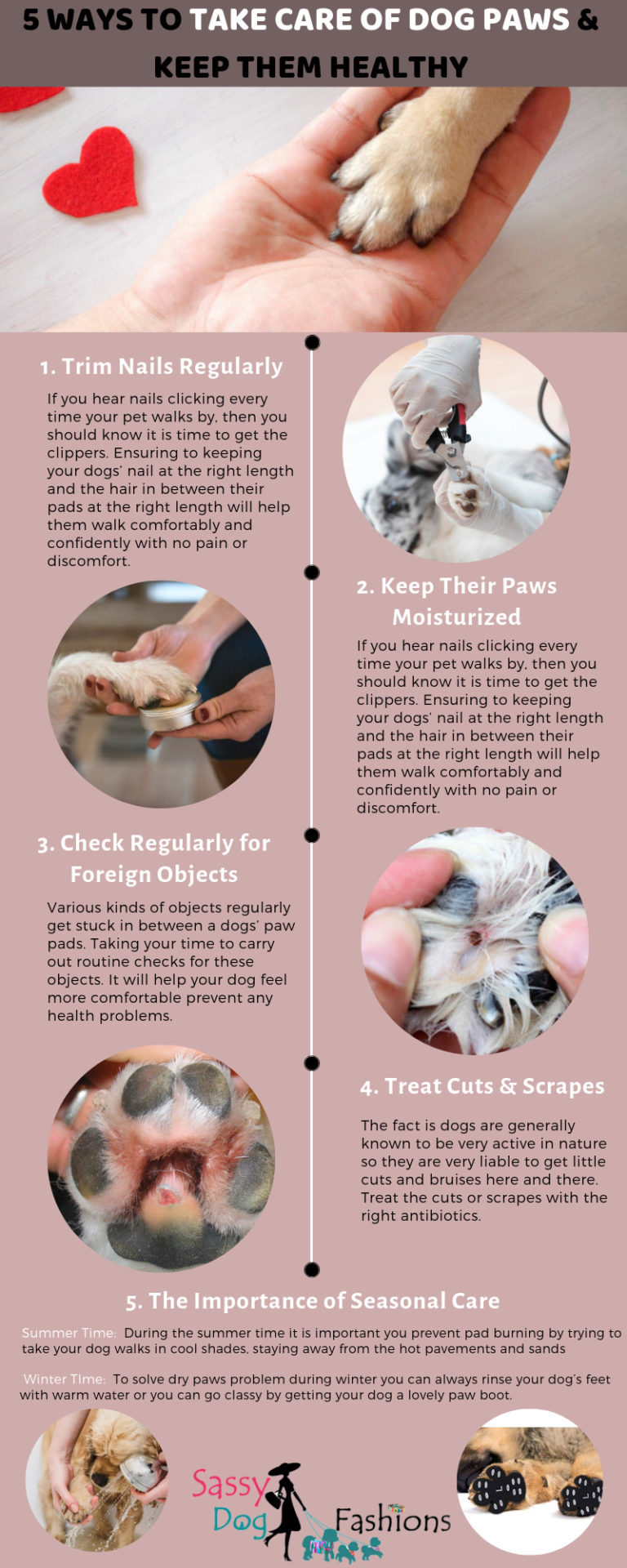
Lift the paw out and briefly check the pads, nails, and spaces between the toes. Look for embedded debris, cuts, swelling, redness, or other changes.
6. Dry thoroughly
Use a clean towel to blot the paw dry. Pay particular attention to the spaces between the toes and around the pads because leaving paws wet can increase discomfort and make floors slippery.
7. Repeat for the remaining paws
Refresh the water if it becomes heavily contaminated. Clean each paw separately rather than repeatedly putting clean paws into increasingly dirty water.
8. Empty and clean the device
Pour out used water, remove any detachable bristle insert if the design permits, rinse away trapped dirt, and allow the components to dry according to the manufacturer’s instructions.
How Much Water Should You Put in a Paw Cleaner?
Use the fill level specified by the manufacturer. If no precise level is provided, use enough clean water to wet the internal bristles and reach the part of the paw being cleaned without filling the container so high that water spills during movement. Automatic models may have different capacity requirements, so their manuals should take priority.
Too little water
The bristles may not become adequately wet, reducing the effectiveness of the rinse.
Too much water
The cleaner may splash or spill when the paw or cup moves.
Should You Add Dog Shampoo?
Clean water is generally sufficient for ordinary loose dirt and mud. If a product’s instructions permit a cleanser, use only a small amount of a product specifically formulated for pets and follow its label. Do not substitute household cleaners, disinfectants, or human personal-care products.
For ordinary dirt
Start with clean water and mechanical action from the soft bristles.
For sticky or stubborn residue
A pet-safe cleanser may be appropriate when the product label and paw cleaner instructions allow it, followed by thorough rinsing.
How to Make Paw Cleaning Easier for Your Dog
A dog that resists paw handling may need training before using a paw washer. Dogs do not automatically understand that a container around their foot is safe, so forcing the process can create fear and make future grooming harder.
Start with brief, low-pressure handling. Touch the shoulder or leg, gradually move toward the paw, and reward calm behavior. Once the dog accepts paw handling, introduce the empty cleaner before adding water. Progress only when the dog remains relaxed.
Source: animalia-life.club
Introduce the cleaner while it is empty
Let your dog investigate the device without immediately putting a paw inside it.
Use positive reinforcement
Reward calm behavior with an appropriate treat, praise, or another reward your dog values.
Keep early sessions short
A brief successful session is more useful for training than continuing until the dog becomes overwhelmed.
Never force a painful paw
If your dog pulls away because the paw appears painful, stop the cleaning session and assess the paw rather than pushing through the resistance.
Signs the Cleaning Process Is Going Well
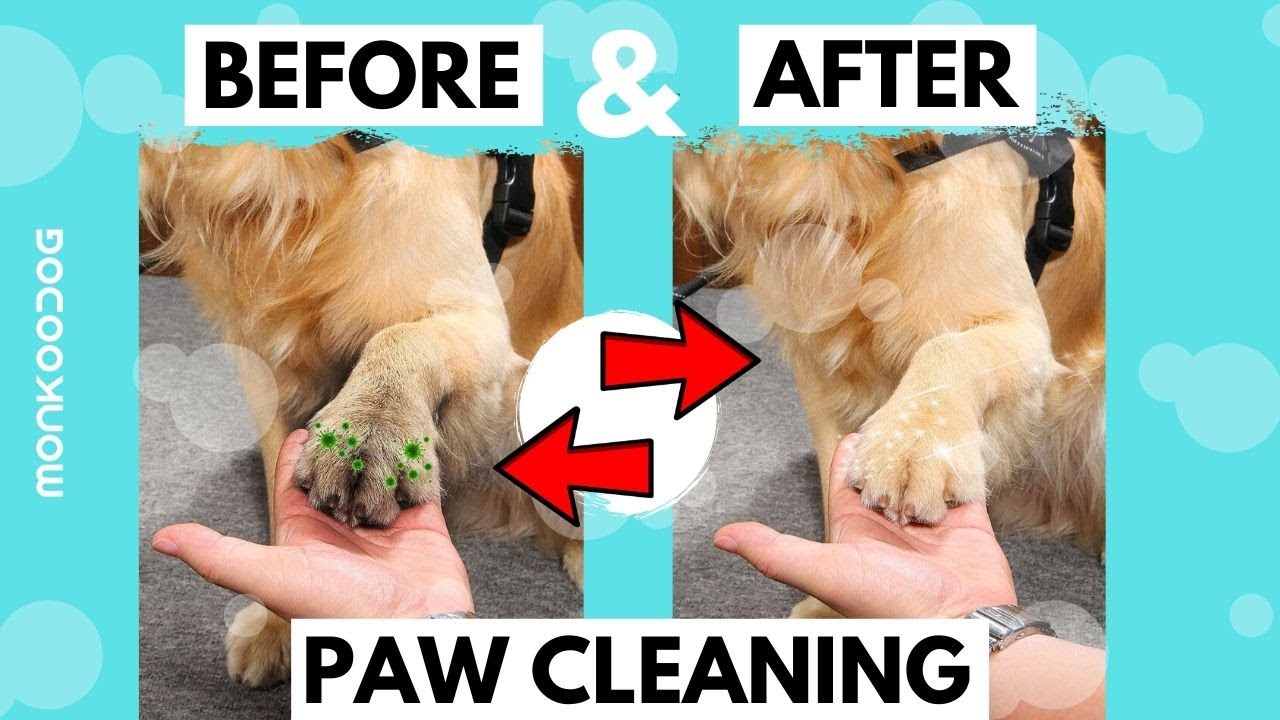
The process is working when visible dirt is removed without excessive scrubbing, your dog remains reasonably calm, and the paw can be dried without signs of discomfort. Clean water should become visibly dirty as soil and debris are removed, but the appearance of the water alone is not a medical measure of paw cleanliness.
Cleaner pads and toes
Mud and loose debris are visibly reduced around the pads and between the toes.
Calm behavior
Your dog tolerates the process without persistent attempts to escape, vocalizing, or showing obvious distress.
Dry paws afterward
The paw is comfortably dry before your dog resumes normal indoor or outdoor activity.
Common Dog Paw Cleaner Mistakes to Avoid
Most problems with paw washers come from using too much force, neglecting drying, choosing an unsuitable size, or treating a paw problem as ordinary dirt. A cleaner should make routine hygiene easier, not cause additional irritation.
Source: YouTube > Moe Puppy
Scrubbing too aggressively
Soft silicone bristles are intended to loosen debris gently. Vigorous scrubbing can irritate already sensitive skin.
Using unsuitable chemicals
Household detergents, disinfectants, and other non-pet products should not be used on a dog’s paws unless a veterinarian specifically directs their use.
Skipping the drying step
Leaving paws wet can be uncomfortable and may make a dog slip on smooth flooring.
Using dirty water for every paw
Replace heavily soiled water when necessary so you are not repeatedly rinsing paws in contaminated water.
Ignoring pain or injury
A paw cleaner is for routine cleaning, not for diagnosing or treating significant injuries.
Forcing the paw into an undersized cleaner
The paw should fit comfortably. A cramped opening can make the dog uncomfortable and make cleaning less effective.
What If Your Dog Hates the Paw Cleaner?
Stop and return to gradual paw-handling practice rather than repeatedly forcing the cleaner onto the dog. Some dogs tolerate a damp towel or pet-safe wipe better than a cup. The best routine is the one that removes the relevant dirt while keeping the dog calm and comfortable.
Try a towel first
For light dirt, a clean damp cloth can sometimes provide enough cleaning without placing the paw inside a container.
Change the training sequence
Practice touching and holding the paw before introducing the cleaner again.
Use a different cleaning method
If a cup consistently causes distress, a pet-safe wipe or gentle paw rinse may be a better fit for that dog.
When a Dog Paw Cleaner Is Not Enough
Routine paw cleaning should not delay veterinary care when a dog has a significant injury or unusual symptoms. After cleaning, inspect the paw instead of assuming every problem is simply dirt.
Contact a veterinarian when the paw has a deep or persistent wound, significant bleeding, marked swelling, severe pain, a suspected embedded object that cannot be safely removed, or other changes that do not improve. A dog that repeatedly licks or refuses to bear weight on a paw may also need professional assessment.
If your dog has walked through a potentially harmful chemical or unknown substance, do not rely on a standard paw cleaner alone. Follow appropriate veterinary or poison-control guidance for the substance involved.
Source: manuals.plus
Visible injury
Cuts, torn pads, punctures, or other injuries require more than routine paw washing.
Persistent pain
If your dog reacts painfully to gentle handling or will not use the foot normally, stop cleaning and seek veterinary advice.
Possible toxic exposure
Unknown chemicals, certain de-icing products, and other hazardous substances can require specific decontamination or medical advice.
Embedded debris
Do not dig deeply into the paw to remove an object. Veterinary examination may be needed when debris is lodged or difficult to remove.
Why Drying Matters After Cleaning
Drying is part of the cleaning process, not an optional final step. Use a clean towel to blot the paw and gently dry between the toes. If the paw remains visibly wet, give it additional time to dry before allowing normal activity.
Prevent slippery floors
Wet paw pads can reduce traction on smooth indoor surfaces.
Improve comfort
A thoroughly dried paw is generally more comfortable than one left wet after washing.
How to Clean and Maintain the Paw Washer
Clean the paw washer after each use so mud, hair, and other debris do not remain inside the device. Empty the dirty water, remove detachable components when the design permits, rinse the parts, and let them dry according to the manufacturer’s instructions.
Regular maintenance also gives you a chance to inspect the cleaner for damaged bristles, cracks, loose parts, or other problems. Follow the specific care instructions for powered models and never immerse an electrical component unless the manufacturer explicitly states that it is designed for that use.
Source: animalia-life.club
Empty after use
Discard dirty water rather than storing it in the cleaner.
Rinse removable parts
Wash away trapped mud and hair from silicone bristles or removable inserts.
Dry completely
Allow components to dry as directed before storing the cleaner.
Follow the manual for powered devices
Charging, disassembly, waterproofing, and cleaning requirements vary between automatic paw cleaners.
How Often Should You Use a Dog Paw Cleaner?
There is no universal requirement to wash a dog’s paws after every short trip outside. Use a paw cleaner when the paws are visibly dirty or have encountered a residue that should be removed. Light dust may only require a towel, while heavy mud or road residue may justify a more thorough rinse.
Light dirt
A towel or pet-safe wipe may be sufficient.
Mud and sand
A paw washer can provide a more thorough rinse.
Road salt or other residues
Clean the paws promptly after exposure and monitor for irritation or discomfort.
Frequently Asked Questions
Q
Can I use a dog paw cleaner every day?
A paw cleaner can be used as needed for routine dirt, provided the process is gentle and the dog’s paws remain comfortable. You do not need to wash paws after every minor outdoor trip if they are already clean. Overhandling or excessive washing can be unnecessary.
Q
Should I use warm or cold water in a dog paw washer?
Use comfortable lukewarm or room-temperature water rather than very hot water. The goal is to rinse away dirt without causing discomfort. If the manufacturer gives specific water-temperature instructions, follow those instructions.
Q
Can I use human shampoo in a dog paw cleaner?
Do not assume human shampoo is appropriate for a dog’s paws. If a cleanser is needed, use a product formulated for dogs and follow its label. For ordinary mud and loose dirt, clean water is often sufficient.
Q
How long should I keep my dog’s paw in the cleaner?
Use only enough time to loosen and remove the visible dirt, following the manufacturer’s instructions for automatic devices. There is no universal cleaning time for every paw washer. Stop sooner if your dog becomes uncomfortable or the paw appears painful.
Q
Can a paw cleaner remove road salt from dog paws?
Rinsing paws can help remove road salt and other residues after winter walks. Dry the paws afterward and check for irritation. If your dog has significant discomfort, persistent licking, or another concerning reaction after exposure, contact a veterinarian.
✦ Wrapping Up
Conclusion
Learning how to use a dog paw cleaner is mainly a matter of using the right amount of clean water, gently cleaning one paw at a time, checking the paw as you go, and drying it thoroughly afterward. Manual and automatic cleaners work differently, so the manufacturer’s instructions should always control details such as fill level, operating time, and cleaning procedure.
A paw washer is most useful as a routine hygiene tool after muddy walks, hikes, rainy outings, or exposure to outdoor residues. It should not be used to scrub an injured paw or replace veterinary care when there is significant pain, bleeding, swelling, or another concerning problem.
💡 Key Takeaway
Before your next walk, keep the paw cleaner, a clean towel, and fresh water together near the entryway. After the walk, clean each dirty paw gently, inspect the pads and spaces between the toes, dry thoroughly, and rinse the cleaner before storing it.
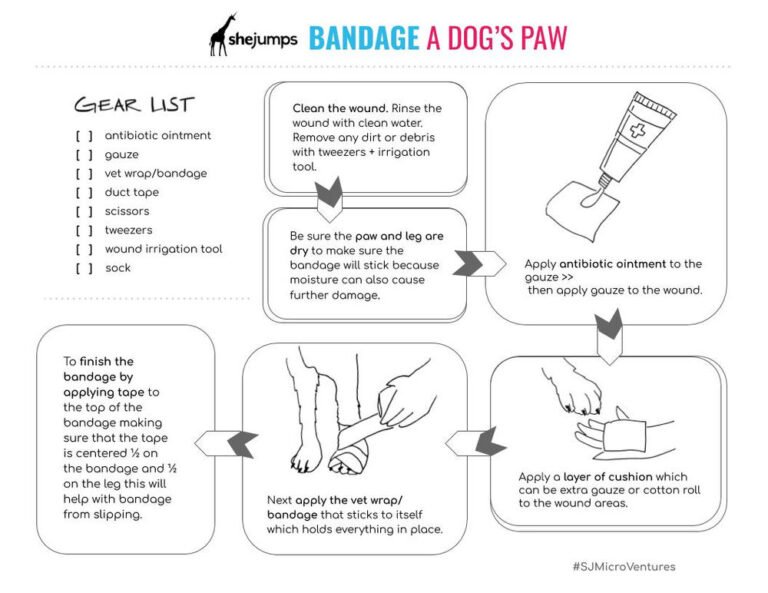
Learn how to safely bandage a dog paw for a broken nail, control bleeding, protect the nail bed, avoid common bandaging mistakes, and know when to see a U.S. veterinarian.
Learn how to soak dogs paws safely with warm water or veterinarian-approved solutions, when paw soaks help, what to avoid, and when to call a veterinarian.
Learn how to tell if your dog sprained his paw, recognize common signs of a sprain, distinguish it from fractures and paw injuries, and know when veterinary care is needed.
Learn how to treat dog paw infection at home with safe cleaning, wound care, infection monitoring, and prevention tips. Know when veterinary care is necessary.