Dogs often tuck their paws because they feel comfortable, secure, relaxed, or are conserving body heat, although pain can sometimes be a cause.
Across the United States, dog owners commonly notice their pets lying with one or both paws tucked underneath their bodies. In most cases, this posture is completely normal and reflects a dog’s natural resting behavior. Many dogs adopt this position while relaxing at home, resting after exercise, or observing their surroundings.
Understanding why do dogs tuck their paws requires looking at both behavior and health. While comfort and security are the most common explanations, persistent paw tucking combined with limping, stiffness, swelling, or other symptoms can sometimes indicate discomfort that deserves veterinary evaluation.
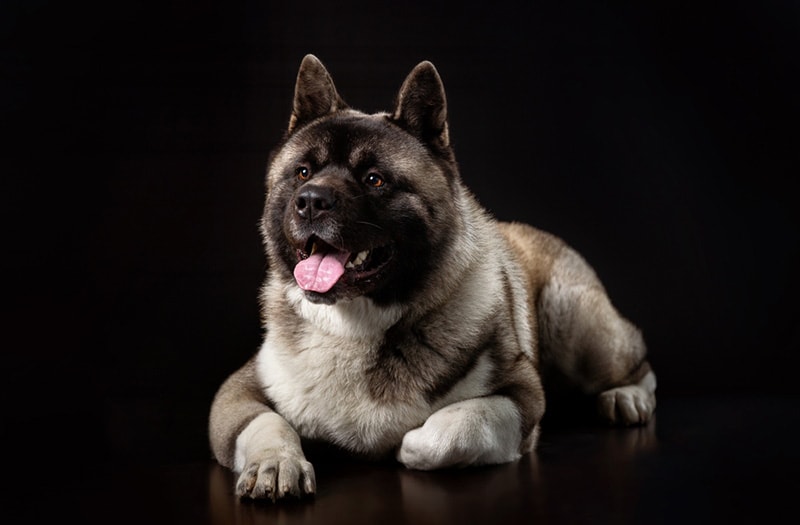
Source: dogster.com
What Does It Mean When a Dog Tucks Its Paws?
The most common answer to why do dogs tuck their paws is simple comfort. Dogs naturally experiment with different resting positions just as humans do. Tucking the paws underneath the body can reduce pressure on joints and create a stable, cozy posture.
This position is especially common in relaxed dogs that are resting but not fully asleep. The posture allows them to remain comfortable while still being ready to stand quickly if needed.
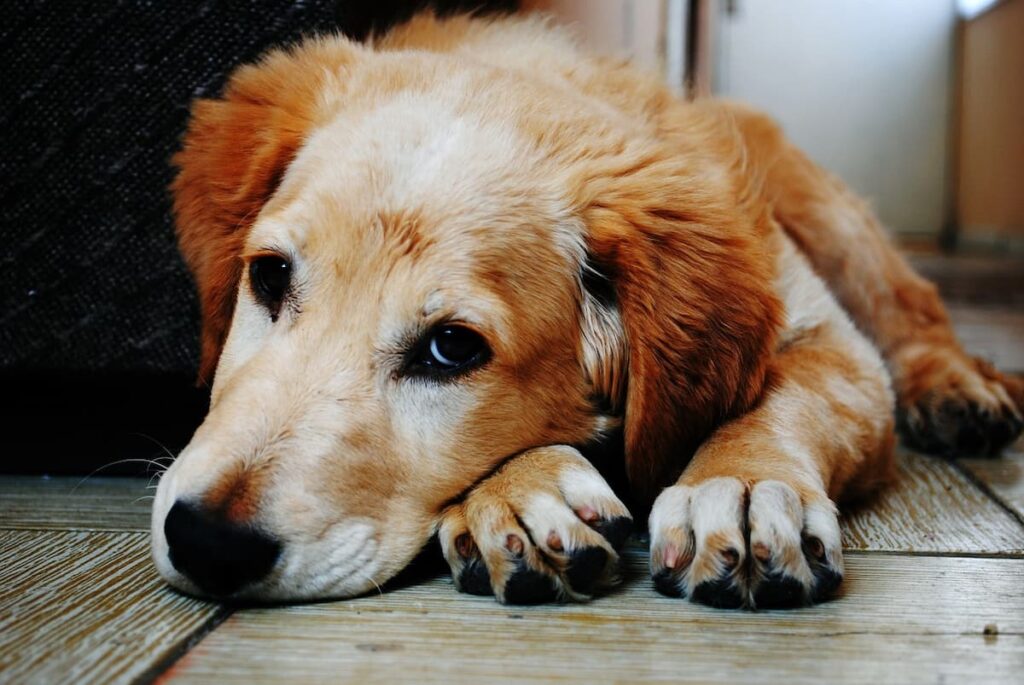
Source: wearypanda.com
Comfort
The position can feel natural and supportive during rest.
Security
Some dogs appear more relaxed when their paws are tucked close to the body.
Readiness
The posture allows a dog to rise quickly if something captures its attention.
Why Puppies Often Tuck Their Paws
Puppies frequently curl up with tucked paws because it mimics the compact sleeping positions they used while resting with their littermates. This behavior often continues into adulthood.
Instinctive behavior
Compact resting positions develop early in life.
Comfort and Temperature Regulation
Another reason why do dogs tuck their paws is temperature control. Dogs lose some body heat through less insulated areas of their bodies, including their paws. Tucking the paws underneath can help conserve warmth when resting on cool floors or during colder weather.
Many dogs instinctively curl into compact positions to retain body heat. Paw tucking often accompanies other heat-conserving behaviors such as curling the tail around the body.
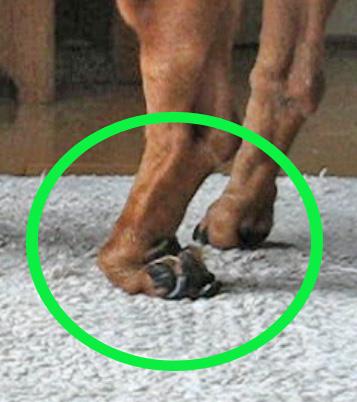
Source: dogsinfoblog.com
Heat conservation
Tucked paws reduce exposed surface area.
Cold surfaces
The position limits direct contact with chilly flooring.
Seasonal Changes in Paw Tucking
Some owners notice more frequent paw tucking during winter months. Environmental temperature can influence resting positions and sleeping habits.
Winter behavior
Dogs may adopt more compact resting postures during colder periods.
Why Some Dogs Tuck Only One Paw
When considering why do dogs tuck their paws, it is helpful to distinguish between tucking both paws and repeatedly tucking only one. A dog may simply prefer shifting its weight onto one side during relaxation.
However, if the same paw is consistently tucked and the dog avoids placing weight on it, discomfort may be involved. Injuries, muscle strains, arthritis, nail problems, or paw pad irritation can contribute to this behavior.
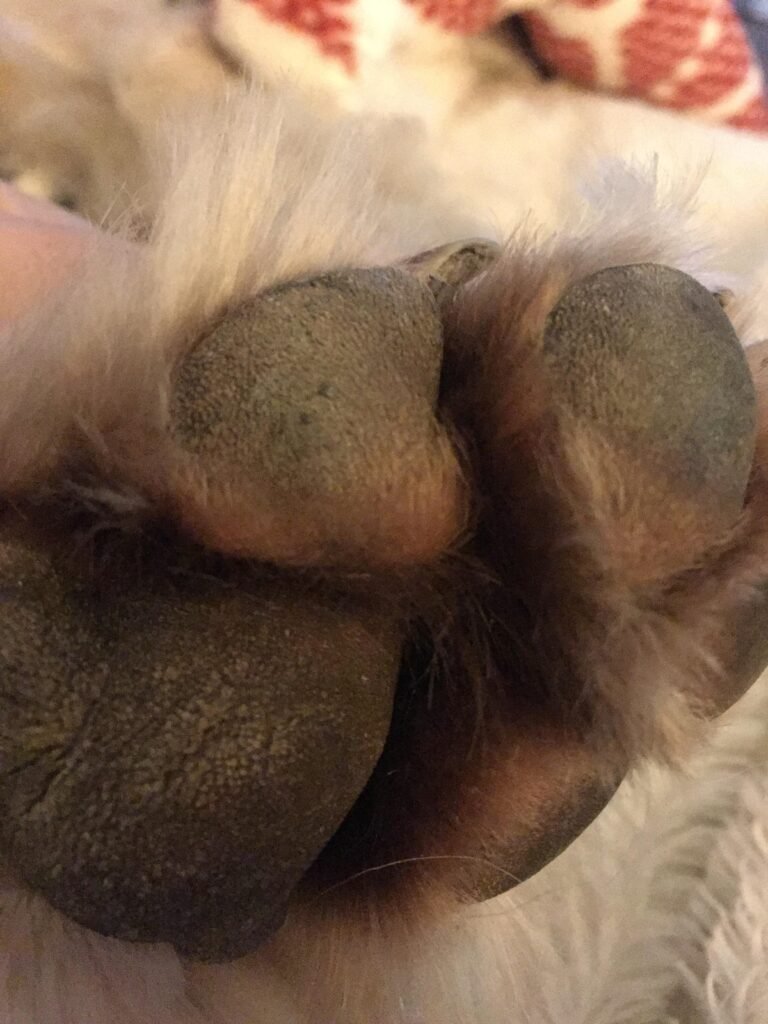
Source: jugdog.co.uk
Normal preference
Some dogs naturally favor one resting position.
Potential discomfort
Persistent avoidance of one paw deserves closer observation.
Signs That Suggest Pain
Watch for limping, licking, swelling, reluctance to walk, sensitivity to touch, or changes in activity level. These signs increase the likelihood that a medical issue is contributing to the behavior.
Veterinary evaluation
Seek professional guidance if symptoms accompany paw tucking.
Behavioral and Emotional Reasons Dogs Tuck Their Paws
Dogs communicate through posture and body language. In some situations, paw tucking reflects a calm emotional state. A relaxed dog may tuck its paws while observing household activity or resting near family members.
Certain dogs also tuck their paws when they feel secure in a familiar environment. This posture can indicate confidence rather than anxiety when paired with relaxed muscles and normal breathing.
Source: photos.oes.org
Relaxation
Comfortable dogs commonly rest with tucked paws.
Security
The posture may appear in trusted environments.
Reading the Whole Body
Paw position alone does not tell the full story. Consider ear position, facial expression, tail posture, and overall movement when interpreting canine body language.
Context matters
Multiple body language signals provide a more accurate interpretation.
When Should You Contact a Veterinarian?
Most cases of paw tucking are harmless. The key is determining whether the behavior is new, persistent, or accompanied by signs of illness or injury.
Contact a veterinarian if your dog suddenly begins tucking a paw and also shows limping, swelling, weakness, reduced activity, difficulty standing, or visible pain. Early evaluation can identify injuries and medical conditions before they worsen.
Source: thinkersvine.com
Sudden behavior change
New behaviors deserve attention, especially in older dogs.
Visible discomfort
Pain-related symptoms should not be ignored.
Mobility problems
Difficulty walking or standing requires prompt assessment.
Common Medical Causes
Potential causes include arthritis, soft tissue injuries, paw pad injuries, nail damage, neurological conditions, and joint disorders. A veterinarian can determine the specific cause through examination.
Professional diagnosis
Accurate identification helps guide effective treatment.
Frequently Asked Questions
Q
Why do dogs tuck their paws when lying down?
Most dogs tuck their paws when lying down because the position feels comfortable and secure. It can also help conserve body heat and support relaxation.
Q
Is paw tucking a sign that a dog is happy?
It can be associated with contentment and relaxation when accompanied by loose body language. However, the behavior should be interpreted alongside other physical and emotional signals.
Q
Why does my dog tuck only one front paw?
A dog may simply prefer that resting position. If the same paw is consistently tucked and the dog avoids putting weight on it, discomfort or injury should be considered.
Q
Should I worry if my senior dog suddenly starts tucking a paw?
A sudden change in behavior in an older dog warrants observation. Arthritis, joint pain, and other age-related conditions can contribute and should be evaluated if symptoms persist.
Q
How can I tell if paw tucking is caused by pain?
Look for limping, swelling, licking, sensitivity, reluctance to exercise, or difficulty standing. These signs suggest the behavior may be related to physical discomfort.
✦ Wrapping Up
Conclusion
Understanding why do dogs tuck their paws starts with recognizing that the behavior is usually normal. Most dogs use this posture because it feels comfortable, secure, and efficient for resting.
The context surrounding the behavior matters most. When paw tucking occurs alongside signs of pain, injury, or mobility problems, professional veterinary advice becomes important.
💡 Key Takeaway
Observe your dog’s overall posture, movement, and comfort level. If paw tucking is accompanied by limping, swelling, or behavioral changes, schedule a veterinary examination.
Learn why your dog’s paws may look yellow, from saliva staining and yeast overgrowth to dirt, irritation, and pad problems, plus when veterinary care is needed.
Learn how to treat sore dog paws between toes with safe home care, cleaning steps, paw protection tips, and guidance on when veterinary treatment is needed.
Learn why your dog’s paws may be pink, from normal puppy pigmentation and saliva staining to allergies, irritation, infection, and paw injuries. Find out when veterinary care is needed.
Learn how to protect dogs paws when hiking with practical trail safety tips, paw conditioning, boot fitting advice, first aid guidance, and prevention strategies for every season.
Learn how to treat dogs paw pads peeling, including common causes, safe home care, warning signs, veterinary treatment, and ways to prevent recurring paw pad damage.