Yes, a small amount of plain human hydrocortisone cream may be used on a dog paw in some cases, but only with caution and veterinary guidance.
Across the United States, dog owners often look for quick relief when their pets develop itchy, irritated, or inflamed paws. Human hydrocortisone cream is a common over-the-counter product found in many American households, which leads many owners to ask whether it is safe for canine use.
The answer depends on the cause of the paw problem, the ingredients in the product, and whether the dog can lick the treated area. While hydrocortisone can help reduce mild inflammation and itching, it is not appropriate for every condition and should never replace veterinary care when a dog has an infection, deep wound, or persistent symptoms.
Source: animalia-life.club
Can You Use Human Hydrocortisone Cream on a Dog Paw?
In some situations, yes. A plain hydrocortisone cream containing 0.5% or 1% hydrocortisone may help reduce mild itching, redness, and inflammation on a dog’s paw.
However, safety depends on proper use. The cream should be applied sparingly, and the dog should be prevented from licking the area until the medication has absorbed. Products containing additional ingredients such as pain relievers, fragrances, or antifungal medications may not be suitable for dogs.
Source: thebarkleypethotel.com
May Help With
Mild allergic irritation, minor itching, insect bites, and localized inflammation.
Not Appropriate For
Open wounds, infected skin, severe swelling, deep cuts, or unexplained lameness.
How Hydrocortisone Works
Hydrocortisone is a corticosteroid that reduces inflammation and suppresses the body’s inflammatory response. This action can decrease itching, redness, and discomfort for a short period.
Primary Effect
Reduces inflammation and itching.
When Hydrocortisone Cream May Be Helpful
Hydrocortisone cream is generally most useful when a dog’s paw irritation is mild and temporary. It can provide short-term symptom relief while owners monitor the condition or arrange a veterinary appointment.
The treatment does not address the root cause of many paw problems. Allergies, foreign objects, bacterial infections, yeast infections, and injuries often require different treatments.
Source: animalia-life.club
Seasonal Allergies
May reduce itching caused by environmental allergens.
Minor Insect Bites
Can help reduce localized inflammation and irritation.
Temporary Skin Irritation
May soothe redness from mild contact irritants.
Signs the Cream May Be Working
Reduced licking, less redness, decreased scratching, and improved comfort within a day or two may indicate that mild inflammation is improving.
Expected Improvement
Less irritation and more normal paw use.
How to Apply Hydrocortisone Cream Safely
Before applying any cream, inspect the paw carefully. Look for cuts, bleeding, swelling, foreign objects, discharge, or signs of infection. If any of these are present, contact a veterinarian before using medication.
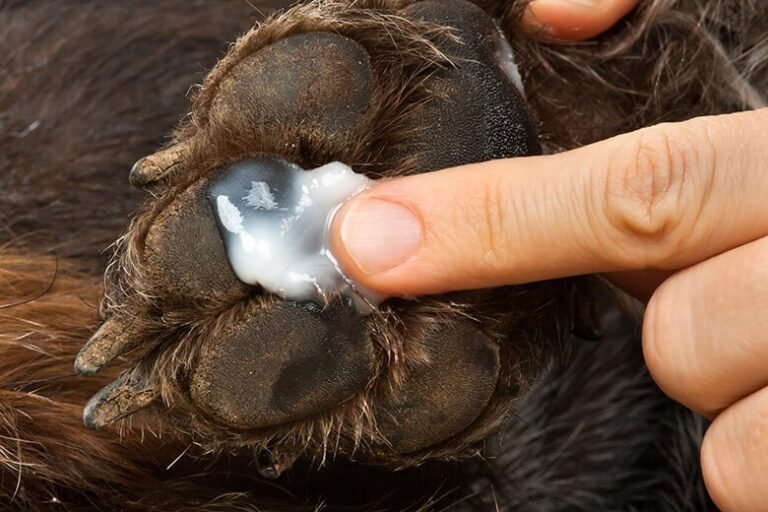
Clean the paw gently with water, dry it thoroughly, and apply a thin layer of plain hydrocortisone cream to the affected area. Use only enough to lightly cover the skin.
Source: animalia-life.club
Clean First
Remove dirt and debris before treatment.
Apply Sparingly
A thin layer is usually sufficient.
Prevent Licking
Use an Elizabethan collar, protective boot, or close supervision.
Why Licking Is a Concern
Dogs naturally lick irritated paws. Excessive licking removes medication before it can work and may cause digestive upset if enough product is swallowed.
Treatment Failure
Medication is removed before absorption.
When You Should Not Use Human Hydrocortisone Cream
Hydrocortisone cream is not appropriate for every paw problem. Applying steroids to an infected area can sometimes worsen the condition by reducing the body’s local immune response.
Dogs with recurring paw problems often need a proper diagnosis rather than repeated symptom management. Delaying treatment can allow underlying issues to progress.
Source: animalia-life.club
Open Wounds
Avoid use unless specifically directed by a veterinarian.
Suspected Infection
Redness with discharge, odor, or swelling needs veterinary evaluation.
Severe Symptoms
Limping, severe pain, or extensive swelling require prompt care.
Possible Side Effects
Side effects may include skin thinning with prolonged use, irritation, increased licking, or digestive upset if the cream is ingested.
Long-Term Use Risk
Repeated application may damage delicate skin.
Decision Guide for Dog Paw Problems
The best treatment depends on the underlying cause of the paw irritation. Hydrocortisone is only one possible tool and may not be the correct solution.
Use the table below as a general guide, but seek veterinary advice whenever symptoms are severe, persistent, or worsening.
Source: dogtemperament.com
Mild Itching
Hydrocortisone may provide temporary relief.
Persistent Problems
Professional diagnosis is recommended.
Common Paw Conditions
Mild allergy-related itching may respond to hydrocortisone, while infections, injuries, burns, and foreign objects typically require different treatments.
Key Rule
Treat the cause, not just the symptom.
When to Call a Veterinarian
Contact a veterinarian if the paw remains irritated after a few days, if symptoms worsen, or if your dog develops limping, bleeding, discharge, or significant swelling.
Dogs that repeatedly lick their paws often have allergies, infections, pain, or other medical conditions that require targeted treatment.
Source: animalia-life.club
Urgent Signs
Severe swelling, bleeding, inability to walk normally, or signs of infection.
Recurring Symptoms
Repeated paw irritation should be professionally evaluated.
Benefits of Early Evaluation
Prompt diagnosis can prevent chronic skin damage, recurring infections, and ongoing discomfort while helping identify the true cause of the problem.
Better Outcome
Early treatment often resolves problems more quickly.
Frequently Asked Questions
Q
Can I put 1% hydrocortisone cream on my dog’s paw?
In many cases, a plain 1% hydrocortisone cream can be used for mild irritation, but it should be applied sparingly and only when the dog cannot immediately lick it off.
Q
What happens if my dog licks hydrocortisone cream?
A small amount may cause mild digestive upset such as drooling, vomiting, or diarrhea. Larger amounts or repeated ingestion warrant veterinary advice.
Q
Can hydrocortisone cream treat a dog paw infection?
No. Hydrocortisone reduces inflammation but does not eliminate bacterial or fungal infections. Veterinary treatment is usually required for infected paws.
Q
How often can I apply hydrocortisone cream to my dog’s paw?
Follow veterinary instructions or product guidance. Prolonged or excessive use can increase the risk of skin irritation and other side effects.
Q
Are there safer alternatives for itchy dog paws?
Depending on the cause, veterinarians may recommend medicated wipes, allergy treatments, paw balms, antiseptic products, or prescription medications designed specifically for dogs.
✦ Wrapping Up
Conclusion
If you are wondering, can i use human hydrocortisone cream on my dog paw, the answer is that it may be appropriate for mild itching and inflammation when used carefully and for a short period. The product should be plain hydrocortisone cream, applied sparingly, and protected from licking.
Hydrocortisone is not a cure for infections, injuries, burns, or chronic paw problems. When symptoms are severe, persistent, or recurring, veterinary evaluation is the safest and most effective option.
💡 Key Takeaway
Use hydrocortisone cream only for mild, temporary paw irritation, prevent licking after application, and contact a veterinarian if symptoms persist or worsen.
Learn how to treat cracked dog paws safely at home. Discover common causes, step-by-step treatment, prevention tips, and signs that require veterinary care.
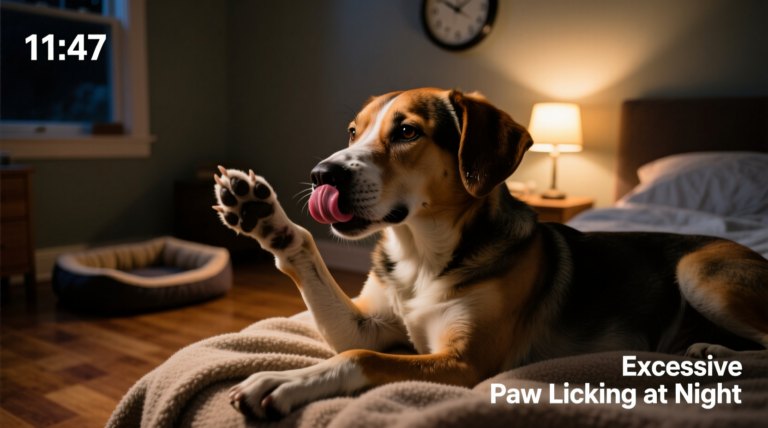
Why does your dog chew his paws at night? Learn the most common causes, including allergies, parasites, injury, infection, and anxiety, plus when to see a veterinarian.
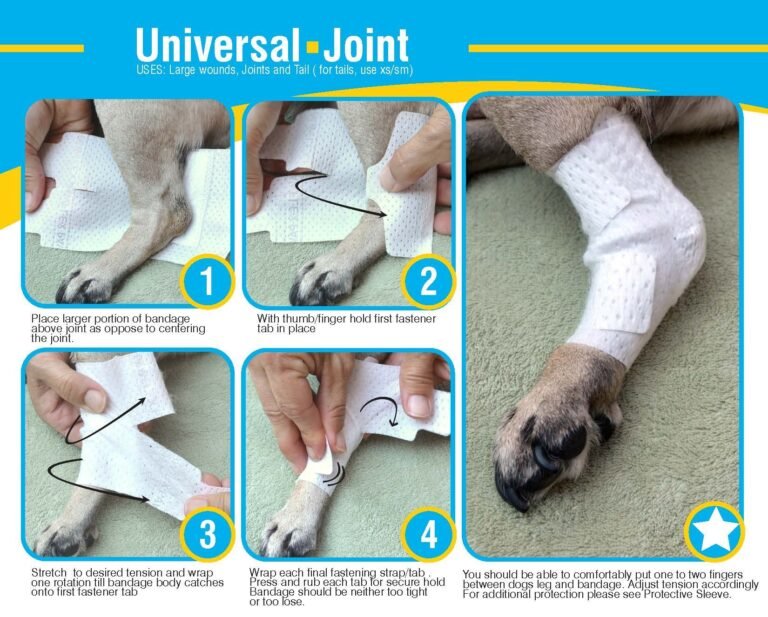
Learn what to do when a dog’s paw swells under a bandage, how to recognize circulation problems, when to contact a veterinarian, and how to prevent a bandage from becoming too tight.
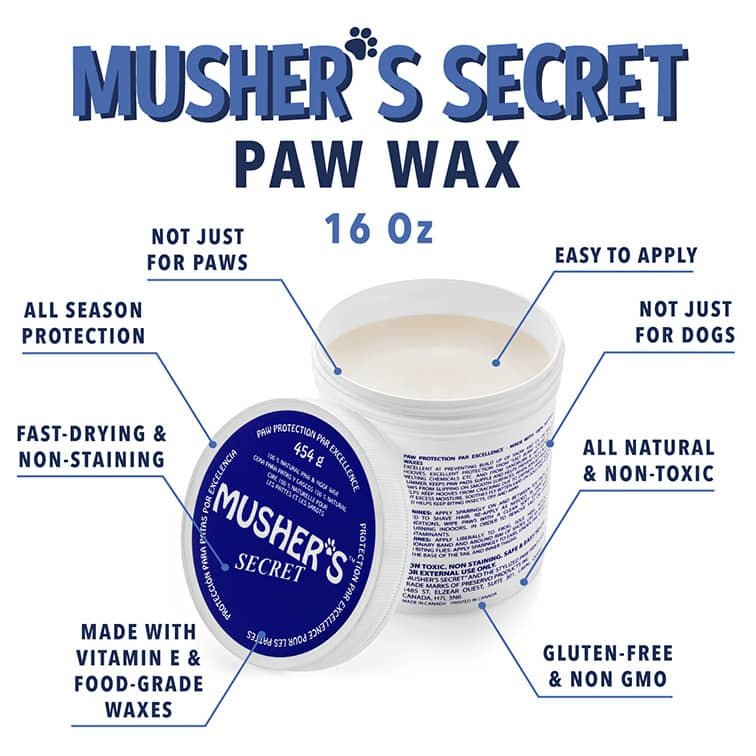
Learn how to apply Mushers Secret to dogs paws correctly. Follow step-by-step instructions, safety tips, troubleshooting advice, and best practices for year-round paw protection.
Learn how to treat smelly dog paws, including safe cleaning, drying, odor causes, yeast and bacterial infection signs, prevention, and when veterinary care is needed.