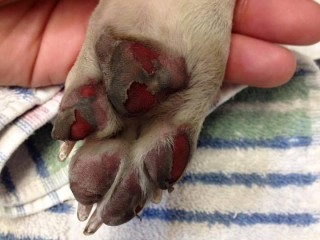
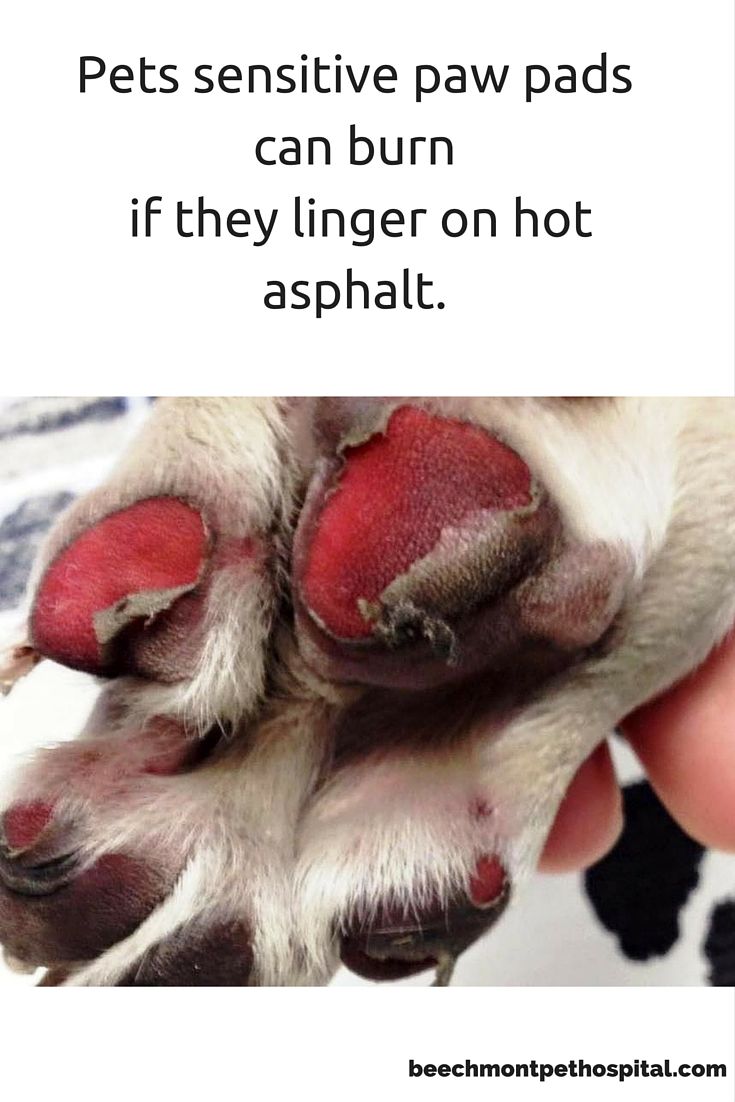
Burnt dog paws can look red, swollen, blistered, raw, peeling, discolored, or have exposed paw-pad tissue.
For dog owners in the United States, burnt paw pads are a common concern during hot summer walks, especially when dogs walk on heated asphalt, concrete, artificial turf, or other outdoor surfaces. Chemical exposure and very hot objects can also injure the pads. The appearance can range from mild redness to blistering, peeling, open wounds, or deeper tissue damage.
If you are wondering what do burnt dog paws look like, look for changes in both appearance and behavior. A dog may suddenly limp, lift a paw, lick or chew the pads, or refuse to walk. Some serious burns can worsen after the original exposure, so an apparently small injury should not automatically be considered harmless.
Source: articles.hepper.com
What Do Burnt Dog Paws Look Like?
Burnt dog paws can have several visible changes depending on the heat, chemical, contact time, and depth of the injury. Mild burns may cause redness and tenderness, while more serious burns can produce swelling, blisters, peeling skin, raw areas, or exposed tissue.
A burned paw may also look unusually shiny, moist, cracked, or discolored. In deeper burns, damaged tissue may become white, gray, brown, or black. Because deeper tissue damage can develop over time, the paw may look less severe immediately after the exposure than it does later.
The location matters, too. A burn may affect one or more paw pads, the spaces around the toes, or other parts of the foot that contacted the hot or corrosive surface.
Source: storage.googleapis.com
Red or pink pads
Redness can occur with a superficial burn or irritation. It is more concerning when it is accompanied by pain, swelling, limping, or persistent licking.
Swollen pads
Burned tissue may become swollen and tender. Swelling can make normal walking uncomfortable.
Blisters
Fluid-filled blisters can occur with partial-thickness burns. Do not intentionally pop them because damaged tissue is more vulnerable to infection.
Peeling or raw skin
A damaged paw pad may peel, crack, or lose its outer surface, leaving sensitive tissue underneath.
White, gray, brown, or black tissue
Marked discoloration can indicate more severe tissue damage. Black or leathery tissue can represent dead tissue and needs veterinary assessment.
How Burned Paw Pads Can Change Over Time
A paw burn does not always reveal its full severity immediately. Heat can damage tissue beneath the visible surface, and some injured tissue may deteriorate over the following days.
For that reason, monitor the paw after the exposure. Increasing redness, swelling, pain, discharge, odor, blistering, peeling, or darkening should prompt a call to your veterinarian rather than continued observation at home.
Early appearance
The pad may look red, swollen, shiny, or unusually sensitive.
Developing injury
Blisters, peeling, raw areas, or worsening discoloration may become more visible as damaged tissue changes.
Severe damage
Deep burns may produce exposed tissue or hard, dark, leathery areas and can require professional wound care.
Signs Your Dog’s Paw May Be Burned
Appearance alone is not the only clue. Dogs with painful paw burns often change how they use the affected foot. A dog may limp, stop walking, hold one paw up, or repeatedly lick or chew the pads.
These behaviors are not specific to burns. Cuts, punctures, allergies, infections, foreign objects, and other paw problems can cause similar signs. The timing and exposure history help determine whether a burn is likely.
Source: greatpetcare.com
Sudden limping
A dog that begins limping shortly after walking on a hot surface may have a painful paw injury.
Repeated paw licking
Persistent licking can indicate pain, irritation, or inflammation and deserves closer inspection.
Refusing to walk
A dog that suddenly refuses to put weight on a paw may have a more painful injury that needs veterinary assessment.
Paw sensitivity
Your dog may pull away, become restless, or react when the affected paw is touched.
Visible pad damage
Redness, swelling, blisters, peeling, cracks, raw tissue, or abnormal discoloration are important physical clues.
Burns Versus Other Paw Problems
A paw that looks red or irritated is not automatically burned. Allergies and pododermatitis can cause redness, licking, swelling, cracking, and inflammation. Cuts and punctures can also cause limping and visible damage.
A sudden change immediately after walking on hot pavement or contacting a hot surface makes a thermal burn more plausible. If there was no known heat exposure, a veterinarian may need to investigate other causes.
More suggestive of a burn
Signs begin soon after exposure to hot pavement, concrete, sand, metal, or another heat source.
More suggestive of another problem
Paw irritation develops gradually, affects multiple paws, or occurs without a known heat or chemical exposure.
What Causes Burnt Dog Paws?
Hot outdoor surfaces are a major cause of paw-pad burns. Asphalt, concrete, artificial turf, sand, and metal can become much hotter than the surrounding air. A surface that feels manageable in the shade can still be dangerously hot in direct sunlight.
Dogs can also burn their paws by stepping on hot objects or surfaces indoors or outdoors. Chemical burns are another possibility when a paw contacts a corrosive substance. The correct first-aid approach can differ for chemical exposures, so identifying the substance is useful when it can be done safely.
Source: animalia-life.club
Hot pavement
Asphalt and other hard surfaces can heat rapidly during warm weather and may burn paw pads during a walk.
Hot sand or artificial turf
Outdoor recreational surfaces can retain substantial heat and may injure exposed paw pads.
Hot metal
Metal surfaces can become extremely hot in sunlight and can cause rapid contact burns.
Hot objects
Grills, fire pits, heated equipment, and other hot objects can burn a paw after brief contact.
Chemical exposure
Corrosive substances can injure paw pads and surrounding skin. The substance should be identified for appropriate veterinary guidance.
Why Summer Pavement Can Burn Paw Pads
Paw pads are thick and durable, but they are not immune to heat injury. During hot U.S. summer weather, pavement can become substantially hotter than the air and remain hot after the sun has begun to fall.
A practical check is to place the back of your hand on the walking surface for several seconds. If the surface is too hot for comfortable contact, choose a cooler route, walk during a cooler part of the day, or use another safe option.
Choose cooler surfaces
Grass and shaded routes can reduce direct contact with overheated pavement.
Change the walking time
Early morning or later evening walks can reduce exposure to peak surface temperatures.
Watch your dog’s behavior
Sudden slowing, limping, paw lifting, or refusal to continue can signal that the surface is causing discomfort.
How to Help a Dog With a Burned Paw
If you suspect a thermal burn, first move your dog away from the heat source. For a paw-pad burn, gently cool the affected foot with cool or room-temperature water. Avoid ice because extreme cold can further injure damaged tissue.
After cooling the paw, contact your veterinarian for advice. Burned paw pads can be painful and may worsen after the initial exposure. Veterinary evaluation is especially important when there are blisters, exposed tissue, marked discoloration, severe pain, or difficulty walking.
Source: animalia-life.club
1. Stop the exposure
Move your dog away from hot pavement, a heated object, or the suspected source of injury.
2. Cool a thermal burn
Use cool or room-temperature water to soothe the affected paw. Do not use ice or ice-cold water.
3. Avoid home remedies
Do not apply butter, petroleum jelly, human burn creams, or other products unless your veterinarian specifically recommends them.
4. Prevent further walking
Limit activity so the damaged pad is not repeatedly traumatized by walking.
5. Contact your veterinarian
Ask for veterinary guidance even when the injury initially appears small, because burn depth can be difficult to judge from the surface.
When a Burned Paw Needs Urgent Veterinary Care
Seek prompt veterinary care when the paw has severe pain, large blisters, exposed tissue, significant peeling, deep wounds, marked discoloration, or black or leathery tissue. Veterinary assessment is also appropriate when your dog cannot walk normally or the injury is worsening.
If the burn involves a large area, multiple body regions, the face, or other serious injuries, treat the situation as an emergency. Severe burns can cause problems beyond the visible wound.
Deep or extensive burn
Large, deep, or visibly destructive burns need professional assessment and wound management.
Black or leathery tissue
Dark, hard, leathery tissue can represent dead tissue and should be assessed by a veterinarian.
Exposed tissue
Visible tissue beneath the normal pad surface indicates significant damage.
Severe pain or inability to walk
Marked pain or refusal to bear weight can indicate a substantial injury.
Possible infection
Increasing redness, swelling, heat, discharge, odor, or worsening pain can indicate complications.
What Not to Put on Burnt Dog Paws
Avoid experimenting with household treatments when a dog’s paw is burned. Some products can trap heat, irritate damaged tissue, interfere with veterinary treatment, or be unsafe if the dog licks them.
Do not intentionally break blisters or remove damaged skin. A veterinarian can determine whether tissue needs professional cleaning, debridement, medication, or a protective dressing.
Source: storage.googleapis.com
Ice
Ice can cause additional cold injury and is not recommended for cooling a burn.
Butter
Butter is not an appropriate burn treatment and can contaminate the injured area.
Petroleum jelly
Do not use petroleum jelly on a fresh burn unless your veterinarian specifically tells you to use it.
Human burn creams
Human topical products may not be appropriate for dogs and can be harmful if licked or applied incorrectly.
Peroxide or harsh disinfectants
Harsh products can damage already injured tissue and may delay healing.
Why You Should Not Pop Burn Blisters
A blister forms as part of the body’s response to tissue injury. Opening it creates another route for contamination and can increase the risk of infection. Leave the blister intact unless a veterinarian directs otherwise.
Protect the damaged area
Prevent additional friction and licking while arranging appropriate veterinary care.
Follow veterinary instructions
If a dressing, medication, or bandage is recommended, use it exactly as directed.
How to Prevent Burned Dog Paw Pads
The simplest way to prevent burnt dog paws is to avoid walking on surfaces that are too hot for comfortable contact. During hot weather, check the walking surface before leaving and choose shaded or cooler routes when needed.
Prevention also means watching your dog’s behavior. If your dog starts slowing down, lifting a paw, limping, or trying to avoid the surface, stop the walk and move to a cooler area.
Source: naturaldog.com
Check the pavement
Use your hand to assess whether the walking surface feels safely comfortable before allowing your dog to walk on it.
Walk at cooler times
Early morning and later evening can reduce exposure to intensely heated outdoor surfaces.
Use shaded routes
Shade can help reduce surface temperature compared with direct sun.
Carry water
Water supports hydration during warm-weather outings, although it does not make a hot surface safe.
Inspect paws after walks
A quick check can reveal redness, cuts, cracks, foreign material, or other changes before they become more serious.
What If the Pavement Feels Too Hot?
Do not rely on air temperature alone. Pavement and other surfaces can become substantially hotter than the surrounding air. If the surface is uncomfortable to touch, choose another route or delay the walk.
Paw protection products may help in some situations, but they should fit correctly and should not be treated as permission to walk a dog on dangerously hot surfaces. The safest option is to avoid the heat source.
Change the route
Move to grass, shade, or another surface that is safe for your dog’s paws.
Shorten the outing
A shorter walk can reduce exposure when weather conditions are becoming uncomfortable.
Postpone the walk
If safe surfaces are unavailable, exercise later when conditions improve.
How Burned Dog Paws Differ by Severity
The appearance of a burned paw can provide clues about severity, but visual inspection cannot reliably determine the full depth of a burn. A veterinarian may need to reassess the injury as damaged tissue changes.
Use the following table as a general guide rather than a diagnosis. Any burn that causes substantial pain, visible tissue damage, or worsening symptoms deserves veterinary attention.
Source: storage.googleapis.com
Mild superficial injury
The paw may appear red, tender, or mildly irritated without major loss of the pad surface.
Partial-thickness injury
The paw may become swollen, blistered, moist, raw, or partially peeled.
Deep injury
The tissue may appear white, gray, brown, or black, and deeper structures may be exposed or severely damaged.
A Simple Visual Guide
If the paw is simply red and mildly tender, contact your veterinarian for advice and monitor it closely. Blisters, peeling, open areas, or significant swelling increase the need for professional assessment.
If the paw has black, white, gray, or charred-looking tissue, exposed tissue, severe swelling, or intense pain, do not rely on home care alone. These signs can indicate a deeper burn.
Red and tender
May occur with a superficial burn but still requires monitoring.
Blistered or peeling
Suggests greater tissue injury and warrants veterinary guidance.
Raw or exposed
Indicates loss of the normal protective surface and needs professional assessment.
White, gray, or black
Can indicate serious tissue damage and should be evaluated promptly.
Frequently Asked Questions
Q
What do burnt dog paws look like at first?
Early paw burns may look red, swollen, shiny, or irritated. Your dog may also lick the paw, limp, hold it up, or become reluctant to walk.
The initial appearance does not always show the full depth of the injury, so worsening symptoms should be taken seriously.
Q
Can a dog’s paw pads blister from hot pavement?
Yes. Hot pavement can cause burns that produce blisters, swelling, redness, and damaged or peeling pad tissue.
Do not pop a blister yourself. Contact your veterinarian for guidance, particularly if the blister is large, painful, or accompanied by other visible damage.
Q
How can I tell if my dog’s paws are burned or just irritated?
Timing can provide an important clue. Sudden paw pain after walking on hot pavement or another heated surface is more suggestive of a thermal burn, while irritation that develops gradually can have other causes.
Because allergies, infections, cuts, foreign objects, and other conditions can look similar, persistent or significant symptoms should be evaluated by a veterinarian.
Q
Should I put ice on my dog’s burned paw?
No. Ice and very cold water can cause additional tissue injury. For a thermal paw burn, use cool or room-temperature water to cool the affected area and then contact your veterinarian.
Do not use household burn remedies unless your veterinarian specifically recommends them.
Q
When should I take my dog to the vet for a burned paw?
Seek veterinary care when the paw is blistered, peeling, raw, deeply discolored, bleeding, severely painful, or associated with significant limping or refusal to walk.
Black or leathery tissue, exposed tissue, worsening swelling, discharge, foul odor, or increasing pain are especially concerning. Severe or extensive burns should be treated as urgent veterinary problems.
Q
Can burnt dog paws heal on their own?
Very superficial burns may heal with appropriate protection and monitoring, but it is difficult to judge burn depth from appearance alone. Paw pads also experience repeated pressure during normal walking, which can interfere with healing.
Veterinary guidance is the safest approach when the injury is more than mild, when symptoms worsen, or when the paw has visible tissue damage.
✦ Wrapping Up
Conclusion
Burnt dog paws may look red, swollen, blistered, raw, peeling, cracked, or unusually discolored. Severe burns can cause exposed tissue or white, gray, brown, or black areas. Because burn damage can progress after the initial exposure, appearance alone should not be used to rule out a serious injury.
If you suspect a thermal burn, move your dog away from the hot surface and cool the paw with cool or room-temperature water. Avoid ice and unapproved household products, limit walking, and contact your veterinarian when the injury is painful, blistered, peeling, discolored, extensive, or worsening.
💡 Key Takeaway
Check your dog’s paws after hot-weather walks, stop exposure when a surface feels too hot, and seek veterinary care for blistering, exposed tissue, severe pain, or abnormal discoloration.
Learn how to stop my dog from chewing his paws with practical steps, common causes, home care tips, and guidance on when veterinary treatment is needed.
Learn how to keep dog’s paws from getting muddy with proven strategies, paw protection methods, grooming tips, and easy cleanup routines for cleaner homes and healthier paws.
Why does your dog chew his paws at night? Learn the most common causes, including allergies, parasites, injury, infection, and anxiety, plus when to see a veterinarian.