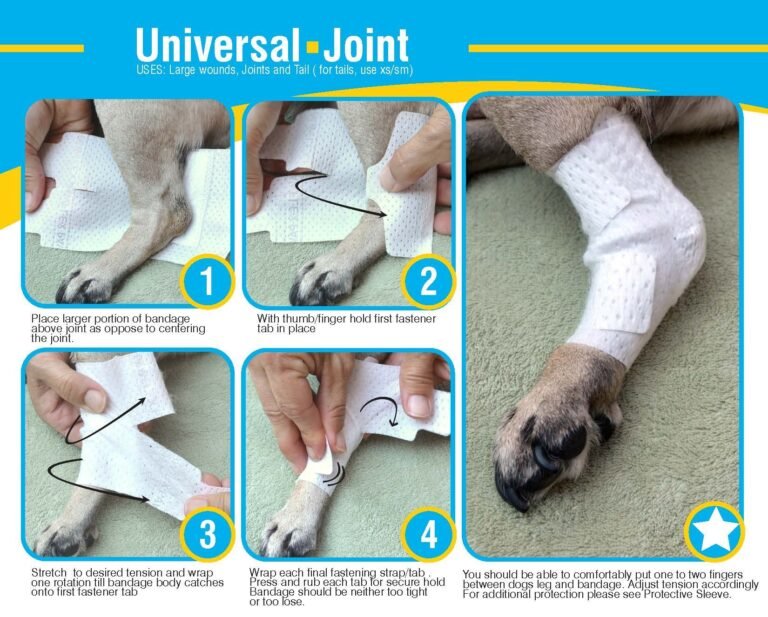
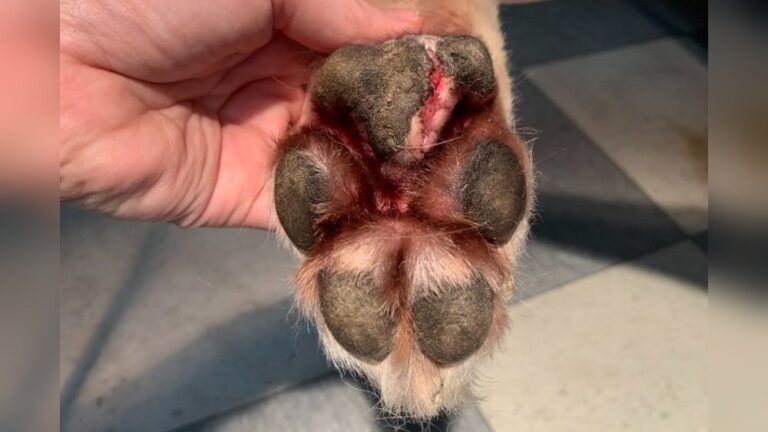
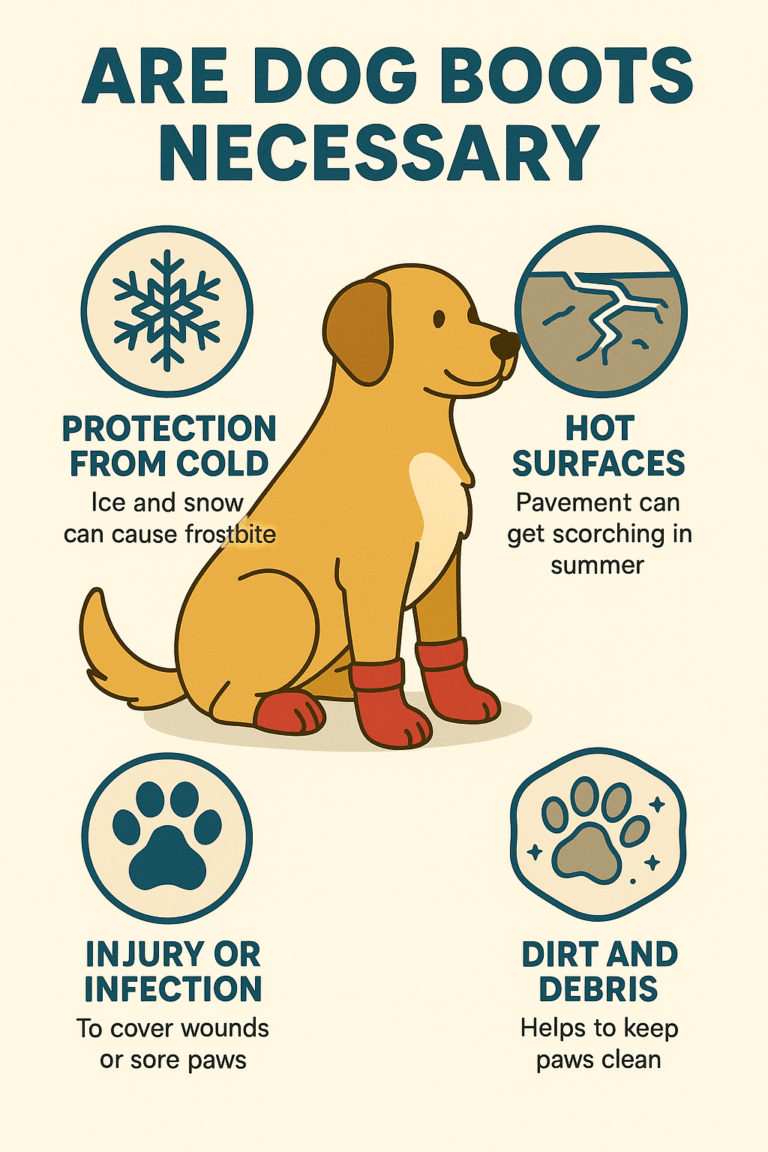
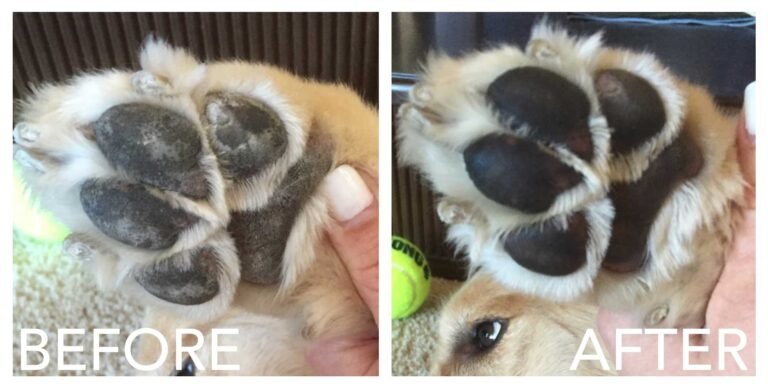
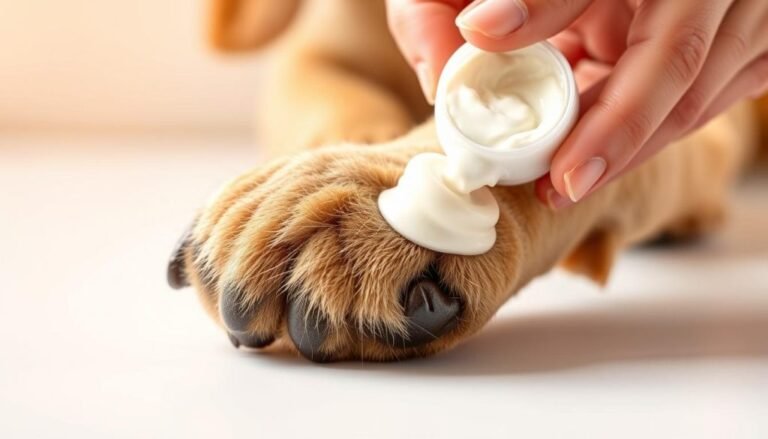
Keep dog paws warm in snow by limiting exposure, using protective gear, maintaining paw health, and drying paws after every outing.
Across many parts of the United States, winter weather brings snow, ice, freezing temperatures, and deicing chemicals that can irritate or injure a dog’s paws. Owners often focus on keeping their dog’s body warm but overlook the paws, which are in direct contact with frozen surfaces.
Understanding how to keep dog paws warm in snow helps reduce discomfort, prevent cold-related injuries, and make winter walks safer. The best approach combines protective equipment, proper grooming, sensible walk planning, and routine paw inspections.
Source: thedogkennelcollection.com
Why Dog Paws Get Cold in Snow
Although dogs have specialized paw pads, prolonged exposure to snow and ice can still cause discomfort. Cold surfaces gradually lower paw temperature and may lead to cracking, irritation, or frostbite in severe conditions.
Snow can also accumulate between the toes, forming icy clumps that increase heat loss and make walking painful. Wind chill and wet conditions further increase the risk.
Source: germanshepherddog.info
Cold Surface Contact
Direct contact with snow and ice removes heat from the paw pads.
Ice Buildup
Snow trapped between toes can freeze and create painful ice balls.
Chemical Exposure
Road salt and deicers may irritate paws and worsen winter discomfort.
Signs Your Dog’s Paws Are Too Cold
Watch for limping, lifting paws repeatedly, excessive licking, slowing down, reluctance to walk, or visible redness. These signs indicate that your dog may need immediate warming and a break from the cold.
Behavior Changes
Stopping frequently or refusing to continue walking can indicate discomfort.
Use Dog Boots for Maximum Warmth
Dog boots are one of the most effective ways to keep paws warm in snow. They create a barrier between the paw and frozen ground while reducing exposure to ice, slush, and salt.
A properly fitted boot should stay secure without restricting circulation. Dogs often need a short adjustment period before becoming comfortable wearing boots.
Source: drpashu.com
Insulation
Helps reduce heat loss during winter walks.
Water Resistance
Keeps paws drier when walking through slush and wet snow.
Traction
Can improve grip on slippery surfaces.
When Boots Are Most Useful
Boots are especially helpful during long walks, deep snow, mountain trips, and periods of extreme cold when exposure times increase.
Extreme Conditions
Use boots whenever snow and ice exposure is prolonged.
Apply Paw Balm Before Going Outside
Paw balms help moisturize paw pads and provide a protective coating against cold, snow, and salt. While they do not replace boots, they can improve comfort during winter outings.
Apply a thin layer before walks and inspect the paws afterward. Consistent use may reduce cracking and dryness during the winter season.
Source: rexipets.com
Moisture Protection
Helps prevent excessive drying of paw pads.
Comfort
May reduce irritation caused by snow and ice.
Choosing a Safe Paw Balm
Select products designed specifically for dogs and avoid applying products that contain ingredients not intended for pets.
Pet-Specific Formulas
Designed for dogs that may lick their paws.
Adjust Walk Length and Timing
One of the simplest ways to keep dog paws warm in snow is to reduce exposure time. Shorter walks help limit heat loss and lower the chance of cold-related injuries.
Try scheduling walks during the warmest part of the day. Sunny afternoons are often safer than early mornings or late evenings during winter.
Puppies, senior dogs, small breeds, and dogs with health conditions may become cold more quickly and often benefit from additional precautions.
Higher Risk Groups
Monitor vulnerable dogs more closely during winter activities.
Clean and Dry Paws After Every Walk
Post-walk care is essential. Snow, ice, moisture, and deicing chemicals can remain on the paws and continue causing irritation even after returning indoors.
Use a towel to thoroughly dry the paws, inspect between the toes, and remove any ice balls or debris. Regular inspections help identify small issues before they become larger injuries.
Source: alloftheanimals.com
Remove Salt
Helps prevent irritation and accidental ingestion from licking.
Check for Damage
Look for cracks, redness, cuts, or swelling.
When to Contact a Veterinarian
Seek veterinary care if your dog shows persistent limping, bleeding, swelling, severe cracking, or signs of frostbite after cold exposure.
Persistent Symptoms
Professional evaluation may be needed when discomfort continues.
Frequently Asked Questions
Q
How cold is too cold for dog paws?
The answer varies by breed, age, coat type, health status, and exposure duration. If your dog shows signs of discomfort, shorten the walk and warm the paws immediately.
Q
Do all dogs need boots in snow?
Not every dog requires boots, but they provide significant protection during long walks, deep snow, icy conditions, and extreme cold.
Q
Can snow cause injuries to dog paws?
Yes. Snow and ice can contribute to cracking, irritation, cuts, and in severe cases frostbite if exposure is prolonged.
Q
How often should I inspect my dog’s paws in winter?
Check your dog’s paws after every winter walk. Frequent inspections help detect problems before they become serious.
Q
What should I do if my dog refuses to wear boots?
Introduce boots gradually with short indoor sessions and positive reinforcement. If boots are not tolerated, use paw balm and reduce outdoor exposure during severe weather.
✦ Wrapping Up
Conclusion
Learning how to keep dog paws warm in snow involves combining prevention, protection, and regular paw care. The most effective strategy is to minimize direct exposure to cold surfaces while maintaining healthy paw pads.
Dog boots, paw balms, shorter walks, and post-walk inspections work together to reduce winter risks and improve your dog’s comfort during snowy weather.
💡 Key Takeaway
Before your next winter walk, protect your dog’s paws with appropriate gear, monitor exposure time, and always inspect and dry the paws afterward.
Learn what to do when a dog’s paw swells under a bandage, how to recognize circulation problems, when to contact a veterinarian, and how to prevent a bandage from becoming too tight.
Learn how to treat a deep cut on dog paw with safe first aid steps, bandaging tips, infection warning signs, and guidance on when emergency veterinary care is needed.
Learn how to treat scraped dog paws safely at home, when to see a veterinarian, how to prevent infection, and how to help your dog recover comfortably.
Learn how to treat dog paws burn from pavement with safe first aid steps, recovery tips, warning signs, and prevention methods to protect your dog’s paw pads.
Learn how to treat pododermatitis dog paw problems with step-by-step care, treatment options, home management, prevention tips, and signs that require veterinary attention.