Clean the wound, stop bleeding, bandage the paw, and monitor healing while seeking veterinary care for deep or severe cuts.
In the United States, dogs commonly suffer paw cuts from broken glass, rough pavement, metal debris, sharp rocks, and outdoor hazards found in parks, sidewalks, and backyards. Knowing how to treat a cut on a dog’s paw quickly can reduce pain, lower infection risk, and support faster healing.
Most minor paw cuts can be managed with prompt first aid at home. However, deep wounds, excessive bleeding, embedded objects, or signs of infection require professional veterinary attention. Understanding the correct treatment steps helps owners make safe decisions during an emergency.
Source: storage.googleapis.com
Assess the Paw Injury Before Starting Treatment
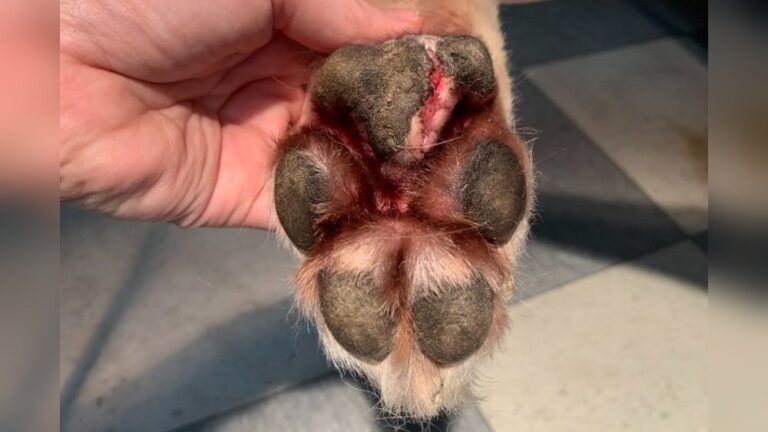
The first step in how to treat a cut on a dog’s paw is determining the severity of the injury. Some cuts affect only the outer skin, while others extend into deeper tissues, paw pads, tendons, or nail structures.
Move your dog to a calm location and inspect the paw carefully. Look for active bleeding, swelling, foreign objects, torn paw pads, or signs that the dog cannot bear weight on the foot.
Source: chowpownow.com
Minor Cut
Small wound with limited bleeding and no visible deep tissue.
Moderate Cut
Persistent bleeding, larger skin opening, or significant discomfort.
Severe Injury
Deep tissue damage, exposed structures, heavy bleeding, or inability to walk.
Signs You Need Immediate Veterinary Care
Seek emergency veterinary attention if bleeding does not stop within several minutes of pressure, if an object is embedded in the paw, or if the wound appears deep enough to require stitches.
Heavy Bleeding
Blood continues soaking through dressings.
Deep Wound
Underlying tissues are visible.
Lameness
Dog refuses to place weight on the paw.
How to Stop Bleeding From a Dog’s Paw Cut
Controlling bleeding is critical before cleaning the wound. Most minor cuts stop bleeding after several minutes of steady pressure.
Use sterile gauze or a clean cloth and apply firm but gentle pressure directly over the injury. Keep the paw elevated when possible.
Source: YouTube > Veterinary Secrets
Apply Pressure
Hold gauze against the wound continuously.
Stay Calm
Avoid repeatedly checking the wound because it can restart bleeding.
Monitor Blood Loss
Seek veterinary help if bleeding remains heavy.
What Not to Do
Do not apply alcohol, hydrogen peroxide repeatedly, or harsh chemicals directly to the wound because they may delay healing and irritate damaged tissue.
Avoid Harsh Products
Use gentle wound-cleaning solutions instead.
Clean the Cut Thoroughly
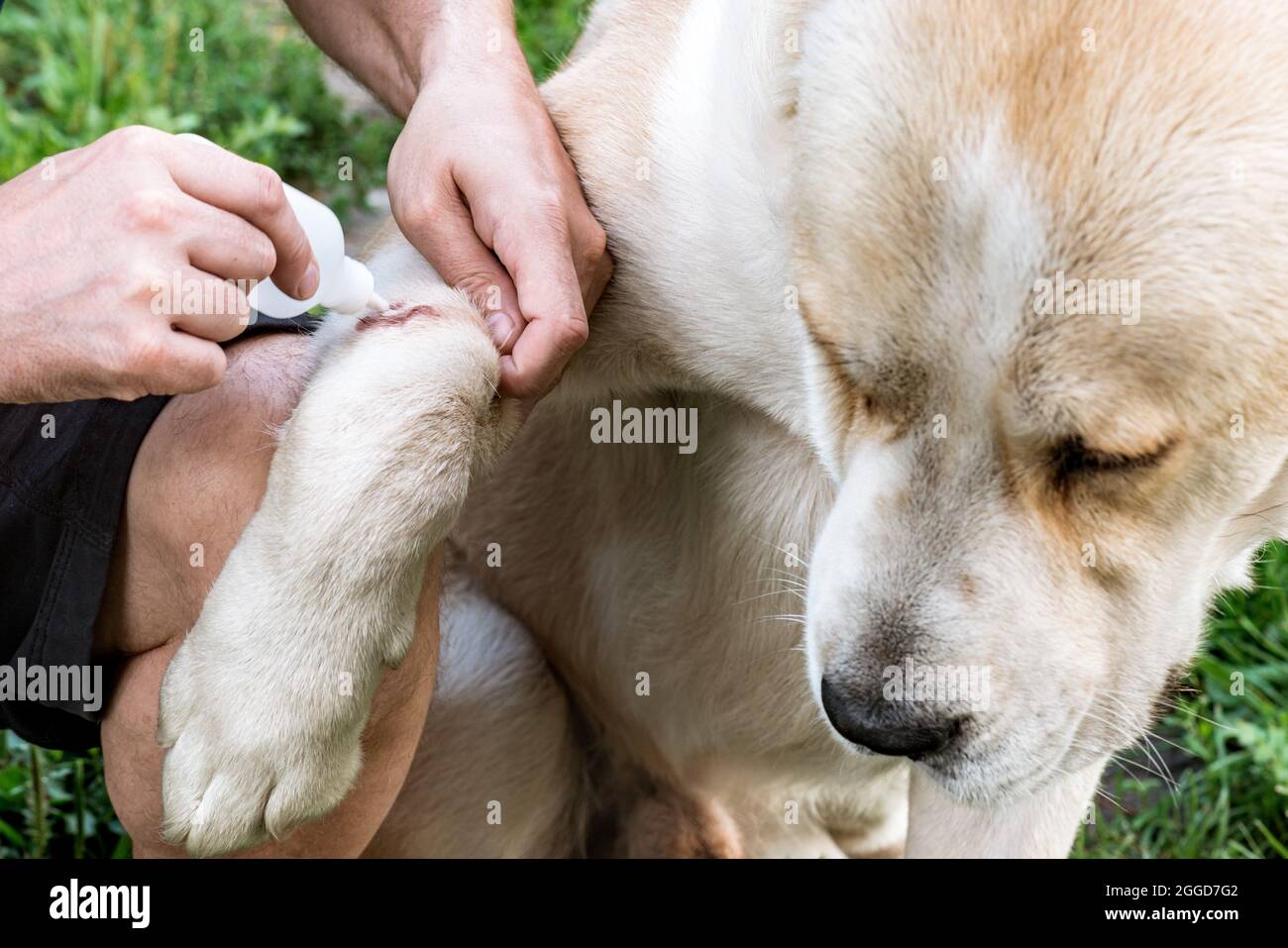
Proper cleaning helps remove dirt, bacteria, grass, gravel, and other contaminants that can cause infection. This step is essential when learning how to treat a cut on a dog’s paw.
Rinse the paw using clean lukewarm water or sterile saline. Gently flush the wound until visible debris is removed.
Source: thepetsmagazine.com
Use Saline
Helps clean the wound without irritating tissue.
Inspect Carefully
Look for glass shards, splinters, or gravel.
Pat Dry
Use clean gauze before bandaging.
Removing Foreign Material
If small debris is visible and easily accessible, it may be removed gently with clean tweezers. Deeply embedded objects should be removed by a veterinarian.
Surface Debris
May be removed carefully after cleaning.
Deep Objects
Require professional veterinary treatment.
Bandage the Paw Correctly
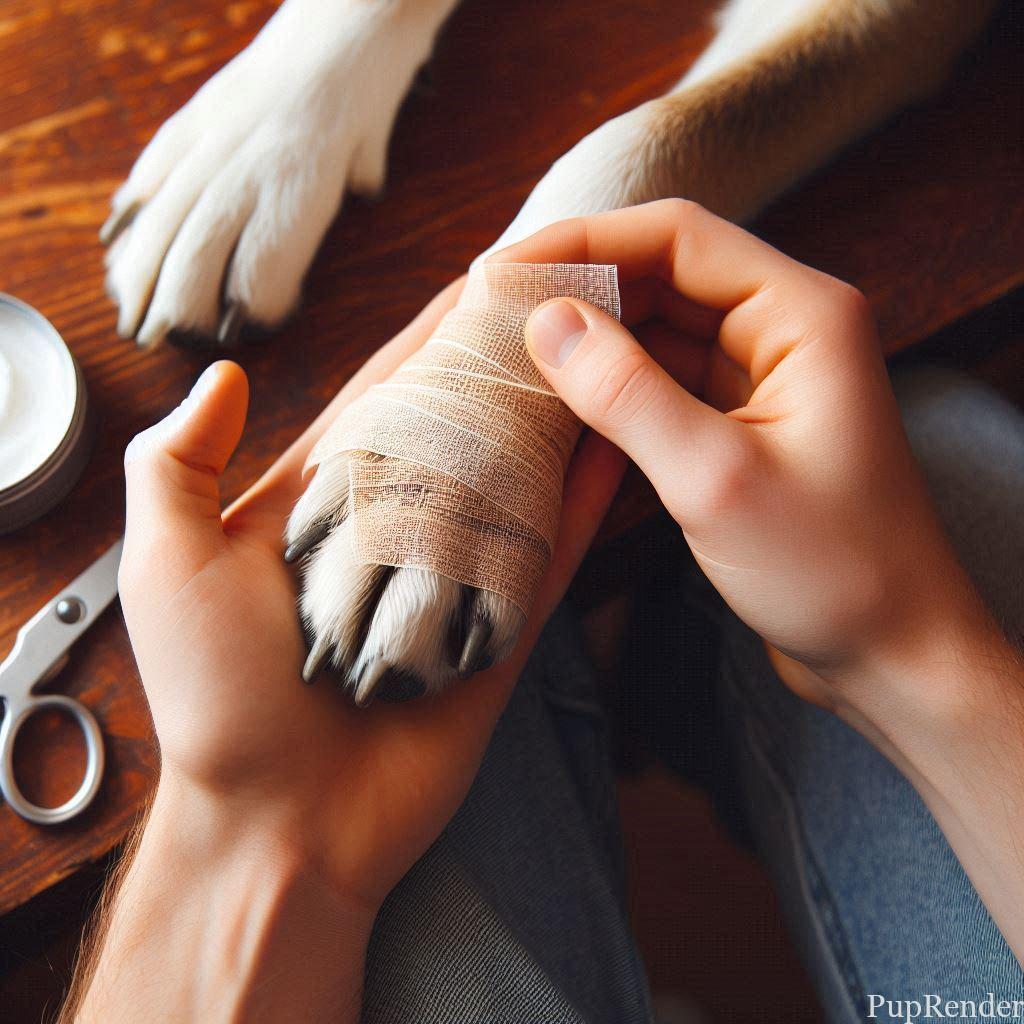
A proper bandage protects the wound from dirt and reduces further injury. Use a non-stick wound pad directly over the cut and wrap it with gauze.
The bandage should be secure but not tight enough to reduce circulation. Check the toes regularly for swelling, coldness, or discoloration.
Source: wagandcluck.com
Use Non-Stick Dressings
Prevents the wound from sticking to the bandage.
Keep It Snug
Bandage should stay in place without restricting blood flow.
Change Regularly
Replace dirty or wet bandages promptly.
Protecting the Bandage Outdoors
Use a waterproof boot or protective covering during short outdoor bathroom breaks. Remove waterproof coverings once indoors to prevent moisture buildup.
Short Outdoor Use
Use protective covers only when necessary.
Support Healing and Prevent Infection
Healing time depends on the size and depth of the cut. Small cuts may improve within several days, while deeper paw pad injuries can require weeks of recovery.
Keep the paw clean, dry, and protected. Limit vigorous exercise and monitor the wound daily for signs of infection.
Source: storage.googleapis.com
Watch for Redness
Increasing redness may indicate infection.
Prevent Licking
Use an Elizabethan collar if necessary.
Reduce Activity
Avoid running, hiking, and rough surfaces.
Signs of Successful Healing
The wound should gradually close, swelling should decrease, and your dog should become more comfortable walking on the affected paw.
Improved Comfort
Dog bears weight normally.
Healthy Tissue
Wound appears clean and dry.
Common Mistakes When Treating a Paw Cut
Many complications occur because wounds are left unprotected, cleaned improperly, or ignored after initial treatment. Recognizing these mistakes can improve recovery outcomes.
Owners should continue monitoring the paw even after bleeding stops because infection and delayed healing can develop later.
Source: puprender.com
Ignoring Deep Cuts
Serious injuries may require stitches and medication.
Allowing Excessive Licking
Can reopen the wound and introduce bacteria.
Leaving Wet Bandages
Moisture encourages bacterial growth.
When Home Treatment Fails
If swelling, discharge, pain, limping, or delayed healing develops, schedule a veterinary examination. Some paw injuries require antibiotics, pain management, or surgical repair.
Persistent Symptoms
Veterinary evaluation is recommended.
Frequently Asked Questions
Q
Can a dog’s paw cut heal on its own?
Minor superficial cuts often heal on their own with proper cleaning and protection. Larger or deeper wounds may require veterinary treatment.
Q
How long does a cut paw pad take to heal?
Small cuts may heal within one to two weeks. Deeper paw pad injuries can take several weeks depending on severity and activity level.
Q
Should I let my dog lick a paw wound?
No. Excessive licking can delay healing, introduce bacteria, and reopen the wound. Use protective measures if licking becomes a problem.
Q
Can I walk my dog with a cut paw?
Short bathroom breaks are usually acceptable for minor injuries. Limit longer walks until the wound has significantly healed.
Q
What are signs of infection in a paw cut?
Redness, swelling, warmth, discharge, foul odor, increased pain, and worsening limping are common warning signs that require veterinary attention.
✦ Wrapping Up
Conclusion
Knowing how to treat a cut on a dog’s paw allows you to respond quickly and reduce the risk of complications. Prompt cleaning, bleeding control, proper bandaging, and careful monitoring are the foundations of effective home care.
While many minor paw cuts heal successfully at home, deep wounds, persistent bleeding, infection, or severe pain require professional veterinary evaluation. Early intervention often leads to faster recovery and better outcomes.
💡 Key Takeaway
Inspect the injury immediately, clean and protect the wound, monitor healing daily, and contact a veterinarian if the cut appears deep or shows signs of infection.
Learn how to prevent foxtails in dogs’ paws with U.S.-focused tips for avoiding risky areas, grooming paws, checking between toes, and knowing when to call a veterinarian.
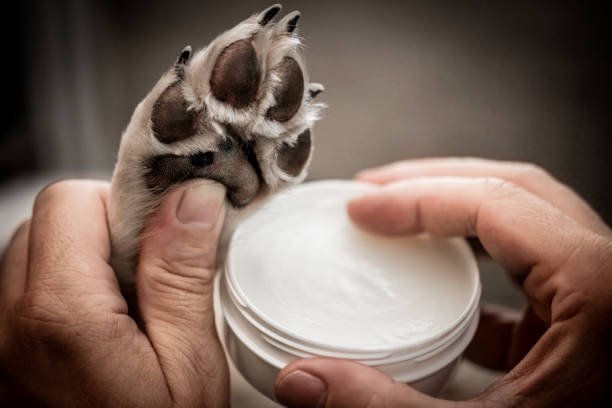
Learn what ointment is safe for dogs paws, when to use paw balms or antibiotic ointments, and how to protect cracked, dry, or irritated paw pads safely.
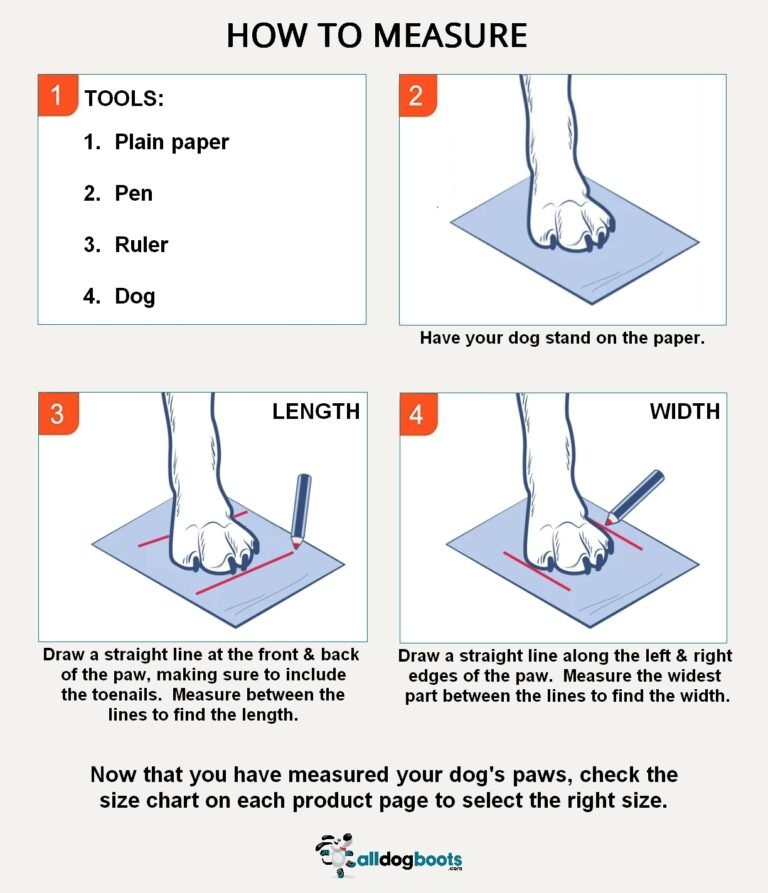
Learn how to measure dog paws for boots accurately using simple household supplies, how to choose the right size, and how to check the fit before walks.
Learn how to protect dog paws from salt during winter walks. Discover effective prevention methods, paw care tips, boot options, and safe post-walk cleaning routines.
Learn how to treat a deep cut on dog paw with safe first aid steps, bandaging tips, infection warning signs, and guidance on when emergency veterinary care is needed.