Cool the paws immediately, clean them gently, protect the pads, and seek veterinary care for severe burns.
Across the United States, hot asphalt, concrete, sand, metal surfaces, and artificial turf can reach temperatures high enough to burn a dog’s paw pads within minutes. Paw burns are especially common during summer walks, outdoor events, and midday exercise.
Understanding how to treat burned dog paws quickly can reduce pain, lower the risk of infection, and improve healing. Mild burns may respond to prompt first aid, while blistering, open wounds, severe swelling, or difficulty walking require veterinary evaluation.
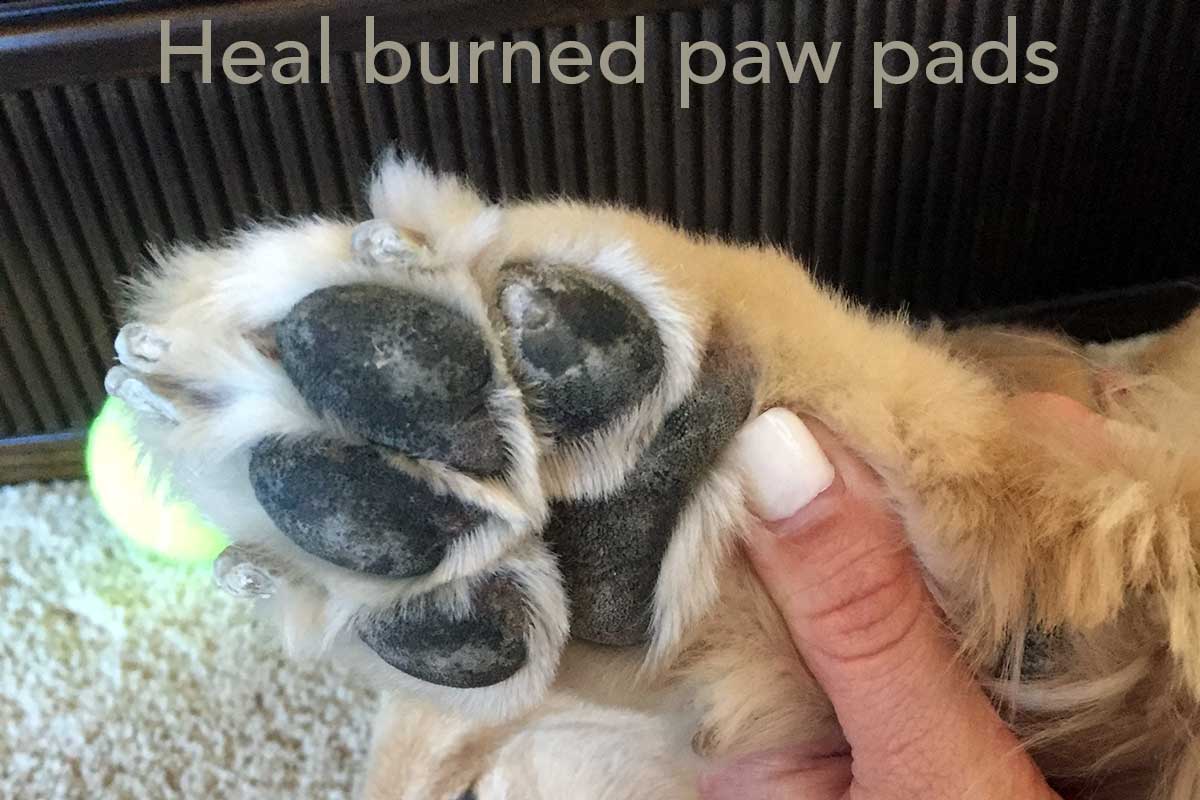
Source: naturaldog.com
What Are Burned Dog Paws?
Burned dog paws occur when paw pads are exposed to temperatures or surfaces that damage the skin and underlying tissues. Hot pavement is one of the most common causes, but burns can also occur from heated decks, metal surfaces, artificial turf, fire pits, and chemical exposure.
Paw pads are durable, but they are not heatproof. Prolonged contact with hot surfaces can cause redness, tenderness, blistering, peeling skin, and deeper tissue injury.
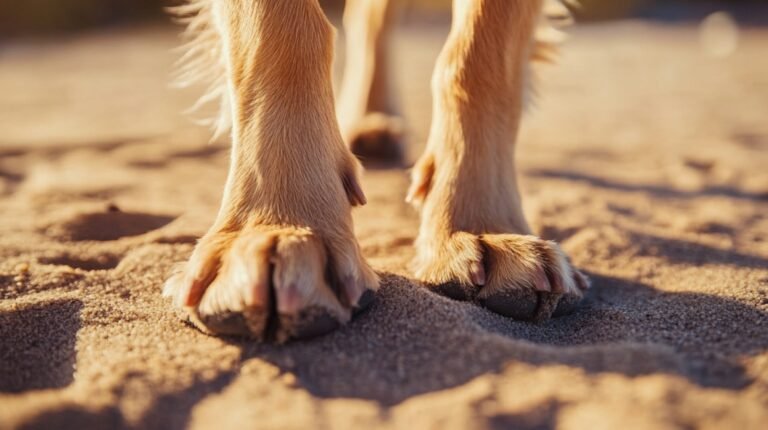
Source: cdn.mos.cms.futurecdn.net
Common cause
Walking on hot pavement during warm weather.
Common symptom
Limping or reluctance to walk.
Potential complication
Infection from damaged skin.
Signs of Paw Pad Burns
Dogs with burned paws may lick their feet excessively, hold up a paw, limp, or refuse to walk. You may also notice redness, swelling, blisters, cracks, or areas where the outer layer of the pad has peeled away.
Mild signs
Redness, sensitivity, and minor discomfort.
Severe signs
Blisters, bleeding, open wounds, or inability to bear weight.
How to Treat Burned Dog Paws Immediately
The first few minutes after a paw burn are important. Remove your dog from the heat source and begin cooling the affected paws as soon as possible.
Early first aid can reduce tissue damage and improve comfort while you assess the severity of the injury.
Source: box5557.temp.domains
Step 1
Move your dog to a cool, shaded location.
Step 2
Rinse the paws with cool running water for several minutes.
Step 3
Gently pat dry with a clean towel.
What Not to Do
Avoid applying ice directly to the burned area because extreme cold can further damage tissues. Do not pop blisters or use human burn medications unless directed by a veterinarian.
Avoid ice
Direct ice can worsen tissue injury.
Avoid picking
Damaged skin should be allowed to heal naturally.
Cleaning and Protecting the Burned Paw
After cooling the paw, inspect it carefully under good lighting. Dirt, sand, and debris should be removed gently to reduce infection risk.
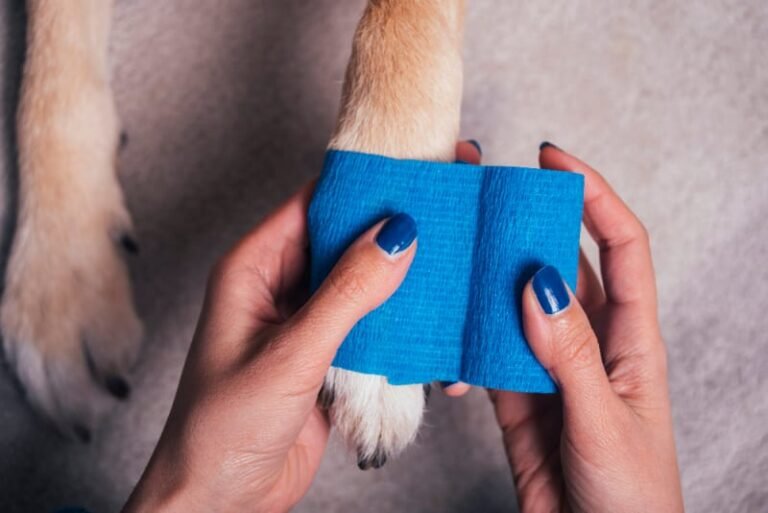
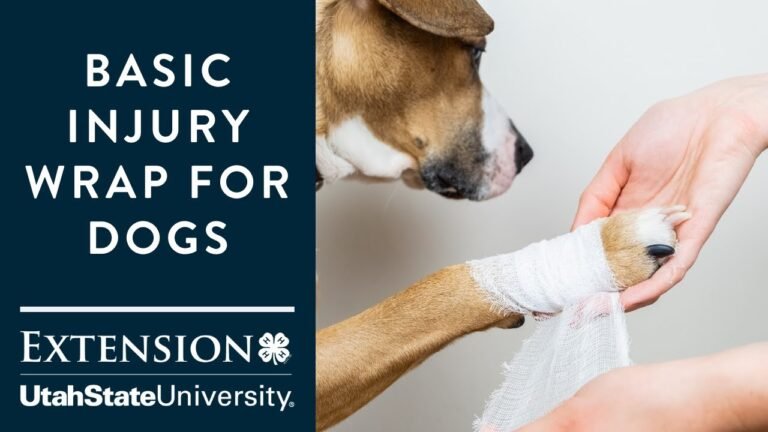
A nonstick dressing and light protective bandage may help shield the paw from contamination while healing. Bandages should not be wrapped tightly because restricted circulation can cause additional problems.
Source: i.pinimg.com
Clean carefully
Use clean water or a veterinarian-approved rinse.
Protect the wound
Use a nonstick dressing if needed.
Prevent licking
Use an e-collar if your dog will not leave the paw alone.
Signs the Paw Is Healing
Reduced redness, less limping, and gradual formation of healthy new skin are positive signs. Healing speed depends on burn severity, age, health status, and activity level.
Improvement
Pain decreases and mobility improves.
When to See a Veterinarian
Veterinary care is recommended when burns are moderate to severe, involve blisters, expose underlying tissue, or cause significant pain. Deep burns may require prescription medications, wound management, and infection control.
Prompt treatment can help prevent complications and support faster recovery.
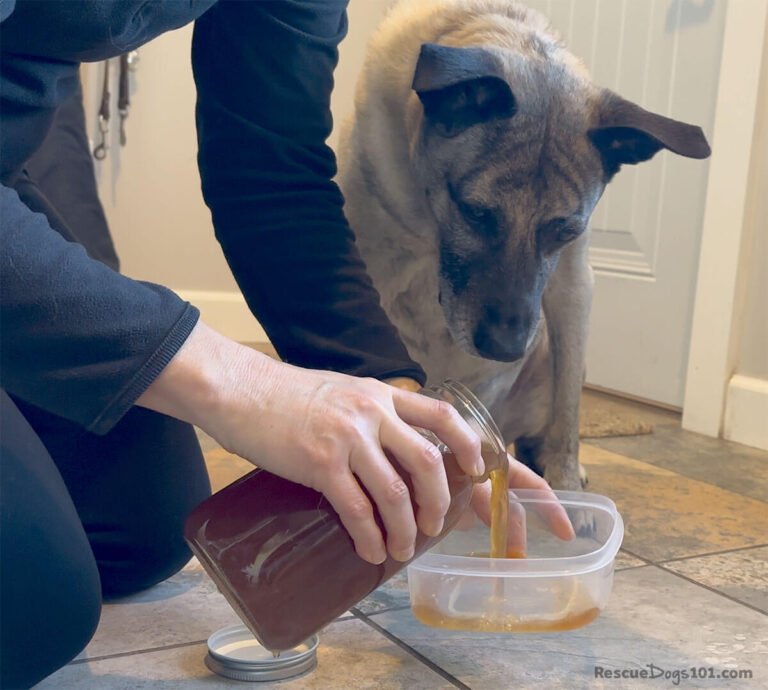
Source: cdn.shopify.com
Emergency sign
Large blisters or extensive skin loss.
Emergency sign
Persistent bleeding or severe swelling.
Emergency sign
Refusal to walk or extreme pain.
Possible Veterinary Treatments
A veterinarian may prescribe pain relief, protective dressings, antibiotics when indicated, and follow-up examinations to monitor healing.
Pain management
Helps improve comfort and mobility.
How to Prevent Burned Dog Paws
Prevention is easier than treatment. Check walking surfaces before taking your dog outside during hot weather. If the surface feels too hot for your hand, it may be unsafe for your dog’s paws.
Walk during cooler morning or evening hours, use grassy routes when available, and consider paw protection when conditions are extreme.
Source: cdn.shopify.com
Choose cooler times
Walk early in the morning or later in the evening.
Test surfaces
Check pavement temperature before walks.
Use protection
Protective dog boots can reduce heat exposure.
High-Risk Surfaces
Black asphalt, artificial turf, metal grates, concrete, and beach sand can become dangerously hot during sunny weather.
Summer caution
Monitor conditions throughout the day because temperatures can change rapidly.
Frequently Asked Questions
Q
How long do burned dog paws take to heal?
Mild burns may improve within several days, while more serious injuries can require weeks of recovery. Healing time depends on burn depth, infection risk, and treatment quality.
Q
Can I put ointment on my dog’s burned paws?
Only use products recommended by a veterinarian. Some human medications and creams may be unsafe if licked or absorbed.
Q
Should I bandage a burned dog paw?
A light protective bandage may help, but it should not be tight. Improper bandaging can cause circulation problems or worsen the injury.
Q
Can burned paw pads become infected?
Yes. Damaged skin can allow bacteria to enter the tissue. Increased redness, swelling, discharge, odor, or worsening pain may indicate infection.
Q
What temperature is too hot for dog paws?
Surface temperatures can become dangerous even when air temperatures seem moderate. Always check pavement and other walking surfaces before exercise.
✦ Wrapping Up
Conclusion
Knowing how to treat burned dog paws can help reduce pain and limit complications after exposure to hot surfaces. Immediate cooling, gentle cleaning, and appropriate wound protection are the most important first steps.
Monitor healing closely and seek veterinary care whenever burns appear severe, painful, infected, or slow to improve. Early treatment often leads to a better outcome.
💡 Key Takeaway
Move your dog off the hot surface, cool the paws with running water, protect the injury, and contact a veterinarian if burns are moderate or severe.
Learn how to protect dog paws from hot sand with practical beach safety tips, paw protection methods, warning signs of burns, and summer paw care strategies.
Learn how to treat a torn paw pad on dog with step-by-step first aid, bandaging tips, healing timelines, infection signs, and guidance on when veterinary care is needed.
Learn how to treat a sprained dog paw with safe home care, activity restriction, cold therapy, warning signs, and guidance on when your dog needs a veterinarian.
Learn how to clean dog paws naturally using water, gentle homemade solutions, and simple grooming techniques. Keep your dog’s paws clean, healthy, and comfortable after walks.
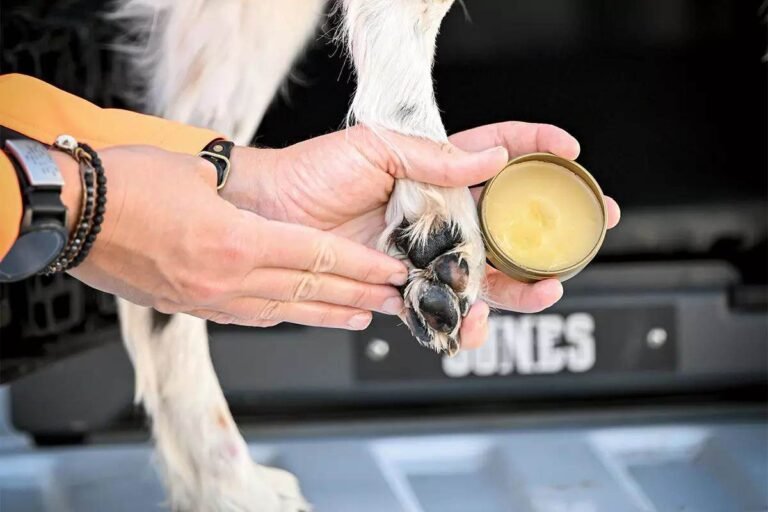
Learn how to protect dog paws without boots using paw balm, route planning, surface management, and seasonal care. Discover practical ways to keep your dog’s paws healthy year-round.