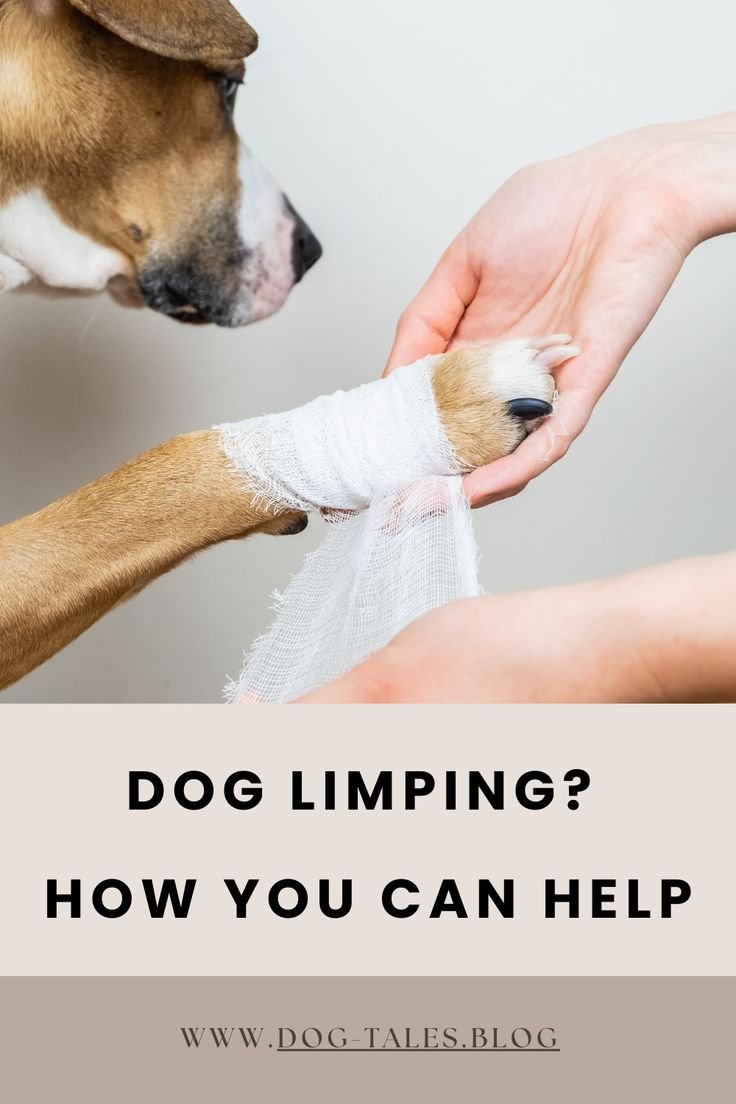
The safest way to keep a bandage on a dog’s paw is to use a properly fitted, non-slip bandage, keep it clean and dry, prevent licking or chewing, restrict activity, and check it at least twice a day for slipping, swelling, redness, odor, moisture, or changes in the toes.
For dog owners in the United States, a paw bandage is usually intended to protect an injured pad, toe, nail, or wound while it heals. A bandage that stays in place should still allow normal circulation and should never become wet, excessively tight, or contaminated. If a veterinarian placed the bandage, follow that veterinarian’s instructions for how long it should remain on and when it should be replaced.
Keeping a paw bandage secure is less about wrapping it tightly and more about using the right layers, covering the appropriate portion of the foot, controlling your dog’s activity, and preventing access to the bandage. Veterinary guidance recommends frequent inspection because a bandage that slips, becomes wet, or causes swelling can create additional problems.
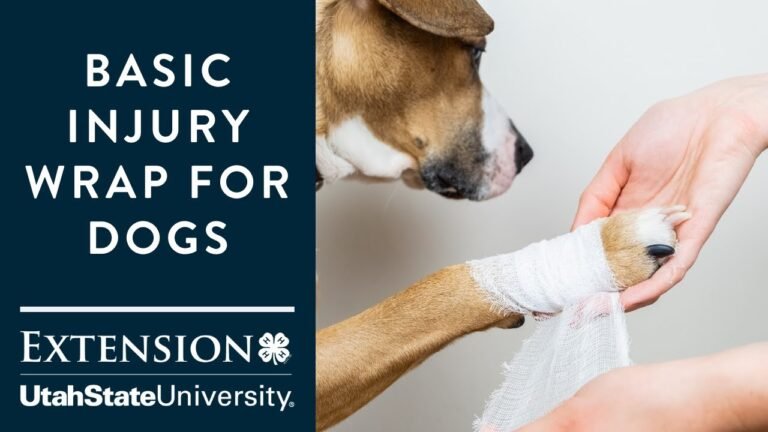
Source: artofit.org
Why a Dog’s Paw Bandage Keeps Slipping
Dog paws are difficult to bandage because the foot moves constantly and bears weight with every step. A wrap can loosen when the dog walks, runs, scratches, or shakes the leg. Bandages can also slide when they do not extend far enough above the paw or when the material underneath provides inadequate padding.
The goal is not to make the bandage tighter. Excessive pressure can interfere with circulation and damage tissue. A properly applied paw bandage should stay in position while remaining comfortable and allowing normal blood flow.
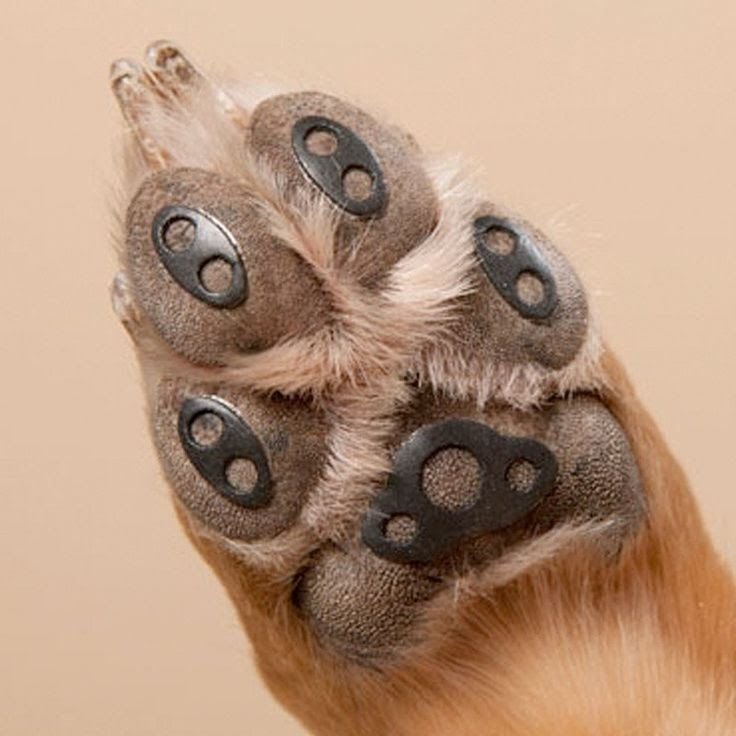
Source: fyosrlkyj.blob.core.windows.net
Too little coverage
A bandage that ends around the paw without adequate extension toward the ankle or wrist may be more likely to slip.
Insufficient padding
A suitable dressing and padding layer can help protect the injury and provide structure for the outer wrap.
Excessive activity
Running, jumping, and rough play can loosen a paw bandage quickly, so activity should generally be restricted while the injury heals.
Moisture
Water can weaken or contaminate a bandage and may create a damp environment against the skin and wound.
The Basic Principle: Secure, Not Tight
A bandage should fit closely enough to remain in place but not compress the leg. For some simple paw bandages, veterinary guidance indicates that there should be enough room to insert two fingers between the bandage and the leg. However, this is not a substitute for veterinary instruction because the correct fit depends on the injury, bandage construction, and location.
Do not tighten a slipping bandage
If the bandage repeatedly slips, have a veterinary professional assess and replace it rather than repeatedly wrapping it tighter.
How to Keep a Bandage on a Dog’s Paw
The most reliable approach is to start with an appropriate dressing, use adequate padding, secure the outer layer without excessive pressure, and then control the factors that cause dogs to remove or damage bandages. If your veterinarian applied the original bandage, do not remove or rebuild it unless you were specifically instructed to do so.
If you are applying a temporary first-aid bandage yourself, use it only when appropriate and seek veterinary care for significant wounds, uncontrolled bleeding, deep cuts, suspected fractures, severe burns, or other serious injuries. A poorly applied bandage can cause additional harm.
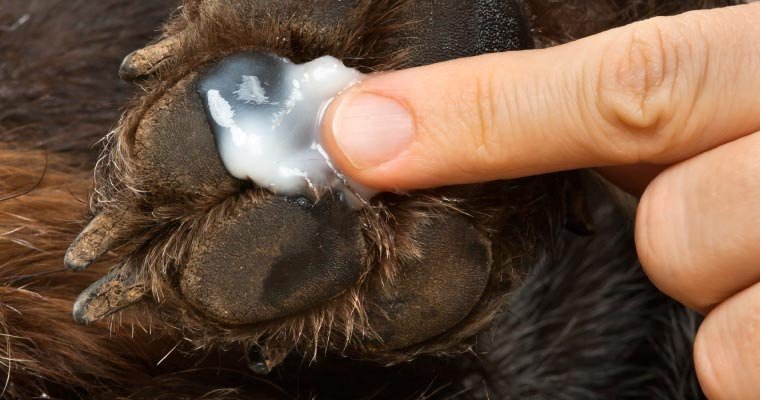
Source: dogsunlimited.com
1. Use a nonstick dressing
When a wound needs coverage, a non-adherent dressing can help prevent the bandage from sticking directly to injured tissue.
2. Add appropriate padding
Padding protects the foot and helps distribute pressure from the outer bandage.
3. Cover the appropriate area
For many paw injuries, veterinary guidance recommends extending the bandage from the toes toward and including the ankle or wrist area to reduce slipping.
4. Apply the outer layer evenly
A self-adhering bandage material can help hold the underlying layers together, but it should not be stretched excessively or wrapped tightly.
5. Restrict activity
Use short, controlled leash walks for bathroom needs and prevent running, jumping, swimming, and rough play unless your veterinarian gives different instructions.
6. Stop licking and chewing
An appropriately fitted Elizabethan collar can prevent your dog from reaching the bandage and pulling it apart.
How to Stop a Dog From Removing a Paw Bandage
Preventing access is usually safer than making the bandage tighter. Dogs that repeatedly lick or chew a bandage can damage the dressing, introduce contamination, or swallow pieces of bandage material. An Elizabethan collar is commonly recommended when a dog can reach the affected paw.
If your dog suddenly starts chewing a bandage that they previously ignored, treat the change as a reason to inspect the bandage and contact your veterinarian. New chewing can occur when the bandage becomes uncomfortable, wet, displaced, or associated with an underlying problem.
Use an E-collar when needed
The collar should be long enough that your dog cannot reach the bandaged paw with its mouth.
Supervise activity
Keep your dog calm and limit situations where the bandage can catch on furniture, fencing, bedding, or other objects.
Keep the Dog Paw Bandage Clean and Dry
Moisture is one of the most common practical problems with paw bandages. A wet bandage can become contaminated and may irritate the skin or interfere with wound healing. Veterinary guidance recommends keeping the bandage dry and replacing a wet or heavily soiled bandage promptly according to the veterinarian’s instructions.
When taking your dog outside for a bathroom break, use a temporary waterproof covering over the bandage. A waterproof bag or similar barrier can protect the bandage from wet grass, rain, mud, or snow. The outer covering should be removed immediately after returning indoors so moisture is not trapped around the bandage.
Source: YouTube > Ontario SPCA and Humane Society
Before going outside
Place a temporary waterproof barrier over the bandage when ground conditions could make it wet or dirty.
During the outing
Keep the dog on a leash and limit outdoor time to necessary activity unless your veterinarian has approved more exercise.
After returning indoors
Remove the waterproof covering so it does not trap moisture or add unnecessary pressure around the limb.
If the bandage gets wet
Contact your veterinarian for instructions about replacement rather than leaving a soaked bandage in place.
How Often Should You Check the Bandage?
Check the bandage at least twice a day. Look at its position, cleanliness, dryness, and overall condition. If toes are visible, compare them with the unaffected foot and look for swelling, redness, unusual temperature, discharge, or color changes.
Take baseline photos
A photo of the bandage when it is first applied can make it easier to notice subtle slipping or changes later.
Check after activity
Inspect the bandage after outdoor trips because walking on wet or dirty surfaces can affect its condition.
Signs the Paw Bandage Is Too Tight or Causing Problems
A bandage needs prompt veterinary attention if it appears too tight, too loose, displaced, wet, dirty, or damaged. The toes and skin around the bandage can provide important clues about circulation and irritation.
Watch your dog’s behavior as well as the physical appearance of the paw. A sudden change in gait, reluctance to use the leg, increased discomfort, or newly developed chewing can indicate that the bandage or the underlying injury needs reassessment.
Source: SheJumps
Swollen toes
Swelling below the bandage can indicate impaired circulation or another complication and should be evaluated promptly.
Red, pale, blue, or otherwise abnormal color
A significant color change in exposed tissue can indicate a circulation problem or other complication.
Unusually cold or hot toes
A noticeable temperature difference compared with the unaffected paw warrants veterinary advice.
Bad odor or discharge
A foul smell, blood, or other discharge can indicate contamination, infection, or a wound that needs additional treatment.
Bandage slipping
A displaced bandage may expose the wound, rub the skin, or place pressure on the wrong area.
Sudden worsening of mobility
If your dog suddenly stops using the leg or develops a different gait, contact your veterinarian rather than simply tightening the wrap.
When to Contact a Veterinarian
Contact a veterinary clinic promptly if the bandage becomes wet or heavily soiled, develops a bad odor, slips, appears too tight or too loose, or is repeatedly chewed off. Seek urgent veterinary care for uncontrolled bleeding, severe swelling, significant tissue discoloration, severe pain, a suspected fracture, or a deep or serious wound.
Do not wait on circulation changes
Swelling or abnormal color below a bandage can become serious, so veterinary assessment should not be delayed.
Do not repeatedly rewrap a problem bandage
Repeated attempts to tighten or reposition a problematic bandage can create pressure and circulation complications.
Common Mistakes That Make Dog Paw Bandages Fall Off
Most bandage failures come from movement, moisture, chewing, poor fit, or an incorrect application rather than from a lack of adhesive. Trying to solve these problems by wrapping more tightly can increase the risk of injury.
Do not use household adhesives directly on your dog’s skin or wound unless specifically directed by a veterinarian. Avoid putting creams, disinfectants, hydrogen peroxide, alcohol, or other products on an injured paw unless your veterinarian recommends them for that particular wound.
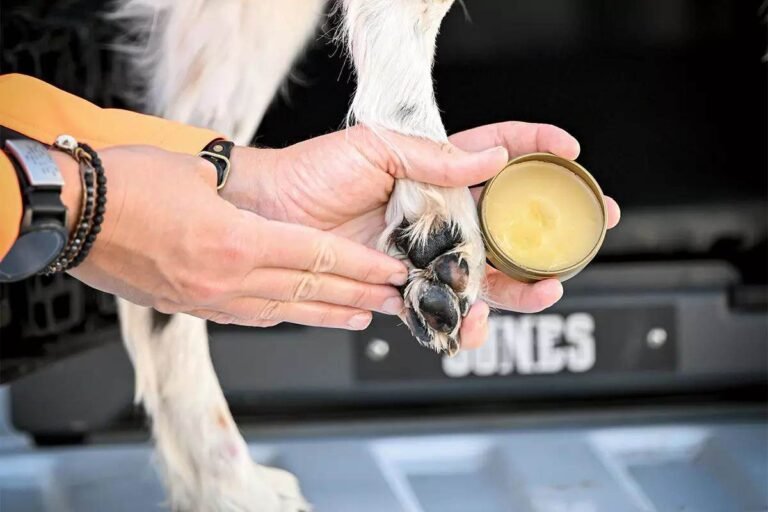
Source: articles.hepper.com
Wrapping too tightly
Tight wrapping can restrict circulation and contribute to swelling or tissue injury.
Leaving a wet covering on
A waterproof cover is intended for temporary outdoor protection, not for continuous use.
Allowing unrestricted exercise
Running and jumping can loosen the wrap and worsen the underlying injury.
Ignoring chewing
Chewing can destroy the bandage and contaminate the wound. Use appropriate protective measures and contact the veterinarian if chewing persists.
Removing a veterinary bandage without instructions
A veterinarian may have selected a specific dressing or bandage technique for the injury. Follow the prescribed schedule for removal and replacement.
When a Home Bandage Is Not Enough
A bandage is a protective measure, not a complete treatment for every paw injury. Deep cuts, wounds that will not stop bleeding, suspected fractures, severe burns, embedded foreign objects, significant infection, or wounds that continue to open require veterinary assessment.
If you are unsure whether a paw injury can safely be managed at home, contacting a veterinarian is the safer choice. The American Veterinary Medical Association advises that improperly applied bandages or splints can cause additional harm when an owner is uncertain about the technique.
Persistent bleeding
If bleeding does not stop with appropriate direct pressure, veterinary care is needed.
Deep or gaping wound
A wound with significant depth or separation may require professional cleaning, closure, pain control, or other treatment.
Suspected broken bone
Keep the dog confined and seek veterinary care rather than attempting an improvised splint without appropriate experience.
Frequently Asked Questions
Q
How do I keep my dog from pulling off a paw bandage?
Prevent access rather than tightening the bandage. An appropriately fitted Elizabethan collar can stop a dog from licking or chewing the paw. Restrict activity and supervise the dog during outdoor trips. If the dog suddenly starts chewing a previously tolerated bandage, contact the veterinarian because the bandage or underlying injury may have become uncomfortable.
Q
Should a dog’s paw bandage be tight?
No. A paw bandage should be secure without restricting circulation. Excessive tightness can contribute to swelling, tissue damage, and other complications. If the bandage appears too tight, do not simply add another layer or tighten it further; contact your veterinarian for advice.
Q
Can I put a plastic bag over my dog’s bandage?
A temporary waterproof covering can be used when taking a bandaged dog outside to protect the bandage from wet or dirty ground. Remove the covering immediately after the outdoor trip so moisture is not trapped and unnecessary pressure is not maintained around the limb.
Q
How often should I check my dog’s paw bandage?
Check it at least twice a day. Make sure the bandage remains clean, dry, intact, and in its original position. If toes are exposed, check them for swelling, redness, abnormal temperature, discharge, or color changes.
Q
How long can a bandage stay on a dog’s paw?
There is no single safe duration for every paw injury. The veterinarian treating the dog should determine the replacement schedule based on the wound and type of bandage. Some wounds require frequent changes, while other bandages may remain in place longer when specifically managed by a veterinary team.
✦ Wrapping Up
Conclusion
The key to keeping a bandage on a dog’s paw is proper fit and careful monitoring, not maximum tightness. Keep the bandage clean, dry, and intact; limit activity; prevent licking and chewing; and inspect the paw at least twice daily. A temporary waterproof covering can protect the bandage during outdoor bathroom breaks, but it should be removed afterward.
If the bandage slips, becomes wet or soiled, develops an odor, or causes swelling, discoloration, discomfort, or changes in how your dog walks, contact your veterinarian. Serious wounds and uncertain cases should be evaluated by a veterinary professional rather than managed solely with a home bandage.
💡 Key Takeaway
Check your dog’s paw bandage twice daily, keep it dry and secure without excessive pressure, use an E-collar when necessary, and contact your veterinarian promptly if the bandage or paw changes.
Learn how to treat a sprained dog paw with safe home care, activity restriction, cold therapy, warning signs, and guidance on when your dog needs a veterinarian.
Learn how to treat sore dog paws between toes with safe home care, cleaning steps, paw protection tips, and guidance on when veterinary treatment is needed.
Learn how to protect dog paws without boots using paw balm, route planning, surface management, and seasonal care. Discover practical ways to keep your dog’s paws healthy year-round.