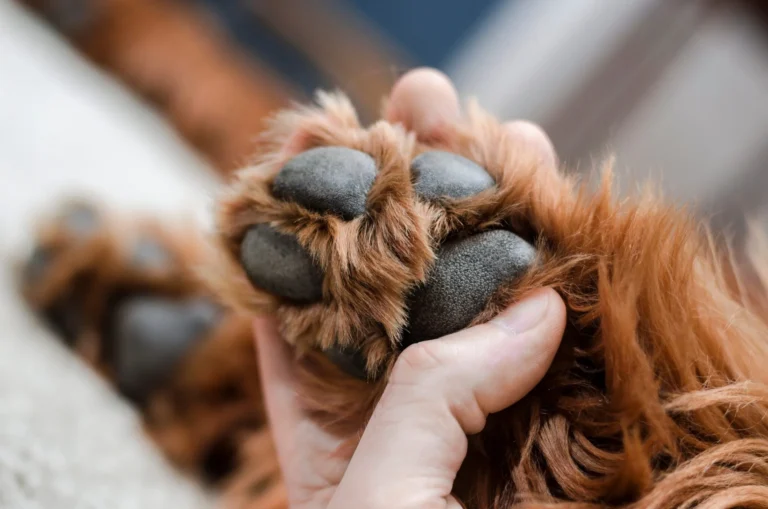
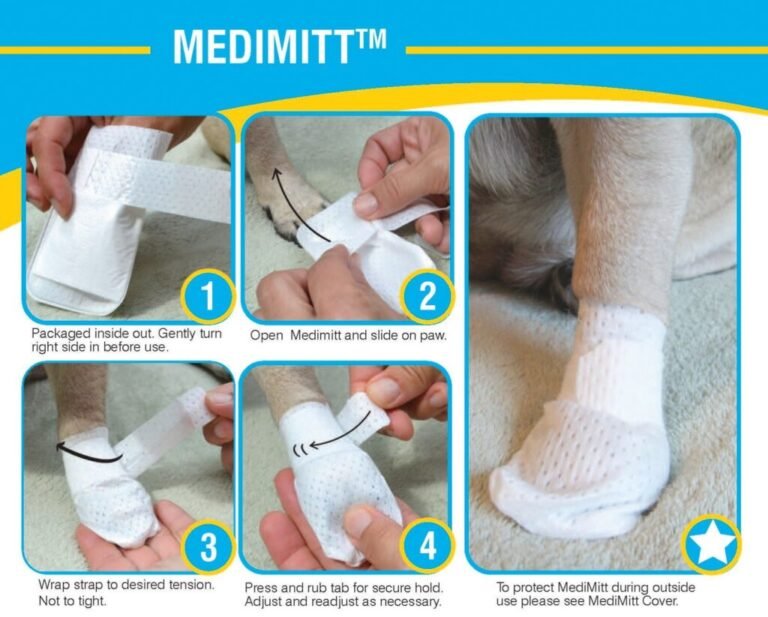
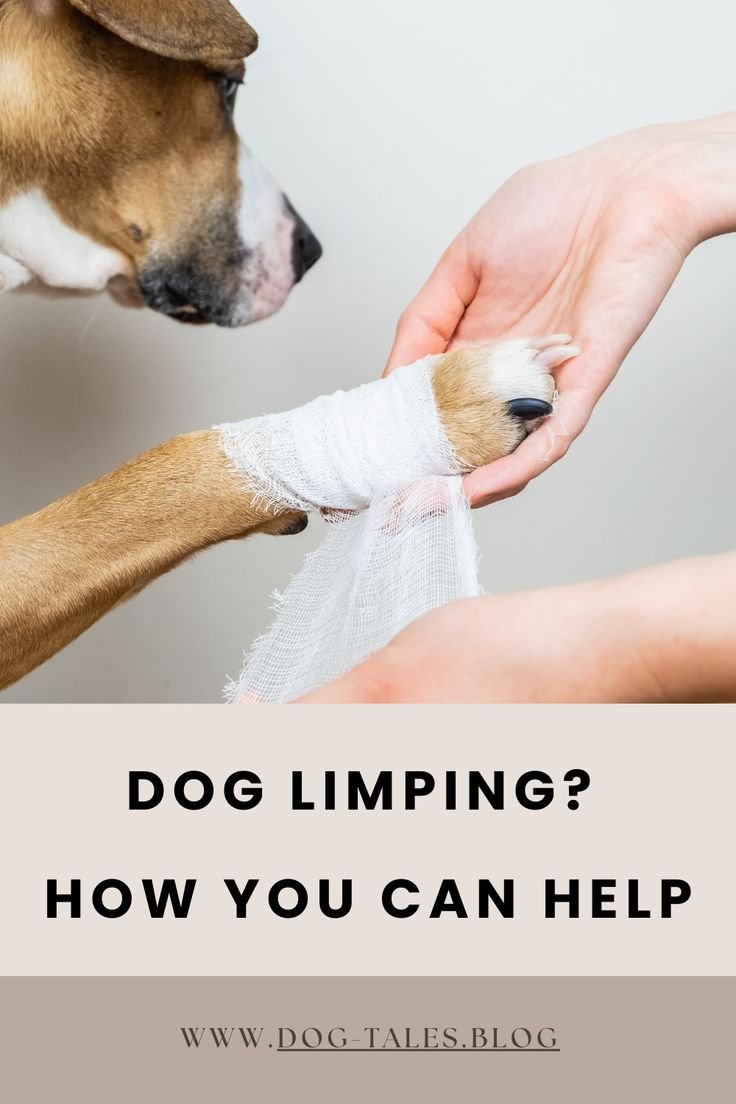
To measure your dog’s paws, have the dog stand naturally with the paw bearing weight on a sheet of paper, mark or trace the widest points, and measure the width with a ruler. If the product requires length, also measure from the back of the paw to the front of the longest toenail. Repeat the process for the front and rear paws, then compare the measurements with the exact product’s sizing chart.
For dog owners in the United States, accurate paw measurements are especially useful when buying boots, shoes, socks, or protective footwear online. U.S. pet retailers use different sizing systems, so a small, medium, or large label is not a dependable measurement by itself. The most useful starting point is the actual size and shape of your dog’s weight-bearing paw.
The standing method is preferable because a dog’s paw spreads when it supports body weight. Measuring a lifted paw can produce a smaller result than the dimensions the footwear must accommodate during a walk. A piece of paper, a pen, and a ruler are usually enough for a practical home measurement. Always give priority to the sizing instructions supplied for the specific product because manufacturers can define width, length, or fit differently.
Source: alldogboots.com
What You Need to Measure a Dog’s Paw
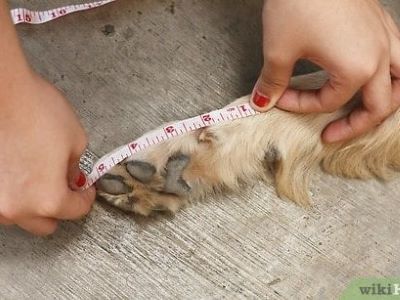
You only need a few household items for most dog paw measurements: a flat sheet of paper, a pen or pencil, and a ruler. A flexible tape measure can also help when a product specifically requests paw circumference.
Use a firm, level surface rather than thick carpet. Your dog should be able to stand naturally without the paw sinking into the flooring. If your dog is restless, having another person calmly help keep the dog standing can make the measurement easier.
Source: storage.googleapis.com
Paper
Use plain paper large enough for the entire paw to sit comfortably on it.
Pen or pencil
Use a writing instrument that can make clear marks beside the widest points of the paw.
Ruler
Use a ruler with clearly marked inches or millimeters. Record the unit so you do not confuse measurements when comparing sizes.
Flexible tape
Use a soft measuring tape only when the product’s sizing instructions call for paw or wrist circumference.
Why the Dog Should Be Standing
A standing dog places weight through the paw, causing the pads and toes to spread into a shape that more closely represents normal walking. This is particularly relevant when measuring for boots or shoes. A lifted paw may look narrower than the paw needs to be when the dog is actually walking.
Weight-bearing measurement
Measure with the paw naturally supporting weight rather than while it is held in the air.
Natural position
Avoid forcing the toes together or stretching the paw into an unusual position.
How to Measure Dog Paws Step by Step
The simplest method is to measure the paw while your dog is standing on paper. Start with one front paw, then repeat the process on a rear paw. If the measurements are close to a size boundary, measuring all four paws gives you a more complete picture.
Keep the pen upright when marking the edges. Holding it at an angle can shift the marks outward or inward and change the final measurement.
Source: gear.tripawds.com
Step 1: Place the paper
Put the paper on a firm, level surface and encourage your dog to stand normally with the target paw completely on the paper.
Step 2: Mark the widest points
Mark the left and right edges at the widest part of the paw while the paw is bearing weight.
Step 3: Measure the width
Move the paw away and measure the straight-line distance between the two widest-point marks.
Step 4: Measure length if required
If the product’s sizing chart requests length, mark the back of the paw and the front of the longest toenail, then measure between those points.
Step 5: Record the result
Write down the measurement and identify which paw you measured, such as front left or rear right.
How to Measure Paw Width
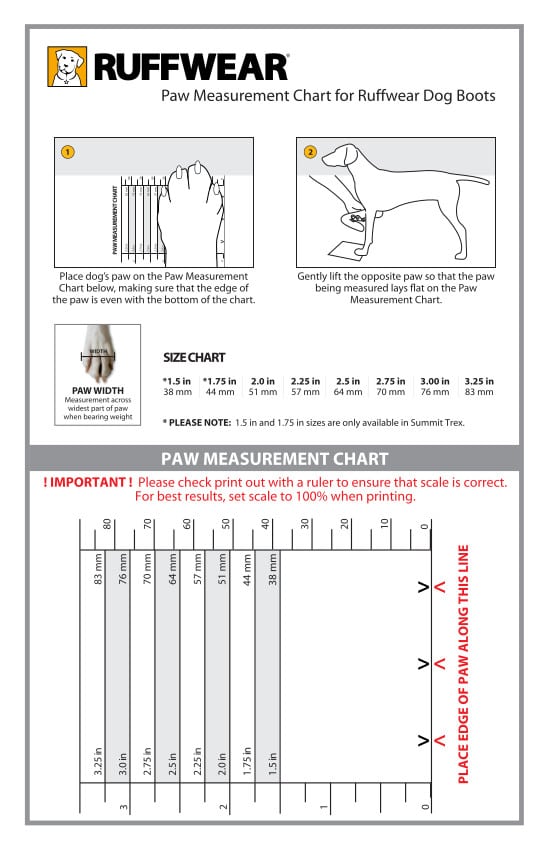
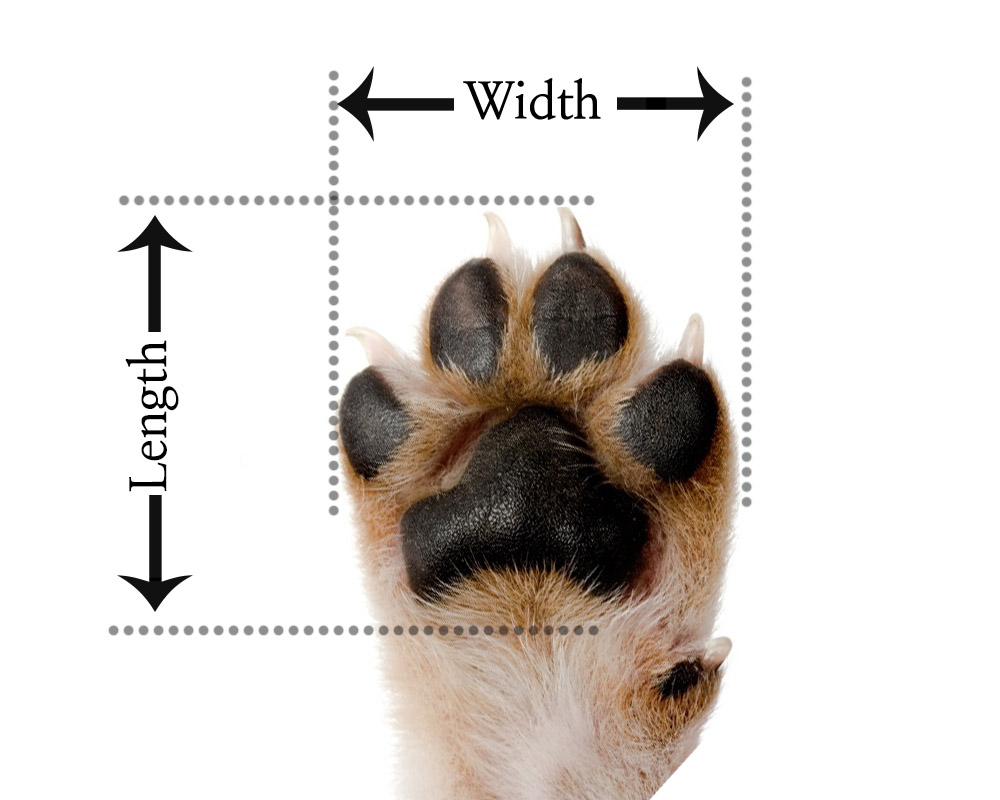
Paw width is the side-to-side distance across the widest portion of the weight-bearing paw. For many dog boots, this is the primary measurement used to select a size. Do not estimate width from the dog’s breed, weight, or overall body size when an actual paw measurement is available.
Measure across the widest area
Take the measurement from one outer edge to the opposite outer edge at the paw’s maximum width.
Keep the unit consistent
If the manufacturer’s chart uses inches, compare inches; if it uses millimeters, convert your measurement before selecting a size.
How to Measure Paw Length
Paw length is not required by every product. When a manufacturer asks for it, follow that product’s definition exactly. Some sizing systems measure from the rear of the paw to the front of the longest toenail, while others may define the usable paw area differently.
Follow the product chart
Do not assume every brand measures length from the same starting and ending points.
Include nails only when instructed
If the manufacturer’s instructions specify measuring to the longest toenail, include that point; otherwise use the stated measurement method.
Measure Front and Rear Paws Separately
Do not assume that all four paws are identical. Front and rear paws can have different dimensions, so measuring only one paw can lead to a poor fit. This matters most when footwear is sold in different sizes or pairs.
For a complete record, measure the front left, front right, rear left, and rear right paws. If a product uses one size for all four boots, compare your results with the manufacturer’s instructions to determine which measurement should control the selection.
Source: wewantdogs.co.uk
Front left
Record the width and any additional measurement requested by the product.
Front right
Repeat the same method instead of assuming it matches the other front paw.
Rear left
Measure separately because rear paws can differ from front paws.
Rear right
Record the result and compare it with the other rear paw before choosing footwear.
What If the Paws Are Different Sizes?
Use the sizing method specified by the product. Some manufacturers offer boots in pairs specifically because front and rear paws can differ. If one product requires a single size for all four paws, do not automatically choose based on the dog’s average measurement; use the manufacturer’s guidance for handling different paw sizes.
Near a size boundary
Repeat the measurement to confirm that the result is consistent before ordering.
Different front and rear sizes
Look for a sizing system that accommodates the difference when the product allows separate sizing.
How to Choose the Right Dog Boot Size From Your Measurement
Once you have the measurement, compare it with the exact sizing chart for the dog boot or shoe you intend to buy. There is no universal dog-boot sizing system, so a size 3 from one manufacturer should not be assumed to have the same dimensions as a size 3 from another.
For example, if a hypothetical measurement is 2.25 inches wide, look for the product’s chart entry covering 2.25 inches rather than selecting a size based on your dog’s weight. If the chart uses millimeters, convert the measurement before comparing it. One inch equals 25.4 millimeters, so 2.25 inches equals 57.15 millimeters.
Source: storage.googleapis.com
Prioritize the product chart
Use the chart associated with the exact boot model, not a generic chart found elsewhere.
Check what the chart measures
Confirm whether the manufacturer bases sizing on width, length, circumference, or a combination.
Do not rely on breed size
Breed and body weight can provide context, but they cannot replace a direct paw measurement.
Check boundary instructions
If your measurement falls between sizes, follow that manufacturer’s specific recommendation rather than applying a universal rule.
Width, Length, and Circumference Are Not Interchangeable
Paw width is a side-to-side measurement. Paw length is a front-to-back measurement. Paw circumference measures around the paw. These dimensions describe different aspects of fit and should not be substituted for one another. A protective boot may require one measurement, while a therapeutic boot or specialized paw covering may require several.
Width
Measures the broadest side-to-side dimension of the paw.
Length
Measures front-to-back according to the product’s stated reference points.
Circumference
Measures around the paw and is relevant only when the product’s instructions request it.
Check the Fit After Measuring
A correct measurement is the starting point, not the final proof of fit. After receiving dog boots or shoes, have your dog wear them indoors for a short, supervised test. Check whether the paw stays securely positioned and whether the footwear twists, slips, or appears to interfere with normal movement.
The boot should be secure without creating obvious pressure or discomfort. Pay attention to rubbing, persistent attempts to remove the boot, abnormal walking, or repeated slipping. If a boot does not fit correctly despite accurate measurements, check the manufacturer’s fitting instructions and consider a different size or design.
Source: storage.googleapis.com
Secure position
The boot should remain positioned on the paw rather than rotating or repeatedly slipping off.
Natural movement
Your dog should be able to stand and walk without persistent signs that the footwear is interfering with movement.
No obvious pressure
Fasteners should secure the boot without being tightened excessively or leaving concerning pressure marks.
Inspect the paw
After the test, remove the boot and check for rubbing, irritation, trapped debris, or other signs that the fit needs adjustment.
What to Do If the Measurement Seems Wrong
Repeat the measurement with the dog standing naturally and the pen held vertically. Make sure the paper is on a firm surface and that you measured the widest point. If repeated measurements remain inconsistent, have another person help keep the dog calm and balanced. If your dog has a swollen, injured, or painful paw, do not force the paw into footwear simply to obtain a measurement; veterinary evaluation may be more appropriate.
Recheck the position
Make sure the paw is flat and bearing weight naturally.
Recheck the widest point
Confirm that the ruler spans the maximum side-to-side width rather than a narrower section.
Recheck the chart
Verify that you are using the current sizing information for the exact product.
Frequently Asked Questions
Q
How do I measure my dog’s paws for boots?
Have your dog stand naturally with one paw on a sheet of paper. Mark the widest points on both sides of the paw and measure the distance between them. If the boot manufacturer also requests length, measure the paw according to that product’s stated length method. Repeat for the other paws as needed.
Q
Should I measure my dog’s paw while standing or sitting?
Measure while standing whenever possible. A weight-bearing paw spreads naturally and provides a more useful measurement for footwear that will be used while walking. A lifted or relaxed paw may produce different dimensions.
Q
Are a dog’s front and back paws usually the same size?
They do not have to be. Front and rear paws can differ, which is why measuring more than one paw is recommended when selecting boots or other fitted paw gear.
Q
Can I choose dog boot size based on my dog’s weight or breed?
Weight and breed are not reliable substitutes for a direct paw measurement. Use the dog’s actual paw dimensions and compare them with the sizing chart for the specific product.
Q
What should I do if my dog’s paw is swollen or painful?
Do not force a boot or measuring device onto a painful or swollen paw. If the paw is visibly swollen, injured, bleeding, or causing persistent limping, contact a veterinarian for advice before selecting protective footwear.
✦ Wrapping Up
Conclusion
Learning how to measure dog paws is straightforward when you measure the paw in a natural, weight-bearing position. For most dog boots, start with paw width at the widest point, then check whether the specific product also requires length or circumference. Measuring multiple paws helps account for normal differences between front and rear feet.
The final measurement should always be compared with the exact manufacturer’s sizing chart. After purchase, perform a short supervised fit check and inspect the paws for signs of rubbing or discomfort. Accurate measurements cannot compensate for a product whose design or sizing system is unsuitable for your dog’s individual paw shape.
💡 Key Takeaway
Place your dog’s paw on paper while the dog is standing, measure the widest point, record the result in inches or millimeters, repeat for the other paws, and use those measurements with the exact product’s sizing chart before ordering.
Learn how to clean dog paws naturally using water, gentle homemade solutions, and simple grooming techniques. Keep your dog’s paws clean, healthy, and comfortable after walks.
Learn how to treat cracked dog paws safely at home. Discover common causes, step-by-step treatment, prevention tips, and signs that require veterinary care.
Learn how to use a clean sock as temporary protection for a dog’s paw, when it is appropriate, how to secure it safely, and when to see a veterinarian.