Most dog paw pads take several weeks to months to fully grow back, depending on the depth and severity of the injury.
Across the United States, dog paw pad injuries are common after walks on hot pavement, rough trails, icy surfaces, or sharp objects. Many owners wonder how long for dog paw pad to grow back after a cut, tear, burn, or abrasion. The answer depends on how much tissue was lost and whether the wound stays protected during healing.
Minor surface injuries may develop new protective tissue within a few weeks, while deeper injuries that remove a large section of the paw pad can require several months for complete recovery. Proper wound care, activity restriction, and veterinary treatment can significantly improve healing outcomes and help reduce complications.
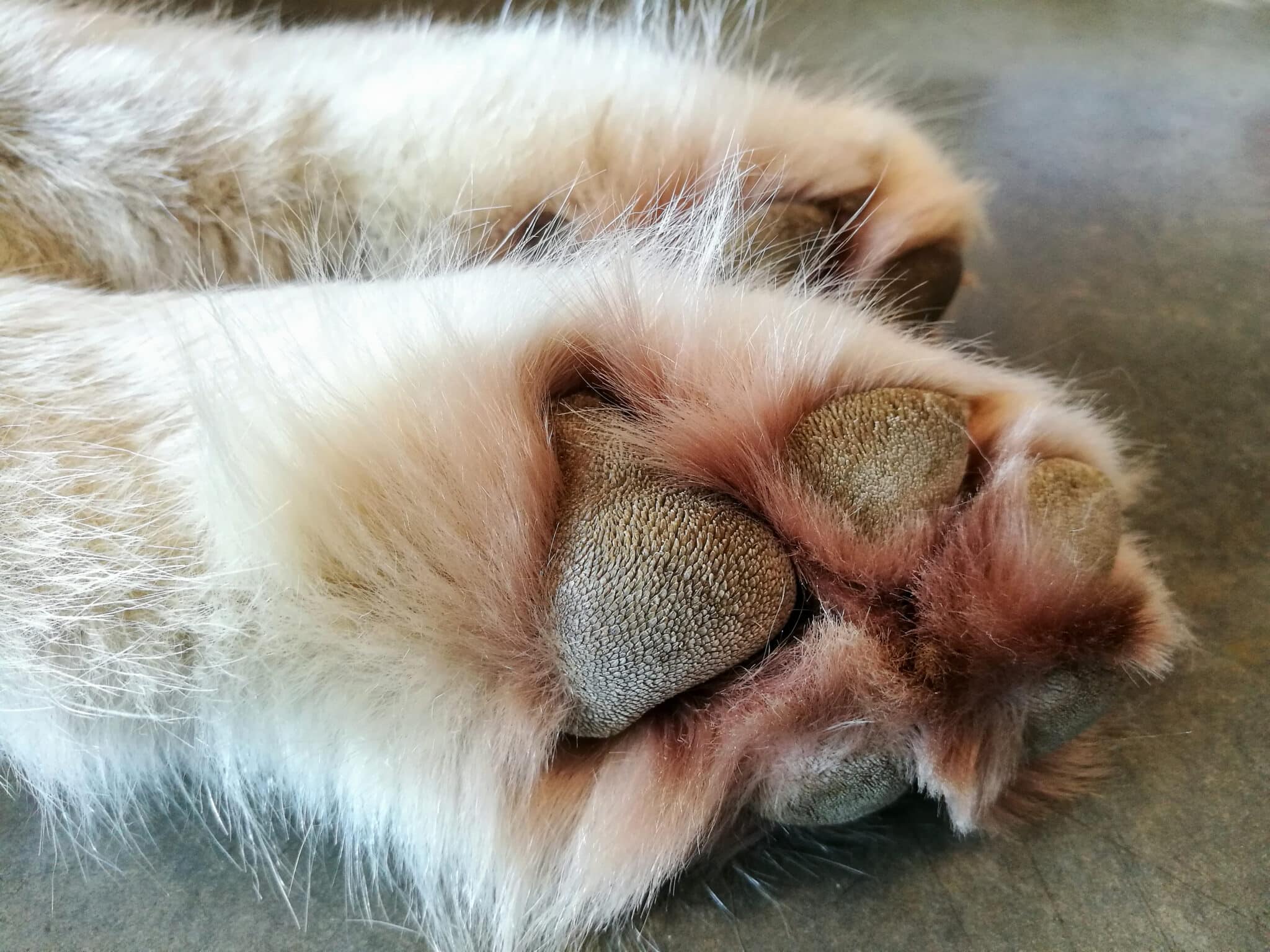
Source: animalia-life.club
How Long for Dog Paw Pad to Grow Back?
The typical answer to how long for dog paw pad to grow back is between 2 weeks and several months. The exact timeline depends on the depth of the injury, the size of the affected area, the dog’s overall health, and whether complications occur during healing.
A superficial scrape may regenerate enough protective tissue within a few weeks. A deep laceration or avulsion, where a section of the paw pad is torn away, often requires much longer because paw pads contain specialized tissue designed to absorb shock and provide traction.
Source: storage.googleapis.com
Minor abrasions
Often heal in approximately 2 to 4 weeks.
Moderate wounds
May require 4 to 8 weeks for functional recovery.
Severe tissue loss
Can take 2 to 4 months or longer for maximum regrowth.
Why Paw Pads Heal Slowly
Dogs place weight on their paws every day, making it difficult for injured tissue to rest completely. Paw pads also consist of thick, specialized skin that takes longer to regenerate than ordinary skin on other parts of the body.
Constant pressure
Walking places stress on healing tissue.
Specialized structure
Paw pads contain dense tissue designed for durability rather than rapid repair.
Factors That Affect Paw Pad Regrowth
Several factors determine how quickly new paw pad tissue develops. Younger healthy dogs often heal faster than senior dogs or pets with chronic health conditions.
The amount of missing tissue is one of the most important variables. Small cuts usually recover much faster than injuries involving large portions of the central pad.
Source: animalia-life.club
Age
Young dogs typically heal faster than older dogs.
Infection
Infections can significantly delay healing.
Nutrition
Adequate protein and balanced nutrition support tissue repair.
Activity level
Excessive activity can reopen wounds and slow progress.
Health Conditions That Slow Healing
Conditions such as diabetes, immune disorders, obesity, and poor circulation may extend healing times. Dogs with these conditions often require closer veterinary monitoring.
Diabetes
May impair wound healing and increase infection risk.
Stages of Paw Pad Healing
Understanding the healing stages helps owners know what to expect. The appearance of the paw changes significantly throughout recovery.
Most wounds follow a predictable progression from inflammation to tissue rebuilding and eventual strengthening.
Source: animalia-life.club
Days 1 to 5
Inflammation and clot formation protect the wound.
Week 1 to 3
New tissue begins filling the damaged area.
Weeks 3 to 8
Skin thickens and becomes more durable.
Months 2 and beyond
The pad continues strengthening and adapting to normal activity.
Signs the Paw Pad Is Growing Back
Healthy regrowth often appears as pink tissue that gradually darkens and thickens. Reduced limping and improved comfort are also positive signs.
New tissue coverage
The wound becomes smaller over time.
Improved walking
The dog places weight on the paw more comfortably.
How to Help a Dog Paw Pad Grow Back Safely
Proper aftercare can improve comfort and reduce healing complications. Always follow veterinary recommendations for severe injuries.
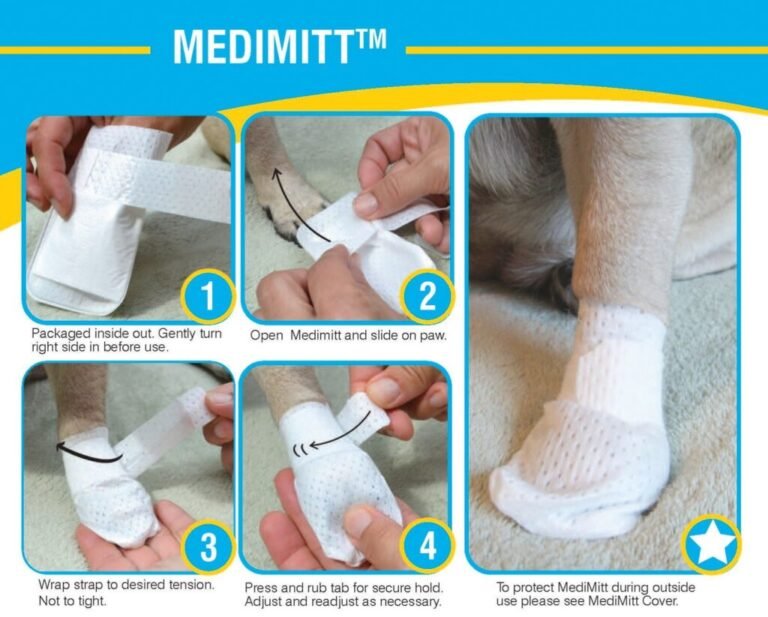
The goal is to protect the wound while allowing healthy tissue to regenerate without repeated trauma.
Source: animalia-life.club
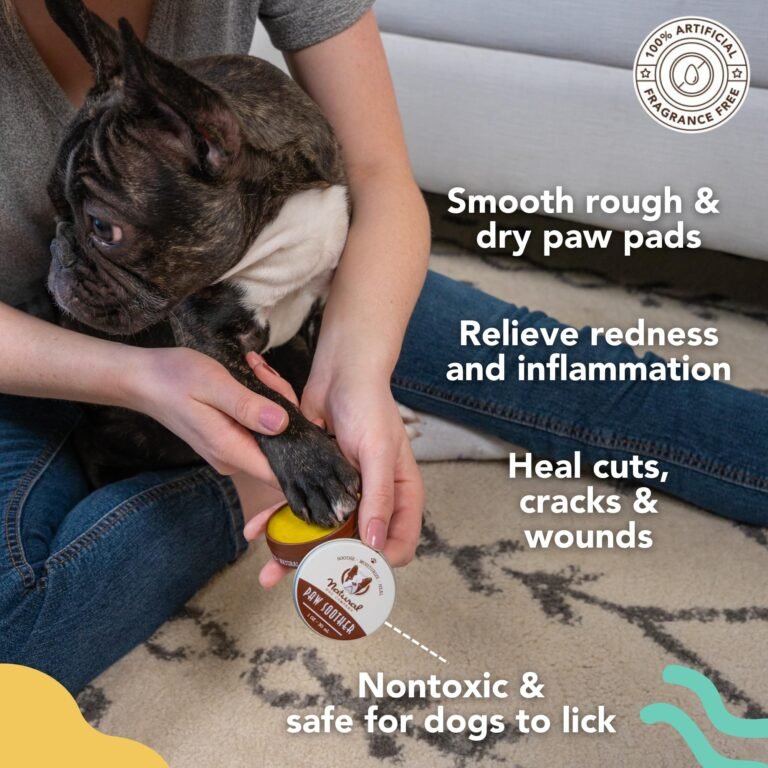
Keep the paw clean
Remove dirt and debris according to veterinary instructions.
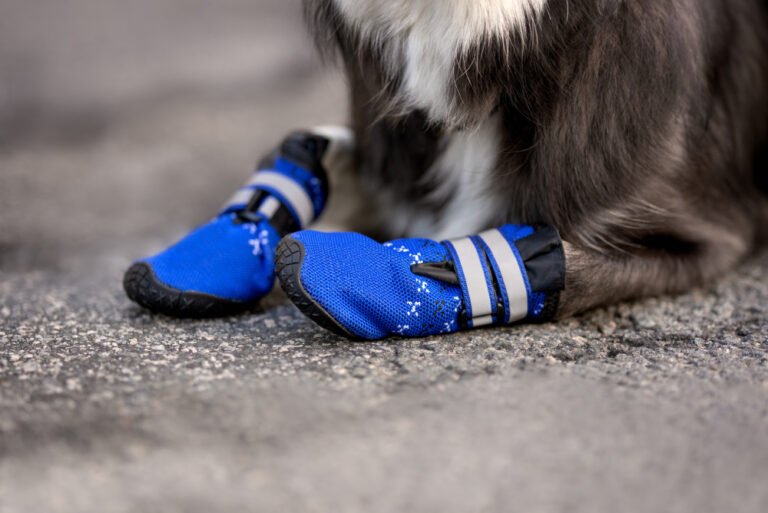
Use protective bandages
Bandages help reduce contamination and friction.
Limit exercise
Short leash walks reduce stress on the healing pad.
Prevent licking
An e-collar may be necessary if the dog repeatedly licks the wound.
Common Recovery Mistakes
Allowing vigorous activity too soon is a common reason for delayed healing. Skipping bandage changes or ignoring signs of infection can also create setbacks.
Early return to running
Can reopen healing tissue.
Poor wound monitoring
May allow infection to worsen unnoticed.
When to Contact a Veterinarian
Some paw pad injuries require professional treatment. Deep cuts, severe burns, persistent bleeding, and large sections of missing pad tissue should be evaluated promptly.
Veterinary treatment may include wound cleaning, specialized bandaging, pain management, antibiotics, or surgical repair in severe cases.
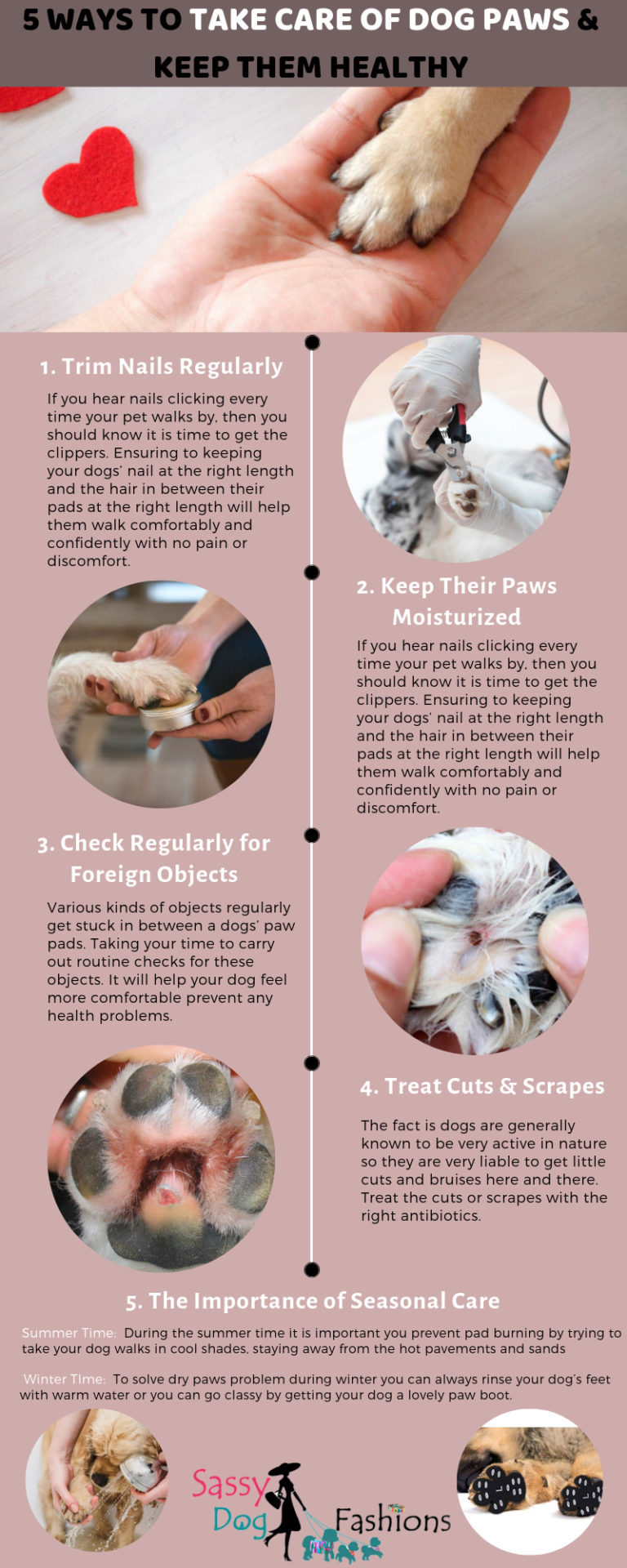
Source: gimeraori.blogspot.com
Persistent limping
Limping that does not improve may indicate deeper damage.
Signs of infection
Swelling, discharge, odor, or increasing redness require attention.
Large tissue defects
Significant pad loss often benefits from veterinary management.
Emergency Warning Signs
Seek immediate veterinary care if there is uncontrolled bleeding, severe pain, exposed deeper tissues, or sudden worsening of the injury.
Heavy bleeding
Requires urgent assessment and treatment.
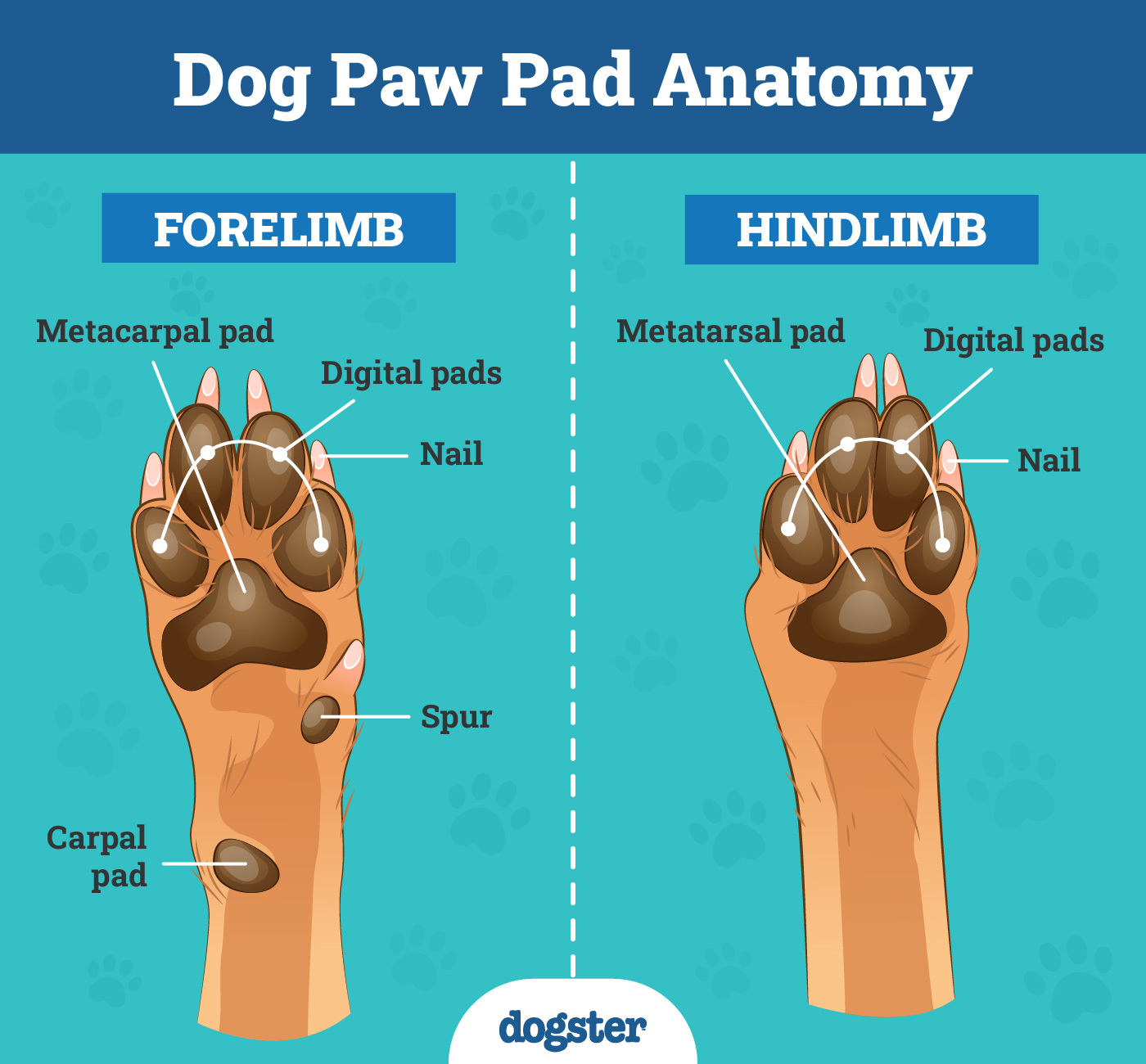
Dog Paw Pad Anatomy and Why Regrowth Matters
Paw pads are essential for shock absorption, traction, insulation, and protection. Because of their unique structure, complete regeneration can take time even after the wound appears closed.
A fully recovered paw pad is more resistant to daily wear than newly formed tissue. This is why veterinarians often recommend gradually returning to normal exercise.
Source: fity.club
Shock absorption
Protects joints during walking and running.
Traction
Helps dogs maintain stability on different surfaces.
Protection
Acts as a barrier against heat, cold, and rough terrain.
Long-Term Outlook
Most dogs regain excellent function after appropriate treatment. Some severe injuries may leave minor scarring or texture changes, but many dogs return to normal activity levels.
Good prognosis
Most uncomplicated injuries heal successfully.
Frequently Asked Questions
Q
Do dog paw pads grow back completely?
Many paw pad injuries heal with substantial regrowth and return of function. However, severe injuries involving extensive tissue loss may leave some scarring or texture differences.
Q
Can a dog walk while a paw pad is healing?
Most dogs can take limited leash walks during recovery. Activity should be restricted according to veterinary advice to avoid reopening the wound.
Q
How do I know if a paw pad injury is infected?
Common signs include redness, swelling, discharge, odor, increased pain, and worsening lameness. Veterinary evaluation is recommended if these symptoms appear.
Q
Will a torn paw pad heal on its own?
Small tears may heal with proper care, but larger tears often require veterinary treatment. Early assessment helps reduce complications and improve recovery.
Q
Can I speed up paw pad regrowth?
There is no safe way to dramatically accelerate tissue regeneration. Keeping the wound clean, protected, and free from infection gives the body the best conditions for healing.
✦ Wrapping Up
Conclusion
The answer to how long for dog paw pad to grow back depends largely on the severity of the injury. Minor abrasions may recover within a few weeks, while deep wounds involving significant tissue loss can require several months of healing and gradual strengthening.
Consistent wound care, controlled activity, and prompt veterinary attention for serious injuries provide the best chance of a successful recovery. Most dogs regain comfortable mobility once the paw pad has rebuilt enough protective tissue.
💡 Key Takeaway
Monitor the injury closely, protect the paw during healing, and consult a veterinarian if the wound is deep, infected, or not improving as expected.
Learn how to use a clean sock as temporary protection for a dog’s paw, when it is appropriate, how to secure it safely, and when to see a veterinarian.
Learn how to stop my dog from chewing his paws with practical steps, common causes, home care tips, and guidance on when veterinary treatment is needed.
Learn how to harden dog paw pads safely through gradual conditioning, routine inspections, proper paw care, and protection from heat, ice, chemicals, and rough terrain.