Yes, dogs paws can get cold in the snow and may become painful, irritated, or even frostbitten during prolonged exposure.
Across many parts of the United States, winter weather brings snow, ice, and freezing temperatures that can challenge even cold-tolerant dogs. While canine paws have natural adaptations that help regulate heat, they are not immune to extreme cold.
Many owners wonder whether dogs feel cold through their feet when walking on snow-covered sidewalks, trails, or backyards. Understanding how dog paws work and recognizing early warning signs can help prevent injuries and keep winter outings safe.
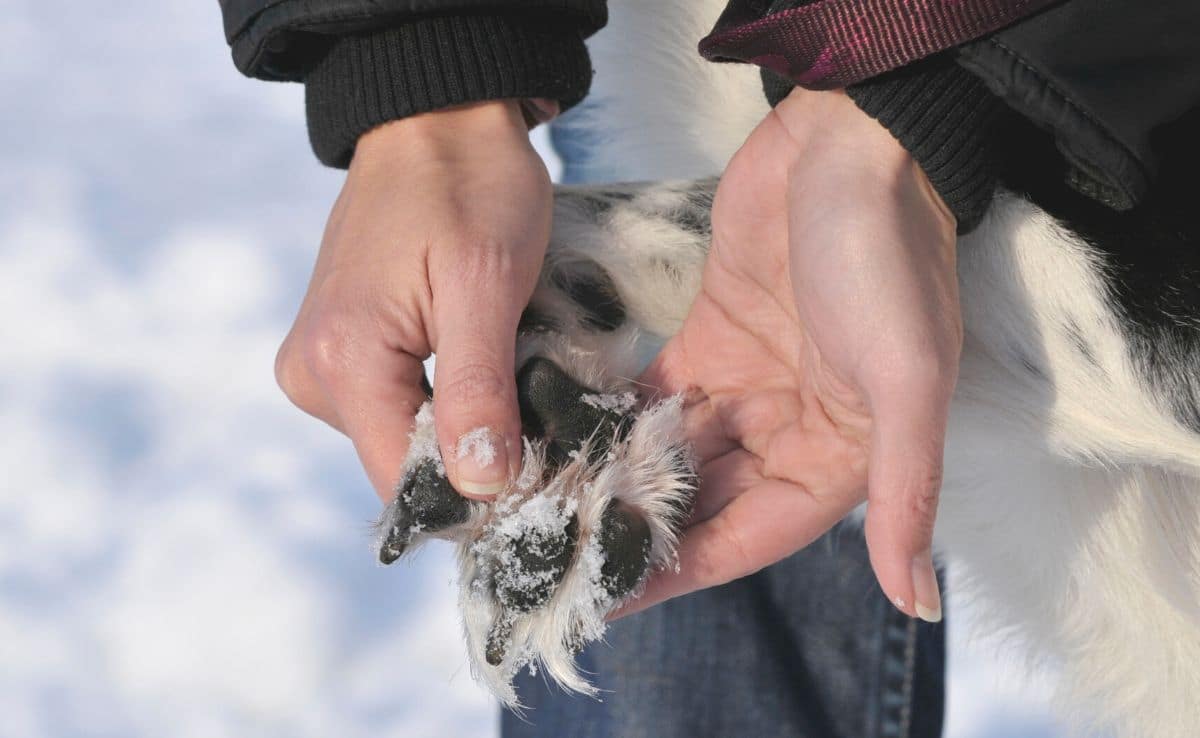
Source: dogslounge.co.uk
Do Dogs Paws Get Cold in the Snow?
Yes, dogs paws get cold in the snow. Although paw pads contain specialized tissues and blood vessel systems that help reduce heat loss, prolonged exposure to freezing temperatures can still make paws uncomfortably cold.
Snow, ice, freezing rain, and cold surfaces can lower the temperature of paw tissues. Small breeds, short-haired dogs, puppies, senior dogs, and dogs with certain health conditions may be more vulnerable than healthy adult dogs.
Source: breedingbusiness.com
Natural insulation
Fatty tissue in paw pads provides some protection against cold surfaces.
Not immune to freezing
Extended exposure can still lead to discomfort, cracking, or frostbite.
Why Dogs Can Walk on Snow Better Than Humans
Dogs have a countercurrent heat exchange system in their legs that helps maintain circulation while reducing heat loss. This adaptation allows many dogs to tolerate cold ground better than humans can with bare feet.
Even with this advantage, extremely cold temperatures and long outdoor sessions can overwhelm the body’s protective mechanisms.
Efficient circulation
Blood vessels help preserve core body heat while supplying the paws.
How Cold Weather Affects Dog Paws
Snow itself is not always the biggest threat. Ice, frozen ground, road salt, de-icing chemicals, and wind chill often contribute to paw problems during winter.
Repeated exposure to cold surfaces can dry paw pads, cause cracks, and increase the risk of painful injuries.
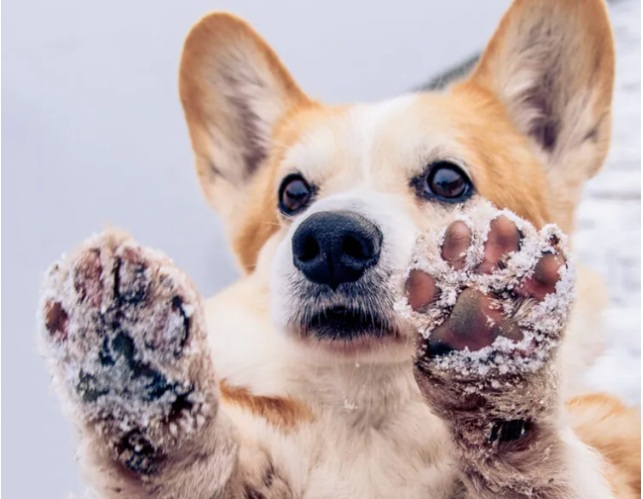
Source: sovelivee.com
Ice buildup
Snow can collect between toes and create painful ice balls.
Chemical irritation
Road salt and de-icers may irritate or burn paw tissue.
Can Dogs Get Frostbite on Their Paws?
Yes, frostbite can occur when tissues freeze after prolonged exposure to severe cold. The risk increases during long walks in subfreezing temperatures or when paws remain wet.
Frostbite requires veterinary attention because damaged tissue may worsen after the dog comes indoors.
High-risk conditions
Extreme cold, wet paws, strong winds, and long exposure times increase danger.
Signs Your Dog’s Paws Are Too Cold
Dogs often show visible signs when their paws become uncomfortably cold. Recognizing these signals early can prevent more serious injuries.
If your dog appears reluctant to continue walking, it is often best to head indoors and inspect the paws.
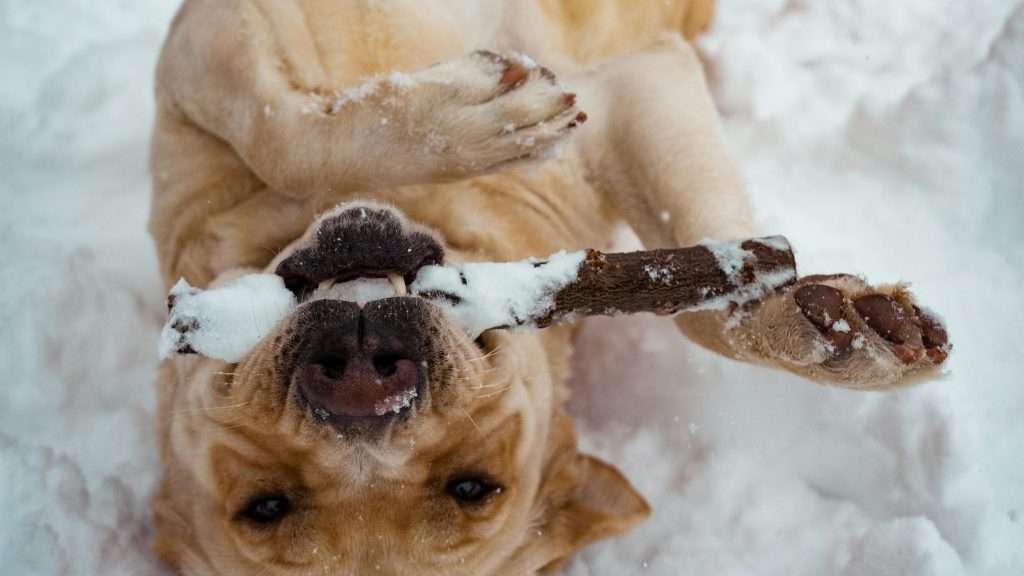
Source: animalia-life.club
Lifting paws
A dog may repeatedly pick up one or more feet to avoid the cold surface.
Limping
Pain, irritation, or ice accumulation can alter the dog’s gait.
Excessive licking
Dogs may lick irritated or numb paws after returning indoors.
Warning Signs Requiring Veterinary Care
Seek veterinary attention if you notice swelling, discoloration, persistent limping, bleeding, open cracks, or suspected frostbite.
Prompt treatment can reduce complications and support proper healing.
Tissue damage
Darkened, pale, or blistered skin may indicate a serious cold injury.
How to Protect Dog Paws in Snowy Conditions
Winter paw protection reduces discomfort and lowers the risk of injury. The best strategy depends on your dog’s breed, activity level, and local weather conditions.
Simple preventive measures often make snowy walks safer and more enjoyable.
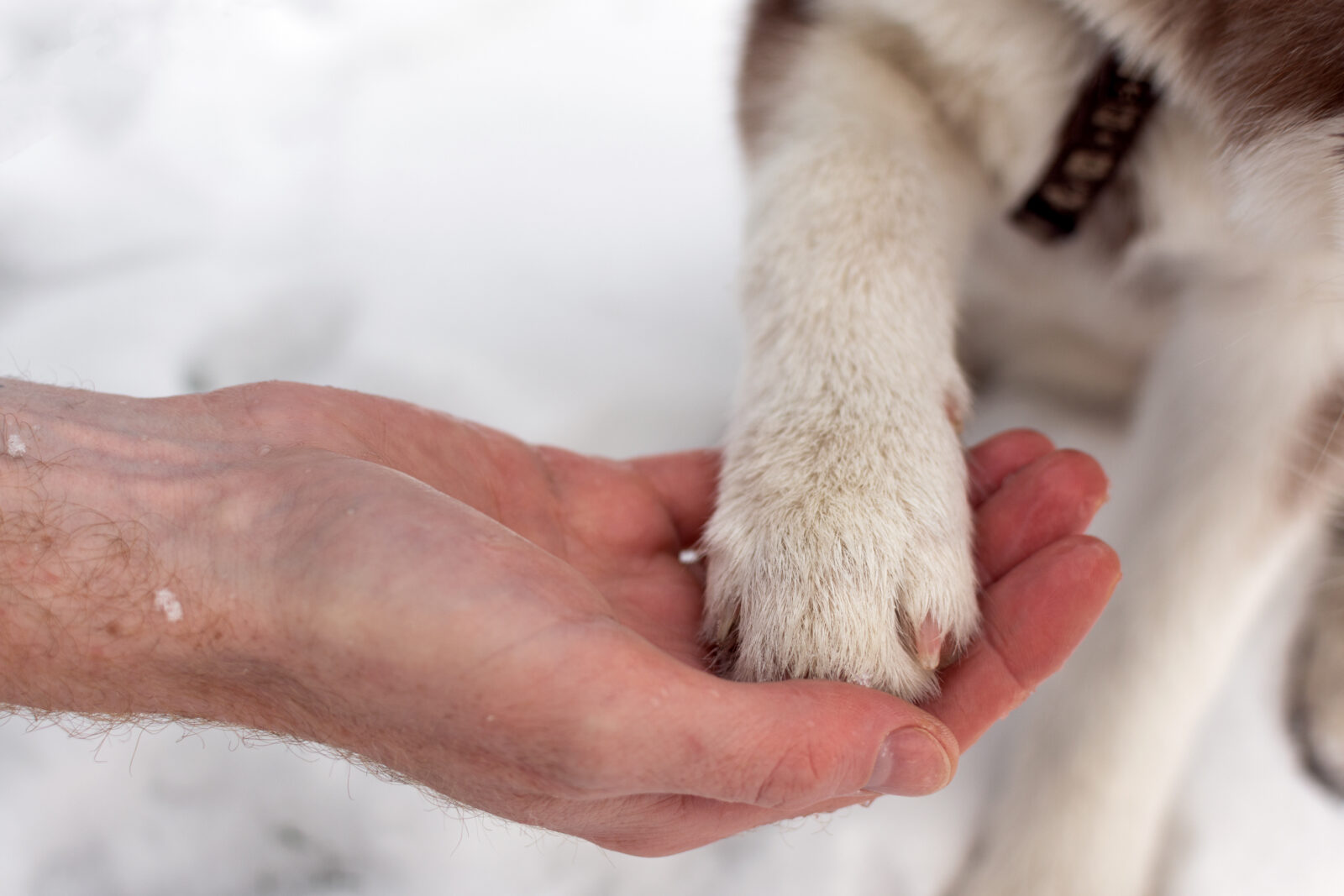
Source: puppylovespa.ca
Use dog boots
Properly fitted boots provide insulation and create a barrier against snow and ice.
Apply paw balm
Pet-safe balms can help moisturize and protect paw pads.
Limit exposure
Shorter walks may be safer during extreme cold events.
Post-Walk Paw Care
After returning indoors, wipe your dog’s paws to remove snow, ice, salt, and debris. Dry the paws thoroughly and check for cracks or redness.
Routine inspections help identify problems before they become serious.
Daily inspection
Look between the toes and around the paw pads after each winter outing.
Which Dogs Are Most Sensitive to Snow and Cold?
Not all dogs handle winter conditions equally. Breed characteristics, age, body size, and health status influence cold tolerance.
Some northern breeds are well adapted to snowy environments, while others require additional protection.
Source: 100dogbreeds.com
Higher risk dogs
Small breeds, puppies, senior dogs, and short-haired dogs often lose heat faster.
Lower risk dogs
Many cold-weather breeds generally tolerate snow better, though they still need monitoring.
Breed Differences Matter
A Siberian Husky and a Chihuahua have very different cold-weather abilities. Owners should consider individual tolerance rather than relying solely on outdoor temperature.
Even cold-adapted breeds can suffer paw injuries from ice, salt, and prolonged exposure.
Individual variation
Health, fitness, and coat condition influence winter comfort.
Winter Paw Safety Checklist
A simple routine can significantly reduce winter paw problems. Consistency is often more important than using multiple products.
Preparing before the walk and checking paws afterward helps keep dogs comfortable throughout the season.
Source: thedogkennelcollection.com
Check the weather
Avoid lengthy outings during severe cold warnings.
Inspect paws
Look for cuts, cracks, or trapped ice after every walk.
Keep walks practical
Adjust duration based on temperature and your dog’s comfort level.
When to End a Walk Early
Head home if your dog begins shivering, lifting paws repeatedly, limping, or refusing to continue. These signs suggest the cold is becoming uncomfortable or unsafe.
Shortening the walk is often the safest response when symptoms appear.
Watch behavior
Changes in movement often appear before visible paw injuries.
Frequently Asked Questions
Q
How long can dogs stay in the snow?
The safe duration depends on temperature, breed, age, health, and weather conditions. Monitor your dog closely and shorten outdoor time if signs of cold stress appear.
Q
Do dog boots help in snowy weather?
Yes. Properly fitted dog boots can protect paws from snow, ice, road salt, and freezing surfaces while improving comfort during winter walks.
Q
Can snow damage a dog’s paw pads?
Yes. Snow, ice, and cold temperatures can contribute to dryness, cracks, irritation, and frostbite when exposure is prolonged.
Q
Why does my dog lift one paw in the snow?
Lifting a paw is often a sign that the surface feels too cold or uncomfortable. It may also indicate ice buildup, irritation, or an injury.
Q
Should I wash my dog’s paws after a winter walk?
Yes. Cleaning the paws removes salt, chemicals, dirt, and ice that could irritate the skin or be ingested during grooming.
✦ Wrapping Up
Conclusion
Dogs have natural adaptations that help them handle cold weather, but their paws can still become cold, irritated, and damaged during snowy conditions. Understanding the signs of discomfort and taking preventive measures can greatly reduce the risk of winter injuries.
Whether you use dog boots, paw balm, or shorter walks, regular paw checks are one of the most effective ways to keep your dog safe throughout the winter season.
💡 Key Takeaway
Monitor your dog’s paws during every snowy outing, watch for signs of discomfort, and use appropriate winter protection when temperatures drop.
Learn whether you can walk a dog with a cut paw, how to assess the injury, when walking is safe, and when veterinary care is needed. Includes first aid, recovery tips, and common mistakes to avoid.
Learn how to safely bandage a dog paw for a broken nail, control bleeding, protect the nail bed, avoid common bandaging mistakes, and know when to see a U.S. veterinarian.
Learn how to keep dog’s paws from getting muddy with proven strategies, paw protection methods, grooming tips, and easy cleanup routines for cleaner homes and healthier paws.