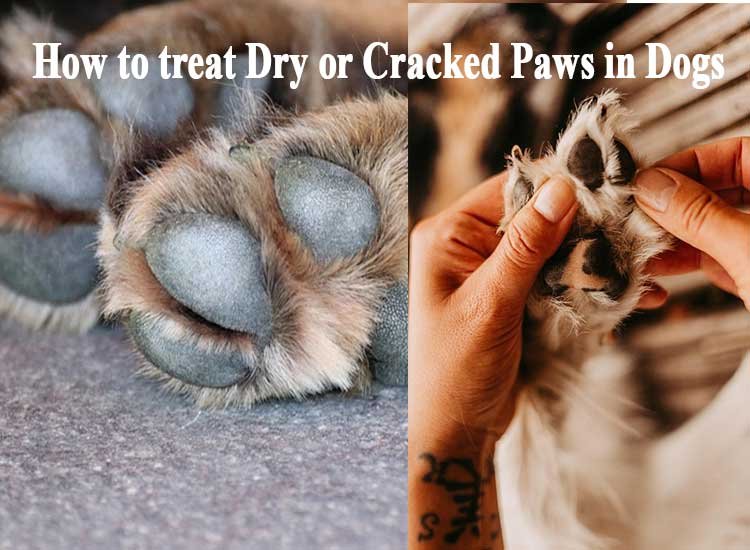
Black spots on your dog’s paws are often normal pigmentation, but new dark spots can also follow irritation, inflammation, infection, or injury.
If you live in the United States and notice new black spots on your dog’s paw pads, between the toes, or on the skin around the feet, do not assume they are harmless or dangerous based on color alone. Dogs naturally have melanin in their skin and paw pads, so some black or dark brown areas can be normal pigmentation. The more useful clues are whether the spots are new, changing, raised, painful, itchy, swollen, or associated with licking.
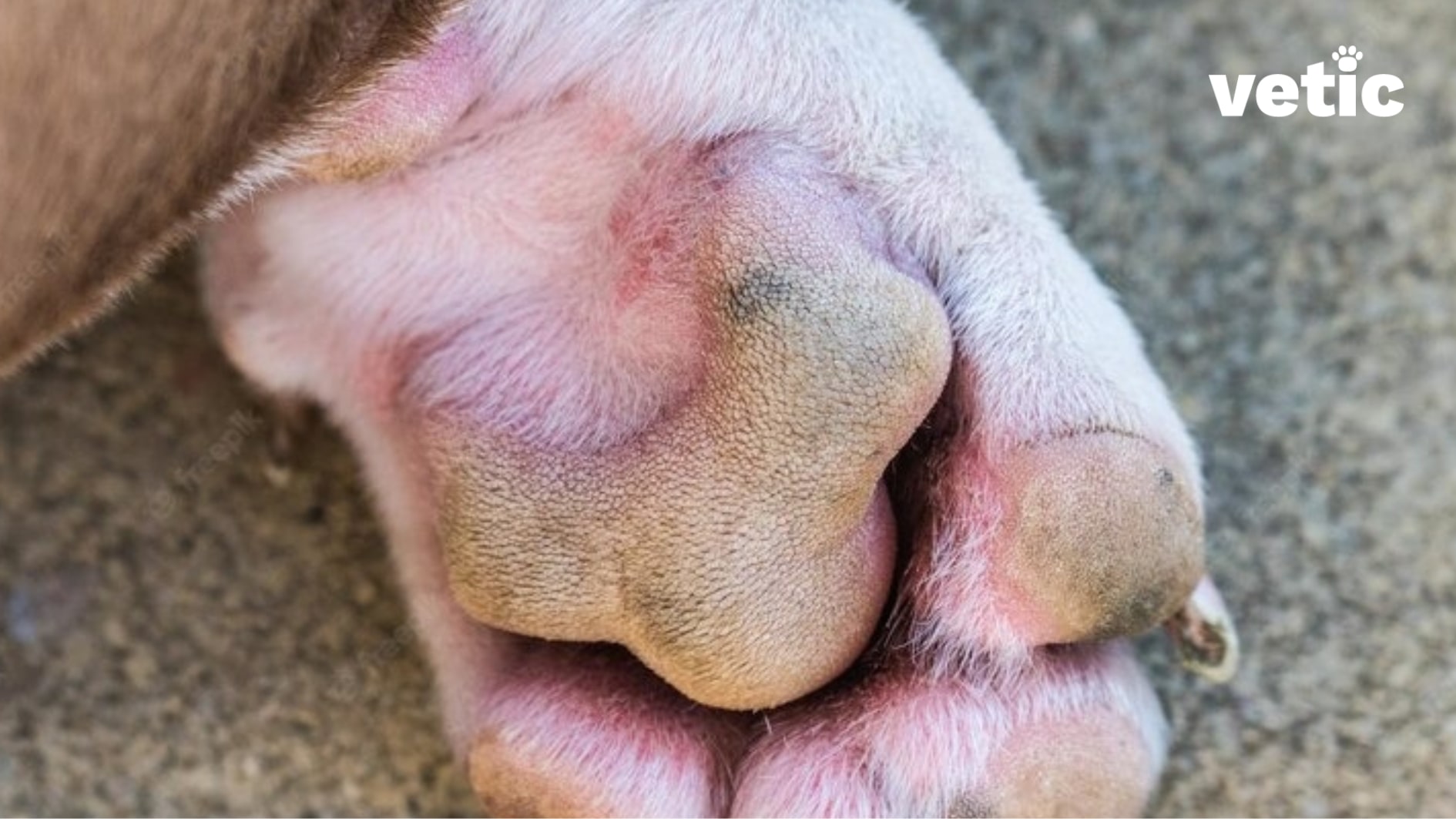
Black discoloration can also develop after inflammation or repeated irritation. Veterinary references describe hyperpigmentation as a skin response that can occur with inflammation, friction, allergies, infection, and other underlying disorders. Paw inflammation, called pododermatitis, may cause redness, swelling, hair loss, thickening, hyperpigmentation, crusting, odor, or discomfort.
Source: fity.club
What Are the Black Spots on My Dog’s Paws?
The black spots may simply be areas of natural pigmentation. Melanin gives skin its color, and dogs can naturally have darker pigment on their paw pads, nose, lips, and other areas. A flat, smooth spot that has been present for a long time and does not cause itching, pain, swelling, or other changes is more likely to be normal pigmentation.
The situation is different when a spot appears suddenly or changes along with the skin. Inflammation can produce hyperpigmentation, which means the affected skin becomes darker. This type of discoloration is a sign of a skin response rather than a diagnosis by itself.
The location and appearance matter. A dark area on the pad is not interpreted in exactly the same way as a dark patch between the toes or a new raised lump. Your dog’s behavior also provides useful information.
Source: storage.googleapis.com
Likely normal pigmentation
The area is flat, smooth, stable, and not associated with licking, pain, redness, swelling, cracking, odor, or discharge.
More concerning change
The dark area is new, enlarging, raised, ulcerated, bleeding, painful, itchy, or accompanied by other paw changes.
Possible inflammation
The darkening developed after persistent licking, irritation, redness, swelling, or another skin problem.
Why Dog Paw Pads Can Naturally Look Black
Healthy paw pads commonly contain substantial pigment. Some dogs have mostly black pads, while others can have mixed areas of pink, brown, gray, or black pigment. Natural pigmentation can also vary with age and individual genetics.
Color alone does not establish disease. If your dog’s paw texture and behavior remain normal, a stable black patch may simply be part of your dog’s normal skin pigmentation.
Common Reasons Black Spots Can Develop on Dog Paws
If the spots are new, several conditions can cause darker skin. The most useful distinction is whether the pigmentation is occurring on otherwise healthy skin or whether it appears with inflammation, injury, or a lesion.
Inflammation from allergies, contact irritation, infection, parasites, trauma, or other skin disorders can lead to increased pigmentation. Repeated licking can also keep the skin irritated and may produce secondary changes.
A veterinarian may call inflammation of the paw skin pododermatitis. This is a broad term rather than one specific disease. Its causes include allergies, infections, parasites, foreign bodies, trauma, immune-mediated disorders, hormonal disease, and other problems.
Source: animalia-life.club
Postinflammatory hyperpigmentation
Skin can become darker after inflammation or repeated irritation. The original redness may become less obvious as the condition persists.
Allergies
Allergic skin disease can cause itching and repeated paw licking. Chronic irritation may contribute to darker skin and hair staining.
Bacterial or yeast infection
Infections can occur in inflamed paws and may cause odor, redness, discharge, crusting, swelling, itching, or discomfort along with color changes.
Trauma or irritation
A cut, burn, abrasion, rough surface, or repeated mechanical stress can damage paw skin and lead to later discoloration.
Foreign material
A splinter, grass awn, or other foreign object can cause localized inflammation, particularly when only one paw is affected.
Other skin or systemic disorders
Parasites, immune-mediated disorders, hormonal disease, nutritional problems, and other conditions can contribute to paw inflammation or pigmentation.
Black Spots From Repeated Paw Licking
Frequent licking is more useful than color alone when assessing a new dark spot. Dogs may lick because a paw is itchy, painful, irritated, or uncomfortable. Persistent licking can further damage the skin barrier and contribute to inflammation and infection.
If your dog repeatedly licks one paw, inspect between the toes, around the nails, and across the pads for swelling, cuts, foreign material, redness, discharge, or tenderness. If several paws are affected, allergies or another broader skin problem may be more likely than a single local injury.
How to Tell if a Black Spot Looks Normal
You can make a useful first assessment at home by comparing the affected paw with your dog’s other paws. Do not scrape, cut, squeeze, or try to remove a pigmented area.
Look at the color, surface, location, and surrounding skin. Then observe how your dog uses the paw. A stable flat spot on a comfortable paw is less concerning than a rapidly changing lesion with pain or inflammation.
Source: animalia-life.club
Check the surface
Normal pigmentation is generally part of the skin and does not form a separate lump, open sore, or crust.
Check for inflammation
Look for redness, swelling, warmth, cracking, scaling, crusting, or moisture around the dark area.
Check your dog’s behavior
Persistent licking, chewing, limping, reluctance to walk, or pulling away when the paw is touched can indicate discomfort.
Compare the paws
Compare the affected paw with the other feet to identify whether the change is localized or part of a broader pattern.
Monitor changes
Take a clear photograph for comparison if your dog is comfortable. Changes in size, shape, texture, or symptoms are more informative than color alone.
When the Pattern Matters
One affected paw can point toward a local problem, such as trauma or a foreign object, although it does not prove a particular cause. Several affected paws can occur with broader skin disorders, including allergies.
Dark spots between the toes deserve attention when they occur with swelling, painful lumps, drainage, or persistent licking. Darkened paw pads that are also rough or cracked may require evaluation for chronic irritation or another paw disorder.
When Black Spots on Dog Paws Need a Veterinarian
Arrange a veterinary examination when the dark spots are new and persistent, continue to change, or occur with other signs of paw disease. A veterinarian can determine whether the pigmentation is normal or secondary to inflammation and can look for the underlying cause.
Prompt evaluation is especially appropriate when your dog has significant pain, limping, marked swelling, bleeding, an open wound, pus or other discharge, a rapidly changing lesion, or difficulty walking. These signs are not explained by simple pigmentation alone.
Source: fity.club
Persistent licking or chewing
Repeated attention to the paw can indicate itching or pain and may worsen skin damage.
Redness or swelling
Inflammation around a dark spot can indicate dermatitis, infection, trauma, or another paw disorder.
Odor or discharge
An unpleasant odor, fluid, pus, or moist lesion can accompany bacterial or yeast overgrowth or deeper infection.
Pain or limping
Difficulty walking or obvious tenderness should be assessed rather than treated as a cosmetic pigmentation issue.
A new raised or ulcerated lesion
A lump, open sore, bleeding area, or rapidly changing lesion needs veterinary assessment because appearance alone cannot establish its cause.
What a Veterinarian May Check
A veterinarian will usually start with the dog’s history and a physical examination of the paw and surrounding skin. Depending on the findings, diagnostic testing may be used to investigate infection, parasites, inflammation, or other causes.
Possible tests include skin scrapings, impression smears, cytology, cultures, or other diagnostic procedures when indicated. The appropriate test depends on the appearance, location, duration, and other symptoms.
What You Should Not Do at Home
Do not assume every black spot is an infection, and do not apply human creams, acids, disinfectants, or other treatments simply because the area looks abnormal. Treatment should match the cause.
Avoid cutting into a dark spot or attempting to remove a lump yourself. Paw tissue can bleed and become infected, and manipulating a lesion can make a veterinary examination more difficult.
Source: storage.googleapis.com
Do not scrape the pigmentation
Pigment is part of the skin and scraping it can cause unnecessary injury.
Do not use random medications
Human or leftover veterinary medications may be inappropriate for the condition or unsafe if licked.
Do not ignore persistent symptoms
A dark spot combined with licking, swelling, odor, pain, or discharge should not be dismissed as normal pigmentation.
Do not rely on color alone
The texture, location, progression, and associated symptoms provide more useful information than whether a spot is simply black.
Simple Paw Monitoring
If your dog is comfortable and the spot appears to be stable pigmentation, monitor it rather than repeatedly handling it. Keep the paws clean and dry, and check them during normal grooming.
If the spot changes or new symptoms appear, record when the change occurred and show your veterinarian a clear photograph. This can help establish whether the lesion is progressing.
Frequently Asked Questions
Q
Are black spots on a dog’s paws normal?
They can be. Dogs naturally have melanin in their skin and paw pads, so flat, stable black pigmentation can be normal.
A new or changing spot is different, especially when it is raised or accompanied by licking, redness, swelling, pain, odor, discharge, or an open wound.
Q
Why are my dog’s paw pads turning black?
If the color change is new, inflammation and repeated irritation are possible explanations. Postinflammatory hyperpigmentation can develop after skin inflammation.
Allergies, infection, trauma, friction, parasites, and other disorders can cause inflammation that eventually makes the skin darker.
Q
Can allergies cause black spots on a dog’s paws?
Allergies can contribute to paw inflammation and repeated licking. Chronic inflammation may lead to darker skin, especially when the dog continually irritates the paws.
However, black pigmentation alone cannot diagnose an allergy. A veterinarian may need to investigate other causes and look for additional signs of allergic skin disease.
Q
Why does my dog have black spots between the toes?
Dark areas between the toes can result from normal pigmentation, but they can also occur with chronic inflammation or irritation. Persistent licking, swelling, painful lumps, drainage, or redness makes a medical cause more likely.
A localized problem such as a foreign object can also affect one paw, so a new spot between the toes should be examined closely.
Q
Should I worry about a black lump on my dog’s paw?
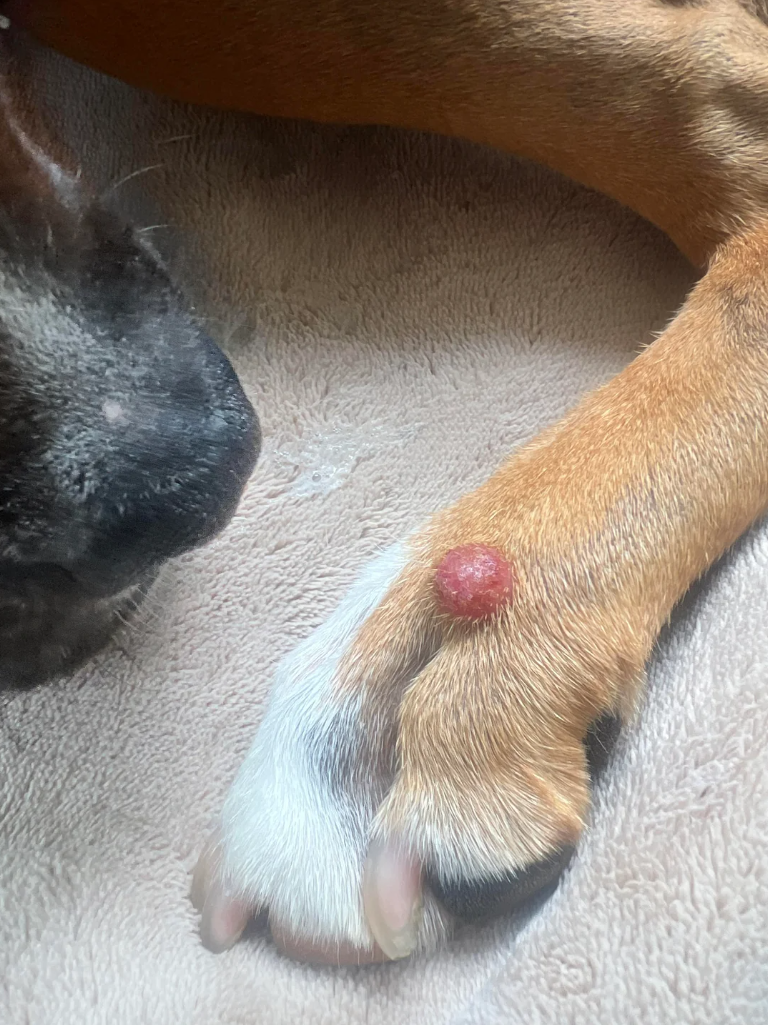
A raised lump is different from ordinary flat pigmentation and should not be diagnosed by appearance alone. A new, growing, bleeding, ulcerated, or painful lump warrants veterinary evaluation.
Do not squeeze, cut, or remove the lump yourself. A veterinarian can determine whether further testing is appropriate.
Q
Can a dog’s black paw spots go away?
Natural pigmentation generally does not need to disappear. When darkening developed because of inflammation, it may gradually improve after the underlying problem is identified and treated.
Pigment changes can resolve slowly, so the skin may remain darker for some time even after the original irritation has improved.
✦ Wrapping Up
Conclusion
The answer to what are the black spots on my dog’s paws depends on how the spots look and how your dog feels. Flat, stable pigmentation on healthy, comfortable paws is often normal. New dark areas can also result from inflammation, allergies, infection, trauma, friction, or another paw disorder.
Focus on changes rather than color alone. Persistent licking, redness, swelling, cracking, odor, discharge, pain, limping, a new lump, or rapid growth are reasons to contact a veterinarian. When the cause is uncertain, an examination is safer than trying to treat the pigmentation at home.
💡 Key Takeaway
Check whether the black spot is flat and stable or changing with inflammation, pain, licking, swelling, or discharge; if concerning signs are present, schedule a veterinary examination.
Learn what ointment is safe for dogs paws, when to use paw balms or antibiotic ointments, and how to protect cracked, dry, or irritated paw pads safely.
Learn how to measure dog paws for boots accurately using simple household supplies, how to choose the right size, and how to check the fit before walks.
Why does your dog chew his paws at night? Learn the most common causes, including allergies, parasites, injury, infection, and anxiety, plus when to see a veterinarian.
Learn how to treat dry dog paws safely with moisturizing care, paw protection, and prevention strategies. Discover causes, home remedies, and when to contact a veterinarian.