What Can I Use to Moisturize My Dog’s Paws? Safe Options and Tips
Learn what you can use to moisturize your dog’s paws, including dog-safe paw balms, waxes, and care tips for dry or cracked paw pads.

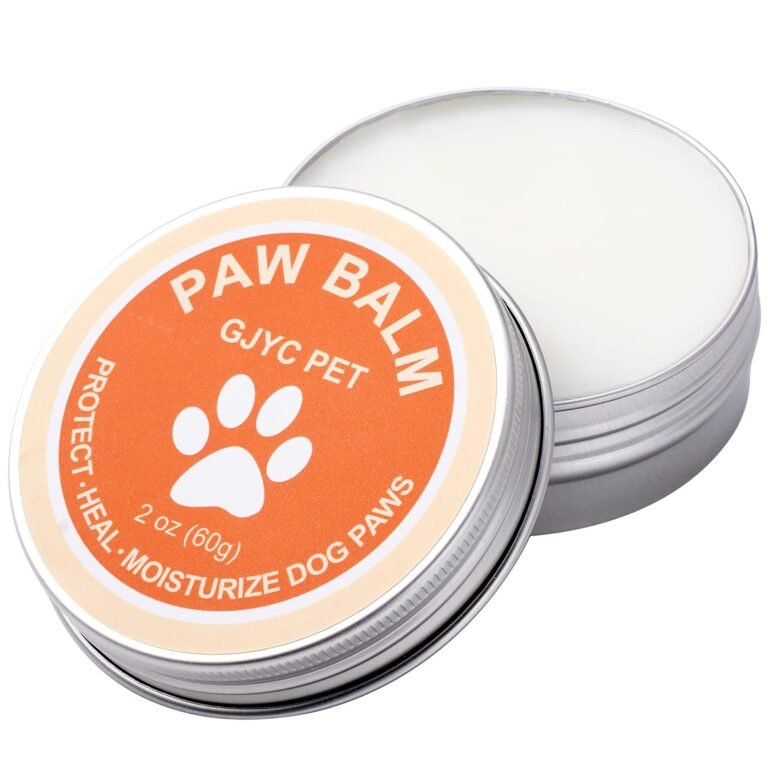
Learn what you can use to moisturize your dog’s paws, including dog-safe paw balms, waxes, and care tips for dry or cracked paw pads.

Learn what can I soak my dogs paws in, including warm water, saline, and vet-guided Epsom salt soaks, plus what to avoid and when to call a vet.
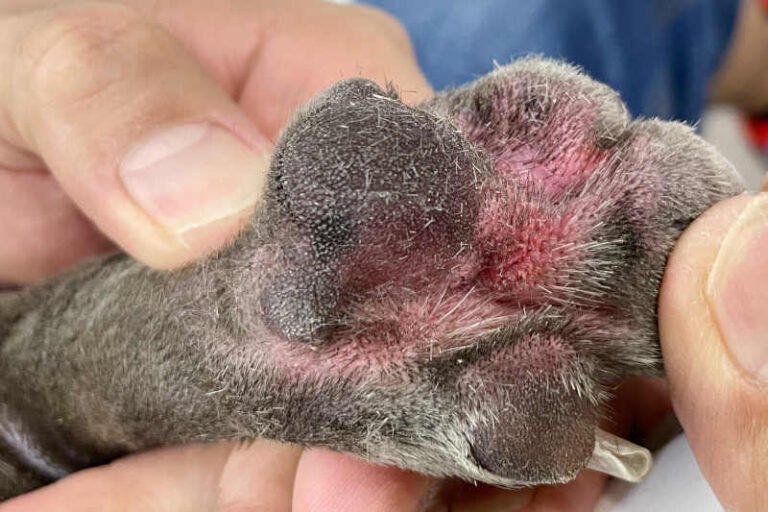
Learn what a yeast infection looks like on dogs paws, including redness, dark staining, itching, odor, swelling, and when veterinary care is needed.
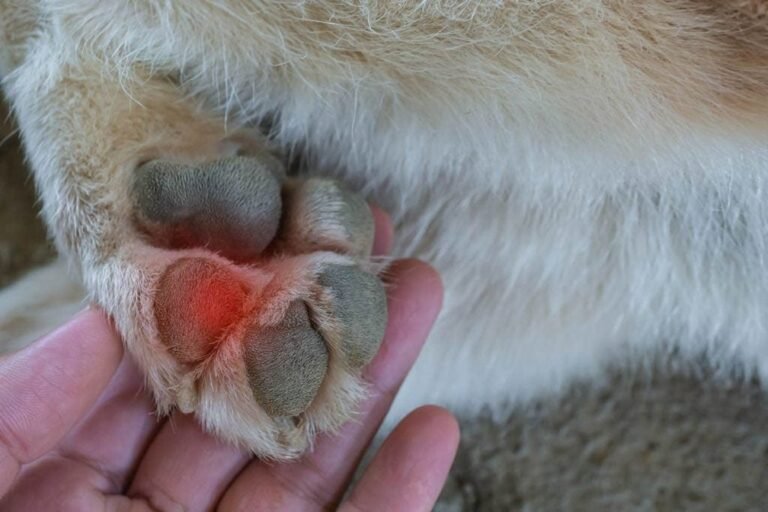
Learn what burnt dog paws look like, including redness, blisters, peeling, discoloration, and exposed tissue, plus safe first-aid steps and when to see a vet.
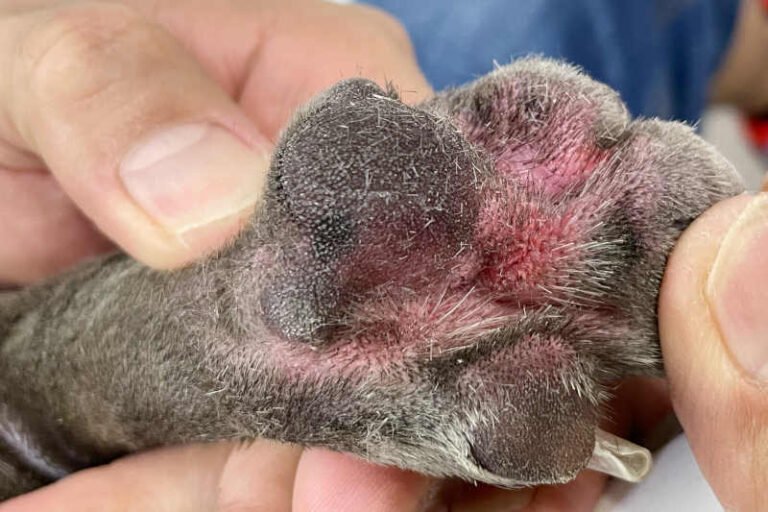
Learn what causes yeast in dogs paws, including allergies, moisture, licking, skin disease, and other triggers, plus signs and when to see a vet.
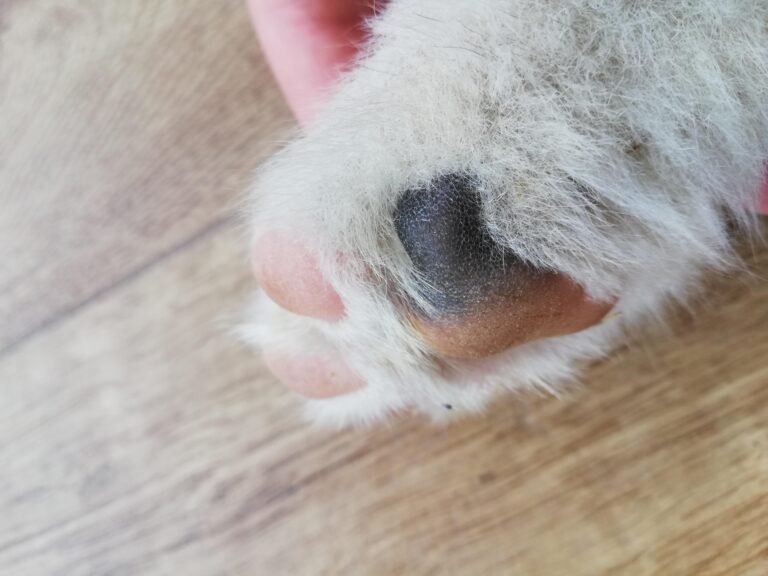
Learn what black spots on your dog’s paws can mean, when normal pigmentation is likely, possible health causes, warning signs, and when to see a veterinarian.
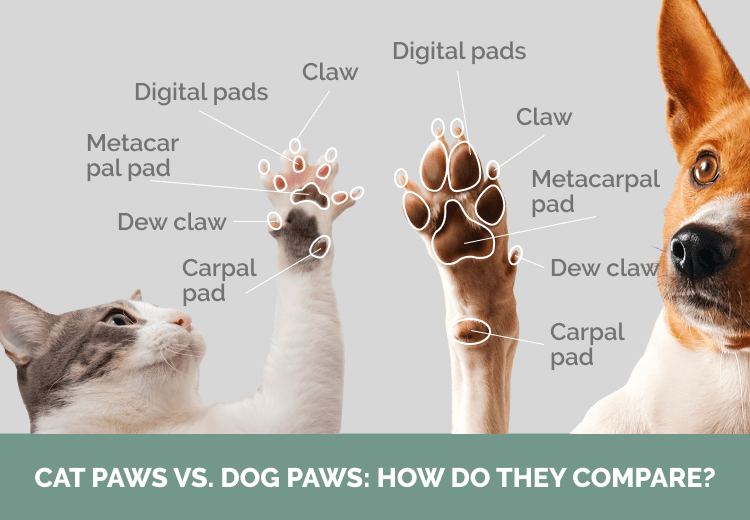
Learn what dog and cat paws are adapted for, including traction, shock absorption, climbing, hunting, digging, sensing, and protection.
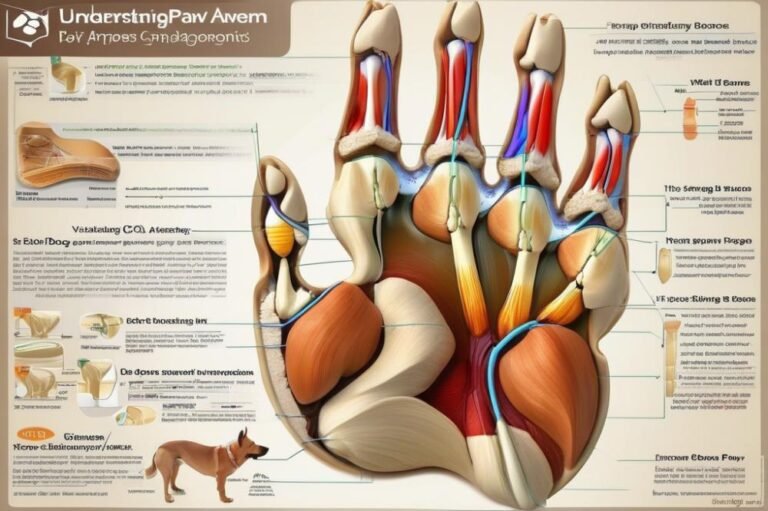
Learn what dog paws are made of, including paw pads, skin, fat, connective tissue, bones, tendons, and nails. Understand how dog paws protect movement, traction, and overall canine health.
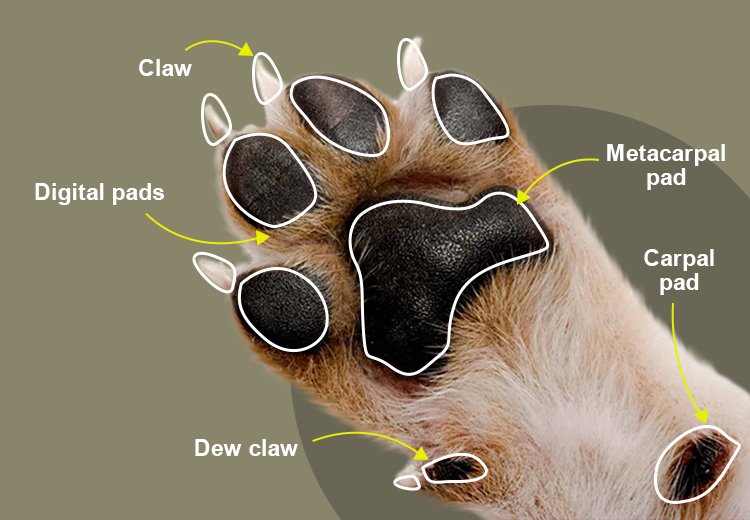
Learn what dog paw pads are made of, how they protect dogs, why they feel tough, and how to keep paw pads healthy in different environments.